Key takeaways
- Wholesale clubs are robot-friendly only when pallet staging, forklift routes, and receiving windows are built into the cleaning plan.
- Store size matters, but obstruction patterns matter more. A 147,000 square foot box with clear lanes is easier than a smaller club with constant pallet drift.
- The best overnight program protects a fixed cleanable core, then hands off edge zones and dock-adjacent areas when replenishment starts.
- Forklift overlap is the hard stop. If operators and autonomous scrubbers compete for the same cross-aisles, uptime and safety both suffer.
- A full-service, vendor-neutral integrator is useful here because wholesale clubs usually need financing, deployment, training, and service tied to one operating playbook.
What should wholesale clubs expect from overnight robotic cleaning?
Wholesale clubs should expect robotic overnight cleaning to work well in the broad middle of the store, and to work poorly at the wrong times and in the wrong zones. The format looks ideal on paper because the aisles are wide and the floor area is large. In practice, uptime rises or falls on three operational variables: how many pallets are left on the floor after close, when forklifts begin replenishment, and how early receiving activity starts to spill into the sales floor and front raceways.
That means the right question is not, Can a robot clean a club store. It can. The real question is, How much of the club can stay predictably cleanable for a long enough overnight window to justify autonomous runs. If that window is protected, clubs can get consistent aisle scrubbing overnight and use people for edges, detail work, spills, restrooms, and exceptions. If the window is constantly broken by staging and replenishment, the robot becomes a stop-and-wait machine.
The best club deployments treat robotic floor care as an operations design problem, not just a piece of equipment. They carve the building into a dependable autonomous core, a flexible transition band, and a human-served fringe around docks, receiving paths, promotional stacks, and morning prep. That is how you keep a retail floor cleaning robot productive instead of parked.
Why do club stores look easy for robots and then disappoint?
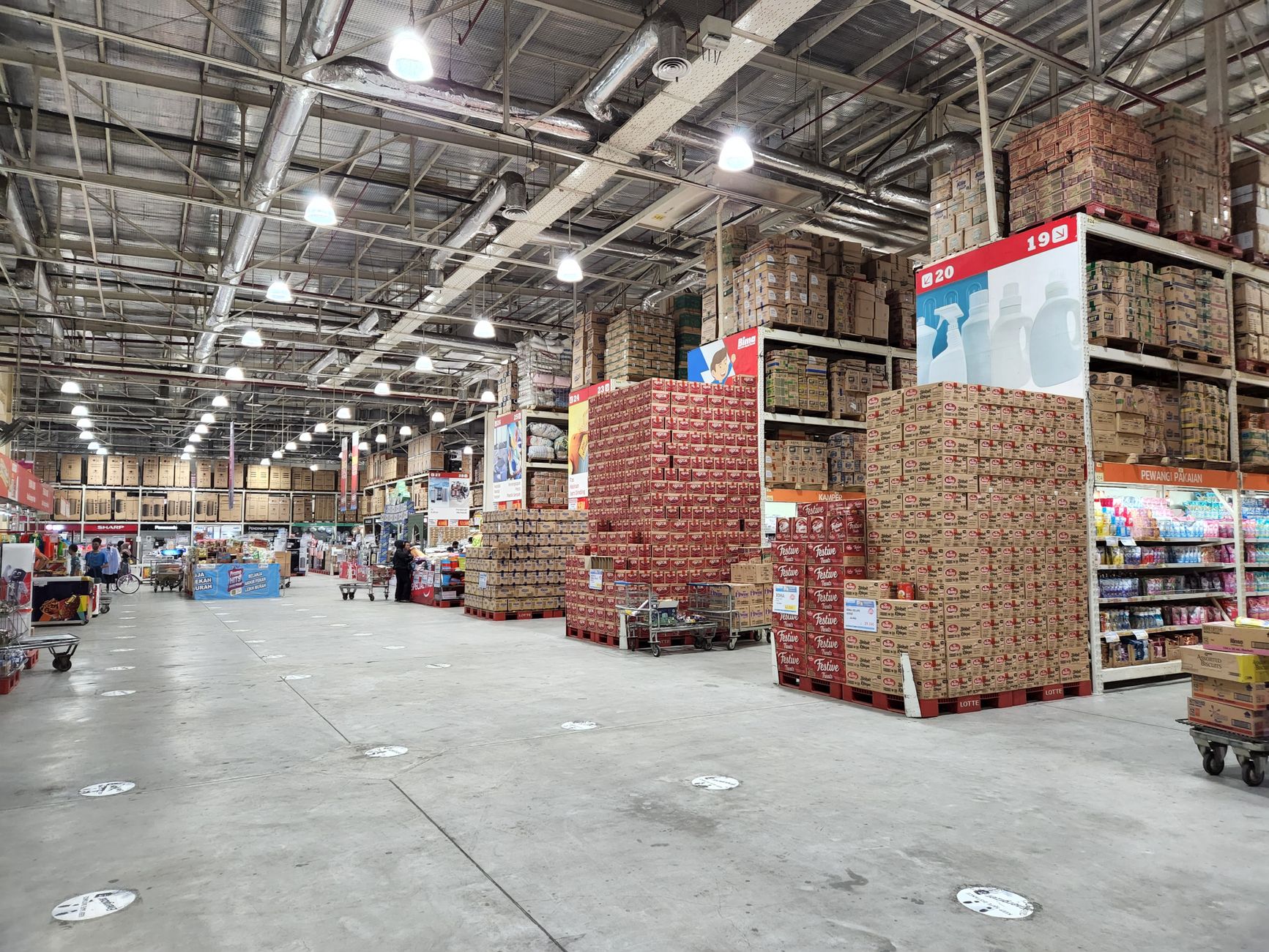
The scale is real. According to Costco's 2025 annual report, its average warehouse space is approximately 147,000 square feet. Walmart reported in its 2026 annual report that Sam's Club U.S. averaged 134,000 square feet per club, with stores ranging from 94,000 to 168,000 square feet. BJ's said in its 2025 annual report that its 263 clubs ranged from 44,000 to 177,000 square feet. Those are exactly the kinds of footprints that make commercial cleaning robot rental and autonomous floor scrubber rental attractive on first review.
But square footage is only the easy part. Clubs are merchandising machines. Bulk displays move, seasonal stacks land in fresh places, cross-aisles get pinched by opportunistic staging, and reserve inventory often sits visually outside the rack line even when the store team thinks the route is clear. A robot does not care that the aisle was clean yesterday. It cares whether the lane is open right now, at 2:17 a.m., for a full uninterrupted pass.
That is why wholesale clubs should judge overnight floor care on cleanable lane miles, not total building area. Wide aisles help. Stable aisles help more. The club with fewer surprises usually wins, even if its box is smaller.
How much does pallet clutter really change performance?
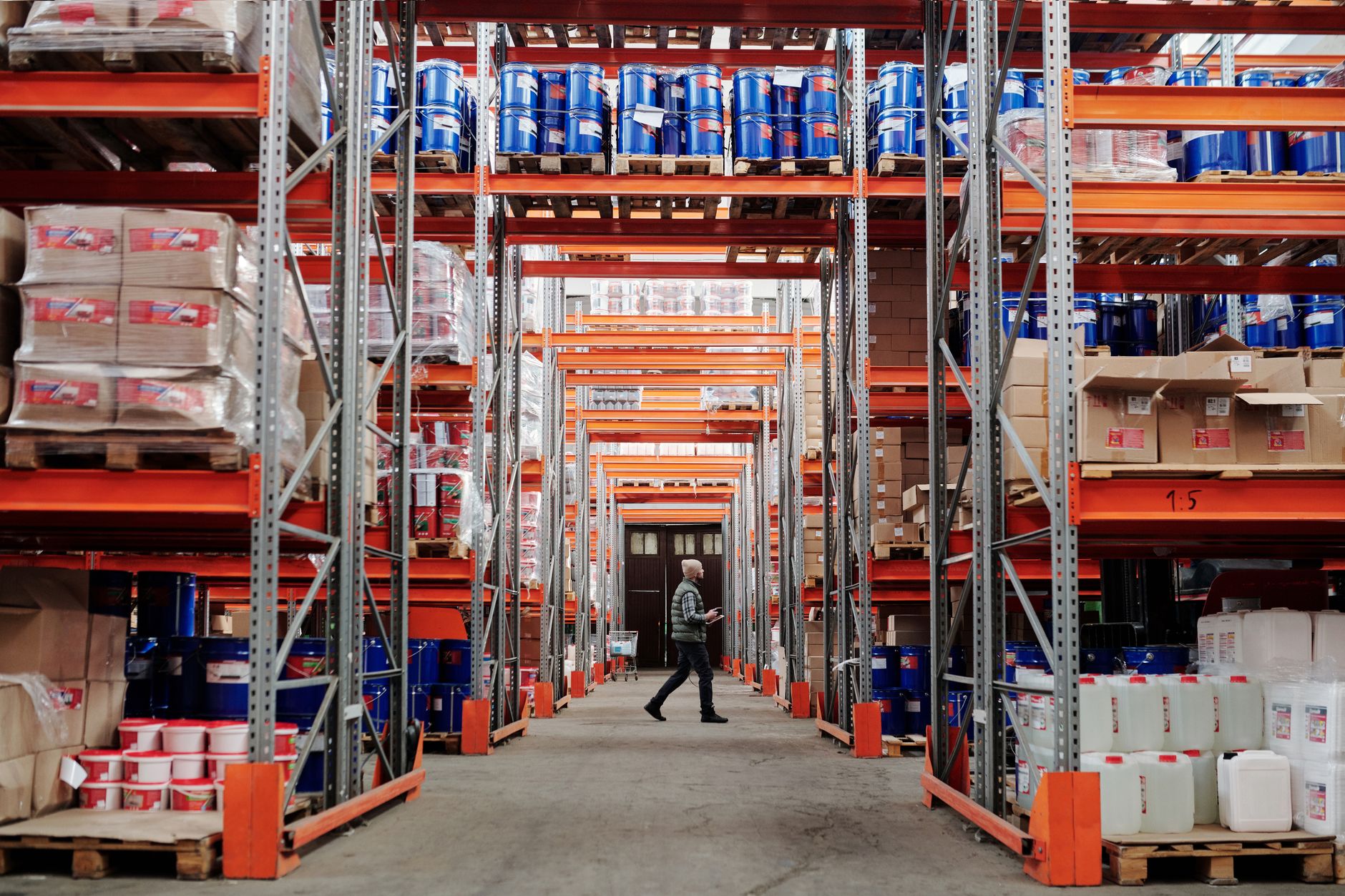
It changes everything. Pallet clutter is not just an obstacle count. It fragments the route. Each fragment forces detours, pauses, retries, or skipped segments, which can turn a strong autonomous floor scrubber rental program into a patchwork of partial coverage. In a club environment, one pallet left just beyond a turn can block not one aisle but the entry geometry for several adjacent lanes.
The problem gets worse because pallet clutter is rarely random. It clusters near fast-moving categories, endcaps under reset, seasonal transitions, and morning prep zones. Those are often the exact places that collect grime first, which means the hardest areas to keep clear are also the ones that most need overnight floor care.
A practical standard is simple. Do not promise 100 percent of the floor. Promise the percentage of floor that can remain obstacle-stable for the full cleaning window. Then measure it nightly. Clubs that hold that discipline usually get far better outcomes from a robot floor cleaner rental or floor scrubber monthly lease than clubs that treat obstructions as an occasional nuisance instead of a scheduling input.
What changes when forklifts share the night?
Forklift overlap is where many club cleaning programs either mature or fail. OSHA states that forklift traffic should be separated from pedestrians where possible, that operators should slow down and sound horns at intersections and obstructed areas, and that permanent aisles and passageways should be kept free from obstructions where mechanical handling equipment is used. Those are safety rules first, but they are also strong design rules for autonomous cleaning.
A night shift autonomous scrubber should not be treated as just another moving asset in the same path network as replenishment equipment. Once forklifts enter the active cleaning footprint, the robot is no longer cleaning a floor. It is negotiating a material-handling system. Tail swing, blind corners, cross-aisle merges, and dock-adjacent congestion all drive stop frequency up and completed coverage down.
The clean answer is zoning by time and geography. Let the robot own the long center runs early, before replenishment gathers pace. Pull it away from dock-connected spines, promotional landing zones, and any aisle family with repeated pallet drops. If forklifts must enter earlier, shorten the autonomous window and protect the highest-yield lanes rather than chasing full-building coverage. Partial dependable coverage beats ambitious interrupted coverage every night of the week.
How should clubs think about early receiving and morning prep?
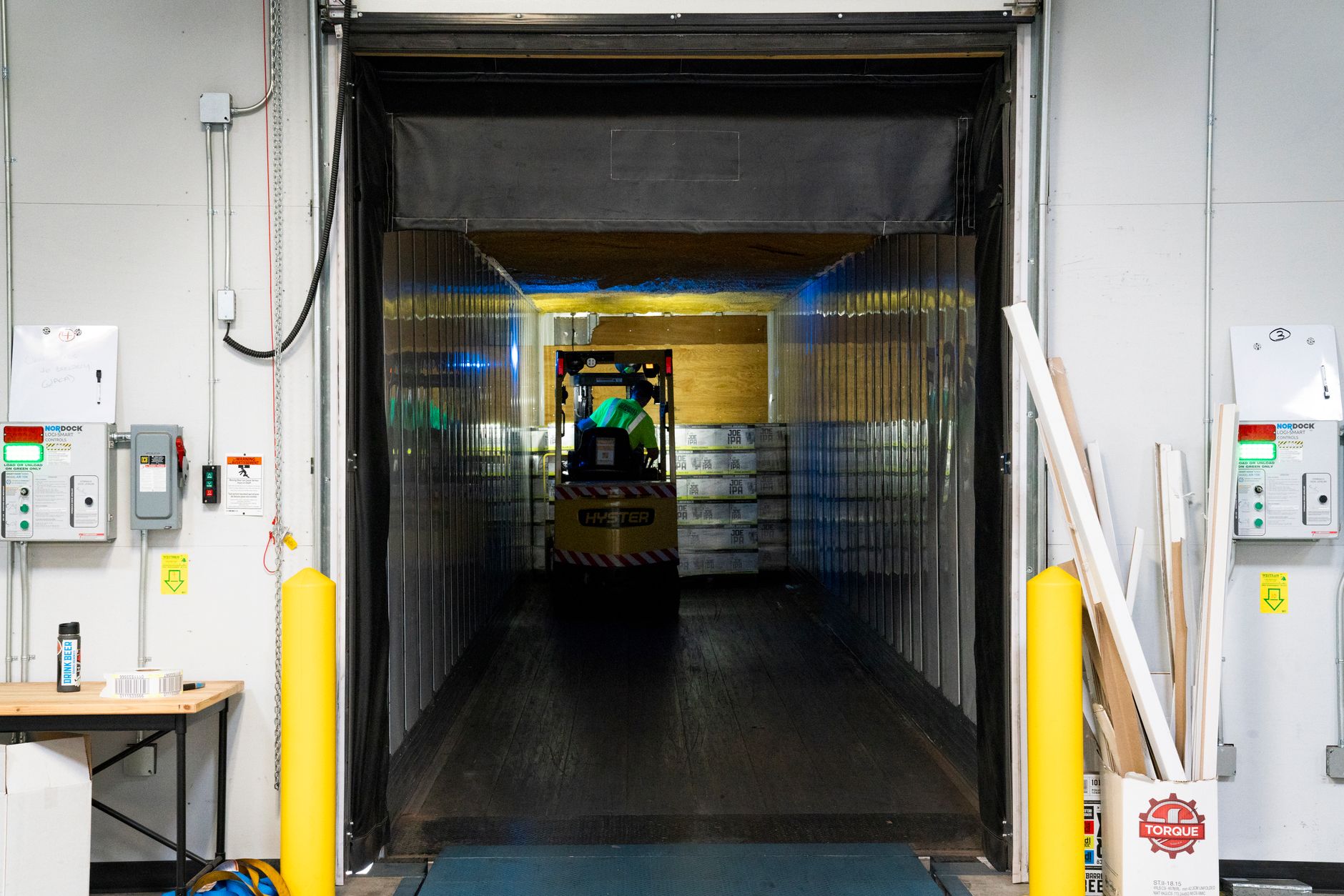
Early receiving compresses the night. Even when the floor looks calm after close, the useful robot window may be narrower than the clock suggests because prep starts before the building feels busy. Costco notes in its annual report that merchandise is generally stored on racks above the sales floor and displayed on pallets containing large quantities. That operating model is efficient for retail, but it also means replenishment activity has a direct effect on whether overnight aisle scrubbing stays uninterrupted.
BJ's offers another useful signal. In its 2025 annual report, the company said digitally enabled sales penetration reached 16 percent and that more than 90 percent of digital orders were fulfilled directly from clubs. For operations teams, that means the store is not just a showroom and a warehouse. It is also a local fulfillment node. Morning readiness has to serve shoppers, pickers, and replenishment all at once.
The practical implication is that the overnight cleaning plan has to finish the most visible member-facing runs before receiving and pick activity spread outward. Clubs should schedule autonomous passes to complete the front raceway, anchor aisles, and other high-impression corridors first, then use remaining time on lower-priority branches. That sequencing is more valuable than a technically elegant route that leaves the morning floor half-finished in the places members notice first.
Which operating model actually works in this format?
The clubs that do this well usually run a hybrid model. The robot handles long, repeatable hard-floor lanes. The janitorial team handles setup, spot intervention, perimeter work, restrooms, entry zones, and the unpredictable mess that retail always produces. That is not a compromise. It is the operating model that respects what autonomy is good at and what human crews still do better.
Labor economics reinforce that point. The U.S. Bureau of Labor Statistics says there were 2,447,700 janitors and building cleaners employed in 2024, with a median hourly wage of 17.27 dollars, and notes that schedules may include evenings, nights, or weekends. Overnight labor still exists, but it is expensive to coordinate, hard to retain, and often spread thin across a building that is too large for detail-only work. A robot helps most when it absorbs the repetitive lane miles and leaves the crew to handle judgment calls.
For club operators evaluating commercial robot rental, robot as a service, or a floor scrubber monthly lease, that means the target is not zero labor. It is better labor allocation. If the robot takes the endless middle and the team takes the exceptions, the store usually gets cleaner floors and fewer skipped tasks before opening.
Where does Service Robot Co. fit in?
Wholesale clubs are a strong case for an OEM-neutral, full-service partner because the hard part is rarely picking a machine off a spec sheet. The hard part is matching the robot to the real overnight pattern, then backing it with training, service, and operating discipline. A vendor-neutral robot integrator can compare what fits the floor, the clutter profile, and the receiving schedule instead of forcing the building into one manufacturer's playbook.
That is where Service Robot Co. has a natural role. For U.S. businesses that want commercial cleaning robot rental, lease rental or sale, monthly payment programs, or no upfront capital, the company handles robot deployment and integration, site assessment mapping, go live support, training, financing, and service through a nationwide engineer network. In a club environment, that one-partner model matters because remote triage, on-site dispatch, maintenance included, and emergency response nationwide are not side issues. They are uptime issues.
The right fleet strategy for a club is usually boring in the best sense. Clear scope, protected cleaning windows, trained associates, and a service plan that keeps small faults from eating the night. One partner, one number, and one accountable operating rhythm go a long way in a store that resets itself before sunrise.
What should a club measure before expanding the program?
Do not expand on vibes. Expand on proof. The first metric is completed autonomous coverage as a share of scheduled coverage, by zone and by night. The second is intervention rate, especially stops caused by pallets, forklifts, and blocked cross-aisles. The third is finish time against the moment morning operations begin to reclaim the floor.
After that, measure whether the program changes labor use in the way you intended. Did the janitorial team spend more time on edges, spills, and detail cleaning. Did opening managers stop inheriting unfinished floor care. Did high-traffic lanes look consistently better at first member entry. Those are the operational signals that tell you the robot is helping the store, not just running in it.
If those numbers hold steady, scale lane families, not whole buildings. Expand from the cleanest repeatable spine outward. Clubs that scale by proven geometry usually get better uptime than clubs that scale by ambition.