Key takeaways
- AMRs ensure the safe, secure, and contamination-free transport of sensitive lab samples, freeing up researchers' time.
- Autonomous cleaning robots provide the consistent, high-level sanitation required for controlled research environments.
- Robots work around the clock, increasing lab productivity and accelerating research timelines.
- A vendor-neutral robotics integrator is key to deploying a mixed fleet of specialized robots successfully.
- The ROI of lab robots extends beyond labor savings to include research integrity, safety, and operational efficiency.
How Are Robots Transforming University Research Labs?
University laboratories are intricate environments where the smallest variable can impact years of research. In these high-stakes settings, Autonomous Mobile Robots (AMRs) and specialized cleaning robots are emerging as critical infrastructure. They address two of the biggest operational challenges: the safe transport of sensitive materials and the strict maintenance of environmental hygiene.
Small AMRs are engineered to navigate the bustling and often crowded corridors of a research facility. They can securely transport everything from cell cultures to chemical compounds between labs, workstations, and even across different floors or buildings. This automation minimizes the risk of human error, spills, or contamination, while freeing highly skilled researchers from mundane logistical tasks. Concurrently, autonomous cleaning robots work to maintain the pristine conditions essential for scientific discovery, executing cleaning protocols with a level of consistency that manual methods struggle to match.
What Makes Material Transport in Labs So Challenging?
The movement of materials within a university lab setting is far from a simple delivery task. Each sample, reagent, or piece of equipment carries immense value, both in terms of cost and its role in ongoing research. A dropped sample or a moment of cross-contamination can jeopardize an entire study, wasting months of work and significant funding.
Furthermore, relying on PhD students and postdoctoral researchers to act as couriers is a profound misuse of their expertise. According to a report highlighted by the National Academies of Sciences, principal investigators can spend a staggering 42% of their time on administrative tasks. While not all of that is transport, every moment spent carrying a tray of samples from one instrument to another is a moment not spent on analysis, discovery, and innovation.
These challenges create a clear need for a transport method that is reliable, secure, and operates independently, allowing scientists to focus on their primary, high-value work.
How AMRs Provide Secure and Efficient Lab Transport
Autonomous Mobile Robots are a direct answer to the logistical hurdles of research labs. Unlike fixed automation like conveyor belts, AMRs use advanced sensors such as LiDAR and 3D cameras to navigate dynamic environments, safely maneuvering around people and equipment without requiring facility modifications. This flexibility is crucial in labs where workflows and instrument layouts frequently change.
These robots can be programmed for complex, multi-step tasks. An AMR can be summoned to pick up a rack of samples, transport it to a specific analysis instrument, and then deliver it to a storage unit, all while maintaining a digital chain of custody. This ensures samples are not just moved, but tracked precisely throughout their journey.
For sensitive materials, this robotic handling minimizes exposure to potential contaminants and reduces the risk of accidents. By automating these repetitive transport tasks, AMRs allow labs to run processes overnight, effectively increasing throughput and accelerating research timelines without direct human oversight.
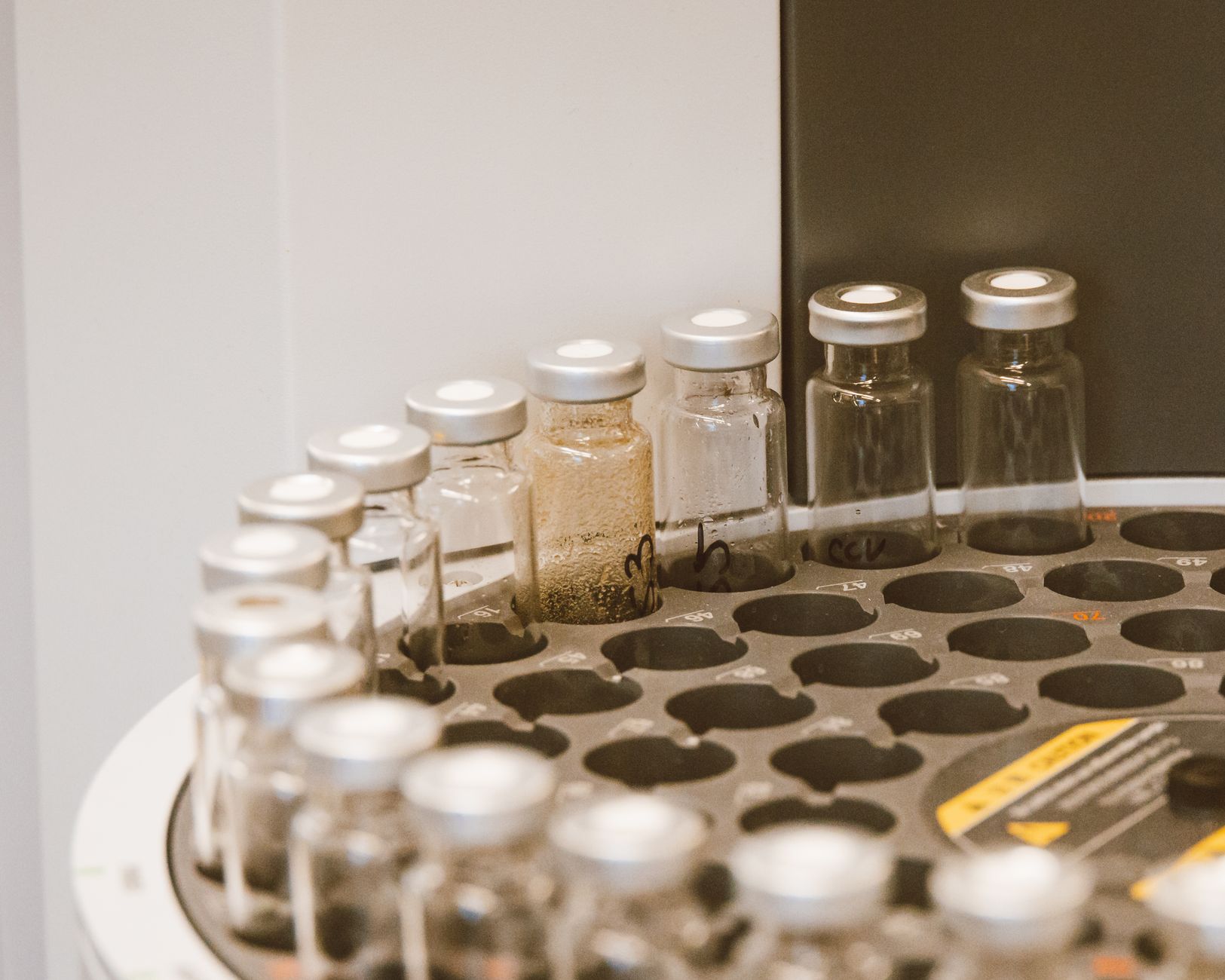
Why is Environmental Hygiene Non-Negotiable in Research?
In many university labs, especially those involved in biotech, pharmaceutical, or materials science, the environment is a critical component of the experiment itself. Contamination from dust, microbes, or chemical residues can alter results, invalidate data, and lead to retractions and financial loss.
The cost of a single contamination event can be exorbitant, halting research for weeks and requiring extensive decontamination and re-validation of protocols. Maintaining cleanroom or near-cleanroom conditions is often a regulatory and scientific necessity. This demands a level of cleaning that is not just thorough, but relentlessly consistent.
Manual cleaning, while essential, can be prone to variability. Human factors like fatigue or slight deviations in procedure can lead to inconsistencies. This is where automated systems provide a significant advantage, ensuring that sanitation protocols are executed to the same high standard every single time.
The Role of Robotic Cleaning in Controlled Environments
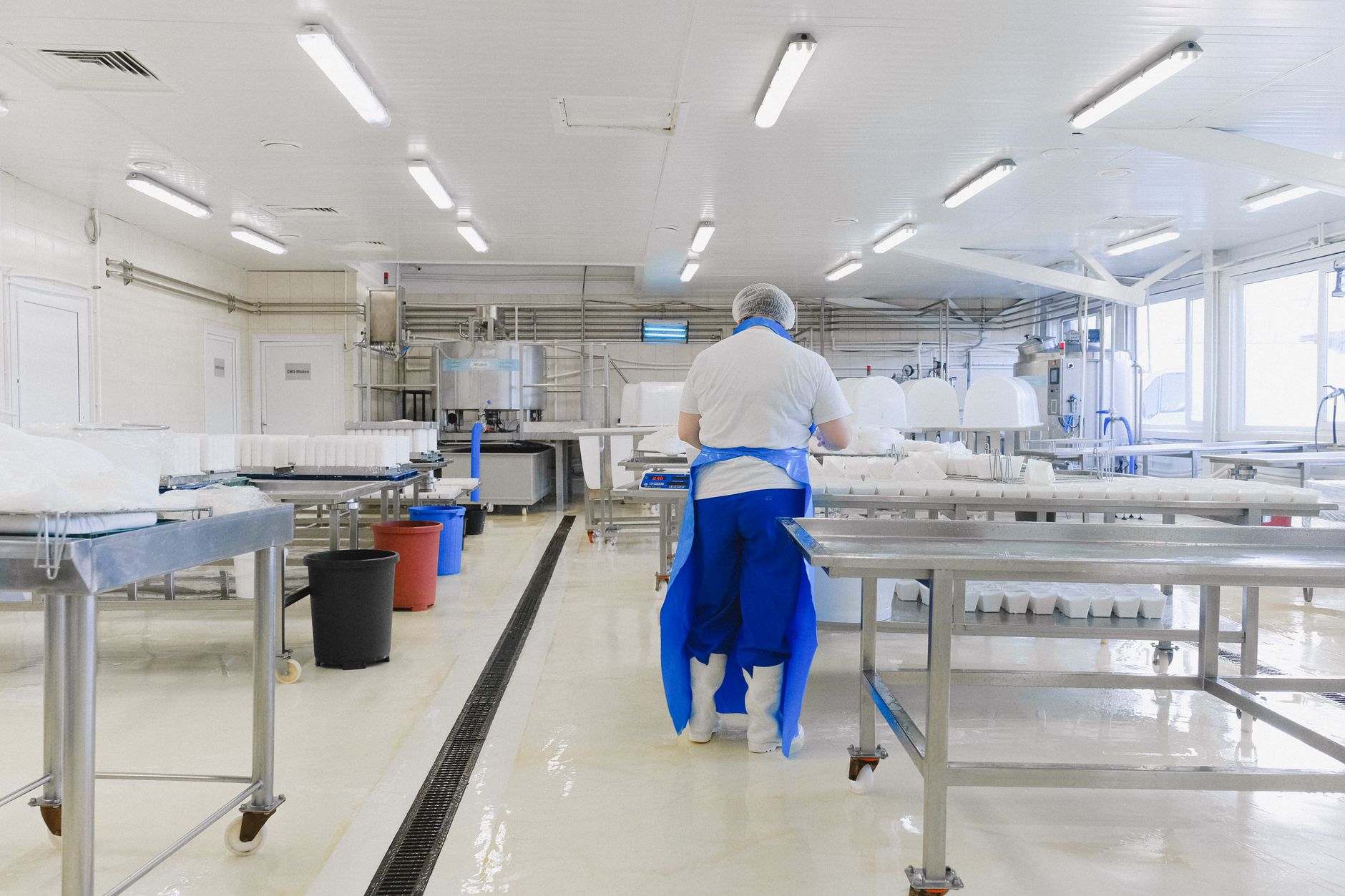
Autonomous cleaning robots, including floor scrubbers and vacuums, are designed to deliver consistent, verifiable cleaning performance. They follow pre-programmed routes and can be scheduled to operate after hours, ensuring that sensitive research areas are cleaned without disrupting daytime operations or introducing human traffic during critical experiments.
These machines use advanced navigation to ensure total floor coverage, reaching areas that might be overlooked in manual cleaning. For labs with specialized requirements, some robotic scrubbers can be equipped with specific cleaning agents or even feature systems that reduce bacterial growth within their own tanks, making them suitable for hygiene-sensitive areas.
The data provided by these robots offers an additional layer of quality control. Facility managers can receive reports confirming which areas were cleaned, when, and for how long, providing a level of documentation that is invaluable for compliance and quality assurance in a research setting.
Integrating a Robotic Fleet: The Role of the Expert Partner
Deploying a fleet of AMRs for transport and scrubbers for cleaning is not a plug-and-play operation. It requires careful planning, site assessment, and integration into the unique workflows of a university research department. This is where a dedicated robotics partner becomes essential.
Service Robot Co. specializes in this exact process. As a vendor-neutral integrator, we are not tied to a single manufacturer. Our process begins by analyzing the specific needs of your labs to select the right robots for the job, whether it's a compact AMR for delicate sample transport or an industrial floor scrubbing robot for a large vivarium.
Our nationwide network of US engineers handles every phase of the project, from initial site mapping and deployment to training your staff and providing ongoing maintenance. This one-partner, one-number approach removes the burden from your facility and research staff, ensuring a smooth transition to an automated support system.
Beyond Labor Savings: Calculating the True ROI
The return on investment for laboratory robots goes far beyond simply offsetting labor costs. The true value lies in risk mitigation and research acceleration.
Think of the cost of a single compromised study. The loss of months of work, expensive reagents, and potential grant funding far outweighs the investment in an automated transport system that protects sample integrity. According to industry analysis, the global lab automation market is projected to grow significantly, reaching as much as USD 8.62 billion by 2031, driven by the need for efficiency and accuracy.
By automating transport and cleaning, researchers can dedicate more of their valuable time to the work they were hired for: discovery. This increase in productivity can shorten research timelines, leading to faster publications, new patents, and an enhanced reputation for the university as a leader in scientific innovation.
How to Acquire and Manage a Specialized Robot Fleet
The complexity and specialized nature of laboratory robots can make outright purchase a daunting proposition. Managing the maintenance, software updates, and potential repairs for a mixed fleet of robots from different manufacturers adds another layer of difficulty.
This is why a Robot as a Service (RaaS) model is often a better fit for academic institutions. Service Robot Co. offers flexible monthly payment programs that eliminate the need for large upfront capital expenditures. Our RaaS subscription includes the robots, deployment, integration, and a comprehensive robot maintenance service plan.
If a unit needs repair, our remote triage and on-site dispatch teams provide emergency response nationwide, often with backup robots available to ensure zero downtime for your critical operations. This turnkey robot deployment model means you get the benefits of automation without the burdens of ownership, all through one trusted partner.