Key takeaways
- Adopting robots for tasks like floor cleaning and meal delivery allows staff to dedicate more time to direct resident care and interaction.
- Recent 2026 analyses show the most successful robot deployments in senior living are in floor care and dining support due to their repeatable nature.
- Automated floor care in common areas ensures consistent cleanliness and safety, reducing the risk of falls for residents.
- Delivery robots in dining services handle the repetitive work of running food and bussing tables, increasing efficiency and staff satisfaction.
- Partnering with a full-service robot integrator simplifies the entire process, from selecting the right robot to deployment, training, and ongoing service.
Giving Staff More Time for What Matters Most
Senior and assisted living communities face a dual challenge: providing exceptional, high-touch care while managing immense operational pressures. Staffing volatility and rising costs strain daily workflows, often pulling caregivers away from residents to handle repetitive but necessary tasks. This is where focused automation is making a significant difference.
Facilities are increasingly adopting robots for practical, task-oriented roles that yield a dual benefit. By automating routine work like floor care and dining room support, communities free up their staff to spend more quality, face-to-face time with residents. Recent 2026 analyses of the sector confirm that the most mature and successful robot deployments are in these areas. They handle repeatable tasks reliably, giving human teams more time for the work that requires empathy, connection, and judgment.
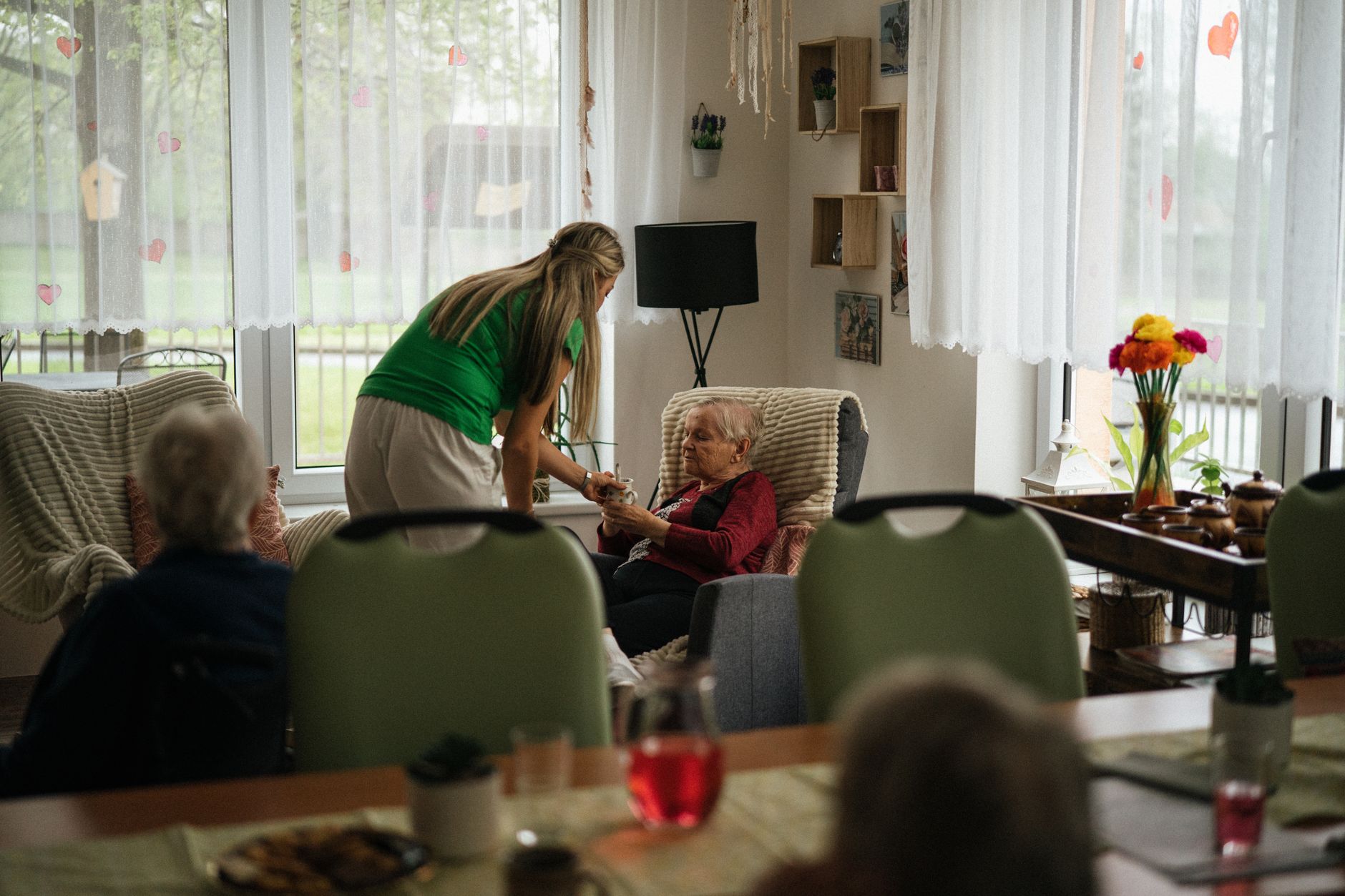
This shift is not about replacing caregivers. It is about augmenting their capacity. When a robot handles the 3-hour floor scrubbing route or the endless trips from the kitchen to the dining room, a staff member is free to sit with a resident, lead an activity, or simply be present. This directly enhances the resident experience while making operations more consistent and predictable.
What Does This Automation Look Like in Practice?
In senior living, the most effective automation addresses persistent operational pain points. Two areas have emerged as clear leaders for robotic adoption: autonomous floor care and dining service delivery.
Automated floor care robots, typically autonomous scrubbers and vacuums, work overnight or during off-peak hours to clean large common areas, corridors, and activity rooms. This ensures a consistent standard of cleanliness and safety, reducing the risk of slips and falls on dirty or wet floors. Staff no longer have to spend hours on this physically demanding work, and detailed reporting from the robots provides clear proof of cleaning completion for compliance purposes.
In the dining room, food service robots act as server assistants. These units transport meals from the kitchen to tables and carry dirty dishes back, a task that consumes a significant amount of staff time and energy. This allows servers to remain on the dining floor, focused on taking orders, accommodating resident needs, and providing a more personal, unhurried service experience.

How Does Robotic Support Impact Staff and Residents?

The primary benefit of task-focused robotics is the reallocation of human time. With persistent labor shortages impacting the senior care industry, retaining skilled staff is critical. Robots can help reduce caregiver burnout by taking over monotonous, physically strenuous jobs.
When staff are less burdened by repetitive transport and cleaning, they can focus on higher-value, resident-facing work. This leads to improved job satisfaction and retention. For residents, the impact is direct and positive. They receive more focused attention from caregivers, leading to better care outcomes and a stronger sense of community.
A pilot study of dining robots found that 51.2% of residents believed the robots allowed servers to spend more quality time with them. Similarly, communities using autonomous floor care report that the consistent cleanliness improves resident satisfaction and provides peace of mind for staff and families alike.
What is the Business Case for Automation in Senior Living?
Beyond the clear benefits to care quality, robots present a strong operational and financial argument. Labor costs account for a significant portion of a senior living facility's operating budget, with a 2026 survey from Ziegler showing it averages 56.2%. Automation introduces predictability into these costs. A robot's operating expense is fixed, whether through a monthly rental or a purchase, insulating budgets from wage inflation and overtime spikes.
Autonomous floor care can reduce the time staff spend on floor cleaning by up to 80%, according to a CleanLink report. In dining services, a single robot can often handle the work of one or more full-time food runners, allowing for more efficient staff allocation during peak meal times.
The return on investment is measured not just in direct labor savings, but also in reduced staff turnover, higher resident satisfaction, and a stronger market position. A clean, modern, and efficient community is more attractive to prospective residents and their families.
How Can a Facility Get Started with Robotics?
Successfully integrating robots into a senior living environment requires more than just buying a machine. It demands a thoughtful approach to deployment, staff training, and ongoing support. This is where a full-service robotics integrator becomes an essential partner.
Service Robot Co. acts as a single point of contact for the entire lifecycle of your automation program. We are OEM-neutral, meaning we select the right robot for your specific needs from across the industry's leading manufacturers, rather than pushing a single brand. Our process begins with a free site assessment to understand your unique operational challenges and map your facility.
We then handle everything that follows: financing with flexible monthly payment programs, on-site deployment that doesn't disrupt your operations, and comprehensive training for your staff. Most importantly, our nationwide network of engineers provides ongoing maintenance and support, ensuring your robots deliver consistent value with minimal downtime. One partner and one number to call means your team can focus on resident care, not managing technology.
What Should Leaders Consider Before Deploying Robots?
A successful robotics program requires a clear operating plan. It is critical to define who on staff will own the day-to-day management of the robots, even if it's just for a few minutes each day. Clear ownership ensures accountability and consistent use.
Leadership should also establish simple metrics to track success. Measuring robot utilization, tasks completed, and staff feedback provides the data needed to demonstrate value and refine the program over time.
Finally, change management is key. Introducing the robots as tools designed to help staff, not replace them, is essential for buy-in. When the team understands that the robot is there to handle the tedious work, allowing them more time for meaningful interactions, adoption is much smoother and more successful.