Key takeaways
- FRED lists Fremont County unemployment at 5.7% for 2024 and 5.3% for 2025.
- Data USA counts about 1,041 manufacturing workers among Fremont County residents in 2024.
- Mapped after-hours scrub routes target entries, aisles, and bays before the next job day.
- Commercial cleaning robot rental with monthly payment programs matches uneven job volume.
- Vendor-neutral deployment covers mapping, training, and nationwide service on one contract.
Why do Rockvale shops struggle to keep concrete clean?
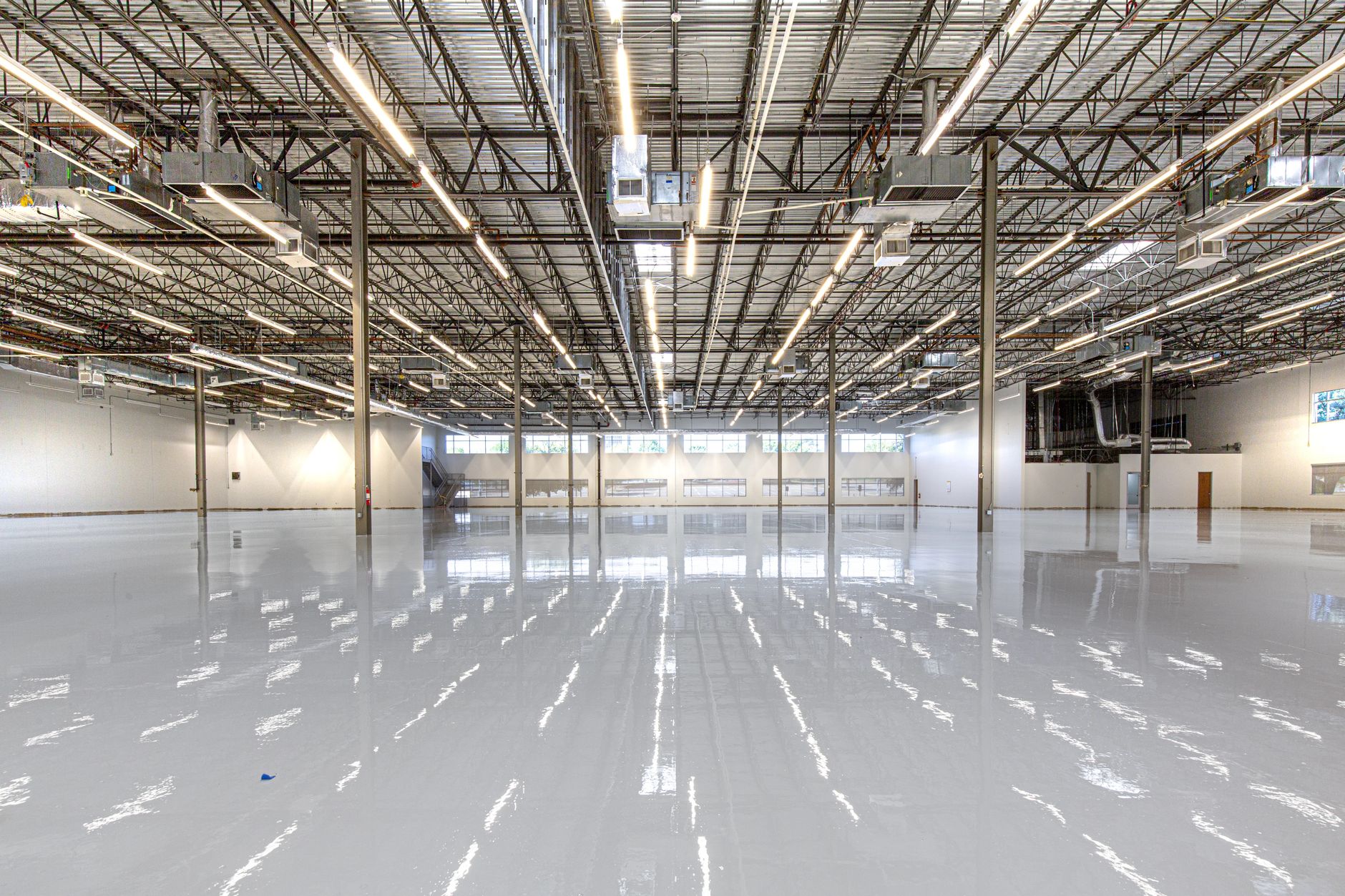
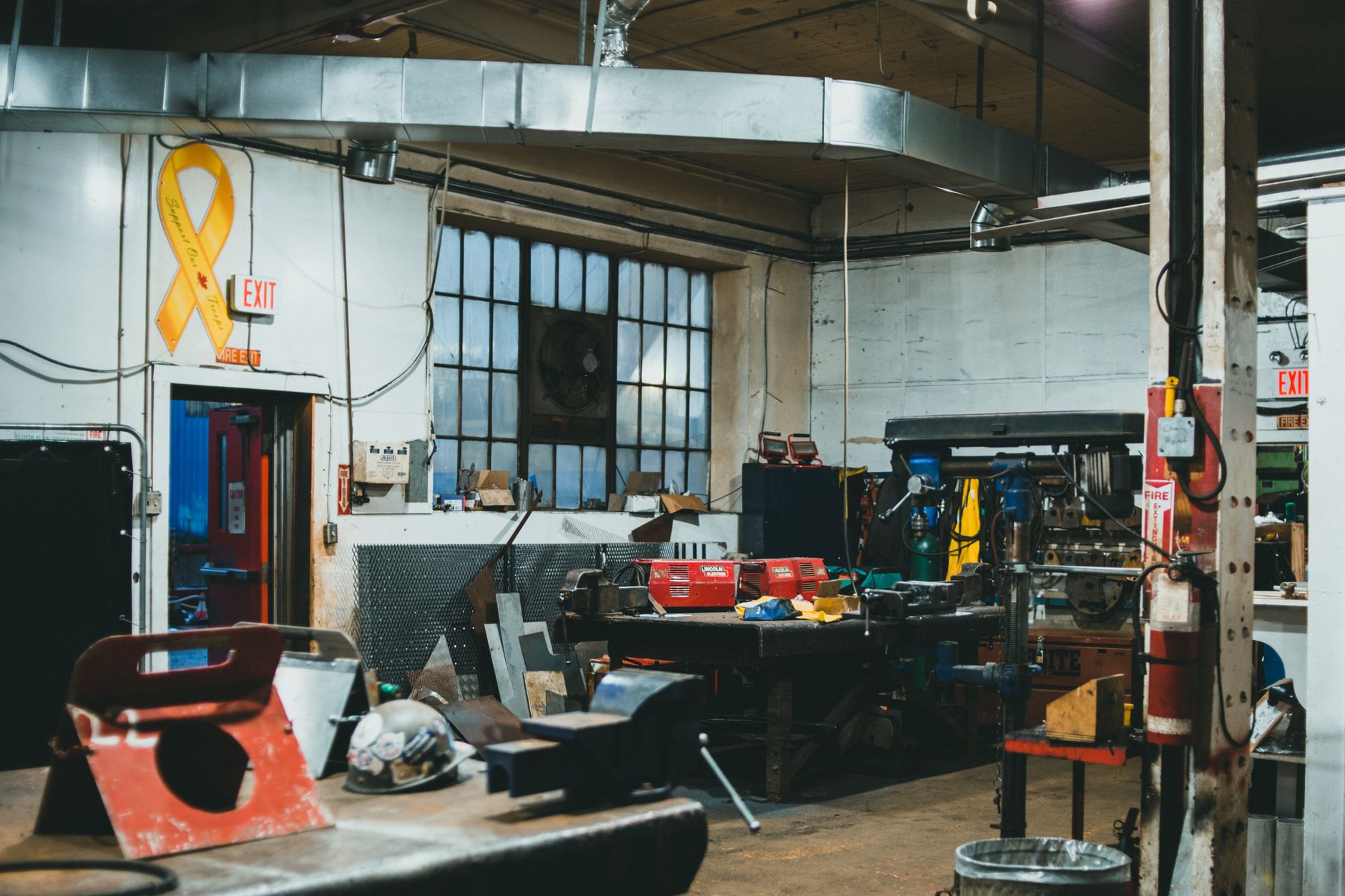
Rockvale sits in a dry Arkansas River valley where wind carries fine dust onto shop floors and US 50 brings tracked-in grit to every entry. Contractors and small manufacturers run lean crews that finish fabrication or service calls during the day, then face the same floor at close.
Mopping helps spills, but it rarely keeps up with daily abrasion on sealed concrete. When Fremont County unemployment ran 5.7% in 2024 per Bureau of Labor Statistics annual data on FRED, finding someone to scrub every night was already competitive with daytime production roles.
Commercial robots in this context mean an autonomous scrubber on a mapped path, not a gimmick tour. The unit owns repeatable passes while your team locks tools, stages material, and heads home.
What gets dirty first in a valley shop or small plant?
Entries and the first twenty feet inside take the worst hit from boots, tires, and pallet jacks. Aisle centers stay cleaner longer, but forklift traffic grinds dust into the finish over time.
Office corridors and customer-facing bays matter for walk-in clients even when the back shop is messy. That split layout is common around Florence and Cañon City, where Rockvale businesses serve both local residents and highway traffic.
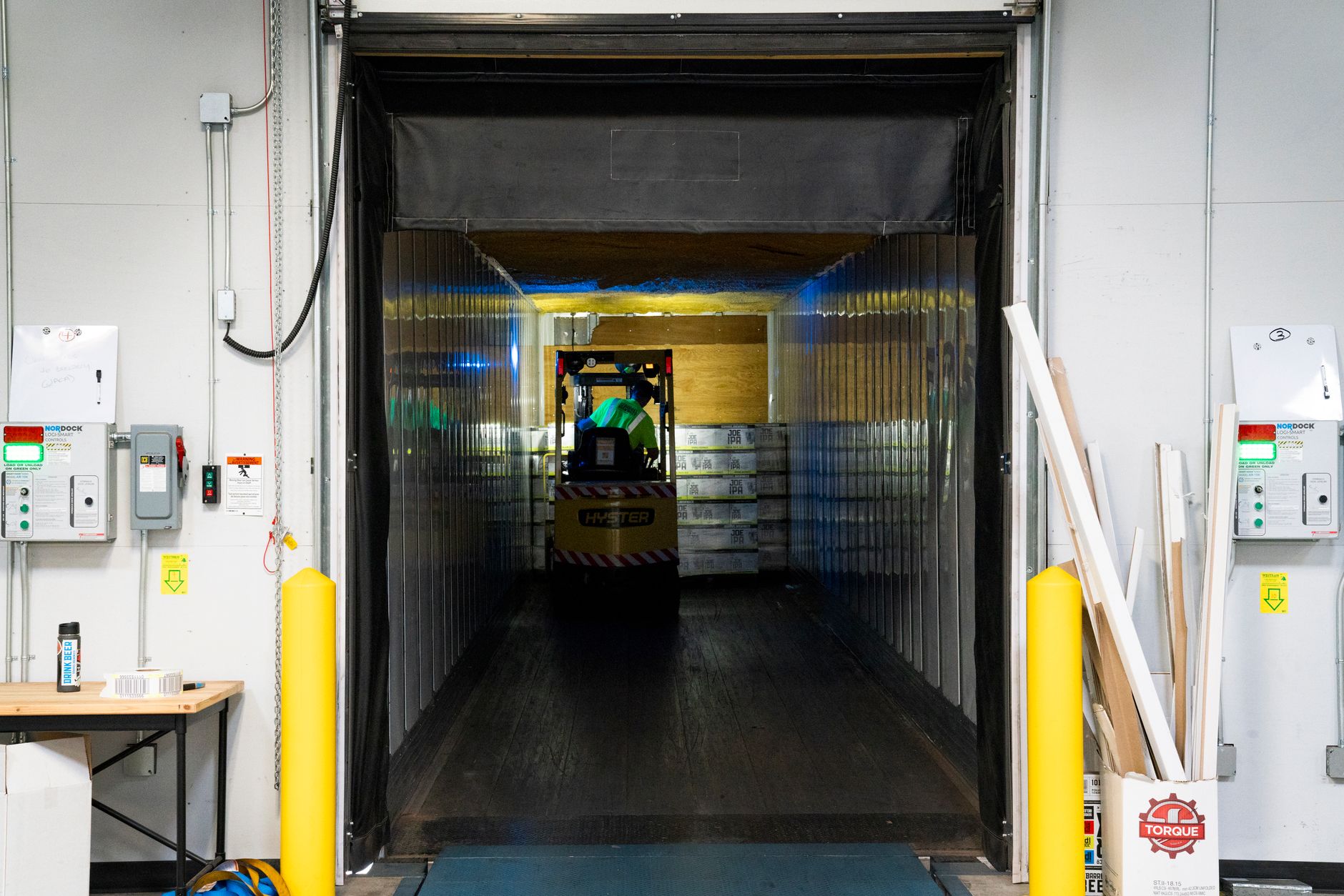
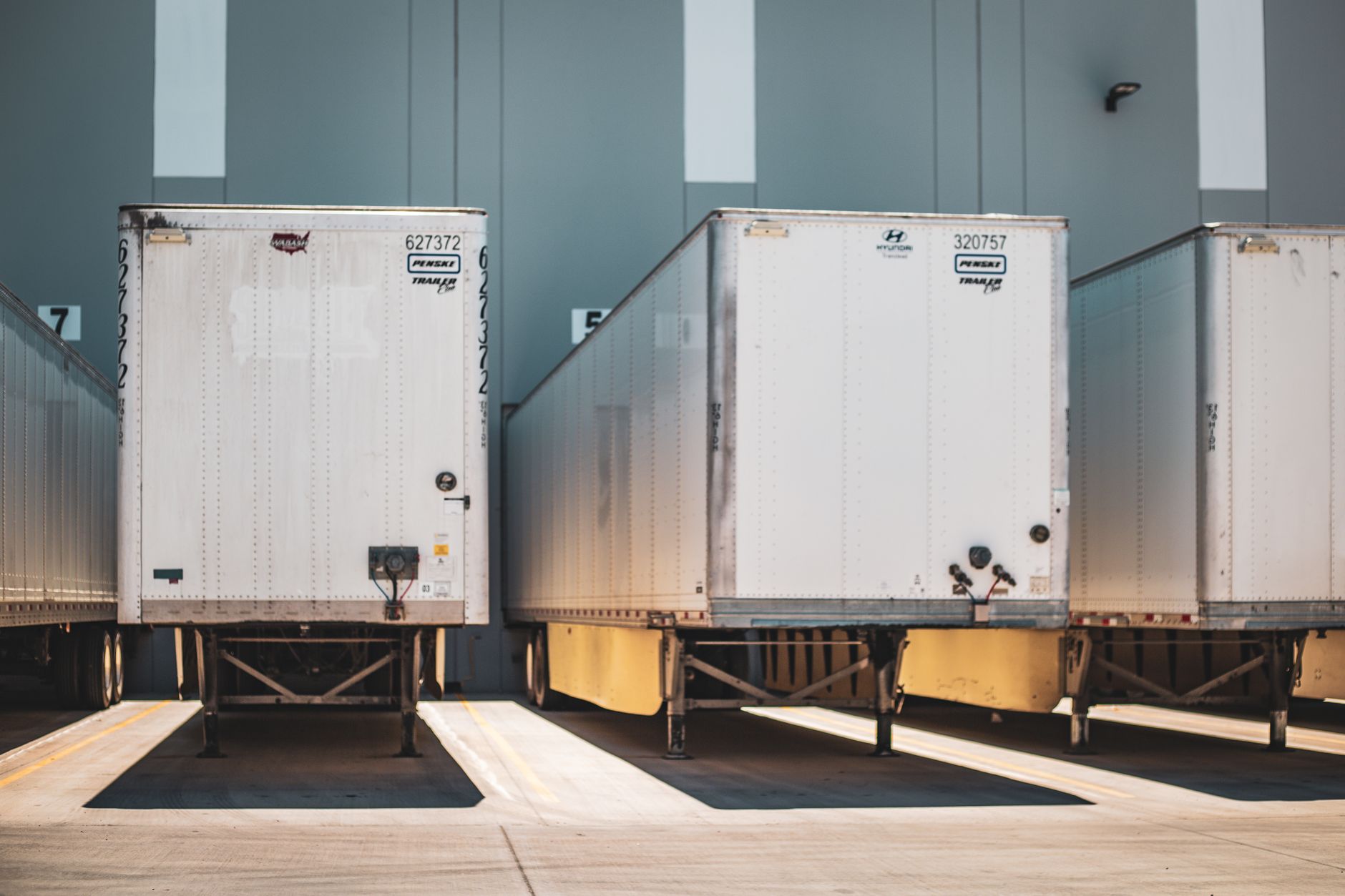
Outdoor yards feed the problem. Gravel lots and loading docks send debris inside every time a door opens. Planning scrub routes without mapping those paths leaves the robot fighting the same pile each night.
How does manufacturing employment shape the hiring math?
Data USA reports roughly 1,041 Fremont County residents employed in manufacturing in 2024, with construction and transportation also ranking high. Those jobs pay better than many entry cleaning roles, so overnight floor care competes for the same workers.
Colorado statewide minimum wage is $14.81 per hour effective January 1, 2025, per the Department of Labor and Employment PAY CALC order. Overtime on a late scrub shift stacks above that base quickly during busy weeks.
A commercial cleaning robot rental converts repetitive scrubbing into a scheduled machine block with maintenance included on many programs. You still need humans for detail work, but you stop losing machinists to mop buckets.
Where should you map a night scrub route?
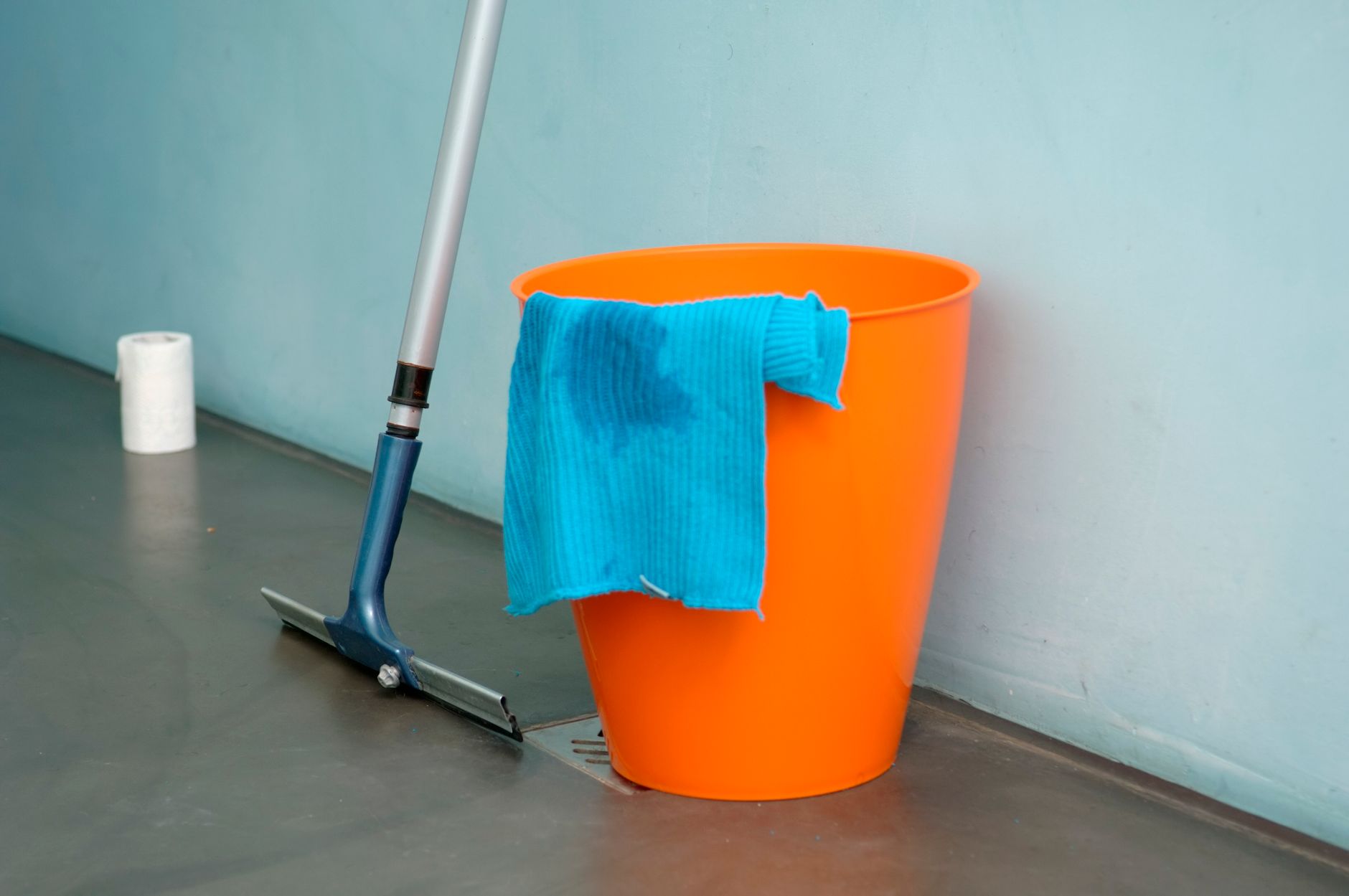
Start at the main entry mat, run through the customer corridor, then cover high-traffic aisles before docking at the charger. Mark forklift crossings so the route avoids blind corners during early-morning starts.
Keep the water pickup aggressive enough for safety but not so wet that concrete stays slick at 5 a.m. A pilot week logs dry time and pad wear before you commit to a full-season lease.
Cord covers and floor signs belong in the same checklist as the robot path. Staff who know the turn points are less likely to leave a cart on the scrub line at close.
- Entry mat through first interior bay
- Main aisle centerlines forklifts use
- Office corridor visible to walk-in clients
- Break area tile if shared with shop traffic
Does monthly rental beat hiring a night porter?
A porter shift flexes with volume but disappears when someone takes a construction job in Cañon City. Month to month lease options let you add runtime during highway-heavy weeks and scale back when job tickets slow.
Service Robot Co. stays vendor neutral, matching pad type and tank size to your floor instead of a single catalog. Financing paths include lease, rental, or purchase with monthly payment programs when cash flow is uneven.
Remote triage and on-site dispatch run through a nationwide network of regional service engineers. One number covers pilot, go-live, and repairs.
What about yards, patrol, and AMR moves?
This article focuses on hard-floor scrubbing, but the same integrator can scope security patrol for equipment yards or AMRs for repetitive tote moves. Those are separate maps with separate safety reviews.
Dusty yards sometimes need a sweeper segment at the door before the scrubber runs inside. Document that sequence during site assessment so night staff know the order.
Phased deployment avoids shutting production for a single big bang install. Run the scrubber on one zone the first week, expand when staff trust the route.
What should owners watch in the first month?
Photograph entry concrete weekly during dry wind season. Visual records show when pad pressure needs adjustment before scratches appear.
Track dry time at the door before the first employee arrives. Valley nights can be cool and slow evaporation if pickup is set wrong.
Compare labor hours logged to floor care against rework complaints. If quality holds and hours drop, the route is doing its job.
When is a pilot worth doing before a lease?
Run a pilot when you have never automated floor care or when a new bay layout just opened. Two weeks of scheduled scrubs prove charger placement and noise levels before you sign a longer term.
Try before you buy programs convert rental time into purchase credit on some plans. Ask during the free site assessment which path fits your tax and cash treatment.
Backup unit coverage matters if you run single-shift production six days a week. Loaner programs keep the floor on schedule when a unit needs shop time.