Key takeaways
- Pudu case materials describe Ryugujo Spa Hotel Mikazuki as a large Kanto hot spring hotel facing rising guest volume.
- Bella handles buffet food delivery and tray collection while CC1 cleans floors in a task that once took about two hours manually.
- Hotel leadership cites CC1 completing the same routine in about twenty minutes, easing pressure on housekeeping.
- The property frames robots as blending traditional Japanese hospitality with technology for guest memories.
- Service Robot Co. can compare OEM-neutral delivery and cleaning robots, finance deployment, and support RoboCare service.
Why did a Japanese spa hotel add service robots?
Ryugujo Spa Hotel Mikazuki is described by Pudu Robotics as one of the largest hot spring hotels in Japan Kanto region. Case copy says growing customer demand raised expectations for operational efficiency and service quality.
Leadership explored how technology could support traditional aesthetics rather than replace them. Bella and CC1 entered service to handle repetitive miles while staff focus on guest interaction.
US resort and spa operators facing similar weekend surges can treat this as a dual-category pilot: food running plus hard-floor care instead of buying one robot to do everything.
What roles do Bella and CC1 play?
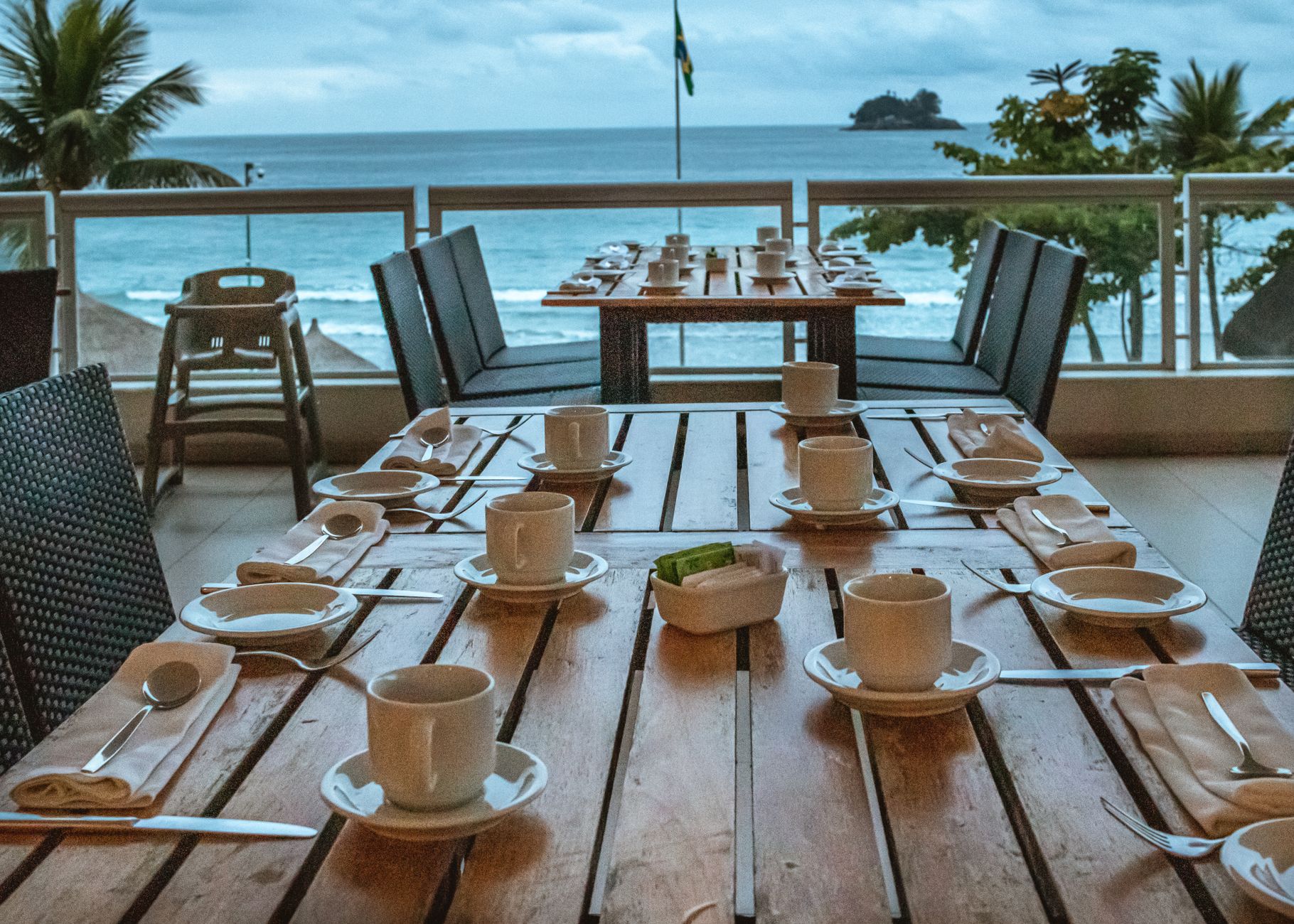
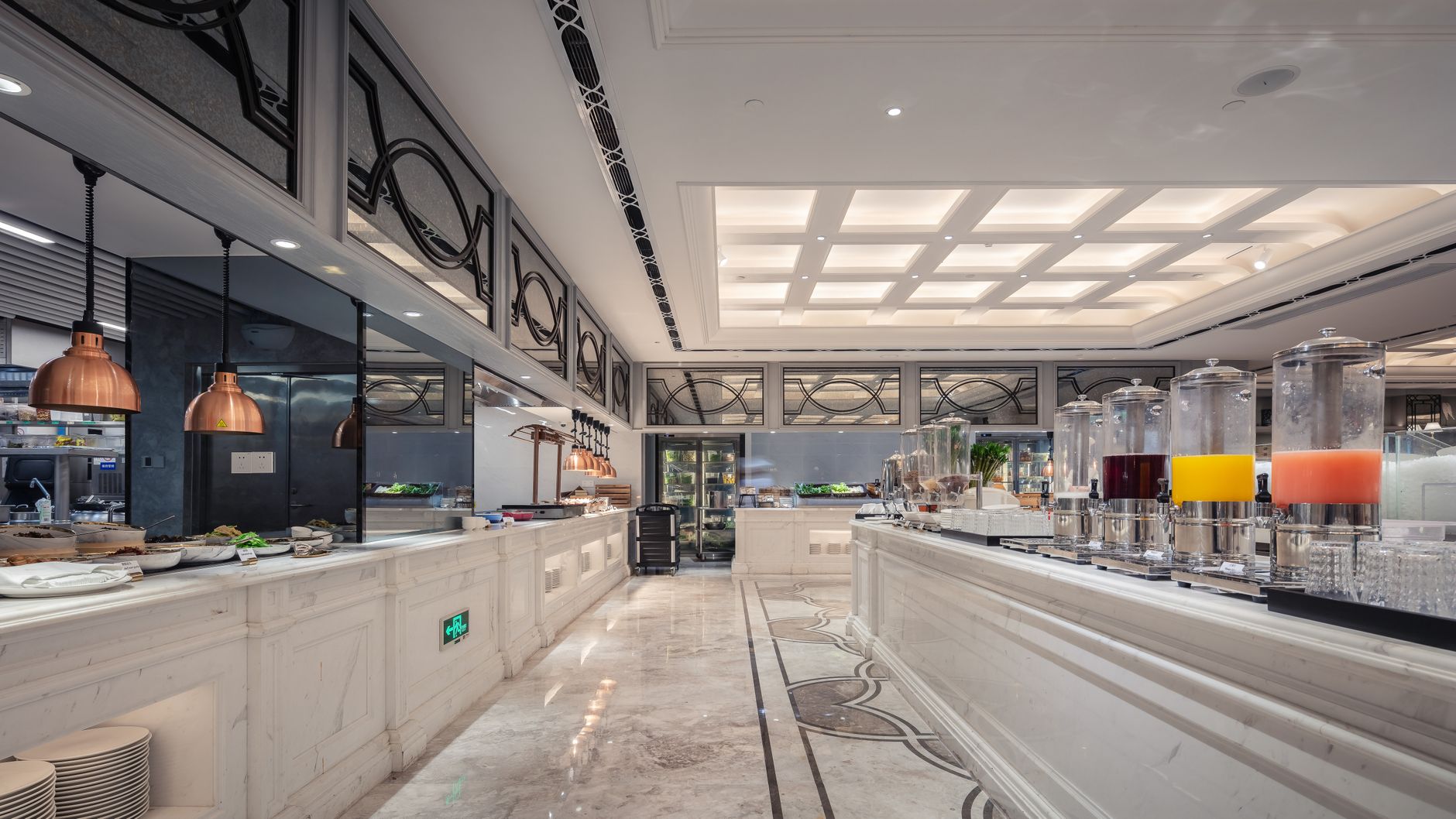
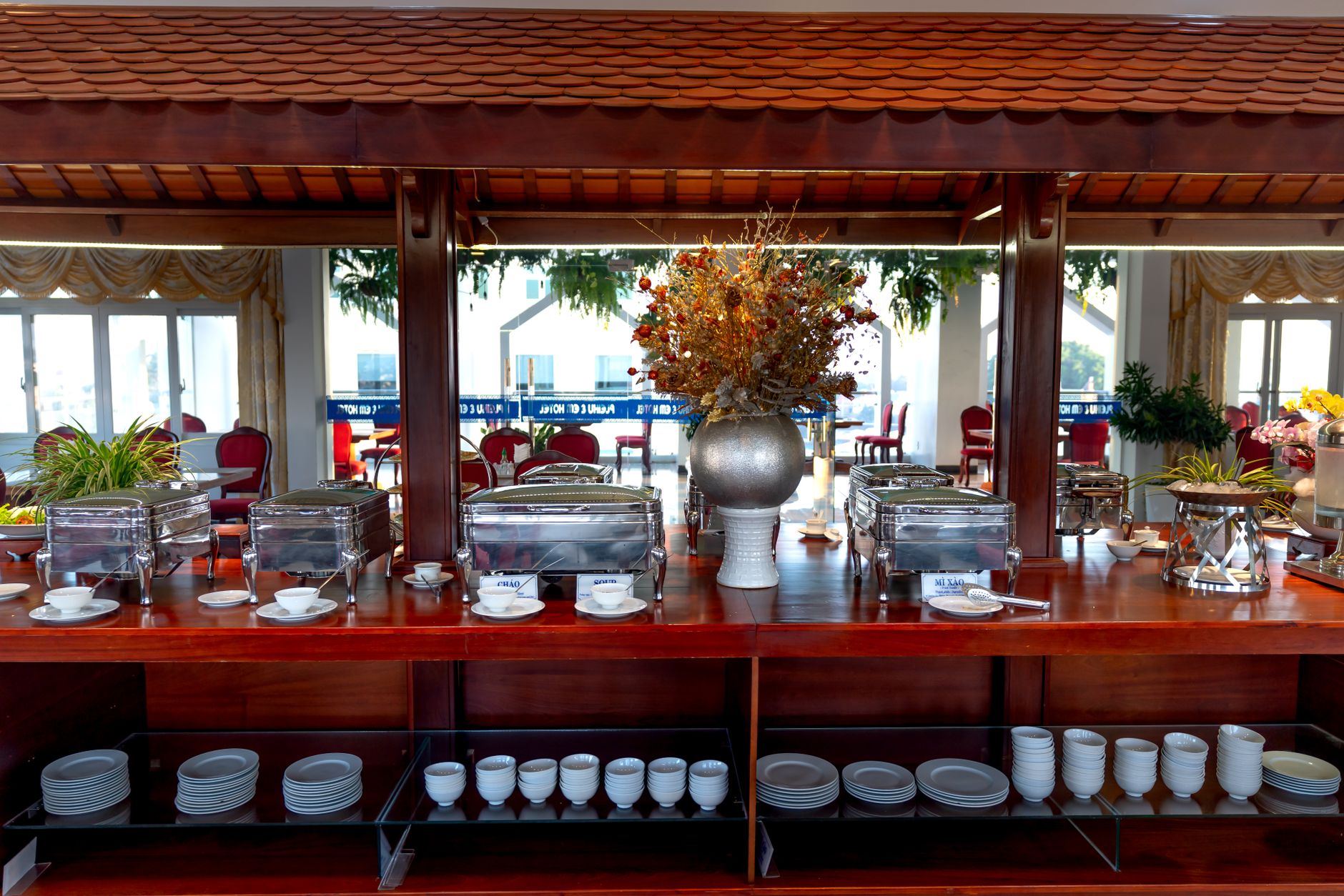
Bella covers food delivery and tray collection in the buffet restaurant according to Pudu materials. That reduces back-and-forth trips during peak seating.
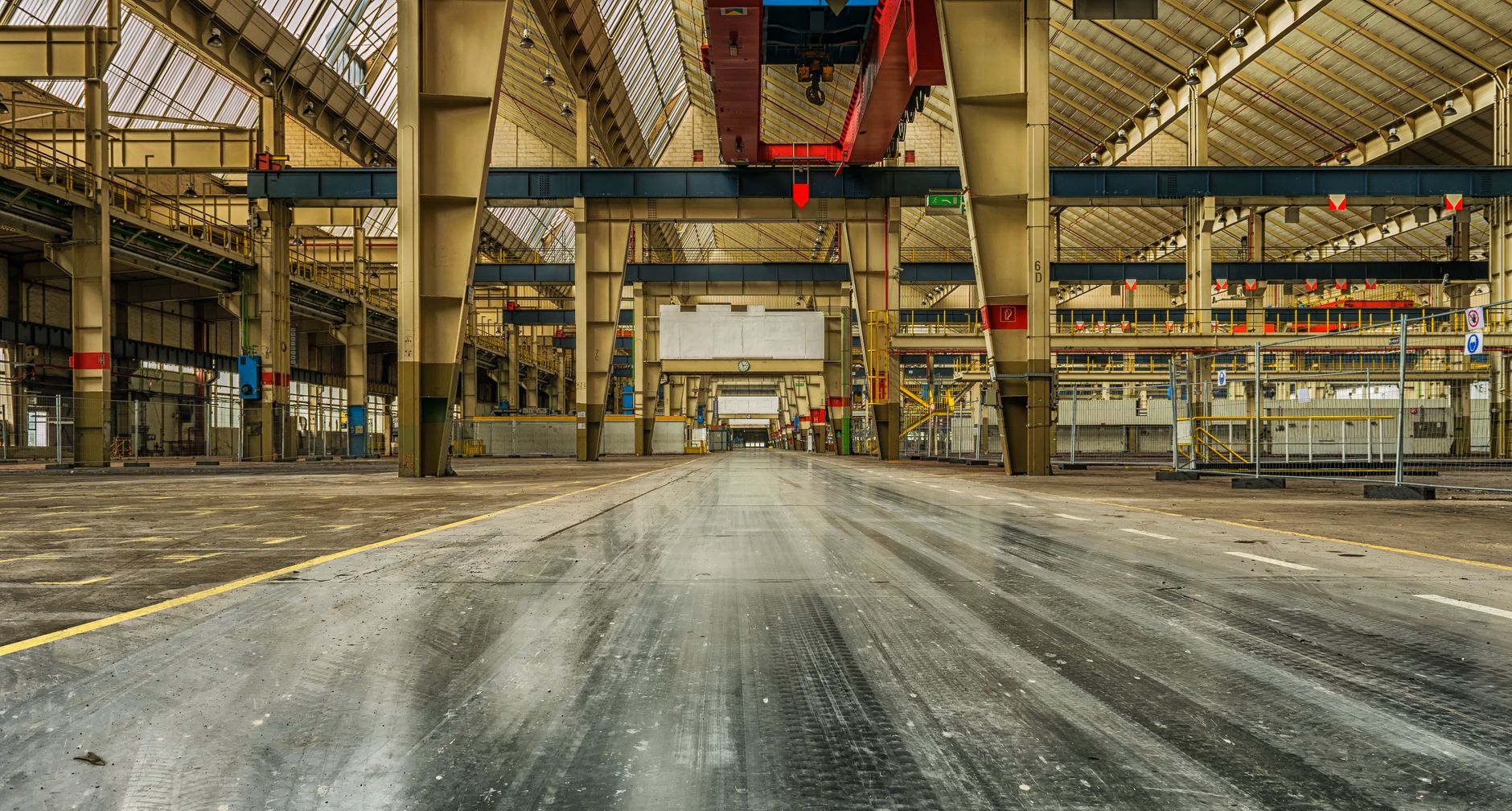
CC1 handles floor cleaning across large hard-surface areas. Case materials contrast about two hours of manual work with about twenty minutes once CC1 runs the routine.
Splitting roles lets each unit stay in its strength zone. Delivery bots should not double as scrubbers on wet buffet floors without a deliberate map and safety review.
How much time did floor cleaning save?
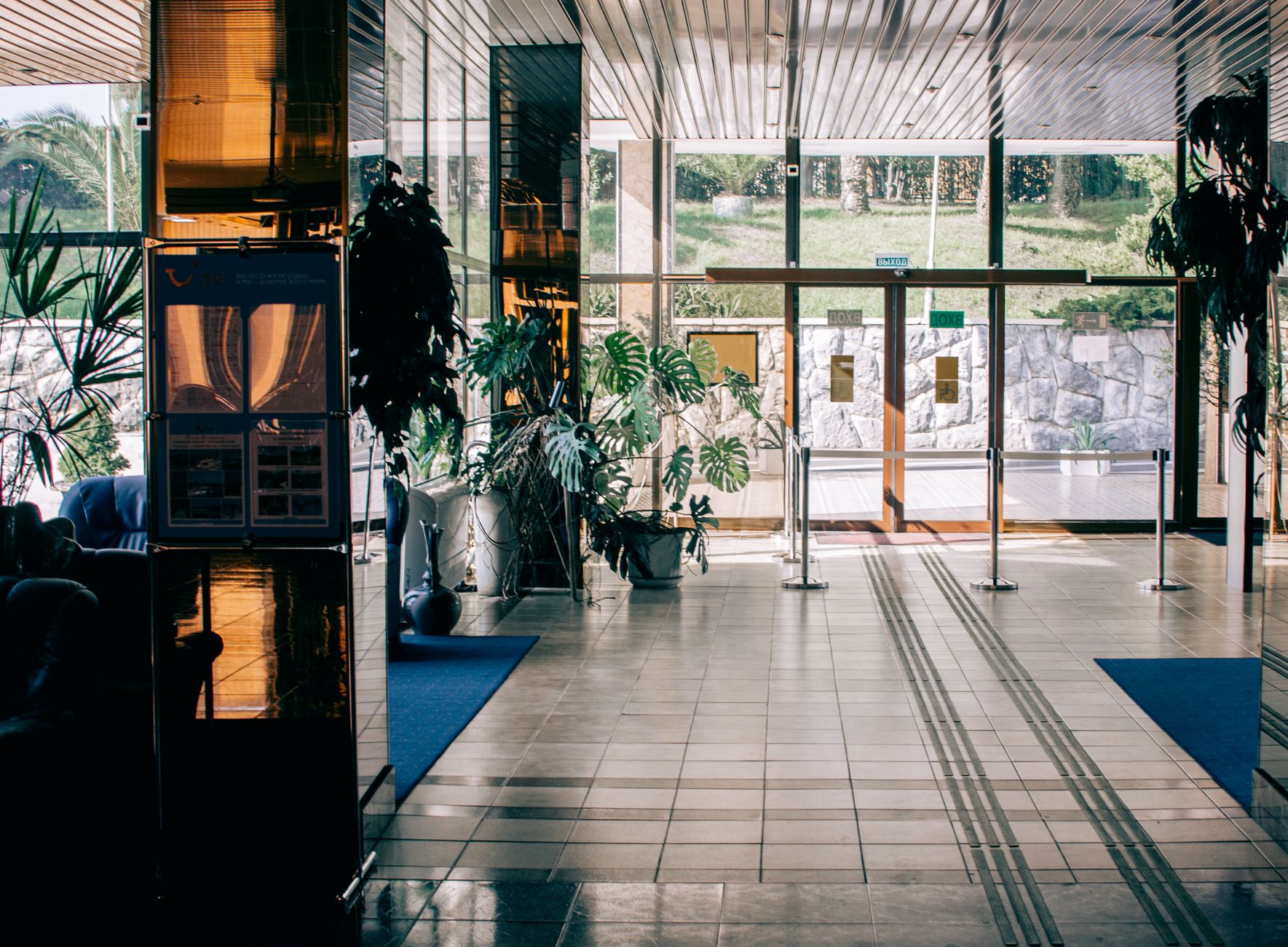
Pudu quotes staff saying CC1 finished work that previously required two hours from human cleaners in about twenty minutes. Treat that as property-reported outcome, not an independent audit.
US operators should time their own zones before and after pilot weeks. Buffet spill patterns and onsen-adjacent humidity may differ from a Florida conference hotel.
Savings should translate into redeployed hours on restrooms, pool decks, and guest requests, not silent understaffing.
How do robots affect employee workload?
Pudu states the hotel can allocate human resources more effectively, easing employee workload and giving teams more time with guests.
Buffet staff who once rushed tray clears can stay visible in the dining room while Bella handles weight and distance.
Change management still matters. Post clear rules for when humans override robot routes during private events or tatami-adjacent spaces.
What guest experience goals did leadership cite?
Case copy emphasizes creating unforgettable memories through technological innovation paired with traditional Japanese style.
Robots should stay secondary to hospitality moments guests travel for, such as spa rituals and personal service.
US properties can borrow the framing: automation supports the brand story when guests see cleaner floors and faster buffet turnover, not when robots block photo spots unannounced.
What should US resort hotels verify before a Bella and CC1 mix?
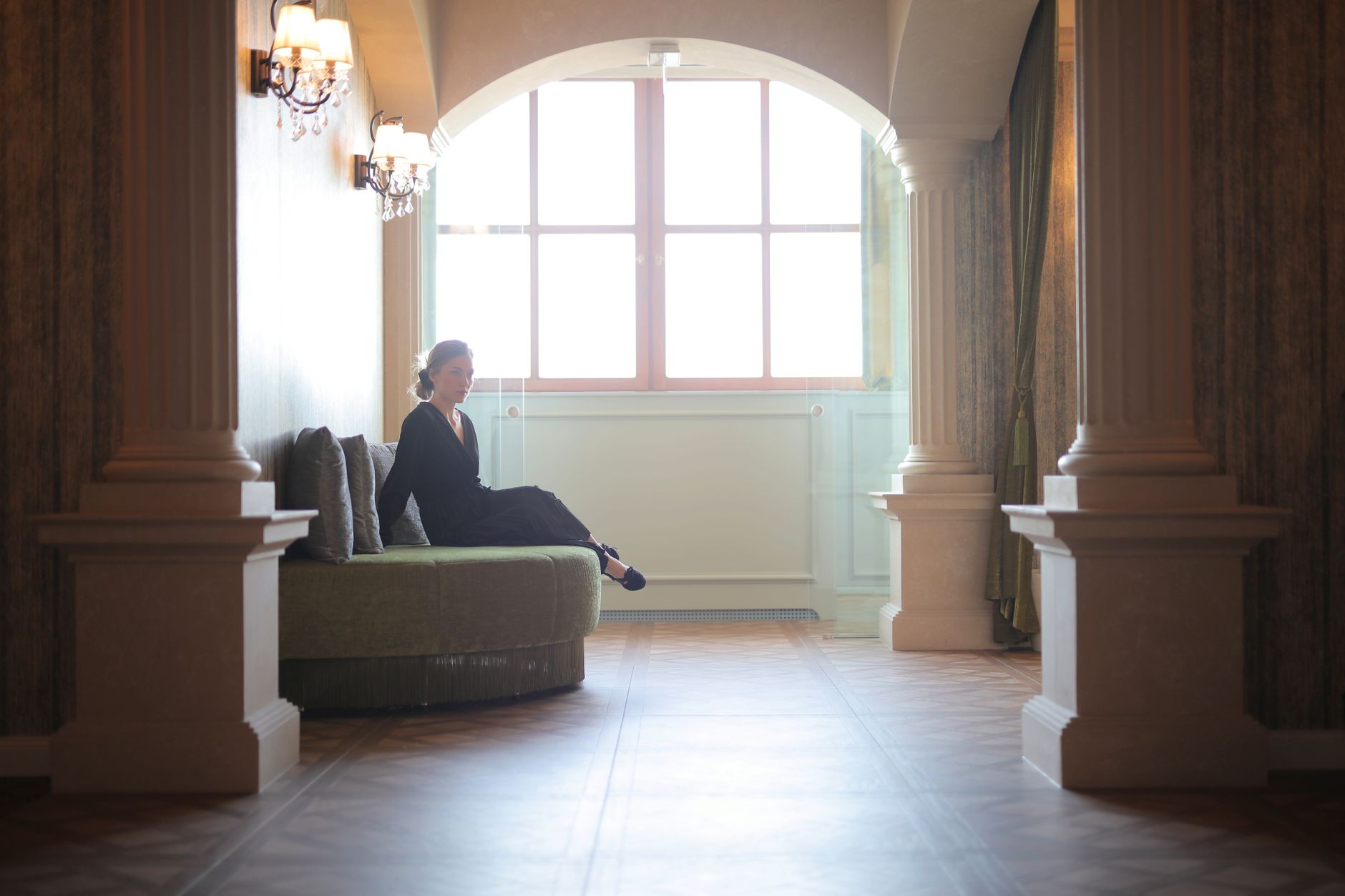
Measure buffet aisle widths, threshold ramps, and outdoor transitions if robots move between patio and indoor seating.
Confirm CC1 detergent use on stone, tile, and any sealed wood adjacent to dining areas.
Plan charging and water logistics so Bella dinner service does not overlap CC1 routes in the same narrow corridor.
Align food safety and housekeeping leads on spill response when both units are active.
- Time manual floor care on your largest hard-surface zone first
- Map Bella routes away from hot buffet lines at peak seating
- Train hosts to answer guest questions about robots in one sentence
- Set nightly CC1 schedule after last buffet service
- Document map edits after furniture moves for weddings or banquets
- Define RoboCare escalation before holiday peak weeks
When does buffet delivery automation make sense?
Bella fits high tray volume environments where staff walk miles per shift. Ryugujo buffet scale matches that profile.
Properties with small dining rooms may see better ROI from one scrubber first, then add delivery when labor data supports it.
Voice prompts and guest novelty can help or distract. Test volume and language with your demographic before peak season.
Where does an OEM-neutral integrator help?
Ryugujo deployed Pudu units in a single-brand stack. US owners often need comparisons across Pudu, other delivery brands, and scrubber lines.
Service Robot Co. selects robots across manufacturers, then lines up lease or purchase, deployment, training, and RoboCare service.
Bring floor plans, buffet schedules, and last year housekeeping overtime to a site assessment before you standardize on two models.
How do you scale after a successful pilot wing?
Start with the buffet and adjacent corridors that generated the two-hour pain point. Expand only when CC1 logs show stable coverage and Bella tray error rates stay low.
Photograph the same floor zones weekly if leadership wants visual proof beside robot reports.
Finance may want one lease schedule per category after the first season proves overtime dropped.
What is the takeaway for US operators?
Ryugujo shows a large hospitality footprint can pair runner and scrubber robots without abandoning tradition-forward branding.
The operational headline is time returned on floors plus tray miles, not robot novelty alone.
Service Robot Co. can help US resorts evaluate, finance, and service mixed fleets under one RoboCare plan when you are ready to test a similar split.