Key takeaways
- Saint-Gobain piloted Neo at its Amherst, New York boron nitride plant in November 2019 after an on-site demonstration.
- Engineering Manager Jeff Williams cited lubricious powder that created slippery walkways and pulled skilled technicians from production.
- Avidbots case materials estimate roughly 24 month payback using about two hours of daily technician time valued near $80 per day.
- Command Center metrics reported about 1.5 million square feet cleaned across 234 plans in the cited ROI example.
- Service Robot Co. can finance and service OEM-neutral scrubbers for US advanced materials plants under RoboCare.
Why did a boron nitride plant automate floor scrubbing?
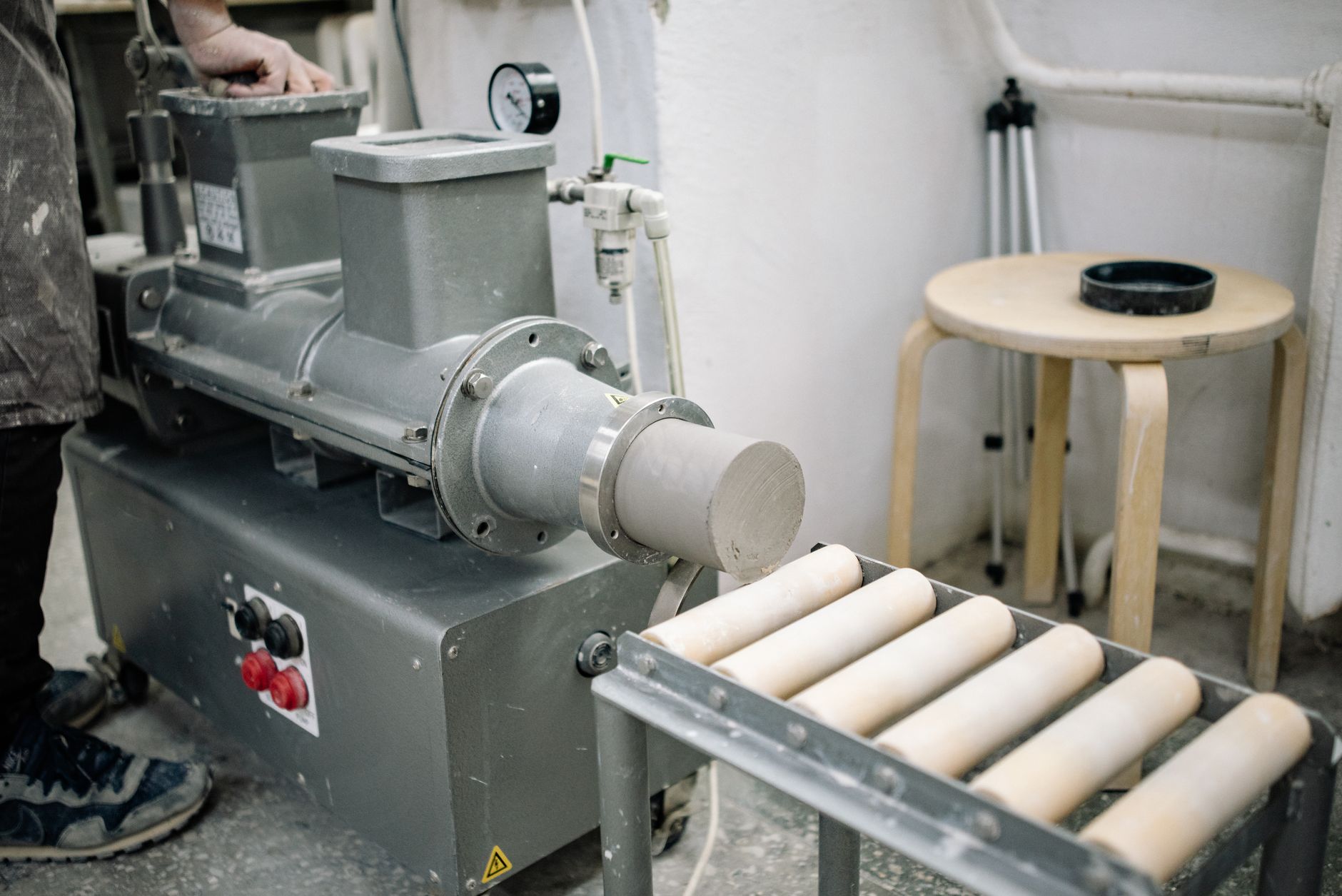
Saint-Gobain operates a boron nitride ceramics plant in Amherst, New York that supplies high-performance materials for industrial and consumer applications. Avidbots customer materials describe powdered coatings and slick surfaces that form during manufacturing.
Those conditions created slip and fall risk and raised concerns about loose powder in the air. Leadership pulled skilled technicians off production for up to two hours daily to keep walkways safe.
Custodial contractors were not viable because chemicals and moving equipment made the floor dangerous for outsiders. The plant needed automation that production staff could trust beside forklifts and changing layouts.
Saint-Gobain's NOVA innovation group already scouts startups and digital tools, so autonomous scrubbing fit a broader automation culture rather than a one-off experiment.
Boron nitride applications span electronics heat management and industrial ceramics, so downtime on skilled technicians hits revenue quickly.
What made prior cleaning options fail?
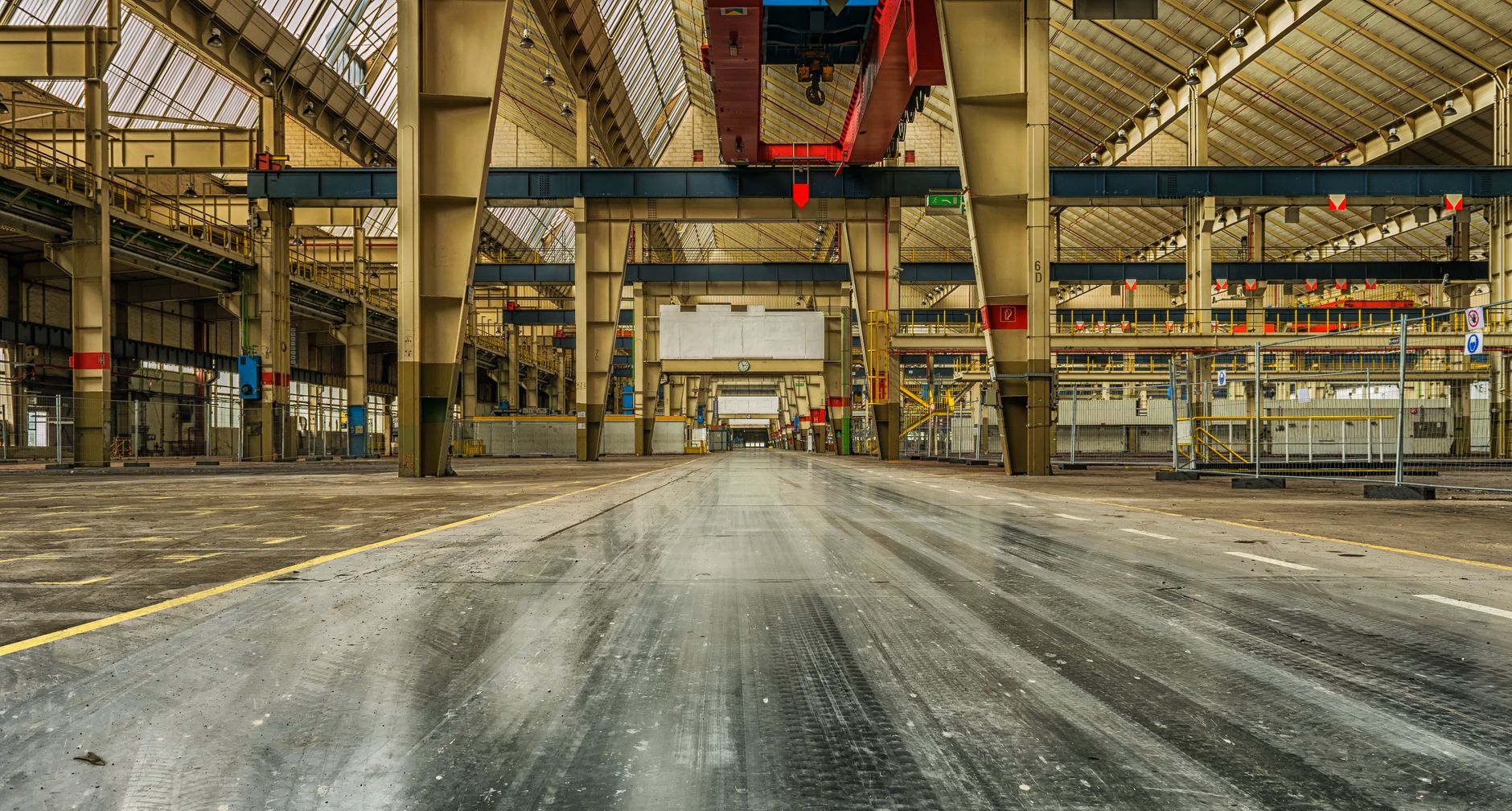
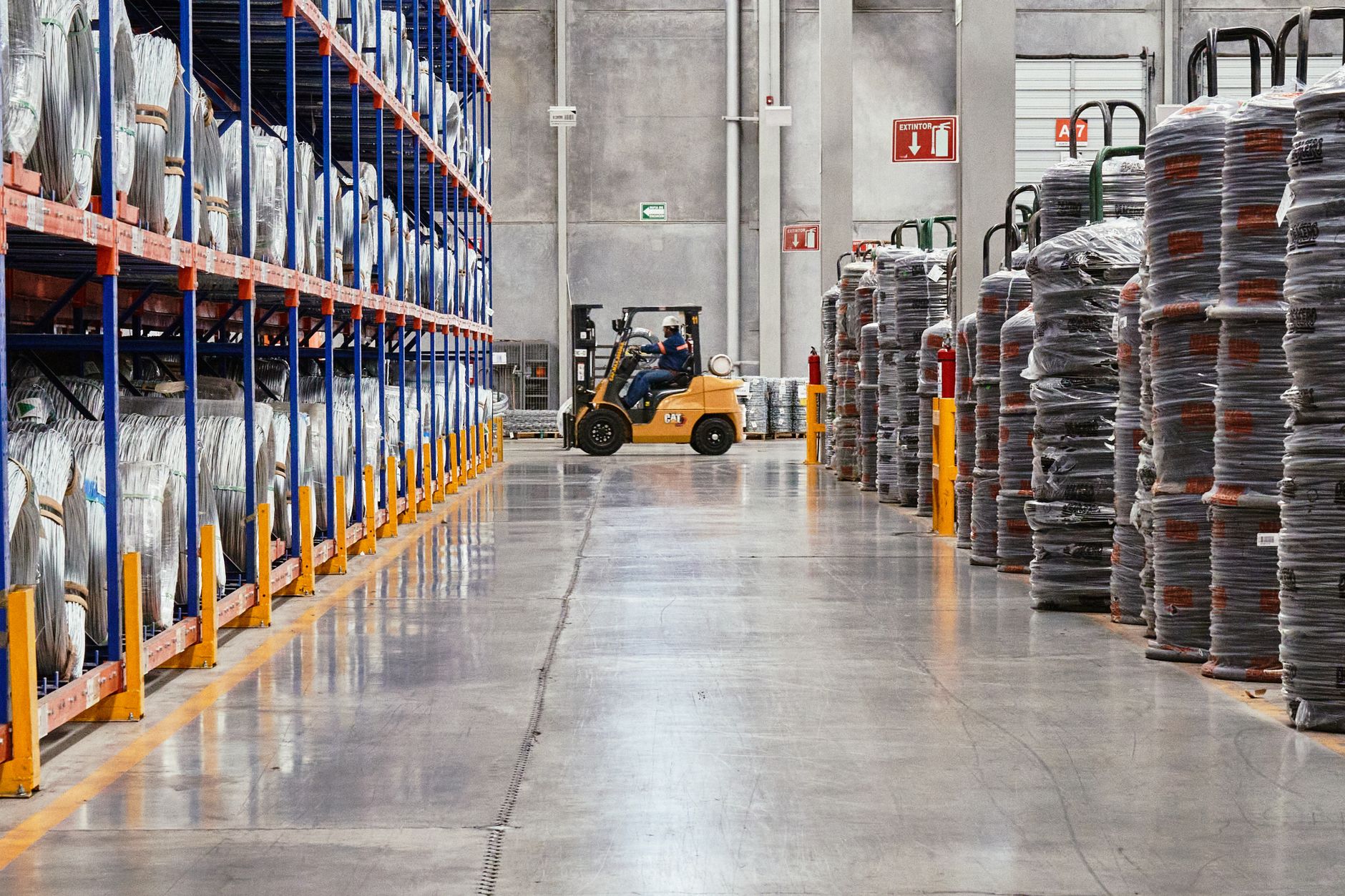
The Amherst floor is high traffic with people and forklifts always moving. Raw material arrivals and finished goods staging change aisle widths without warning.
Avidbots notes the plant explored several cleaning options before Neo could prove dynamic path planning in that environment. Static routes that stop for every pallet shift rarely survive a month in ceramics production.
On-site demonstration runs let engineering validate brushes and recovery on lubricious powder before purchase. Jeff Williams told Avidbots the demo proved technology in their industrial setting.
US plants should demand the same proof with their dust chemistry, not a trade-show floor sample.
How does Neo handle forklifts and layout changes?
Neo uses Avidbots AI Platform sensors for dynamic planning and obstacle avoidance without reteaching after every minor layout shift. Cloud software updates aim to improve efficiency over time.
Large obstacles can force significant route deviations while the robot still completes the assigned plan. That behavior matters when forklifts stage boron nitride drums mid-aisle.
Map slow zones at pedestrian crossings and forklift swing paths before the first autonomous night shift.
Document who approves map edits when NOVA pilots move equipment for new product trials.
Powder plants should treat scrubber water disposal like any other industrial wastewater decision, not an afterthought.
Train forklift drivers on scrubber schedules the same way you brief them on overhead crane moves.
NOVA pilots may add temporary barriers; update no-go zones the same day equipment moves.
What did leadership say after deployment?
Williams stated Neo eliminates a non-value-added task from the production team while improving safety on lubricious walkways. He praised Avidbots customer service responsiveness after go-live.
Facilities managers told Avidbots they saw productivity gains and stronger internal accountability for workplace health through Command Center metrics.
Share monthly coverage exports with safety committees when powder spills trigger near-miss reports.
Pair scrubber logs with production downtime records to show hours returned to value-added work.
How does Avidbots frame ROI for this plant type?
Avidbots publishes an illustrative ROI model for industrial manufacturing using about $40 per hour burdened technician cost and two hours of daily cleaning, roughly $80 per day.
Annualized across three daily shifts, the case study cites about $30,000 in cleaning labor reallocation cost before automation.
The same materials estimate payback within about 24 months and cite roughly 1.5 million square feet cleaned across 234 plans in their example metrics. Avidbots notes ROI varies by facility and labels figures as estimates.
Finance teams should replace illustrative numbers with your actual burdened rates and shift count before capital approval.
The cited 204 hours and 234 plans in Avidbots ROI footnotes represent logged cleans inside the facility, not total building square footage.
What role does Command Center play on the plant floor?

Command Center gives managers web-based visibility into plan execution, coverage, and productivity. Saint-Gobain uses those metrics to ensure Neo runs to its potential rather than sitting idle after shift change.
Accountability shifts from anecdotal floor walks to logged cleans with timestamps and obstacle notes.
Set alerts when a plan fails so powder accumulation does not wait for Monday safety rounds.
Compare water use summer versus winter when humidity changes dry times on sealed concrete.
When should advanced materials plants copy this playbook?
Confirm powder is classified correctly for your scrubber recovery path and detergent compatibility with floor coatings.
Run fiber and fines tests before signing lease paperwork on lubricious or graphite-like dust.
Align EHS on autonomous routes near chemical totes and compressed gas storage.
Budget remap time when NOVA rearranges lines for new boron nitride grades.
Photograph walkway friction after week one for incident investigation baselines.
Pilot thirty days and track slip incidents, technician hours returned, and near-miss counts against manual sweeps.
Set a ninety day scorecard: coverage percent, technician hours returned, obstacle stops, and EHS walk findings.
How does an OEM-neutral integrator help multi-plant ceramics networks?
Saint-Gobain standardized on Neo at Amherst after a successful pilot. Other US ceramics or powder metals sites may want competitive scrubber bids before repeating one vendor nationally.
Service Robot Co. compares industrial autonomous scrubbers, arranges buy or lease financing, deploys maps, trains staff, and services units through RoboCare with regional engineers.
Keep plant managers on one fleet reporting vocabulary even if Pittsburgh and Phoenix choose different hardware.
Finance may prefer one lease schedule when Amherst proves twenty-four month illustrative payback before rolling to a second site.