Key takeaways
- Car dealerships are prime targets for after-hours theft and vandalism due to their valuable, exposed inventory.
- Autonomous security robots offer 24/7 patrol coverage without breaks, fatigue, or the high cost of human guards.
- Robots equipped with thermal cameras can detect intruders in complete darkness, through fog, and behind visual obstructions.
- Two-way audio allows robots to challenge intruders in real time, acting as an immediate deterrent.
- A single remote operator can supervise a fleet of multiple robots, dramatically improving security efficiency and cost-effectiveness.
The Overnight Vulnerability of an Open Car Lot
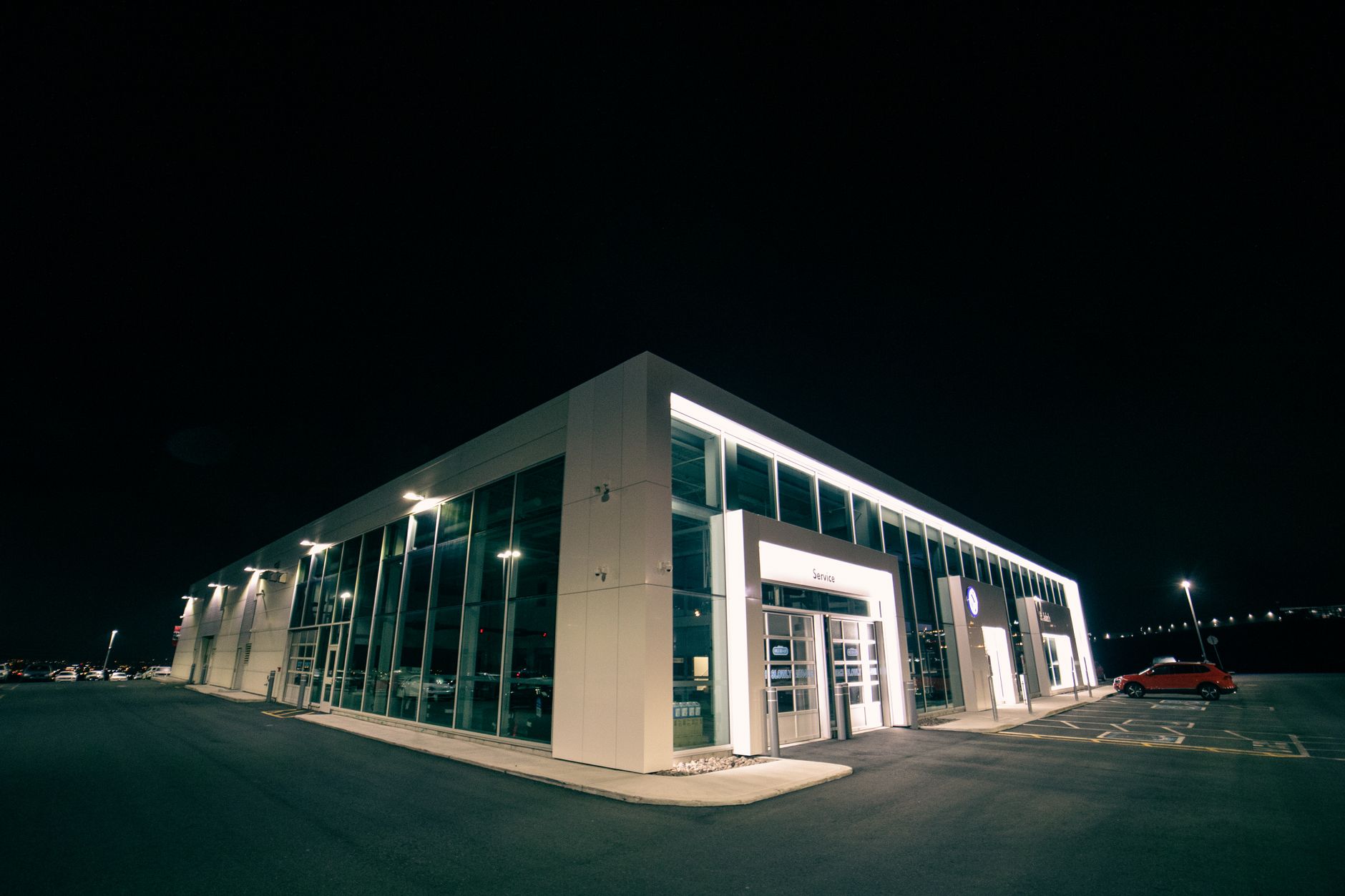
Car dealerships face a unique and persistent security challenge. After the sales team goes home and the lights dim, millions of dollars in inventory sits exposed across vast, open lots. These environments are prime targets for theft and vandalism.
The open layout, designed to attract customers during the day, becomes a significant liability at night, offering multiple points of entry and minimal cover for criminals. Dealerships contend with everything from random acts of vandalism, like smashed windows and slashed tires, to coordinated thefts of high-value vehicles by organized crime rings.
Traditional security measures, like fixed cameras and occasional human patrols, often prove inadequate. Static cameras have blind spots, and human guards are expensive and can only be in one place at a time. This leaves significant gaps in coverage, which autonomous security robots are uniquely equipped to fill by providing a constant, vigilant presence after hours.
Can a Robot Patrol More Effectively Than a Human?
For the specific task of monitoring a large, dark, and repetitive environment, an autonomous robot offers distinct advantages over a human guard. The core benefit is tireless, around-the-clock patrol coverage. Robots do not take breaks, get distracted, or suffer from fatigue during a long overnight shift.
They can be programmed to run predictable routes or random, unpredictable patrols, making it harder for a potential thief to observe and predict security patterns. While a human guard is limited by their own senses, a robot is equipped with a suite of advanced sensors that see in conditions where people cannot.
This allows one remote operator to supervise the activity of up to ten robots simultaneously, creating a level of coverage that would be financially impractical with human guards alone. The robot serves as a force multiplier, handling the monotonous patrolling while human security personnel focus on response and intervention.
Why Are Thermal Cameras a Decisive Advantage?
The single most powerful tool on a security robot is its thermal imaging camera. Unlike a standard camera that requires light to see, a thermal camera detects infrared radiation, or heat. This means it can produce a clear image in complete darkness, giving it a profound advantage in after-hours lot surveillance.
A person hiding between cars or behind bushes is invisible to the naked eye at night but stands out as a bright heat signature to a thermal camera. These cameras are unaffected by visual obstructions like fog, smoke, or headlight glare that would blind a conventional camera.
This capability is crucial for early detection. A robot patrolling the perimeter can spot a potential intruder hundreds of meters away, long before they reach the high-value inventory in the front row or the service bays. It transforms security from a reactive measure to a proactive one.
How Do Robots Deter Threats in Real Time?
Detection is only the first step. An effective security presence must also deter criminal activity. Autonomous robots accomplish this through immediate, interactive responses. When a robot's AI-powered analytics detect a person in a restricted area after hours, it can trigger a series of automated actions.
First, it sends an instant alert to a remote monitoring station where a human operator can view the robot's live video feed. Equipped with two-way audio and speakers, the robot allows the operator to challenge the intruder directly. A sudden, disembodied voice demanding they identify themselves is often enough to make a trespasser flee.
Beyond audio challenges, the robot can activate high-intensity flashing lights or a dazzling light bar to disorient an intruder and draw attention to the situation. This combination of detection, immediate verification, and direct intervention creates a formidable deterrent that static cameras cannot replicate.
What is the Cost-Benefit of Robotic Security Patrols?
Hiring human guards for 24/7 coverage is a significant operational expense. In many areas, an unarmed guard costs between $25 and $35 per hour, and rates increase for nights and weekends. Covering a single post around the clock can easily exceed $250,000 per year.
Autonomous robots, offered as a service, present a more cost-efficient model. The monthly subscription is a predictable operating expense rather than a large capital investment. This approach eliminates the costs associated with guard training, benefits, and turnover.
The financial case becomes even stronger when considering the cost of a single incident. The theft of just one or two high-value vehicles, or a significant act of vandalism across dozens of cars, can result in losses far exceeding the annual cost of a robotic patrol service. Robots reduce the likelihood of these events, providing a clear return on investment through loss prevention.
How Does a Robotics Integrator Help?
Deploying an autonomous security patrol is not as simple as buying a piece of hardware. It requires careful site assessment, route mapping, and integration with existing security systems. This is where a vendor-neutral robotics integrator like Service Robot Co. becomes essential.
Because we are not tied to a single manufacturer, we can select the right robot with the right capabilities for your specific dealership layout and security needs. Our role is to manage the entire lifecycle of your robotic security force. We handle financing, deployment, and the initial site mapping to ensure complete coverage.
Our nationwide network of engineers provides ongoing service, maintenance, and support. If a unit needs repair, we handle it. This single-vendor approach means you have one point of contact and one number to call for everything, ensuring your security patrol is always active and your assets remain protected. It is a turnkey security patrol robot rental program designed for US businesses.
Beyond the Lot: Securing Service Bays and Buildings
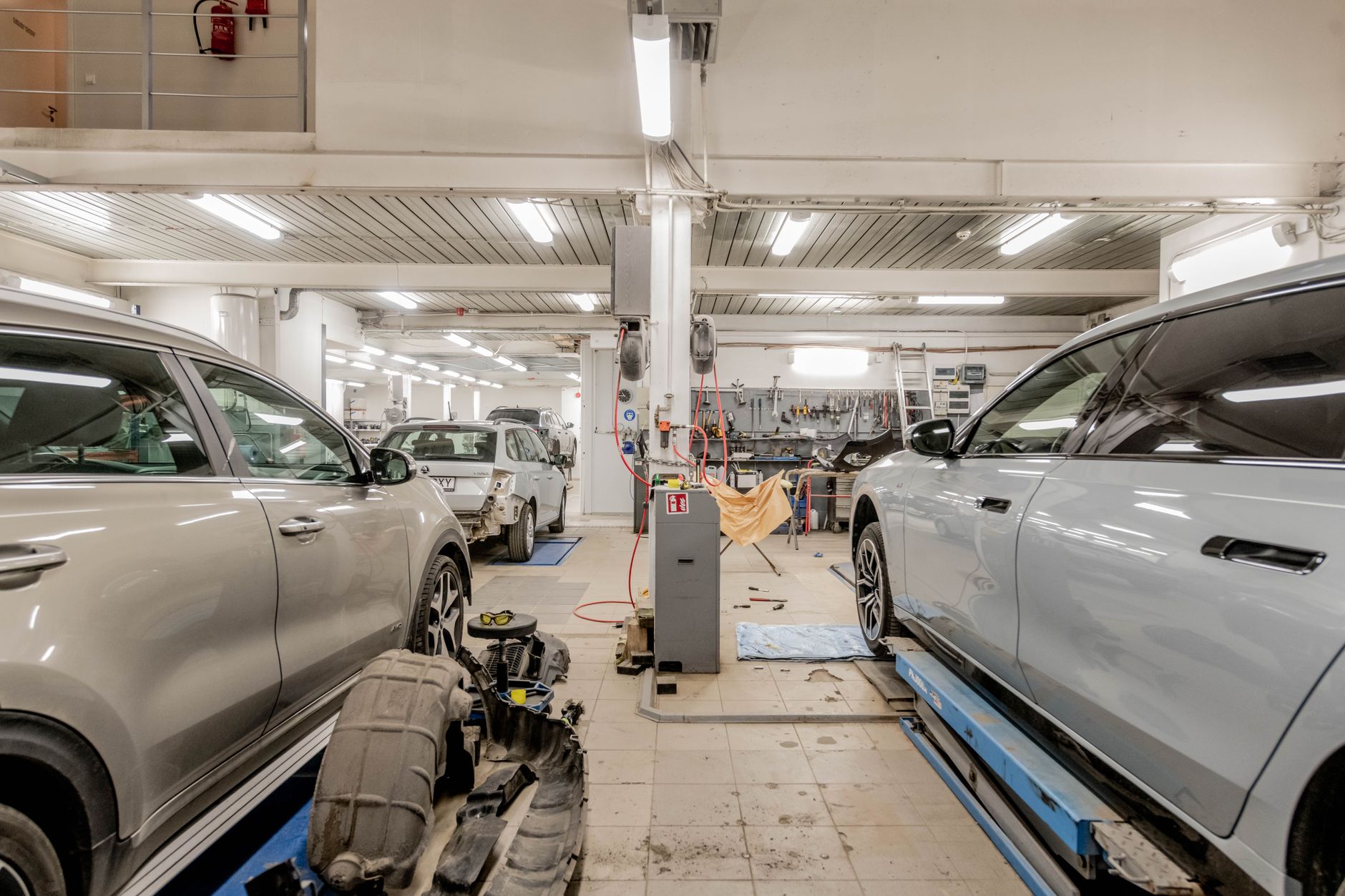
While protecting the vehicle inventory on the lot is the primary concern, the dealership building itself is also a target. Service bays contain expensive tools and diagnostic equipment, and showrooms and offices hold valuable assets and sensitive customer data.
An autonomous security robot can vary its patrol to include the perimeter of the main building. Using its sensor suite, it can detect an open door or a broken window, providing an early warning of a break-in. This is especially valuable for large dealerships with sprawling service centers that are difficult to monitor with fixed cameras alone.
The robot's continuous patrol logs every event, creating a detailed record of after-hours activity. This data can be invaluable for investigating any incidents that do occur and for optimizing security protocols over time, ensuring every part of the dealership is covered.