Key takeaways
- A patrol robot detects, records and escalates to a person, and it does not confront trespassers.
- Start the route at the perimeter and gates, then cover bulk loads, bin rows and loading lanes.
- Lighting specs differ by vendor, so read lux and thermal figures alongside their test conditions.
- Verified alerts should reach an operator who can steer the robot to confirm what it saw.
- Ask for night reliability answers in writing before you lease, including faults and charging.
Can a security robot cover a glass yard overnight?
Yes, for detection, recording and escalation. A security patrol robot can walk fixed routes through a glass recycling yard after dark, flag irregularities and send an alert to a person who decides what happens next. It is not built to confront anyone, and it should not be treated as a guard standing at the gate.
The useful question is less whether a robot can see in the dark and more what it does with what it sees. Glass yards hold bins, bulk loads and loose cullet. After hours, with no trucks moving and no staff on site, those spots go unwatched. A robot earns its place by covering them on a schedule a person could not keep.
This guide covers the route, the lighting and the escalation chain, then closes with questions to put to a vendor before any lease is signed.
Why do glass yards draw after hours trespass?
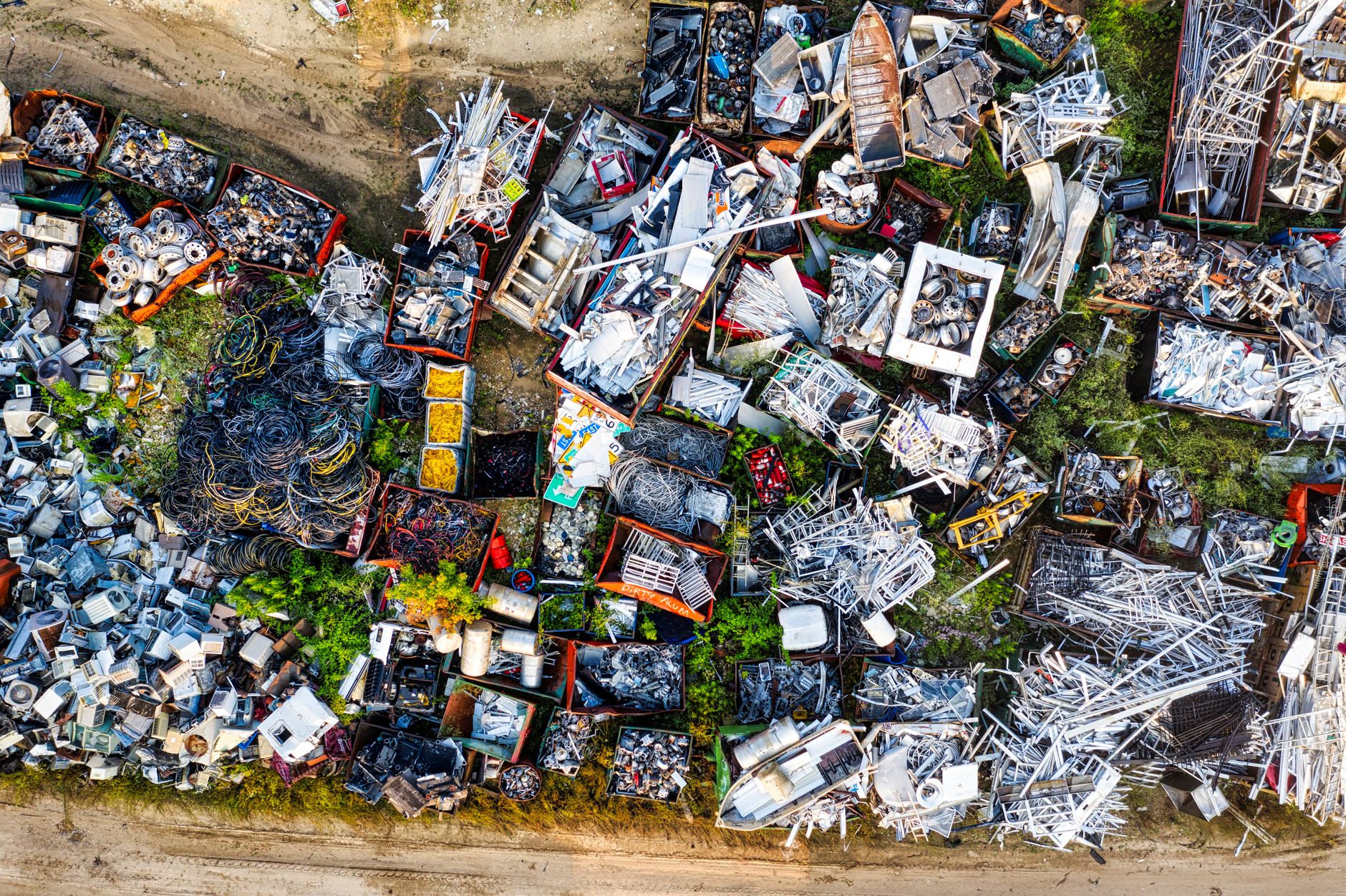
We found no glass specific crime guidance in our research, so the advice here draws on scrap and recycling yards more broadly. Those sites share a familiar pattern: stored material that people may want to take, open lanes between bins and bulk loads, and long quiet stretches once the last truck leaves.
The most consistent advice we found is layering. According to a 2023 ISRI session on crime prevention through environmental design, security works best in layers, with the perimeter as the first layer, and with lighting that neighbors, passing vehicles and pedestrians can see. A yard that is visible from the road both discourages entry and gives passersby a reason to notice.
Where should the patrol route go?
Start at the boundary, not the bins. Securitas describes an autonomous robot that patrols at night on fixed routes and flags irregularities against predefined criteria, so the route is only as good as the list of places where a problem would matter.
Vendors differ on route flexibility. Dax says its robots can run custom paths and set alert triggers, a vendor claim we have not independently verified. Ask how a route changes after the yard adds a stockpile or a new bin row, because a route drawn for last year's layout misses this year's gaps. For a glass yard, the list usually includes:
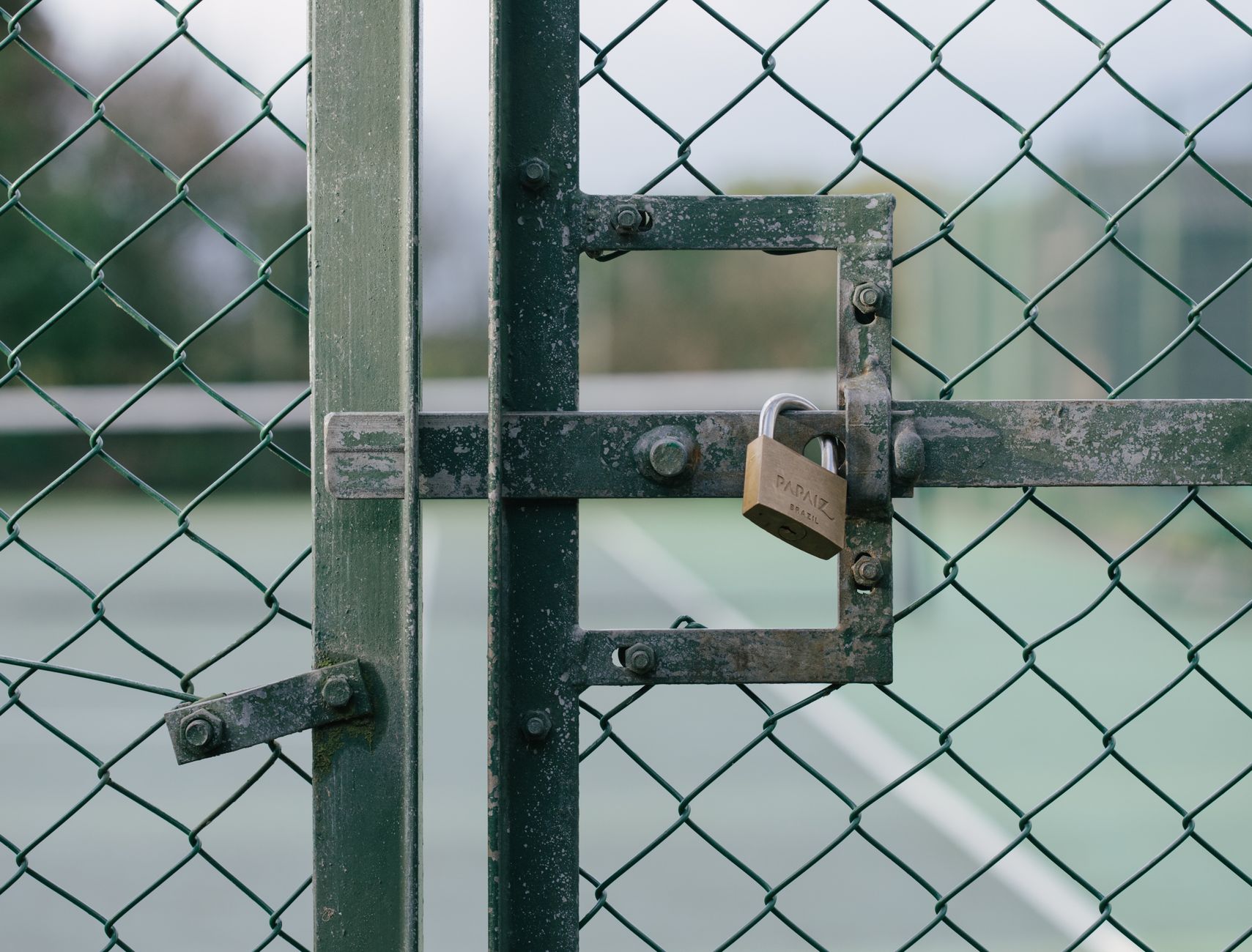
- Perimeter fence line, including any low section, gap or cut point
- Vehicle and pedestrian gates, checked on every pass
- Bulk load and loose material zones, including any open bin row
- Loading or staging lanes where a vehicle could stop out of sight
- Blind corners between buildings, containers and stacked bins
How much light does a robot actually need?
We found no universal lighting standard for security robots, so minimum light has to come from each vendor's spec and be read with its test conditions in view. As of November 2026, SMP Robotics says its standard S5.2 is rated for night monitoring under street lighting and recommends its optional thermal version for poorly lit areas. Its listed visible camera sensitivity is 1.4 lux in color and 0.01 lux in black and white, according to that vendor spec.
Thermal sensing changes the question. SMP's material also says thermal cameras do not need lighting to operate at night, and its S5.2 infrared spec lists human detection up to 210 m with a 384 by 288 thermal camera, a vendor reported figure. Knightscope describes switching from color to black and white as light falls and using infrared at low light. Yard lighting still earns its keep for deterrence, even when the robot does not need it to see.
Where does the robot report instead of confronting anyone?

The right response to a trespasser is a recording and a call to a person. Econocom, which makes a warehouse patrol robot, says it alerts a remote surveillance operator on detection and streams live video showing the robot position and the incident location. The operator can steer the robot remotely to verify an alarm before anyone is dispatched.
Securitas describes a similar chain, with the robot connected to its Security Operations Center and mobile guards dispatched on verified alerts. The verification step is the one to protect. A robot that alerts on every shadow wears down the response team's trust, so the threshold for escalation belongs in writing before the first night, not in a sales deck.
What should a night record show?
Exact intrusion hours at scrap and recycling yards are hard to pin down from the sources we could check, so we avoid a precise benchmark. DeepSentinel, a remote monitoring vendor, says a guard spotted a person on a scrap facility at 12:14 a.m. wearing a hoodie and a mask, and says many scrap yards are rural and costly to secure after hours. That is vendor reported, so read it as an illustration of timing risk, not as data.
Whatever hour trouble arrives, the record matters as much as the alert. Ask for timestamped video, the robot position at each alert, and a log the yard manager can pull the next morning without calling the vendor. Dax says its units record live video and use infrared night vision, a vendor claim worth testing on your own yard.
How Service Robot Co. approaches an overnight yard
Service Robot Co. is an OEM neutral integrator, so the robot is chosen for the yard route, sensors and alert chain, not for one manufacturer's catalog. We lease robots through financing on a three year lease, with one fixed robot lease payment quoted after a site assessment. We deploy, integrate, train and service each unit under RoboCare, our service plan, backed by regional service engineers in every state we service.
The site assessment is where the route, the lighting check and the alert list get settled, using the yard layout and its past after hours incident records. That is the stage where a lease quote can reflect the yard as it actually is.
Questions to ask a security vendor about night reliability
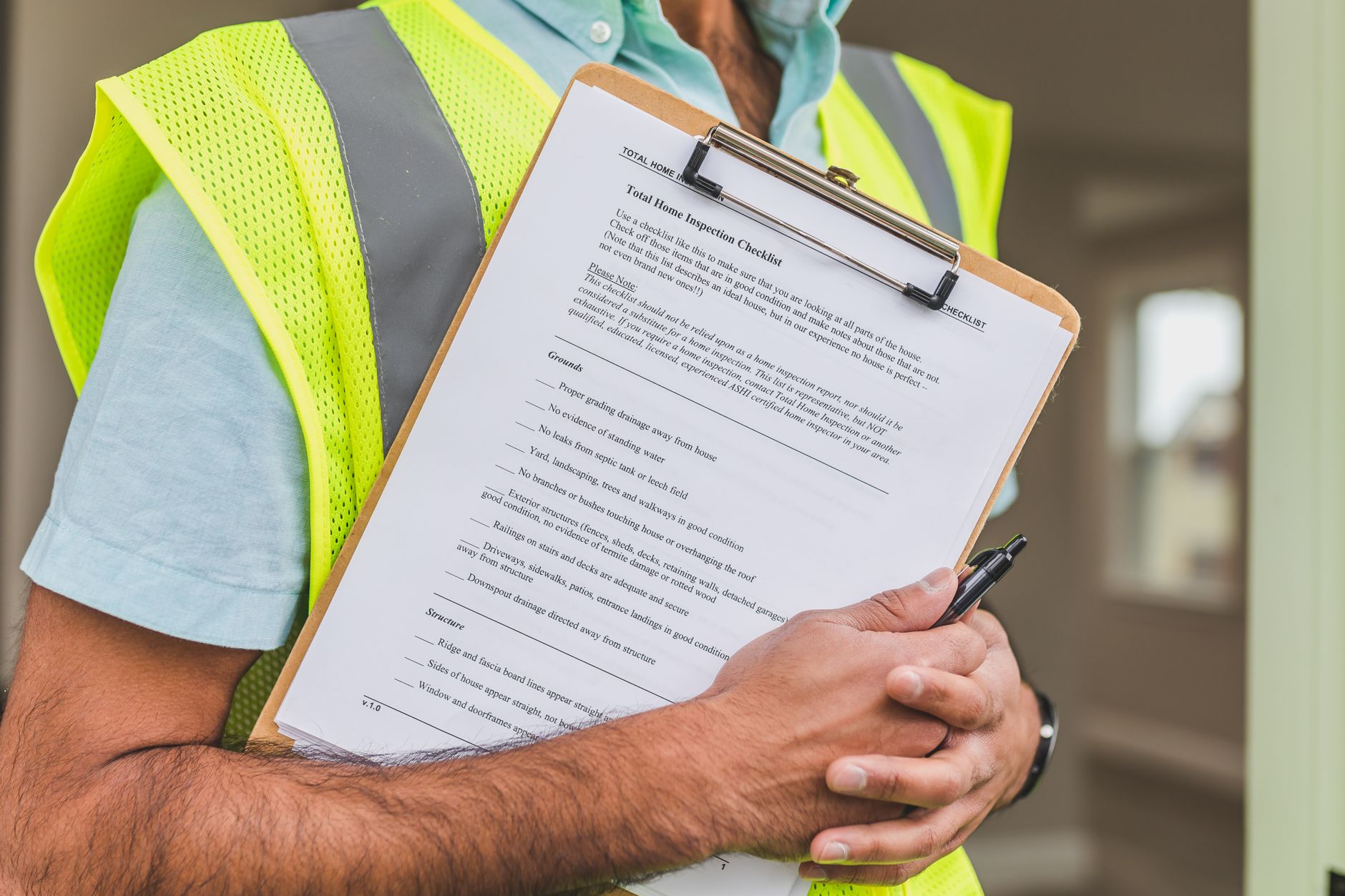
Put these to any vendor before you lease, and ask for the answers in writing with the test conditions behind them:
- What is the minimum light level for each camera mode, and under what conditions was it measured?
- What does the robot do when a gate, a stockpile or a fallen bin blocks its route?
- Who receives the alert at 3 a.m., and can a remote operator steer the robot to verify it?
- What happens to the route and the log during a Wi Fi or cellular dropout?
- How is charging scheduled, and what happens if the battery runs low mid route?
- Who services the unit on site when it faults at night, and how is remote triage handled?
Frequently asked questions
Want a robot working for you?
Tell us the job and the site. We will recommend the robot, quote the lease, and keep it serviced.