Key takeaways
- Patrol robots extend perimeter checks between human rounds; they do not replace evidence logging, tow intake, or court holds.
- Treat onboard plate reads as ALPR data where state law applies: minimize retention, document purpose, and keep escalation paths auditable.
- Fence cuts, blind rows, and remote lots are where audits keep finding gaps cameras alone did not close.
- Pair robots with existing VMS and dispatch so tamper alerts reach a named on-call chain, not a generic inbox.
- Start with one mapped loop on your highest-risk fence line before you promise 24/7 lot-wide coverage.
Can patrol robots secure an impound lot without touching evidence rules?
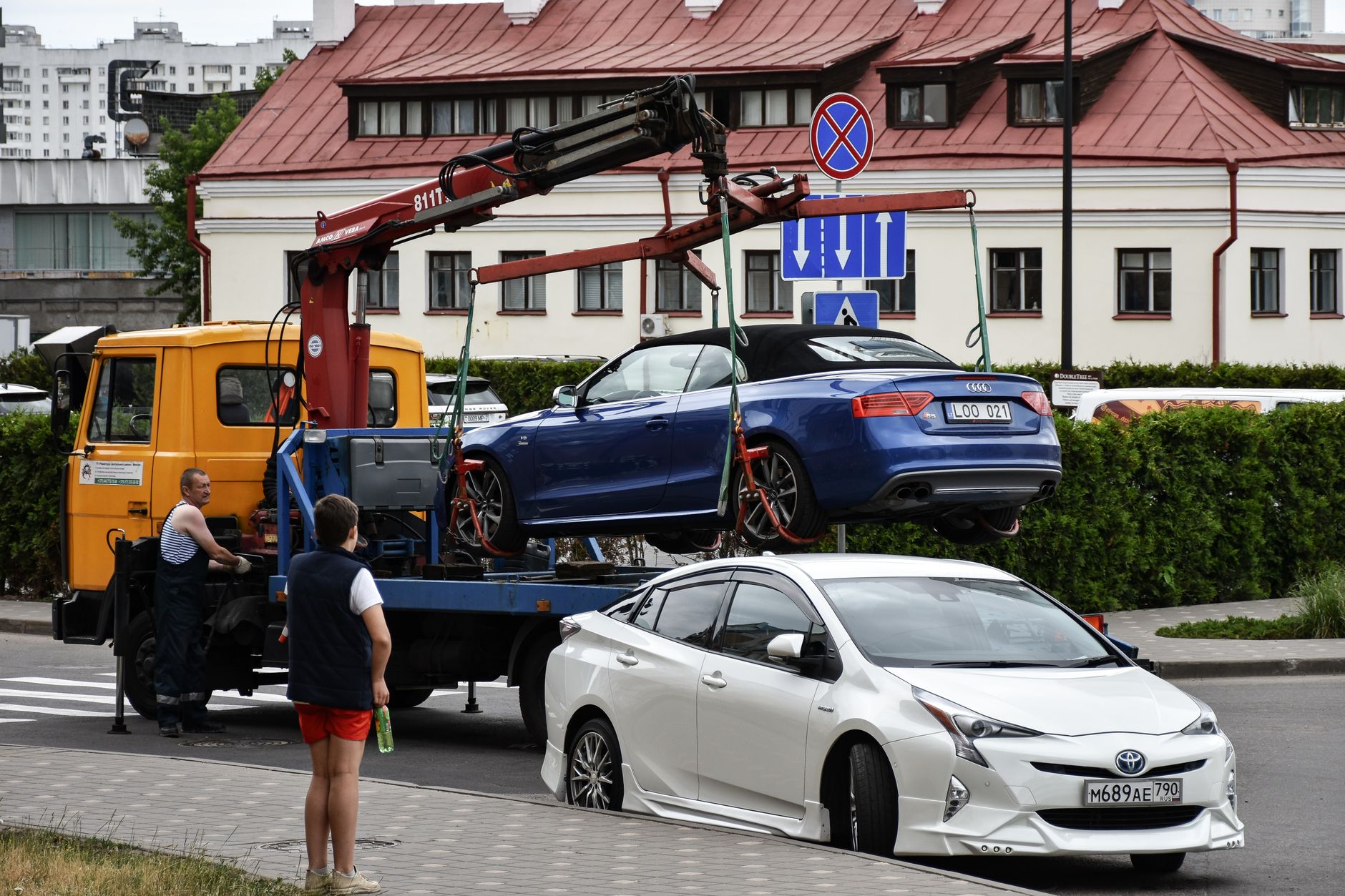
Yes, when you scope them as perimeter and situational awareness, not as evidence technicians. Municipal impound and vehicle storage facilities must keep tow intake, personal property inventories, litigation holds, and release paperwork under human control. A patrol robot's job is to watch fence lines, gate approaches, dark rows between stored vehicles, and equipment yards on a repeatable schedule while your staff keeps chain-of-custody procedures intact.
City auditors repeatedly describe the same failure modes: outdoor lots burglarized more than once, cameras that do not cover the whole yard, doors that the public can reach, and brush or paving problems that hide tampering. A 2025 post-audit follow-up for one Florida police impound noted repeated burglaries and cameras that still left monitored areas partly blind. Robots do not fix policy, but they can carry thermal and visual checks into rows a fixed camera never sees after sunset.
Think of the robot as a tireless perimeter partner. It documents what it sees, flags anomalies, and routes alerts. Your evidence room team still bags, tags, and signs releases. That separation keeps prosecutors comfortable and keeps automation out of the courtroom narrative.
Why do impound yards stay hard to guard?
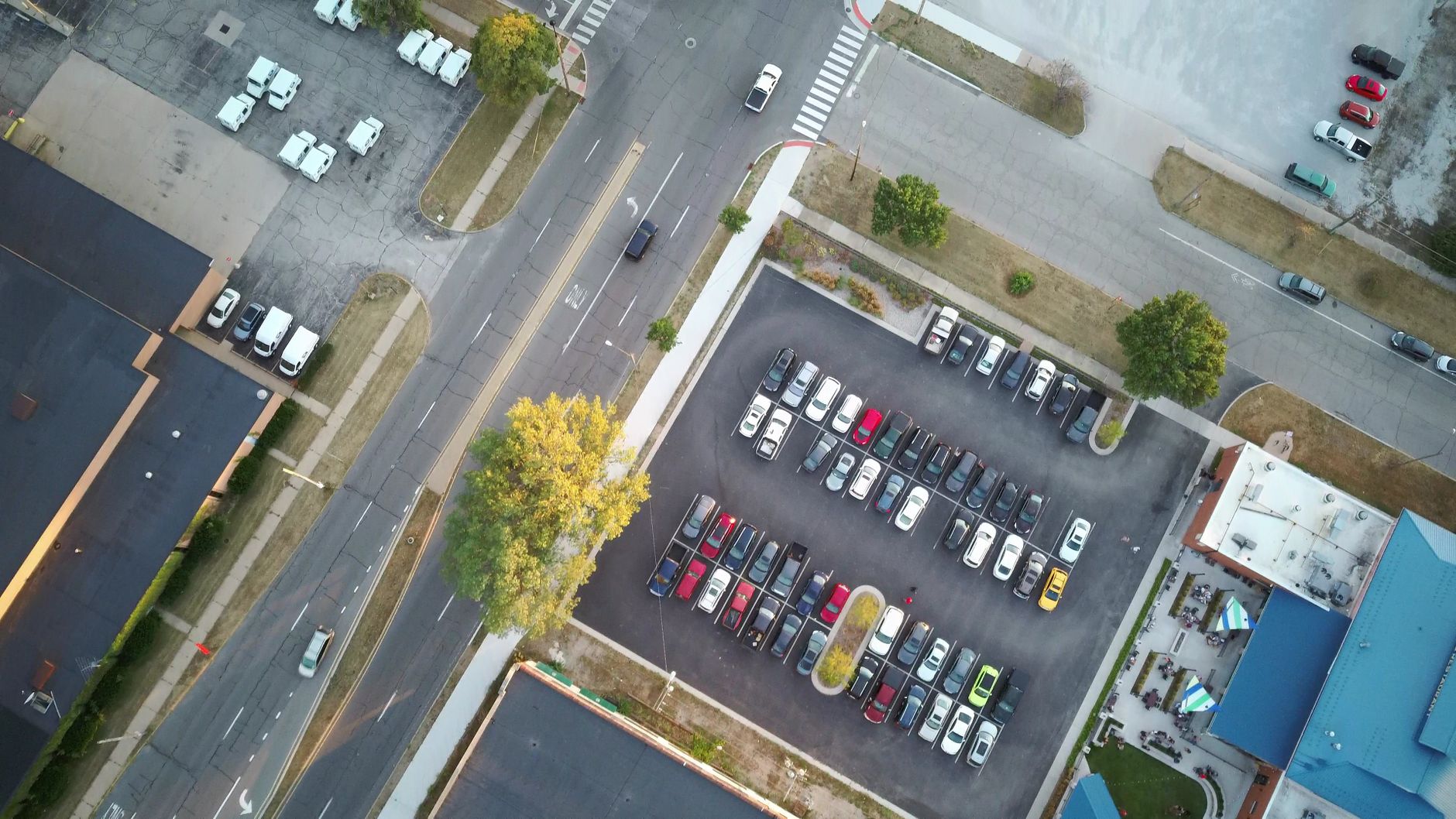
Scale and layout work against you. El Paso's 2020 municipal storage audit described separate impound and hold lots with hundreds of vehicles on fenced acreage, including long-stay evidence vehicles that cannot move to auction on a tidy schedule. San Antonio's FY2022 contract audit reported 36,856 vehicles impounded in a single fiscal year through its contracted storage facility, which must intake, store, release, and auction on tight timelines. Those volumes mean rows change daily, sight lines shift, and a single guard tour cannot look under every bumper every hour.
Remote locations add response time. Press reporting on Pueblo's outdoor police impound described a site on a dead-end road miles from headquarters where thieves cut fence sections and stole vehicles, including units tied to homicide cases. Alarms reached dispatch, yet human arrival lagged while vandals worked inside the yard. Nashville's 2008 internal audit of a 17-acre police impound lot noted electronic fencing, cameras, and paper perimeter check logs averaging 27 documented perimeter checks per day. That cadence is serious work, and it still depends on staff being on site and awake.
Patrol robots compress the gap between checks. They run mapped loops at 2 a.m. with the same attention they bring at 2 p.m., and they can pause to stare at a gate that should be closed or a fence line that changed since the last tow drop.
What should a robot actually watch?
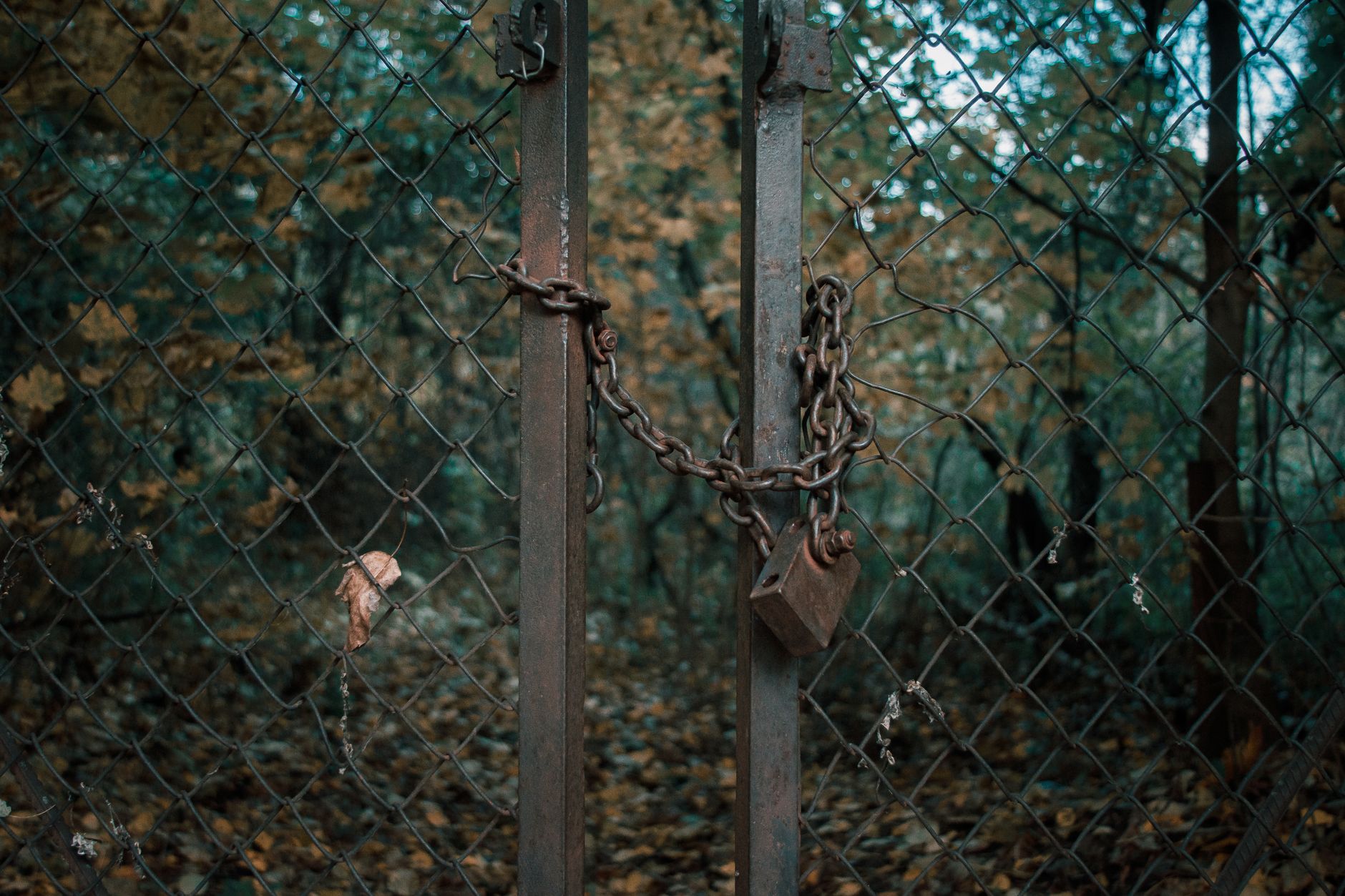
Start with assets that fail quietly. Perimeter fabric and gates are the obvious layer: cuts, lifted panels, propped pedestrian gates, and tailgating behind tow trucks. Inside the yard, prioritize alleys between vehicle rows, fuel or maintenance islands, and any cage or container where tools or catalytic converters could walk. Auditors often flag overflow storage rooms with exterior cameras but no interior view. A robot cannot open evidence doors, but it can note a door left ajar and ping the duty sergeant.
License plates matter for operations, not for building a public searchable database of everyone who drove past the tow lane. Use plate reads to confirm that a vehicle sitting in Row 4 still matches the inventory tag from intake, or that an unauthorized truck idled at the exit gate. Keep that data on the same retention schedule your agency counsel approves for fixed cameras.
Weather and terrain still matter on flat lots. Summer heat on asphalt, winter ice near wash bays, and dust storms that gum up lens covers all show up in municipal yards. Route planning should include slow zones, covered charging docks, and manual pause points when wind or smoke crosses your region.
- Fence line and vehicle gate approaches every shift
- Blind corners between rows and near overflow storage
- Maintenance and fuel islands separated from evidence holds
- Camera dead zones identified in your last security survey
How do license-plate reads interact with privacy law?
In California, Civil Code sections 1798.90.5 through 1798.90.55 treat automated license plate recognition as a searchable database problem, not merely a camera feature. Public agencies need a published usage and privacy policy, reasonable security safeguards, access controls, and public comment before standing up a new ALPR program, as summarized by the California Attorney General's 2023 guidance on ALPR data. Agencies generally may not sell or share ALPR information except to another public agency as law allows, while data hosting and towing services are carved out from that sharing ban.
A patrol robot that reads plates for inventory reconciliation is not exempt from scrutiny just because it moves. Document the purpose, limit retention, restrict exports, and keep audit logs the same way you would for pole-mounted ALPR. If your state lacks a dedicated ALPR statute, still apply Fourth Amendment and public records discipline: capture the minimum identifiers needed to secure the lot, not a marketing dataset.
Transparency reduces backlash. Post how night footage is stored, who can query it, and how citizens request redaction. Couple that with signage at the public entrance so tow customers understand the yard is actively monitored.
How should tamper detection escalate?
Robots earn trust when their alerts behave like a trained guard, not like a spammy motion sensor. Define severities: fence vibration or cut detection might page the on-duty supervisor immediately, while a cardboard box blowing across Row 2 waits for the next human round. Integrate with your existing video management system so a click from dispatch pulls the robot's clip and the nearest fixed camera angle together.
Chain tamper alerts to dispatch protocols you already drill. If your lot arms after the last tow release, the robot should know the arm window and suppress benign motion from authorized contractors. When someone breaches during armed hours, push an event to the same CAD or alarm queue your fence vendor uses, with GPS pin, snapshot, and optional live stream.
False alarms erode political support fast. Spend the first month tuning vegetation, glare, and tow truck headlights. Log every false positive and adjust zones rather than muting the robot.
How do robots fit cameras you already own?
Fixed cameras excel at choke points: the sally port, the scale, the payment window. They fail when a new row of SUVs blocks the sight line to the back fence. Mobile patrol stitches those gaps by visiting the back fence on a clock. Send metadata, not duplicate NVR silos, when possible: robot detections should appear as events on the VMS timeline your investigators already know how to export for court.
Lighting strategy matters. Supplemental IR on the robot helps, but glare from wet paint and tow truck high beams still blinds sensors. Program slower passes in those lanes and keep a human review step for prosecution-worthy clips.
Cyber hygiene belongs in the same conversation. Segment robot VLANs, patch firmware on a schedule, and disable unused cloud relays. A stolen admin password should not become a free tour of your evidence yard.
What stays manual no matter what?
Evidence holds, court orders, and victim property returns stay with sworn staff and documented signatures. Robots do not enter vehicles, do not inventory consoles or firearms, and do not decide which VIN can leave on a Saturday release. Nashville's audit work focused on matching inventory systems to physical vehicles and verifying releases to the proper party. Automation should never shortcut those matches.
Use robots to deter theft of parts and whole vehicles, not to replace the audit trail. When a robot sees a person inside the lot without a escort badge, the right outcome is detention and ID check by a human officer, with the robot preserving video for the case file.
Maintenance and environmental compliance also remain people tasks. Robots can spot a fluid leak under a row; they do not replace hazmat response.
How should a city pilot this?
Pick one fence line and one interior loop where audits already showed repeat breaches or camera blind spots. Run four to six weeks aligned with your highest tow intake season. Measure time-to-acknowledge on alerts, false alarm rate, and whether overnight fence cuts stopped appearing.
Budget integration up front: charging, LTE or mesh backhaul, VMS hooks, and labor to retune maps after each auction week. Compare that to the cost of another static camera pole that still cannot patrol Row 9.
Service Robot Co. acts as a vendor-neutral integrator: select patrol hardware that fits your lot surface and gate layout, finance or lease it on a monthly program if capex is tight, map routes with your facilities team, and back the fleet with remote triage plus on-site dispatch through a nationwide network of regional service engineers. A free site assessment is the right place to align counsel, dispatch, and facilities before you promise council a fully autonomous yard.
Frequently asked questions
Sources
- West Palm Beach PAR25-01 impound security post-audit
- San Antonio SAPD Growdon towing audit FY2024
- El Paso municipal vehicle storage facility audit 2020
- Nashville police vehicle impound lot audit 2008
- California ALPR guidance Attorney General 2023
- California Civil Code ALPR sharing rules
- Pueblo impound yard security reporting