Key takeaways
- Park-and-ride lots need patrol density cameras cannot buy at every row end.
- Lighting plans and robot routes must be designed together, not bolted on later.
- License-plate capture needs a written policy, retention limits, and public signage.
- Remote operators escalate through the same call points riders already trust.
- A vendor-neutral integrator maps patrol zones before the first overnight shift.
When do park-and-ride lots need robots instead of more cameras?
Commuter lots sprawl. A fixed camera on every aisle end is expensive to install, cable, and maintain, and blind spots still appear when snow banks, temporary barriers, or parked vans block a lens. After the last bus leaves, staffing is often a single loop in a security truck or a guard on foot who cannot be in two quadrants at once.
Mobile patrol robots fill the gap between static video and human rounds. They repeat a mapped route through rows, pause at choke points, and stream live video to a monitoring center. According to the International Federation of Robotics World Robotics 2025 service robot report, suppliers reported 3,128 search, rescue, and security robots sold in 2024, up 19 percent from the prior year, as agencies look for coverage without adding a full guard roster on every graveyard shift.
Robots do not replace transit police or contracted security. They extend observation, document conditions with timestamps, and give dispatch something to steer toward when a rider presses an emergency call box or a camera analytics rule fires.
What makes overnight patrol different on transit property?
Park-and-ride facilities are revenue parking assets tied to stations, not generic office garages. The Federal Transit Administration's National Transit Database safety and security policy manual classifies parking facilities, including park-and-ride lots, as revenue facilities adjacent to transit stations. That framing matters for reporting, drills, and who owns escalation when an incident crosses from the lot to the platform.
After hours the customer mix changes. Fewer commuters, more idling vehicles, occasional unauthorized camping, and weather exposure on open asphalt. APTA security guidance for passenger facilities stresses crime prevention through environmental design, adequate lighting, access control, and video where risk assessments justify it.
Robots inherit those design choices. A unit that cannot climb curb cuts, handle pooled water, or operate in mandated wind limits will sit in the charger while the lot still needs eyes on the ground.
How should lighting and robot routes be planned together?
Security lighting is not decorative. APTA recommended practice on security lighting for passenger transit facilities describes continuous lighting along pedestrian paths and vehicle approaches, often controlled by photosensors or time clocks so luminaires run when ambient light drops. Lighting levels must support both human surveillance and camera detail.
Robot routes should follow the lit corridors you want riders to use. Houston Police Department transit crime prevention guidance notes that safe routes should be selected and lit so legitimate foot traffic concentrates after dark, while areas not intended for night use stay dark and closed. Sending a patrol robot through an intentionally unlit maintenance lane trains the wrong behavior and produces useless video.
Map pauses at ticket vending islands, stairways to platforms, emergency call boxes, and the transition from lot to sidewalk. In rain or fog, reflectivity on wet pavement changes what cameras see, so test exposure settings on a storm night before you declare the route production ready.
- Walk the lot at closing time before you freeze the patrol map.
- Mark wind-exposed rows where lightweight units may need alternate paths.
- Confirm pole placement does not blind robot cameras with direct glare.
- Coordinate with facilities on annual lighting surveys recommended by APTA practice.
What about license plates, privacy, and public trust?
Many transit agencies already record plates for permit enforcement or paid parking. Adding a mobile camera raises the same policy questions with a moving sensor. Publish what is collected, how long video is kept, who can access it, and whether analytics run on the edge or in a cloud vault.
Signage at lot entrances should state that mobile security patrols operate overnight, not that riders are under secret surveillance. Mask or blur adjacent residential windows in stored clips when feasible, and restrict plate reads to security incidents rather than routine data mining.
Run a privacy review with legal and civil rights stakeholders before go-live. The robot is visible; trust is not automatic.
How do emergency call points and remote escalation fit in?
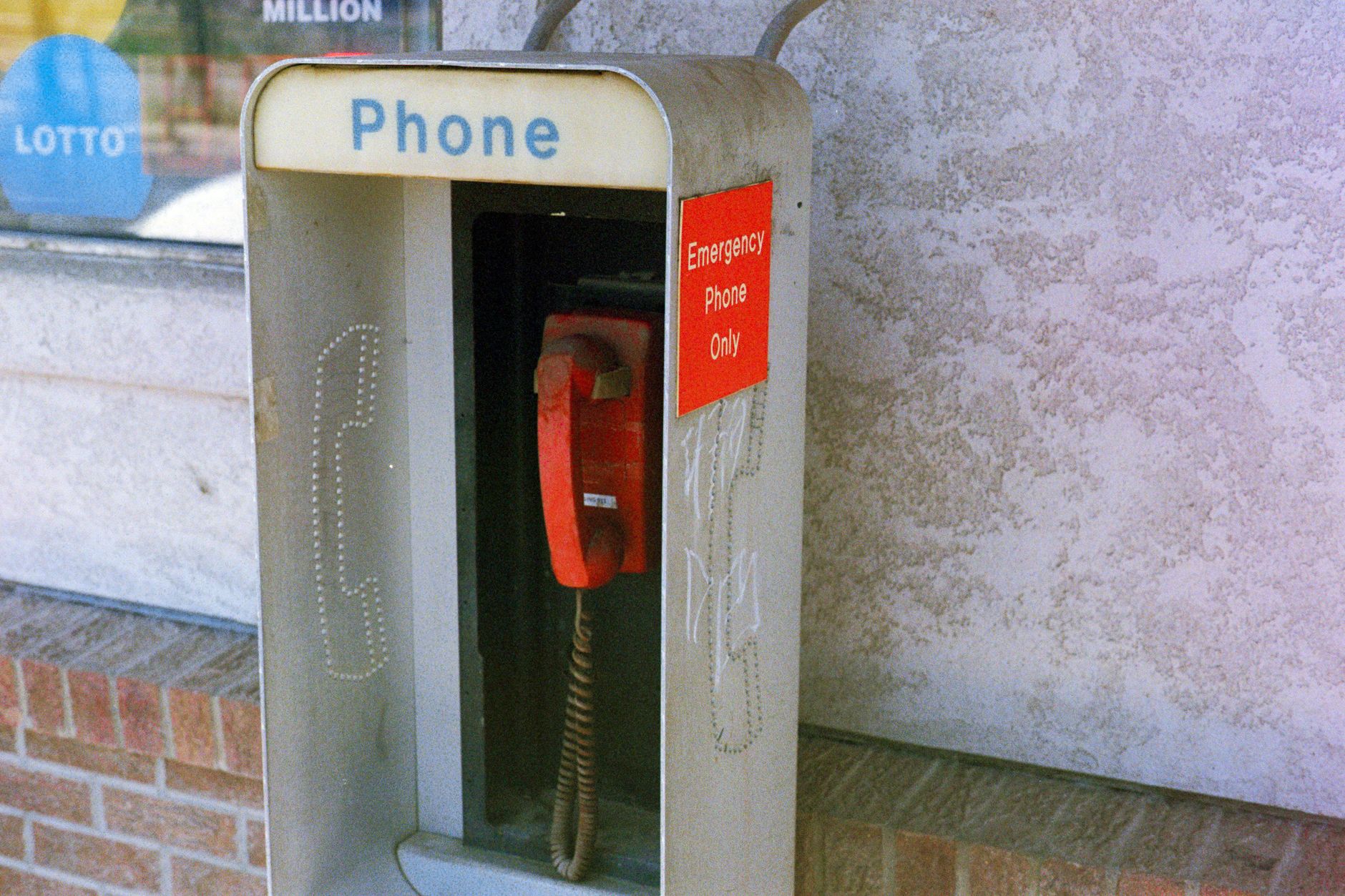
Emergency call boxes and blue-light phones remain the rider-facing interface. Robots should not pretend to be human dispatchers on loudspeakers unless your agency trains operators for that role and posts clear expectations.
The practical model pairs robot video with a monitoring center that can patch audio to transit police or contracted security. When a call box activates, the nearest patrol unit reroutes, streams additional angles, and logs pre-incident video from the prior ten minutes without an officer driving the entire lot blind.
Define severity tiers: loitering near a fence line, broken glass, smoke, person in distress. Each tier gets a response playbook so remote staff do not debate basics at 2 a.m.
How do you keep pedestrians and early-shift riders safe?
Patrol robots share space with the first coffee run commuters and maintenance pickups. Cap speed in pedestrian zones, use audible and visual signals at blind corners, and geofence around bus layover areas so units never chase between coaches.
Train operators to yield to humans every time. A robot that brushes a rider erases years of trust. Document incidents, adjust maps, and post temporary signs when a row is closed for resurfacing.
Winter maintenance matters. Plazas that are safe in October may be ice rinks in January. Weather shutdown rules should be written before the first freeze, not invented during a storm.
How should transit police and security contractors coordinate?
Share the patrol schedule, map revisions, and software logins with transit police liaisons and any contract guard firm. Joint tabletop exercises should include a robot lost link, a false intrusion analytic, and a call-box activation during a power bump.
Clarify chain of command when jurisdiction splits between transit authority police and municipal departments. The robot vendor is not in that chain. Service Robot Co. stays on the integrator side: selecting hardware, financing, deploying, integrating video feeds, and servicing units nationwide while your agency keeps operational authority.
Monthly reviews of false positives keep routes credible. If operators ignore alerts, the program dies quietly.
What does a sensible pilot look like?
Start with one lot that has known camera gaps and a history of overnight nuisance calls. Run parallel with existing guard loops for thirty nights. Measure time to verify an alarm, number of dispatches avoided, and rider complaints.
Expand only after lighting deficiencies found during the pilot are scheduled for repair. A robot cannot fix a dark stairwell that CPTED guidance would already flag.
Success is documented coverage of rows that cameras never saw, faster confirmation of call-box events, and a policy packet riders can read without a law degree.