Key takeaways
- Stable patrol needs slow speeds, wide clearance, and predictable horn or light cues horses accept.
- Thermal and motion analytics help spot people near tack rooms without startling animals.
- Route planning must respect feed times, wash racks, and open paddock gates.
- Remote operators escalate to human security when a robot cannot verify a scene.
Why patrol racetrack stables after operations close?
When the last race ends, racetrack barn areas stay busy long after the grandstand empties. Grooms finish walks, farriers pack up, and haulers move through equipment lanes. Overnight, tack rooms, feed storage, and restricted stable zones still need eyes even when live attendance drops.
Traditional guard tours struggle on long barn rows where footing changes from asphalt to packed dirt and where horses react to sudden light or engine noise. A mobile patrol robot can run the same slow route every hour, streaming video to a remote operator who knows when to call a human responder.
Theft of tack, portable diagnostics, and feed supplements is a recurring backside problem because shed rows look identical on camera and because few witnesses remain after midnight. Consistent patrol footage gives investigators a time-stamped path to review when something disappears from a stall office.
The goal is not to replace horsemen on the ground. It is to add consistent perimeter checks on lanes where trespass, fire risk, or equipment tampering would otherwise wait until morning.
What makes stable environments different from parking lots?
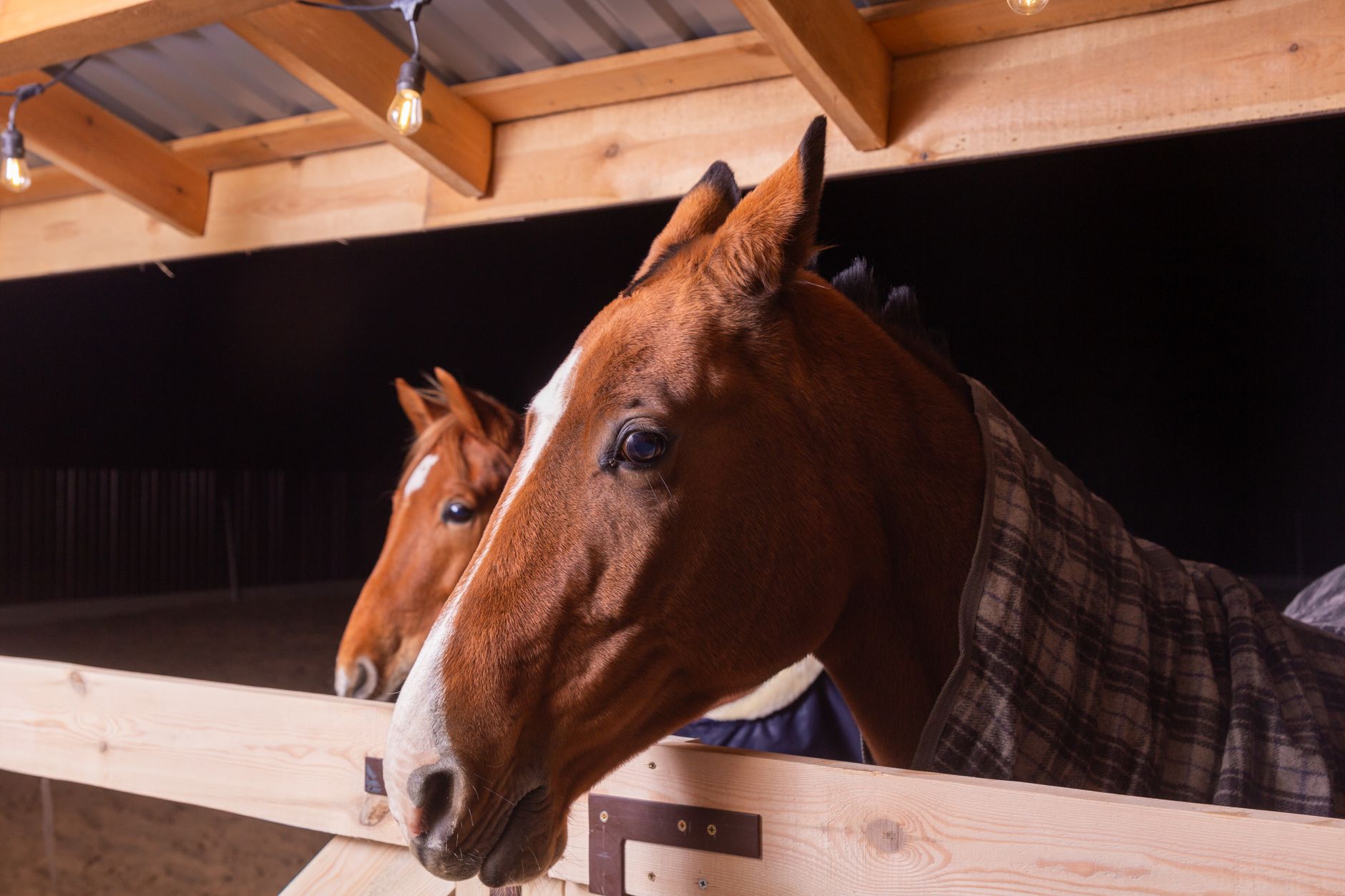
Horses hear and smell before they see. Patrol units marketed for warehouses often move too fast or use aggressive collision avoidance beeps that ripple down a shed row. Racetrack deployments need capped speeds, gentle acceleration, and lighting that is bright enough for cameras without flashing into stalls.
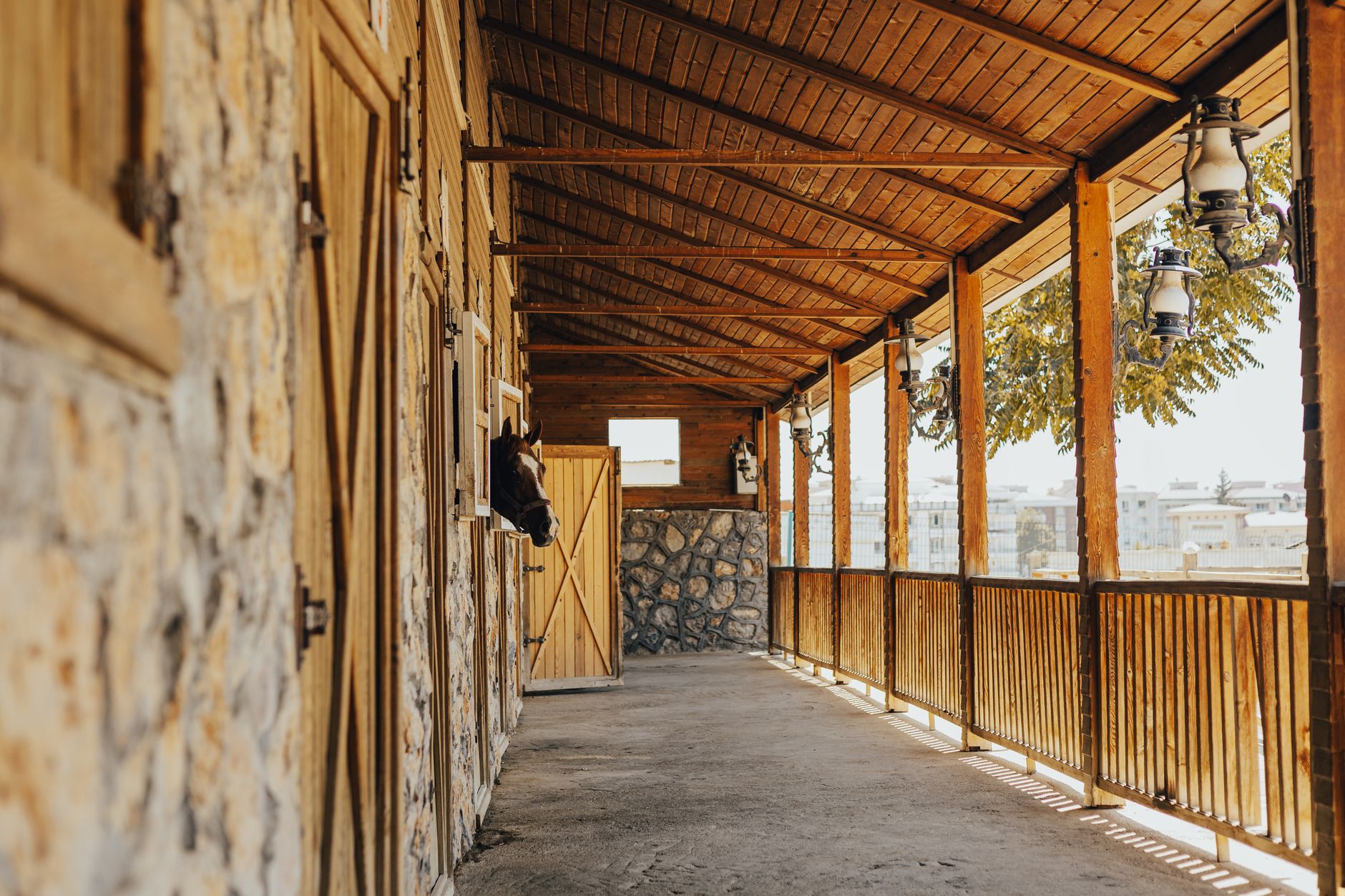
Barn aisles mix narrow pinch points, hose crossings, and temporary gates left open for late turnout. Maps must mark wash racks, hot walkers, and areas where grooms still work past midnight so the robot pauses or reroutes.
Loose dogs, barn cats, and wildlife wander onto backside roads. Tune object classification so small animals do not trigger full escalation unless policy requires it.
Animal welfare staff should sign off on routes before go-live. A robot that spooks a stakes horse creates a liability larger than any stolen saddle.
Which sensors matter on a racetrack night route?
Visible cameras cover open lanes and equipment yards. Thermal channels help spot a person near a feed room vent or a warm vehicle idling where none should be. Pair thermal hits with a stop-and-zoom rule so operators verify before sirens.
License plate recognition on hauler gates and backside entrances logs who entered after credentials expire. Audio analytics are optional; many tracks disable aggressive sound detection near stalls to avoid false alarms from nickering.
GPS and fiducial markers along shed rows keep position honest when roof steel blocks satellite fixes. Post a barn number at every stop the operator expects in the report.
Two-way audio lets a remote operator speak to a trespasser on a hauler lane while keeping distance from horses. Script those announcements with security and racing officials so tone stays firm and calm.
How should routes cover paddocks and restricted zones?
Divide the backside into zones: public equipment lanes, groom-access barn rows, and restricted veterinary or testing areas. Robots handle the first two on a schedule; restricted zones may stay human-only or require escorted robot passes.
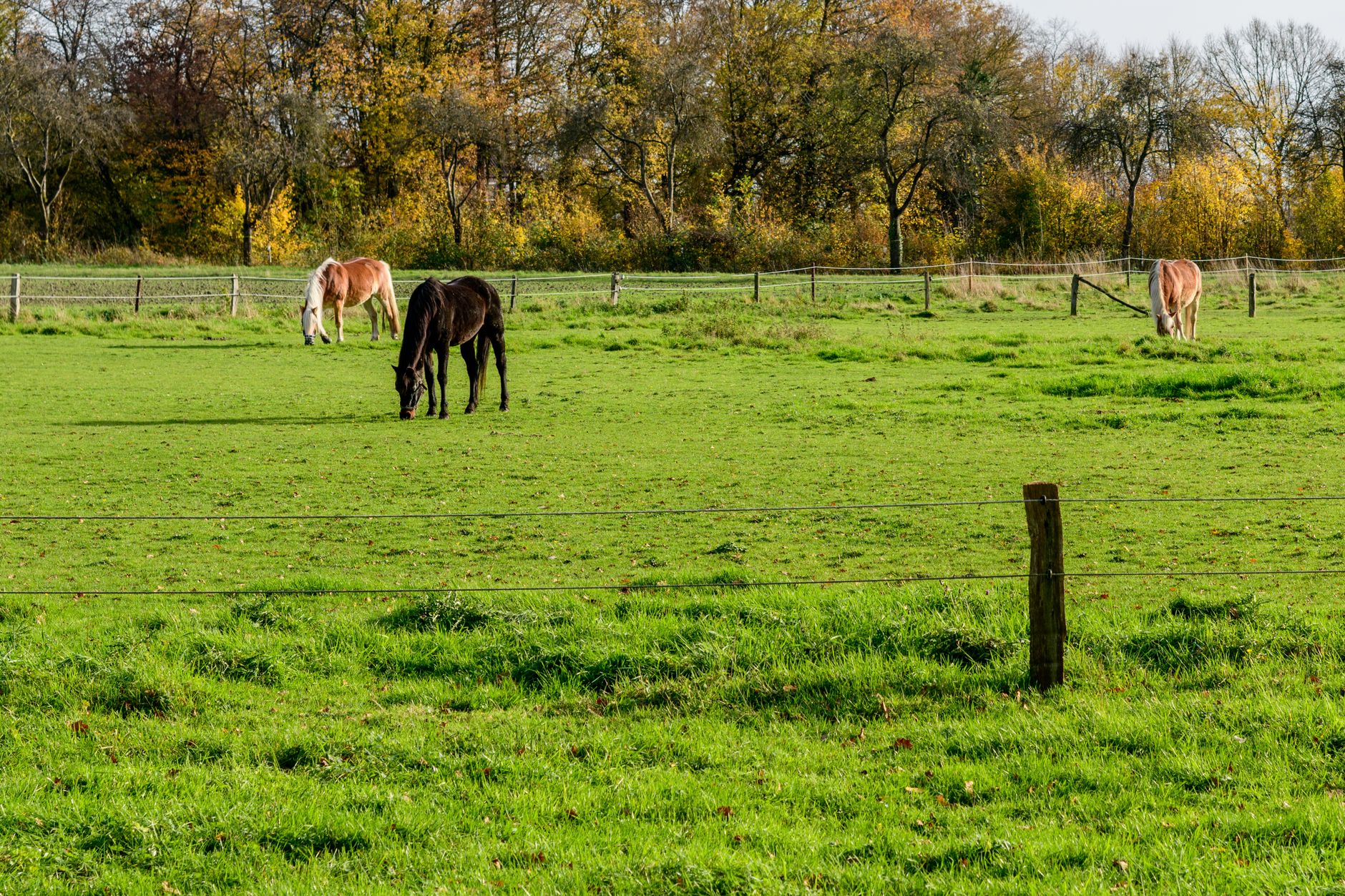
Paddock perimeters need extra clearance for loose horses on late turnout. Set geofences so the unit never enters a grass strip unless that paddock is confirmed empty.
Coordinate with the overnight security lead so robot patrols do not cross paths with hay delivery trucks on the same gravel lane.
During major stakes weeks, temporary fencing and sponsor equipment change the layout. Version your maps daily or freeze robot patrols to pre-approved corridors until the meet ends.
What does remote escalation look like?
A monitoring center watches live feeds with a playbook: verify person or vehicle, attempt voice challenge on a loudspeaker if policy allows, call on-site security, then law enforcement if trespass is confirmed. Robots should not chase individuals through barns.
Integrate alerts with the same radio channel or incident log the track already uses for fire watch and veterinary emergencies. Duplicate apps that only the robot vendor sees slow response.
Record every stop, anomaly flag, and operator note. Insurance carriers and state racing commissions increasingly ask for documentation after incidents.
Define when to wake the stable superintendent versus when security can handle a minor credential issue alone. Clear tiers prevent 3 a.m. phone trees that desensitize trainers.
How quiet must operation be?
Specify maximum drive noise at one meter and test beside an occupied stall during a pilot week. Rubber wheels, belt drives, and limited horn use beat retrofitting a loud industrial platform.
Schedule patrols away from scheduled feeding or blanket changes if grooms report stress. Some tracks run robots only between 1 a.m. and 4 a.m. when barn activity is lowest.
Maintenance matters: worn wheels squeal. Include acoustic checks in weekly robot service the same way you check tire pressure on a golf cart.
If a unit must sound an alert, use a distinct pattern trainers recognize from other backside equipment so horses do not confuse it with starting-gate rehearsal noise.
What about weather and footing?
Rain turns equipment lanes slick and blows debris into camera domes. Choose ingress protection and lens heaters appropriate for your climate, not only fair-weather demos.
Mud near paddock gates can trap lightweight units. Route maps should include turnaround points before soft ground or provide mats where robots must cross daily.
Wind-driven dust on dirt tracks can obscure lenses. Plan wiper or wash fittings if supported, and budget operator time to clear lenses during storm weeks.
Summer heat affects battery runtime on long loops. Size batteries for worst-case nights or split routes with swap docks near the security office.
How do you pilot without disrupting a meet?
Run two weeks of daytime dry routes with no horses nearby to train maps, then one quiet overnight week on a single shed row with a groom observer. Measure horse reactions, false alerts, and time to verify a staged trespass drill.
Compare robot coverage minutes to existing guard foot patrols on the same row. Winning pilots show fewer blind intervals, not just lower labor line items on a spreadsheet.
Service Robot Co. can deliver vendor-neutral patrol platforms on rental or lease, integrate escalation with your existing security stack, and provide nationwide field service when a drive fails on stakes night.
Exit criteria should include trainer feedback, zero unplanned horse incidents attributable to the robot, and security team confidence to roll routes to adjacent barns.