Key takeaways
- Remote turbine maintenance yards hold vehicles, copper, tools, and spares that attract after-hours theft when human rounds are sparse.
- Outdoor patrol robots fit repeatable gravel loops and gate checks, not every muddy ridge line, if you map traction and charging first.
- Connectivity gaps mean edge recording and store-and-forward uploads matter as much as camera resolution.
- Central security teams need clear alarm tiers so a robot clip triggers dispatch, not alert fatigue.
- Security patrol robot rental monthly can pilot one yard before you standardize routes across a multi-site wind portfolio.
Do patrol robots make sense at remote wind farm service yards?
Yes, for the boring miles. A wind farm service yard is usually a gravel pad, a tool trailer, fleet trucks, and racks of spare components sitting far from the nearest town. Technicians leave at dusk. Copper, batteries, and hand tools do not.
A security patrol robot on a fixed loop can carry cameras, lights, and two-way audio across that pad on a schedule you set. It does not replace a human investigator at a broken gate. It keeps eyes on the yard when driving a guard car out for a third lap is not realistic.
According to the U.S. Energy Information Administration, utility-scale wind generation reached about 451.9 billion kilowatthours in 2024, up 7.3 percent from 2023. More turbines mean more distributed yards, not one fenced campus you can light like a factory.
What assets are actually at risk in those yards?
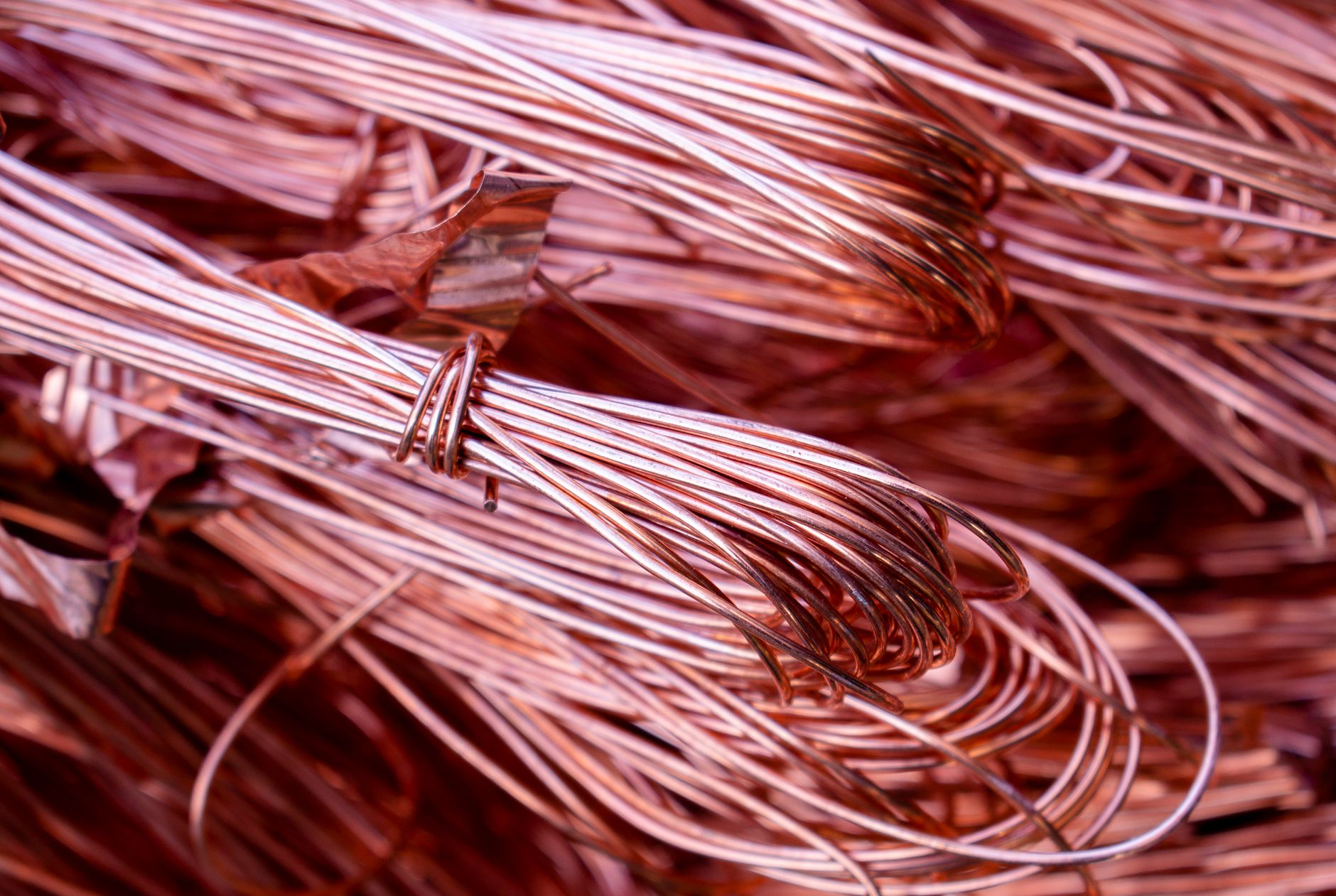
Theft targets are predictable. Spools of copper cable, grounding kits, power inverters, specialty tools, and diesel in service trucks draw resale value. Vandalism shows up as cut fences, burned insulation, or a door left open on a parts container.
Safety stock matters too. A missing torque tool or hub component can delay a climb crew the next morning. The loss is not only replacement cost. It is turbine downtime when a small part never made it back to the cage.
Patrol robots document the same angles each pass. That baseline helps your central team spot a trailer door ajar, a pallet moved, or a vehicle that should not be on the pad.
- High value: copper spools, copper grounding, battery modules, laptops
- Medium value: hand tools, rigging, PPE caches, fuel in on-site tanks
- Operational risk: open containers, gate chains, missing lock tags
- False calm: empty yards still need fence-line checks after storms
How does rough terrain change robot selection?
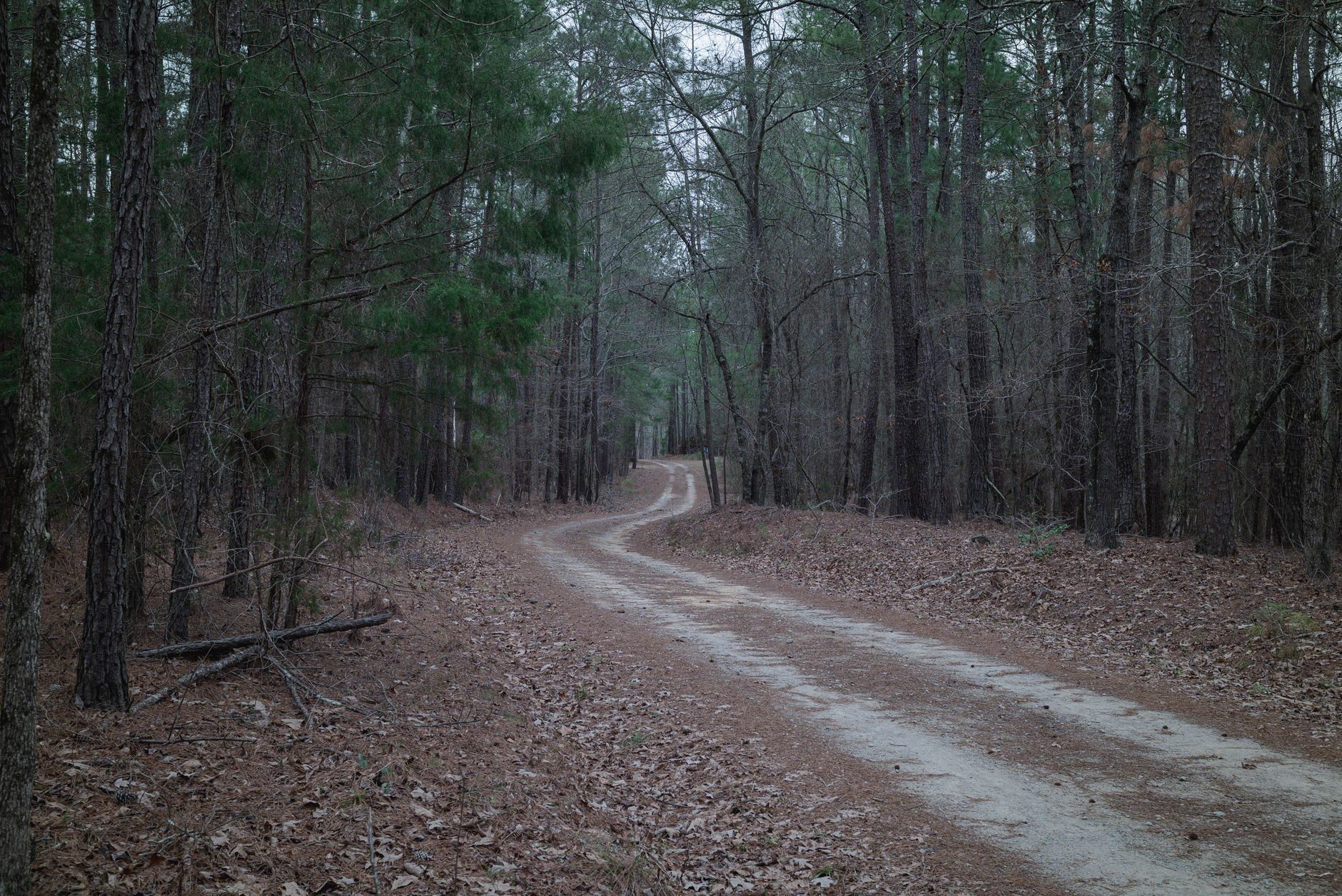
Gravel service roads are not warehouse tile. Gradients, ruts, and loose stone change stopping distance and wheel wear. Map the loop in daylight with a maintenance truck, then walk the robot path at the speed you expect overnight.
Separate pedestrian zones from machine routes. Technicians may cut across the pad during a late call. Slow zones near the parts cage and charging area reduce surprise encounters.
Some sites need a wheeled patrol unit on compacted stone. Others need a platform that handles grass berms between pad and fence. Your integrator should refuse a route that binds on a culvert lip rather than forcing it.
What breaks when cell service is thin?
Many wind sites sit where LTE is optimistic and LTE is absent at the fence line. Plan for intermittent backhaul from day one.
Edge recording keeps clips on the robot when the link drops, then uploads when the unit hits a known good corner or returns to dock Wi-Fi. Live view is a bonus. Stored evidence is the requirement.
Starlink or a dedicated microwave link at the yard office can help, but robots should still run if that backhaul fails. Define which alarms queue locally and which must page a human immediately.
How should a central SOC use robot alarms?
Alarm fatigue kills remote programs. Tier events before go live. A person on camera at 2 a.m. is tier one. A plastic bag on a fence may be tier three for morning review.
Pair robot video with gate logs and turbine SCADA where policy allows. A motion clip plus an unexpected door open on a parts trailer is a stronger dispatch story than motion alone.
Write escalation for weather. High wind may pause outdoor patrols while turbines keep spinning. Your playbook should say who authorizes a pause and who resumes rounds after the gust front passes.

What weather exposure should you engineer for?
Wind farms earn their name. Sustained gusts, dust, and temperature swings beat consumer hardware. Specify ingress protection, heater bands, and lens covers with your climate data in hand.
Rain and mud change traction the same way they change technician footwear. Schedule slower speeds in winter mud season if your pad drains poorly.
Lightning protocols matter. Some owners power down nonessential electronics when storms approach. Know whether the robot docks automatically or needs a remote park command.
How do robots fit with on-call technicians?
Technicians are the real responders. The robot's job is to shrink uncertainty before someone drives 45 minutes in the dark.
Two-way audio lets a central operator speak to someone at the gate if policy allows. Most sites still want a human voice only after video verification.
According to the Bureau of Labor Statistics Occupational Outlook Handbook, about 162,300 openings per year are projected on average from 2024 to 2034 for security guards and gambling surveillance officers, with little or no net employment growth. Rural wind yards feel that churn when you try to staff overnight foot patrols. Robots stabilize the routine checks so guards focus on exceptions.
How should you pilot patrol robots on one yard?
Pick one pad with a clear fence, a single gate, and a history of nuisance alarms or missing inventory. Run four weeks of night loops while maintenance keeps normal hours.
Log false positives, missed uploads, and battery range on the longest route. Compare against your guard-drive baseline for the same month last year.
If the robot only works when the pad is empty, that is still valuable. Many thefts hit between shift change and sunrise.
Where does Service Robot Co. fit?
Service Robot Co. stays vendor neutral on outdoor patrol hardware. We match the robot to your gravel, grade, and connectivity, then handle financing, deployment, training, and nationwide service through US engineers.
We map with your asset manager and O&M lead, not instead of them. Gate placement, dock power, and SOC handoff are part of go live support. Security patrol robot rental monthly or a short pilot on one yard lets you prove uploads and alarm tiers before you multiply routes across a region.
One partner and one number keeps firmware, spare batteries, and loaner units aligned with storm season and major component campaigns.