Key takeaways
- A patrol robot can watch fence lines and lot rows after dark, but only where its cameras get usable light.
- Lux figures from separate vendors use separate test conditions, so compare them on your own site walk, not on paper.
- Shadows behind stacked vehicles and gaps at open gates need fixes such as night markers, lights or a fixed camera.
- A robot alarm should pass through verification to a person with a clear image before anyone is dispatched.
- Write the escalation ladder before the first night, with a named contact and response time at every rung.
Can a patrol robot cover a tow yard overnight?
A patrol robot can cover most of a tow yard's perimeter and open lot after dark, but it cannot cover all of it, and it cannot close the loop by itself. It walks a fixed route past fences, gates and rows of stored vehicles, watching for movement, breach and heat. The cameras need usable light, the route needs clear sight lines, and every real alarm still needs a person to confirm it and decide what happens next.
For most owners, the practical question is not the robot's night vision on its own. It is how much of the yard the robot sees in the light a tow yard actually has at 2 a.m., and what the escalation path looks like once it raises a flag. Lighting comes first, then geometry, then people. Each step narrows what overnight coverage can honestly promise.
Plan the robot as the detection layer, not the full response. That framing keeps expectations realistic and leaves the decision with the dispatch office, which is where most yards want it.
Where night sensing holds up on a fence line
Vendors publish low-light figures, and on paper they look striking. As of November 2026, Kabam's Halo datasheet lists five 5 MP cameras with a low-light vision feature, a minimum illumination of 0.0001 lux at F1.2 with automatic gain control on, and 0 lux with infrared. Those are the vendor's own numbers, not independent tests.
SMP's S5.2 IR spec sheet, dated 2020, gives its PTZ camera a sensitivity of 1.4 lux in color and 0.01 lux in black and white. The same sheet reports human detection at night up to 210 m with a 384 by 288 thermal camera and up to 320 m with a 640 by 480 thermal camera. Long fence runs benefit from distances like these, though they describe test conditions, not your yard.
Do not rank these figures against each other. Lux readings shift with aperture, gain and test setup, so 0.0001 and 0.01 describe separate measurements. Ask every bidder for the test conditions behind its number, then check the claim at your own fence line.
Infrared is the other lever. SMP says its S5.2 switches on infrared illumination that people cannot see when light is inadequate. That helps the camera see a figure at the fence, but ask what the clip will actually show, not just whether something was seen.
Where shadows, gaps and gates still limit a patrol
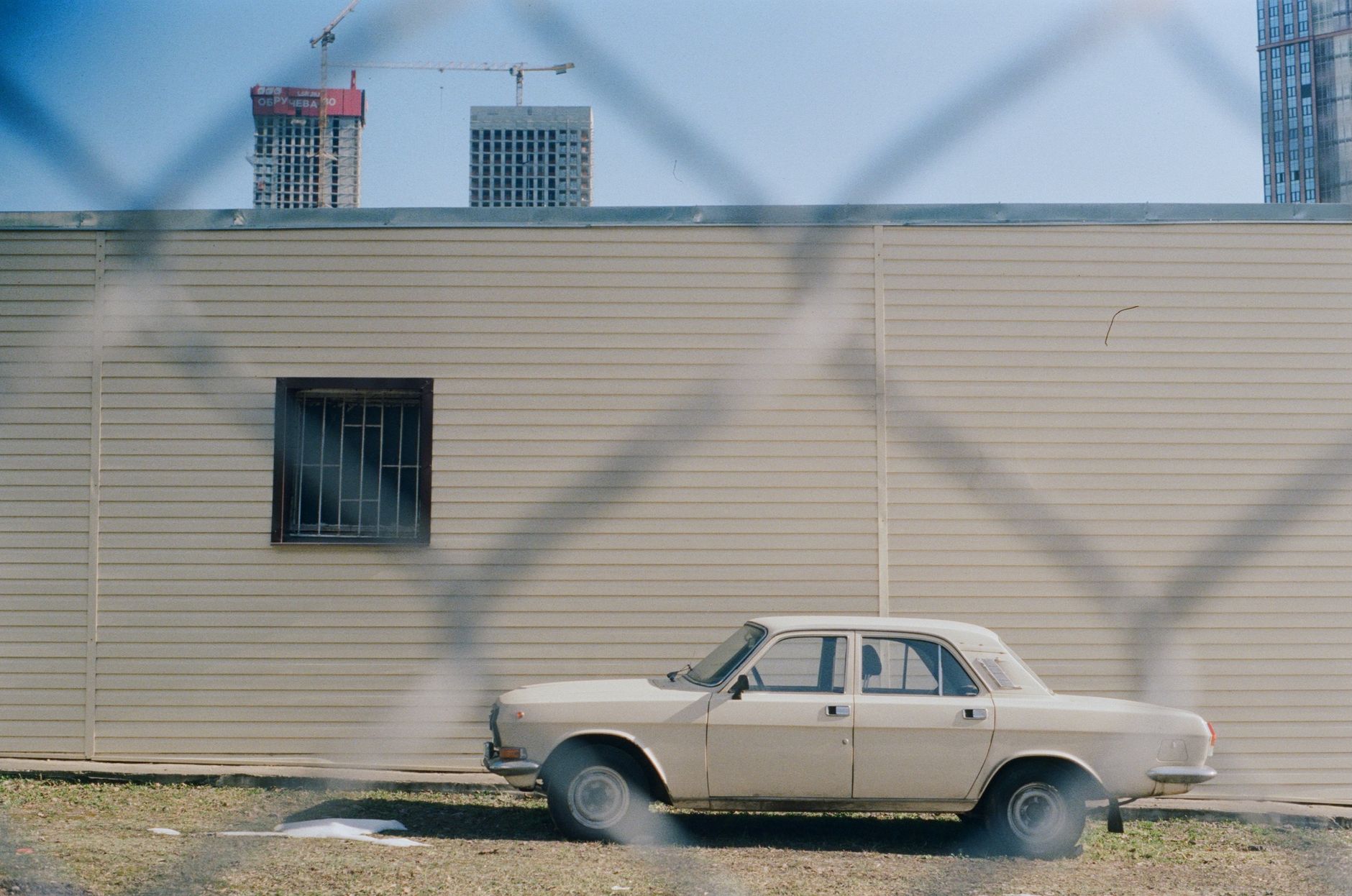
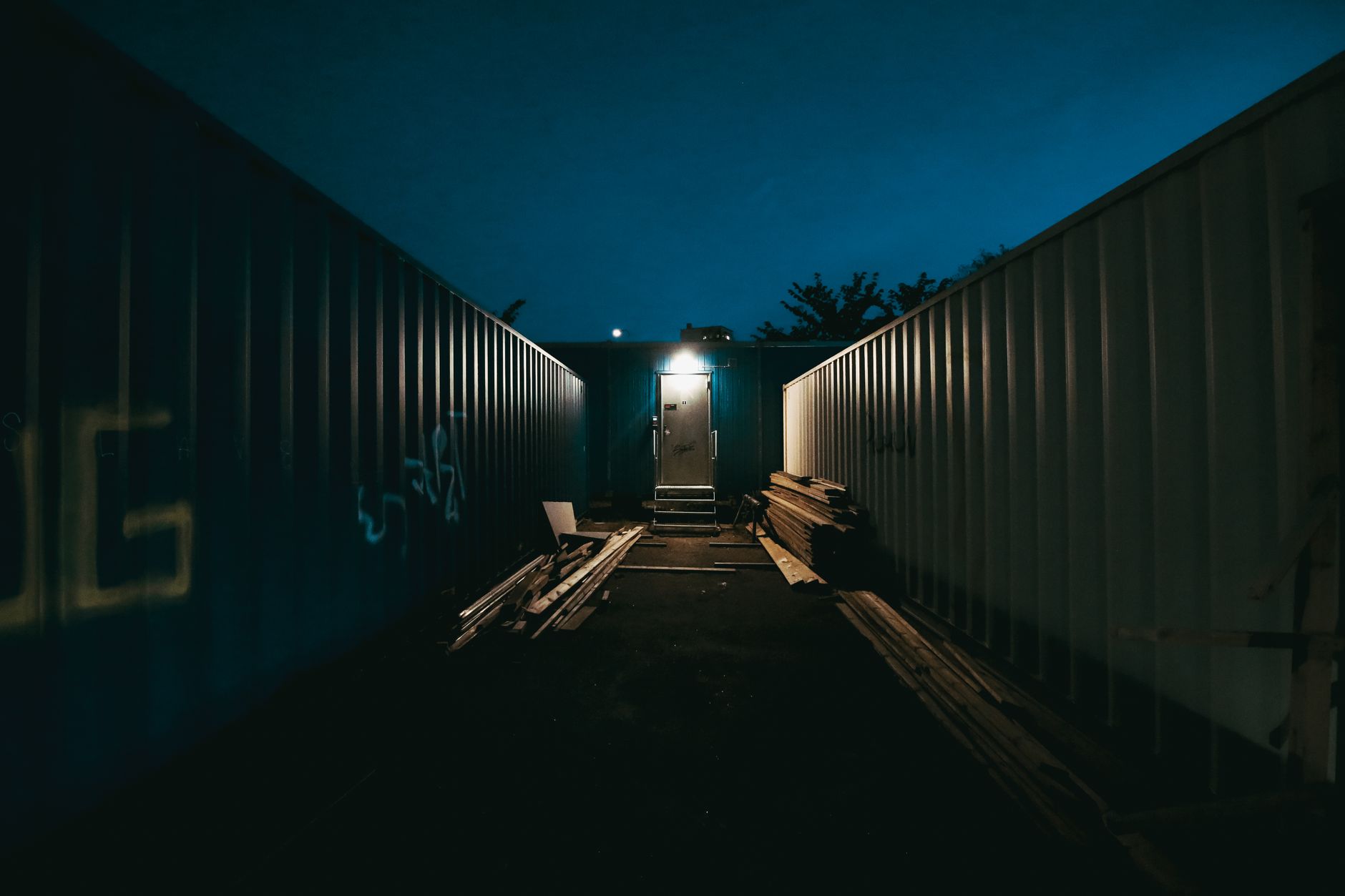
Infrared lights the camera, not the shadow. A stack of vehicles, a trailer parked across a gate or a lamp that washes out one row can hide a segment even when every sensor works. SMP's perimeter guidance is direct about this: where the illumination it needs cannot reach some segments of the route, it recommends installing night markers on fence posts.
Two more limits belong on the walk. A robot cannot patrol a gap it cannot reach, so a gate left open or a corner where the fence has been cut needs a fixed sensor or a person. The route also has to avoid live work, so a row where a tow crew is still hooking up a vehicle should be routed around or scheduled out.
How alarms should be verified before anyone is called
Most overnight alarms are not intrusions, so the filtering stage matters. As of November 2026, Knightscope's ASF brochure describes a chain running from autonomous detection through AI filtering, human verification and command-level escalation. Cobalt's alarm response integration page says its robots inspect a breach site, acknowledge false alarms automatically and escalate real incidents to a human operator with a complete record.
The human step deserves the most planning. Ambient.ai's alarm management guide describes the ANSI/TMA CS-V-01 alarm verification process as the monitoring station's way of confirming whether an alarm reflects a genuine event. Its discernible image standard means footage clear enough to identify objects. The same article warns that operators split attention across many monitors and may not consistently meet their own response-time targets.
A clean, identifiable clip sent at 2 a.m. is worth more than a dozen blurred ones. Ask vendors how their clips are framed, how long a clip is kept and who sees it first.
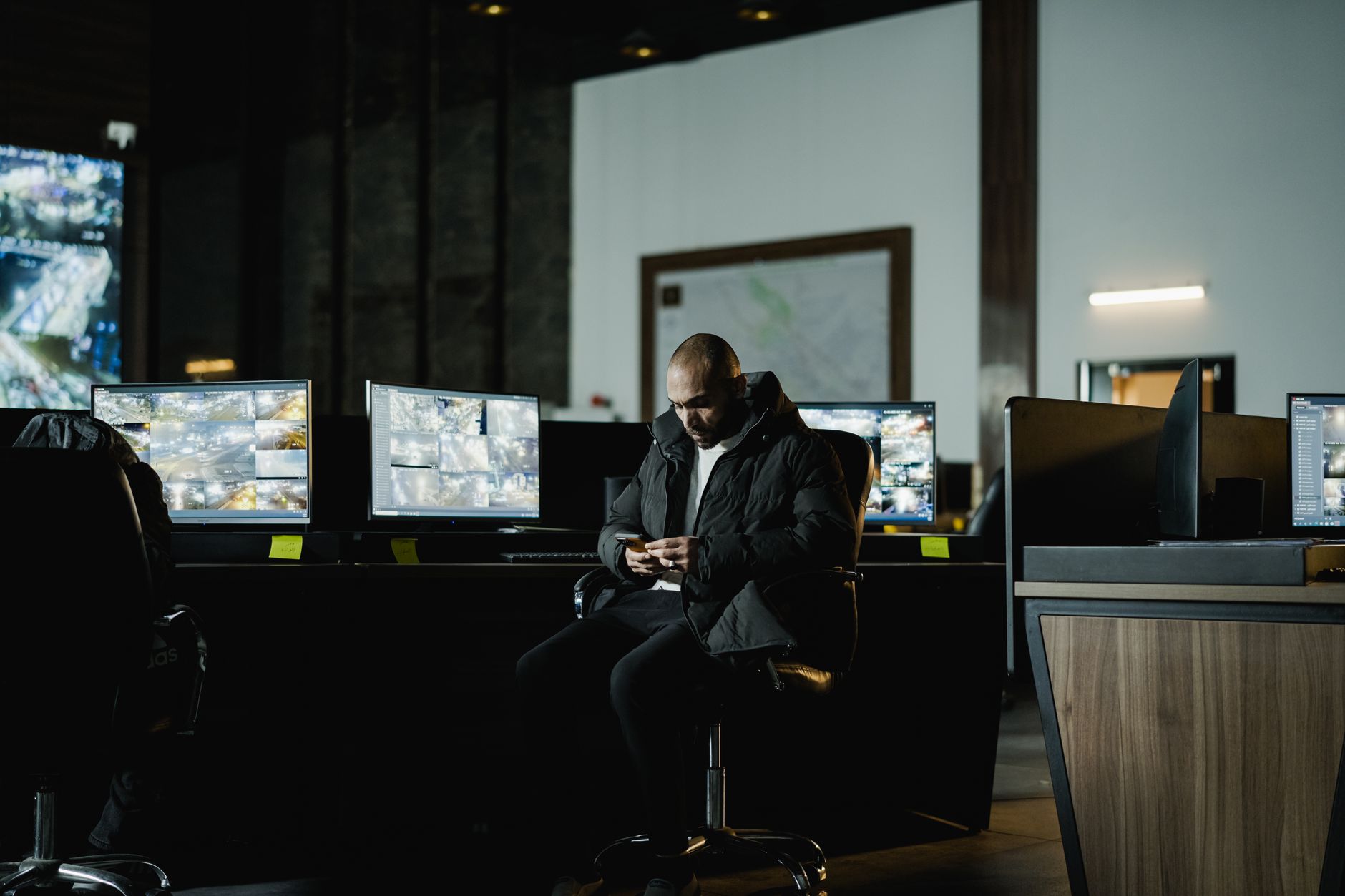
Which escalation steps to write before the first night
Write the ladder down before go-live, with a name and a number at each rung. The sequence below is a starting point. We found no numeric escalation standard specific to security robots, so the time limits are yours to set and test.
- The robot detects movement or a breach at a fixed point and takes a camera check at that spot.
- A remote operator reviews the clip against the known schedule, such as a tow dispatched to the lot or a keyholder on site.
- Anything unresolved goes to the dispatch office with the image and the map location attached.
- The dispatch office calls the on-call yard contact, and calls local police when an unauthorized person is confirmed on the lot.
- Each step is logged with the time, the decision and the person who made it, so the first weekly review can measure response.
What an equipment yard study adds to the picture
The closest public research is a 2025 Caltrans report titled Evaluation of Mobile Robot Teams for Security of Caltrans Equipment Yards and Maintenance Stations. It tested mobile robot guards against theft at equipment yards, where vehicle component theft continues, and ran one system for six months at a Caltrans maintenance yard, with surveillance data and a cost-benefit analysis.
We did not confirm the study's results for this article, so read it for method. Its test design, including how long the trial ran and what data it collected, is a better model for your own pilot than any vendor's lux table.
What to check on the first site walk
Walk the yard at the hour the robot will work, not at noon. Bring a light meter if you have one, and photograph every dark segment you find.
- Mark each fence segment, gate and lot row where light at the dispatch hour falls below the conditions a bidder's test assumes.
- Record where stacked vehicles, trailers or signage block sight lines to fences or gates.
- Note every gap, cut corner or gate left open that a patrol route cannot cover.
- Decide where night markers, fixed lights or a fixed camera are needed for the dark segments.
- Confirm wireless coverage along the route and at the dispatch office.
- Name the on-call contact for each escalation rung and the hours that person covers.
- Ask each vendor for its lux test conditions and the response times its plan assumes.
Where Service Robot Co. fits in the plan
Service Robot Co. is an OEM-neutral integrator, so the robot for your yard is picked across manufacturers, not from one catalog. We deploy and integrate the unit with your dispatch workflow, train your staff and service every robot under RoboCare, our service plan, backed by regional service engineers in every state we service. One vendor for the whole lifecycle, not six.
You access robots through a lease with financing. Our offer is a 3-year lease with one fixed lease payment quoted after a site assessment, so the first walk in this checklist is also the first step toward a quote.
Frequently asked questions
Want a robot working for you?
Tell us the job and the site. We will recommend the robot, quote the lease, and keep it serviced.