Key takeaways
- Robot mowers suit the open turf at self storage sites, not gravel or lanes.
- Map gates, sensor pads and drive lanes as keep out areas before the first pass.
- Wire boundaries keep working under tree cover, while RTK needs a clear sky view.
- Run supervised daytime passes first, then decide on any unattended runs.
- Ask which safety standard the exact model was evaluated against.
Can a robot mower handle self storage grounds?
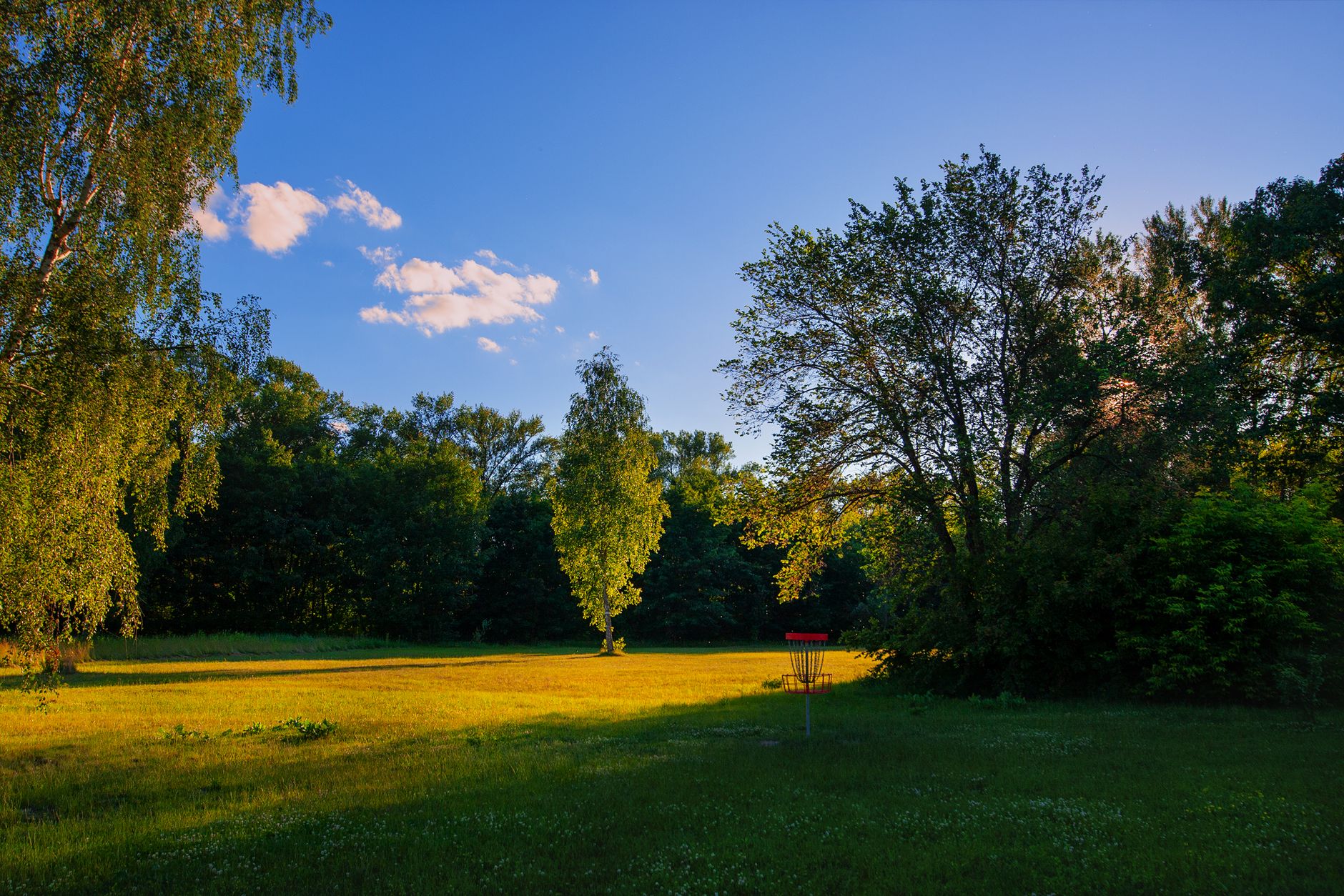
Yes, for the grass. A self storage site is mostly open turf and gravel, with gated entries, fence lines and drive lanes that vehicles use at all hours. A robot mower earns its place on turf you can map cleanly and cut on a steady schedule. Gravel, lanes and the detail beside each fence stay on the crew's list.
The sector is large enough that small site decisions add up. The Self Storage Almanac section 1 industry data reports a facility count that rose from 52,301 to 57,981. IRR's 2026 Self Storage Report estimates between 58,000 and 65,000 facilities, depending on the source. Counts vary, so read them as a range rather than a census.
We did not find published mowing guidance written for self storage grounds. What follows applies general robot mower setup practice to this site type, and every site still needs a walk before any boundary is drawn.
Which grass areas suit a robot mower?
Start by sorting the site into zones. A useful zone has steady ground, clear access for the mower and few hard obstacles. Gravel and paved surfaces are not mowing ground at all, so mark them as hard boundaries that the route never treats as grass. Turf that runs right up to a fence is not the same job as turf beside a lane, because the keep out rules differ and the crew still trims the fence edge.
Most storage sites divide into four zone types worth marking:
- Open turf between building blocks, where long straight passes suit the mower
- Strips along fence lines, which need the crew's trimmer and edger after robot passes
- Grass beside gate approaches, where vehicles stop and idle and the mower should stay out
- Turf around the office and entry drive, marked as keep out during business hours
How do you map the boundary without tying up the lot?
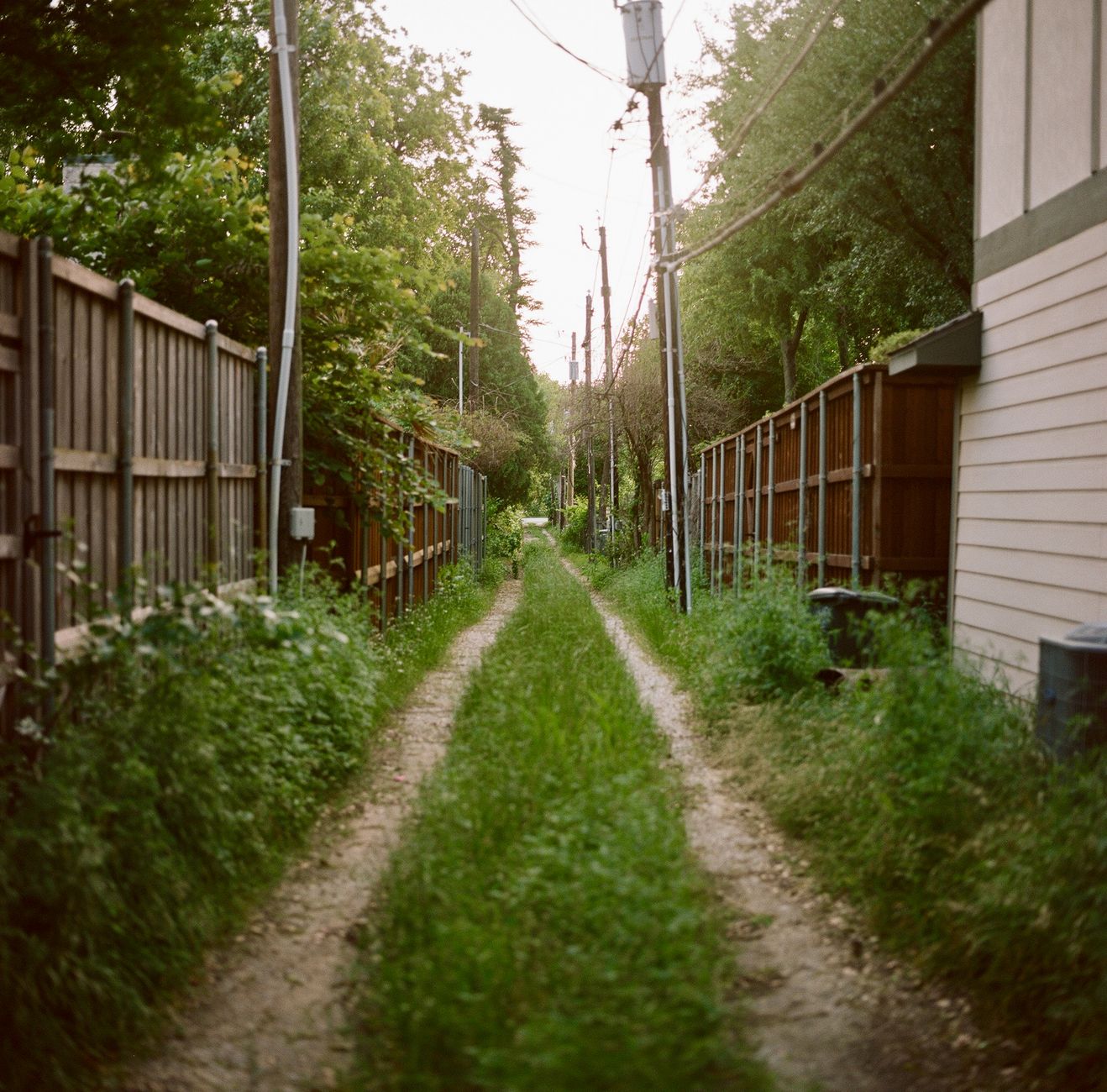
Boundary method is the first big choice. A Lymow comparison page, checked in November 2026, puts wire installation at an estimated 4 to 8 hours of trenching and laying wire, against 30 to 60 minutes for RTK app mapping and base station setup. Those are vendor claims, so time a trial section on the actual ground at the site.
Each method carries a trade. Wire boundaries keep working under tree cover, because they do not depend on satellite signal. RTK needs a clear view of the sky, and a general installation guide says the base station should not be moved after mapping, since that shifts every boundary. Storage fence lines often carry tree belts, so test signal along them before choosing.
Wire has its own prep. A Navimow guide advises cutting grass below 6 cm before laying wire, and it recommends guide wires for long or narrow passages to help the mower find its charger. Narrow drive openings are where that advice matters most. An Eufy page notes that a change such as adding a garden bed is a major undertaking with physical wire, while an RTK boundary is redrawn in the app.
How do you keep gates, sensors and lanes out of the route?
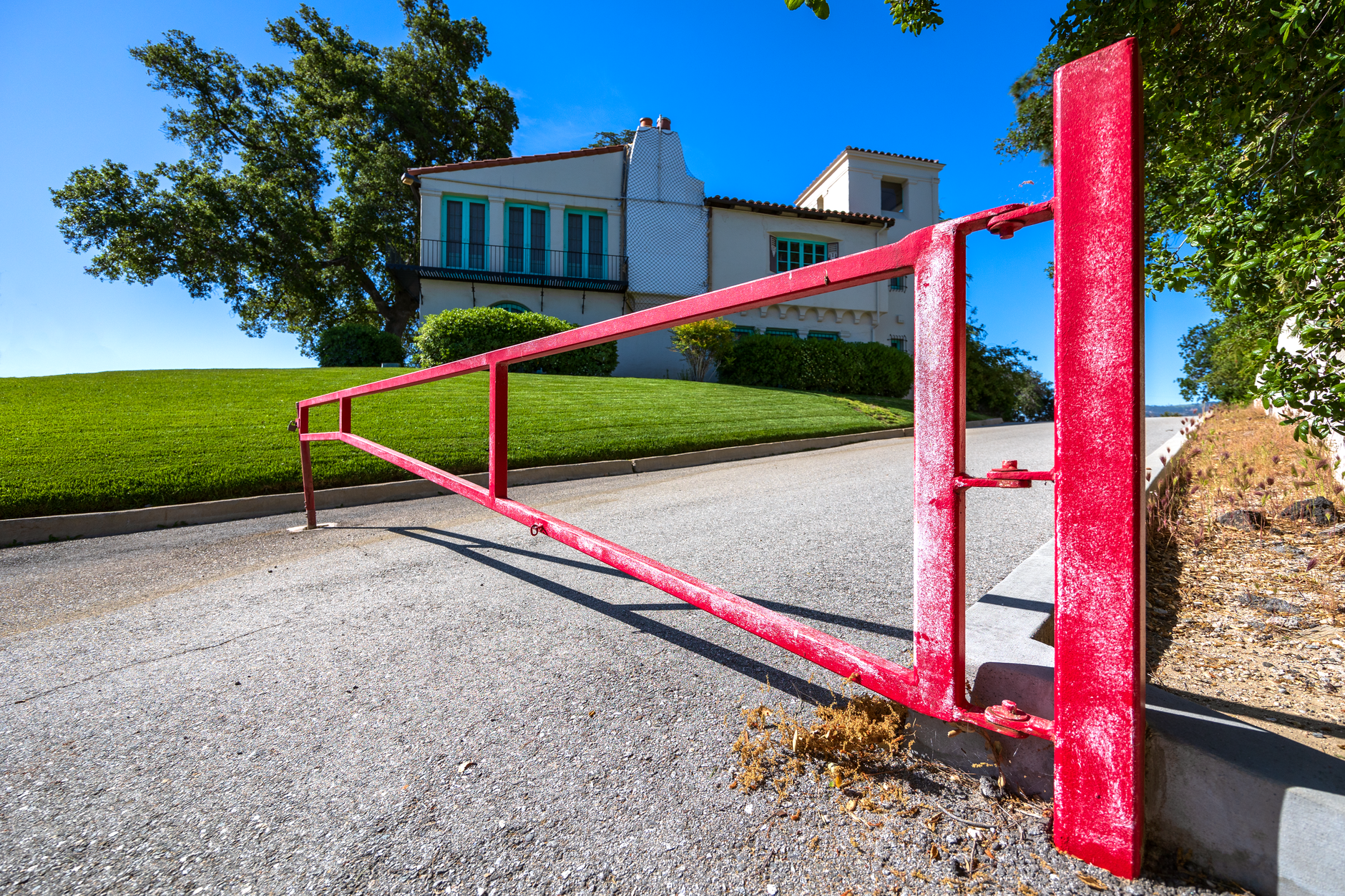
Map every gate track, sensor pad and drive lane as a keep out area before the first pass. Vehicles use these lanes at all hours, so the route cannot assume a lane is empty. Set the boundary with some margin on the mower side, not right against the pavement edge.
Ask the vendor how a keep out area is handled when a gate or lane layout changes. Storage sites get reconfigured, new gates go in, and a boundary drawn last year may now cross a lane. Remap after any change to the entries, then run a supervised pass before any unattended run.
Gate sensors deserve a line on the walk checklist. Confirm with the vendor how the mower reacts when something enters its path, and how it stops or reroutes.
When should supervised passes run?
Because vehicles use the lanes at all hours, first passes should run in daylight with a crew member present. A supervised pass tests the boundary against real vehicle use rather than the drawing. It also shows which gate approaches need a tighter line.
Match the schedule to how the site moves. Pick a window when gate traffic is lighter, and keep the crew on the fence edges, the trimming and the clippings. The mower takes the open turf. The crew takes the detail.
Keep a log of each pass: zones covered, anything the mower stopped for, and any change to a gate or lane. That record shows when unattended runs are reasonable, and it shows where crew hours really go.
What safety standards should a grounds robot meet?
UL 3300 is the most relevant standard we found. It covers Service, Communication, Information, Education and Entertainment robots, meaning commercial service robots where operation does not need a skilled person present. UL names mobility and manipulation hazards from speed and mass, plus fire and shock. It excludes industrial only robots and portable robotic vacuums under UL 1017.
A GlobalSpec listing shows UL 3300 as active, with a publication date of 14 May 2024. We did not find mower specific requirements in that material, so do not read the standard as confirming a grounds mower is covered. Ask the vendor which standard the exact model was evaluated against, and whether that testing covers outdoor work near vehicles and people.
Where does Service Robot Co. fit in?
We are an OEM neutral robot integrator, so the mower is chosen for the ground, not for a single brand's catalog. Service Robot Co. leases robots through financing on a 3 year lease, and the lease quote is one fixed figure set after a site assessment. That assessment is where the zone map, the keep out list and the supervised pass schedule get built.
After go live, we deploy, integrate and train the crew, then service each unit under RoboCare™, backed by regional service engineers in every state we service. One partner covers the whole lifecycle instead of splitting the mower, the setup and the repairs across several vendors.
Frequently asked questions
Want a robot working for you?
Tell us the job and the site. We will recommend the robot, quote the lease, and keep it serviced.