Key takeaways
- A handoff is complete only when the incoming lead has confirmed the machine position, its status and who receives its alerts.
- The outgoing lead should log the exact stop point, the last alert and any turf or obstacle changes before leaving.
- Toro's listed return to service step has a person walk to the machine and confirm its condition before autonomous mode resumes.
- Confirm any remote pause or stop feature with your vendor, because the public material we checked does not settle it for every fairway model.
- Write your removal triggers before the first handoff, since the public sources we checked publish none.
What a clean handoff needs to settle
A clean handoff settles four facts: where the mower stopped, why it stopped, who receives its alerts now, and what must be true before it rolls again. If any one of those is missing, the machine stays parked until someone confirms it on the ground.
Most split shift trouble lives in the gap between two people, not in the machine. A pass left half finished at two in the afternoon can look fine in a log and still hide a sprinkler head, a soft low spot or a golfer crossing the corridor.
What the outgoing lead records before leaving
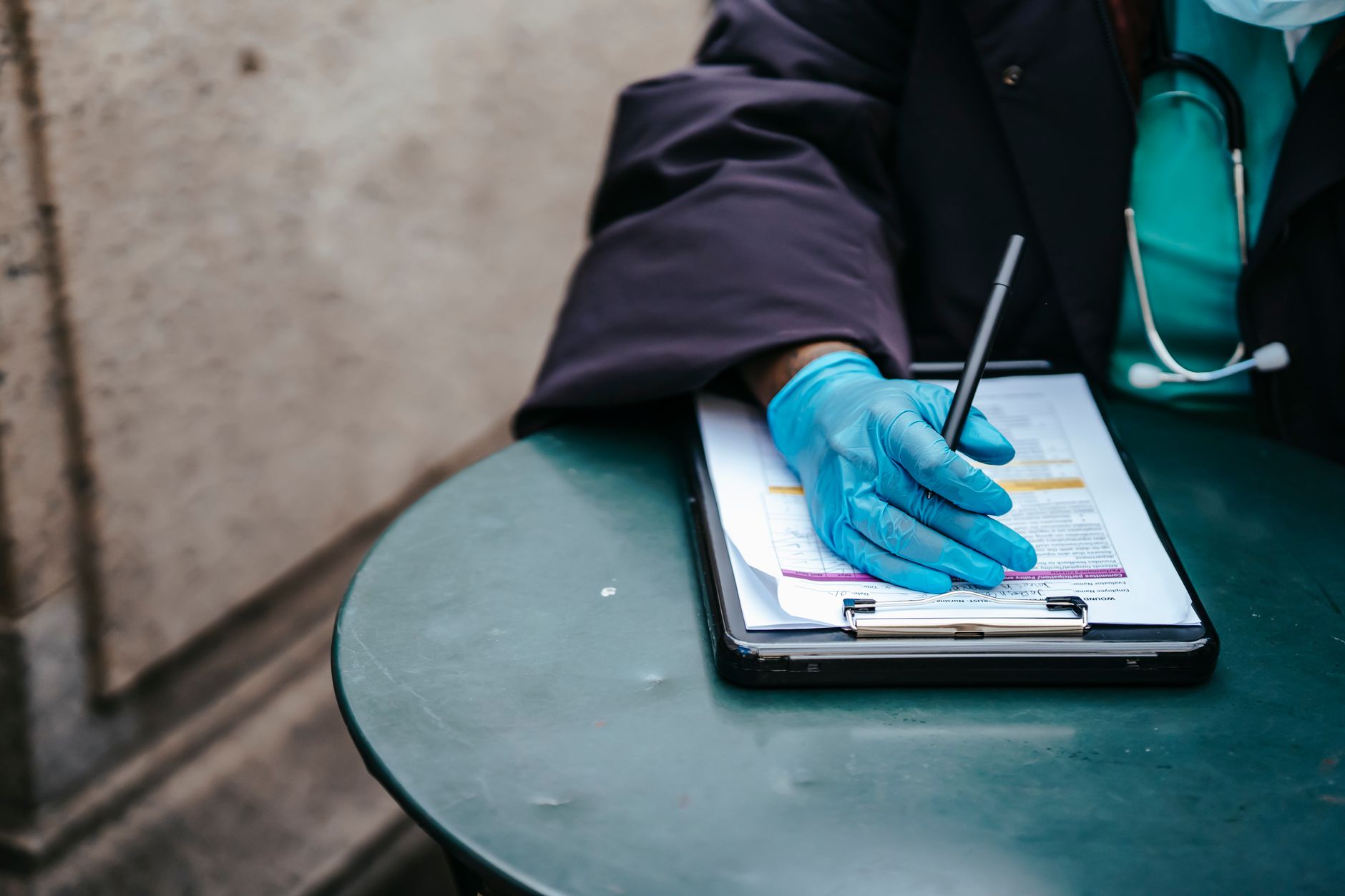
Write the record while details are fresh, not at the end of the day. A card in the cart works as well as a shared document, as long as the same fields get filled every time.
The record should carry these fields:
- Route or pass ID and the exact stop point, described by hole and landmark as well as by any app coordinate
- Time of the last alert, its text, and who cleared it or whether it is still open
- Any turf, edge or obstacle change seen since the route was last checked
- The machine status: pulled, paused or left running, and where it is parked
- The name of the supervisor who receives alerts after this handoff
Who receives the alerts after the shift changes?
Toro says its GeoLink autonomous fairway mower series sends real time text alerts about faults and required actions to a designated autonomous supervisor, and that the app runs on a phone, tablet or desktop (vendor reported, as of November 2026). That design puts the handoff in one named person, so the name has to change in writing at every shift change.
Two phones ringing for the same fault wastes minutes, and an alert left on the wrong shift's device is worse. Name a backup supervisor for the hours when the lead is on a site visit or off the property, and keep radio contact with any crew member working near the route.
How the machine returns to autonomous mode

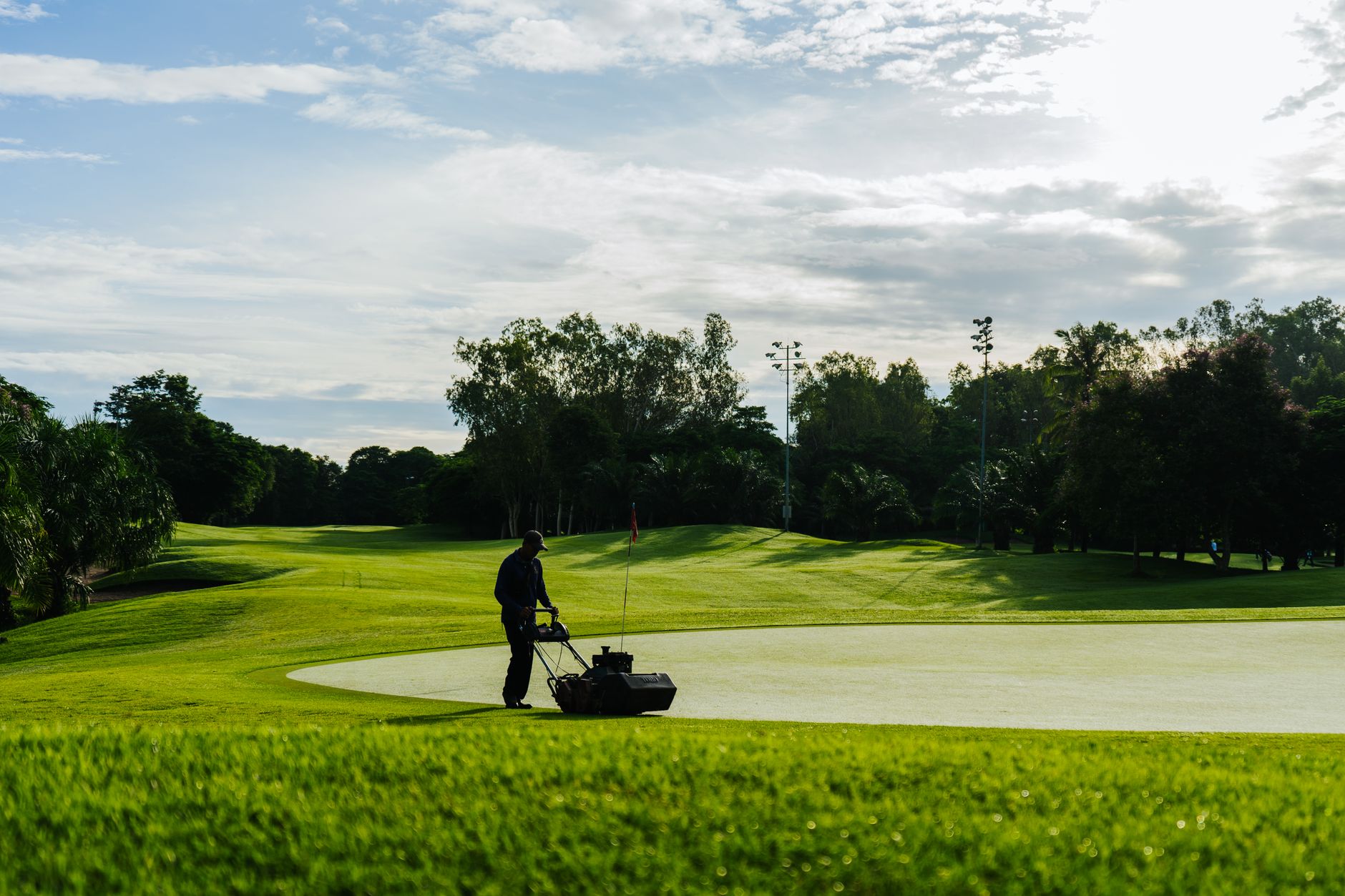
As Toro describes it, the responsible remote operator receives a text, goes to the machine, confirms it is in acceptable condition, and only then returns it to autonomous mode (vendor reported, as of November 2026). The person who makes that walk should be the incoming lead, because that person now owns the route.
Use the walk to check what a screen cannot show: a machine tilted on a slope, damage to the cutting deck or guards, a wheel track cut into wet turf, and anything caught around the wheels. Log what you saw even when nothing was wrong, since a clean check is also evidence.
Remote pause and stop: verify before you rely on it
Treat remote pause as a feature to verify, not one to assume. James River Equipment's product page, checked as of November 2026, lists remote pause and resume for one mower or a group, plus a single belt clip controller that handles up to three machines. The page does not clearly confirm a fairway model, so ask whether the function applies to the exact machine you run.
For Toro's GeoLink series, the public material we checked did not describe an explicit remote stop or pause command. Confirm it through Toro's app documentation or a dealer before writing such a command into your procedure. FJD's ATX retrofit kit page lists 360 degree monitoring, obstacle avoidance, physical bumpers and emergency stop functionality, but it is a retrofit kit, so check fit and scope before counting it for a fairway fleet.
When should a mower come off the course?
The sources we checked publish no written pull off thresholds, weather limits or hazard rules for fairway robots, and this article will not invent them. Set your own triggers with the superintendent, the crew and the vendor manual before the first handoff, and print them on the same card the outgoing lead fills in.
These are the categories worth deciding in advance:
When a trigger fires, the machine comes off the course, and the record shows the time, the trigger and who made the call.
- An alert the incoming lead cannot clear using the manufacturer steps
- A machine position that does not match the log, or that sits in a hazard area
- Any physical damage, or a person, animal or cart in the path
- Turf conditions your agronomic plan has flagged, such as saturated or frost affected ground
- Lightning or other weather your course policy names
Why thin crews make handoffs harder
In a 2022 labor survey, GCSAA reported that 63 percent of respondents rated the labor market bad or very bad, and only 9 percent rated it good or very good. A crew with one lead covering two shifts has less slack when a machine stops partway through a pass. Golfdom's April 2025 article on superintendent labor strategies is a useful read on the same problem.
Service Robot Co. leases commercial robots through financing on a three year lease, with one fixed robot lease payment quoted after a site assessment. We deploy, integrate, train and service each unit under RoboCare, our robot maintenance service plan, backed by regional service engineers in the states we service. Before signing, a crew should check the onsite dispatch path in that plan, because an idle unit is the case where handoffs fail first.
Frequently asked questions
Want a robot working for you?
Tell us the job and the site. We will recommend the robot, quote the lease, and keep it serviced.