
Key takeaways
- Sleep Corp deployed Neo in January 2022 across an 8,000 square meter combined warehouse and manufacturing site in Melbourne.
- Avidbots reports more than 25,000 square meters cleaned monthly at about 87 percent coverage.
- Customer materials cite more than 500 cleaning labor hours saved to date with Command Center oversight.
- Sewing dust and loose thread required test runs before leadership trusted brushes in production aisles.
- Service Robot Co. can finance and service OEM-neutral scrubbers for US plants under one RoboCare plan.
Why did a bedding manufacturer automate floor care in a new plant?
Sleep Corp designs and manufactures bedding and healthcare textile products for retail, hospitality, and clinical buyers in Australia. According to Avidbots customer materials, the company moved into a new 8,000 square meter facility that combines warehousing and manufacturing under one roof.
Operations Manager Ryland Joyce told Avidbots that technology and innovation sit at the center of quality benchmarks customers expect from Australian-made goods. White products that land on beds leave no margin for visible dust or streaks on concrete.
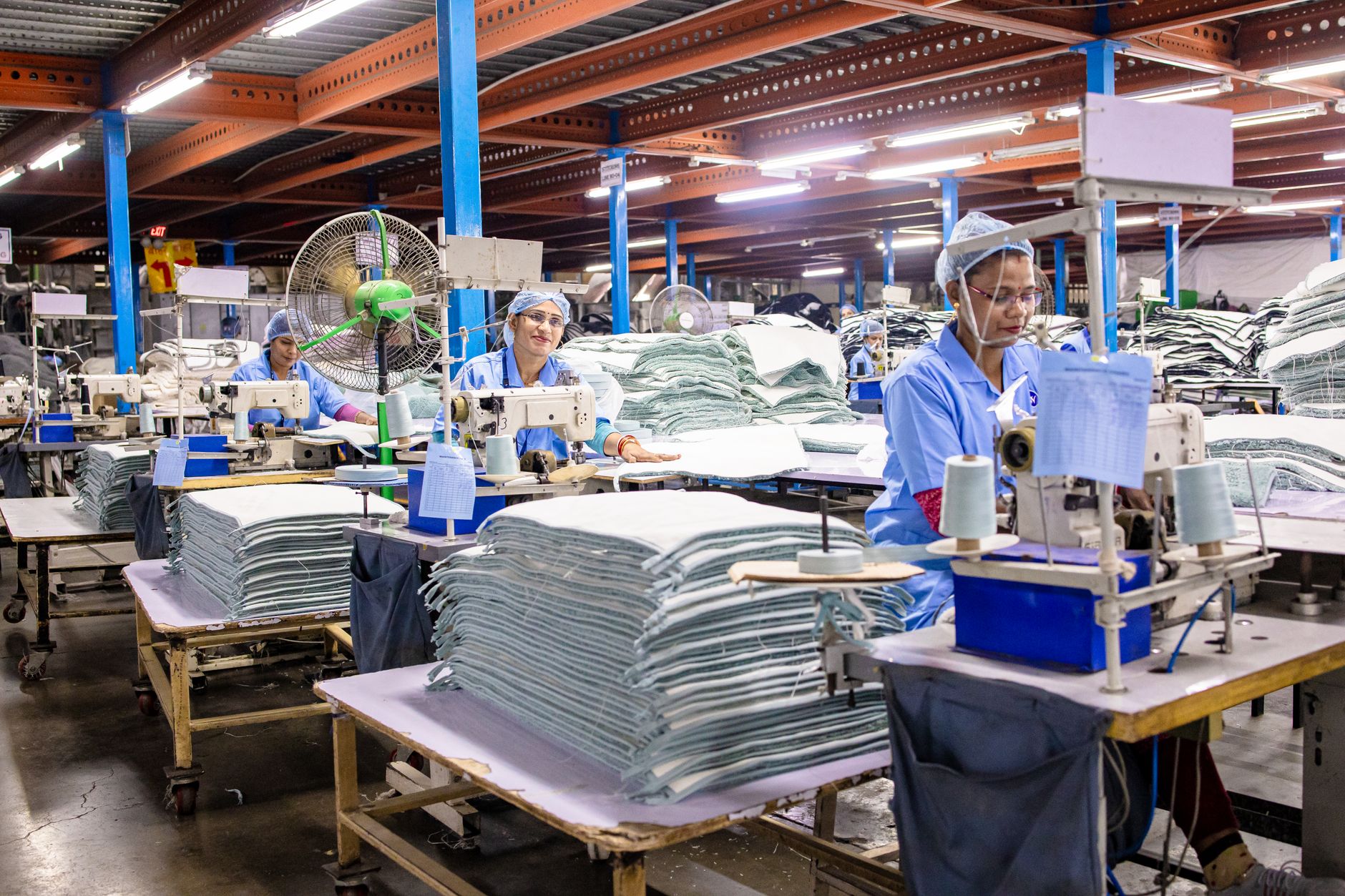
Manual sweeping in an older 2,500 square meter building had become unsustainable as volume grew, even after leasing adjacent space. Leadership wanted repetitive scrubbing off skilled seamsters who cut, stitch, and inspect Protect-A-Bed style lines.
Choosing a fully autonomous scrubber rather than another walk-behind machine avoided reskilling associates to push equipment all shift. Joyce described the decision as buying the machine to go, not hiring a dedicated operator for it.
What makes sewing dust hard on warehouse scrubbers?
Joyce told Avidbots that sewing generates fine particle dust and loose thread from cutting, snipping, and sealing seams. Tiny fluff floats above machinery and settles on floors across production and storage zones.
Leadership initially doubted a floor scrubbing robot could handle thread without damaging brushes or clogging recovery paths. Avidbots brought a test robot for runs under realistic operating conditions before purchase.
Those trials matter for any US cut-and-sew or foam plant evaluating autonomous scrubbers. Fiber load is closer to apparel than a pallet-only DC, and buyers should demand proof in their own aisles, not a demo hall.
Document brush wear and squeegee checks weekly during the first month so maintenance can compare against manual sweep logs.
How did mapping and zones work in a hybrid building?
Avidbots and Sleep Corp mapped the full facility together, with Joyce reporting that mapping and training took about a day. Slow-down zones and no-go zones on cleaning maps kept sewing cells and forklift highways separated.
New zones were added as renovations finished in areas that were not ready at launch. Joyce said folding those zones back into plans was straightforward once the base map existed.
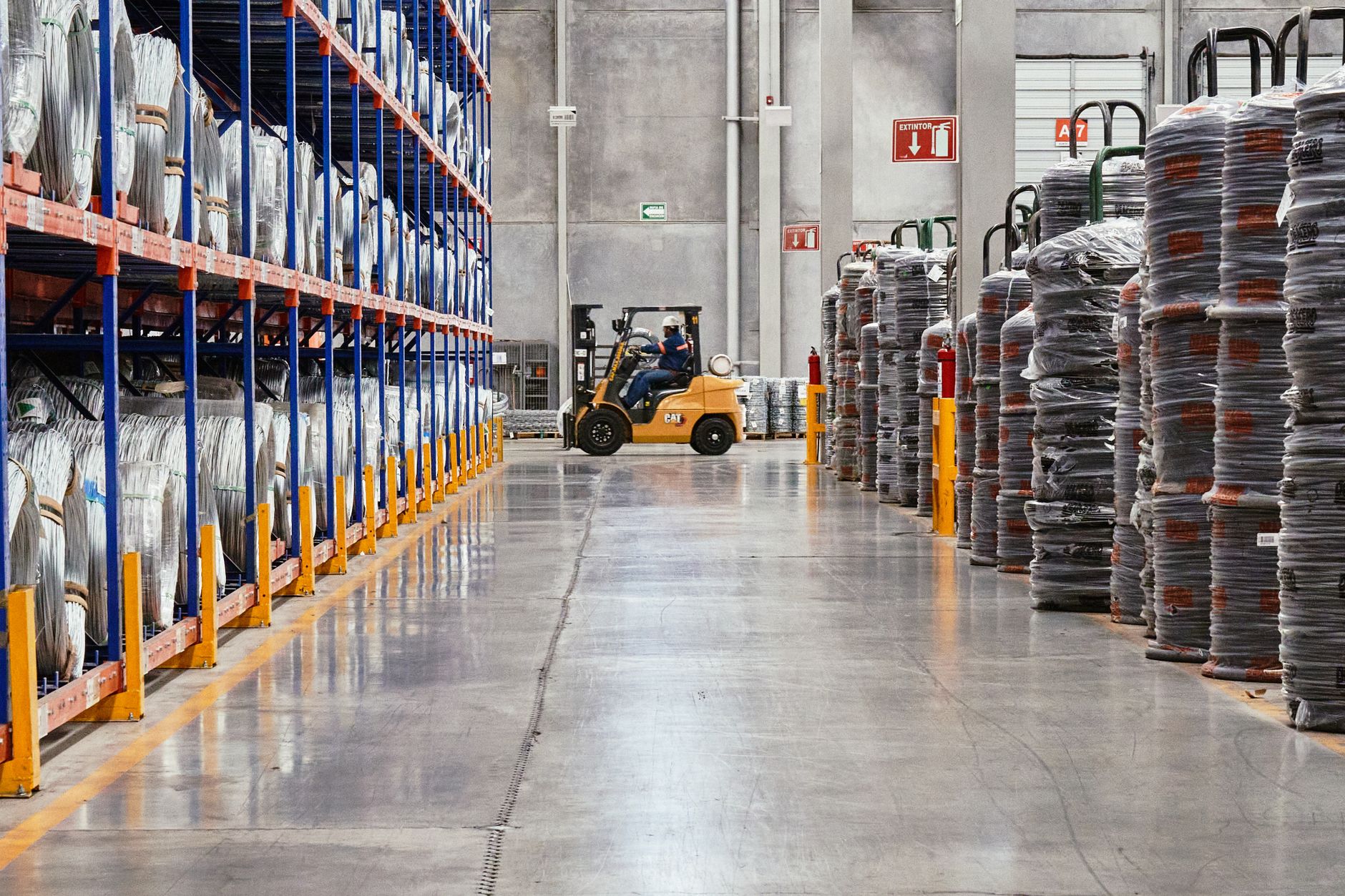
A forklift highway along the front of the warehouse remains a high traffic strip Joyce uses during customer tours to show polished, consistent floors. That visual proof supports sales narratives about quality control.
US sites should map pallet staging separately from needle zones so scrubbers never cross active kitting tables without supervisor approval.
What results is Sleep Corp reporting from Neo?
Avidbots states Neo cleans more than 25,000 square meters per month with about 87 percent coverage at Sleep Corp. The same materials cite more than 500 cleaning labor hours saved to date.
Deployment began in January 2022 at the Melbourne location, covering all 8,000 square meters of combined manufacturing and warehousing space.
Joyce highlighted Avidbots Autonomy dynamic path planning when pallets, crates, or new workflows shift daily layouts. Not reteaching routes after every minor change preserves uptime in a plant that launches new SKUs regularly.
Track square meters per shift and hours redeployed to QC tasks when you present expansion requests to finance.
How does Command Center change management oversight?

Joyce uses Avidbots Command Center from a phone at night to confirm Neo is running without standing beside the machine. Real-time monitoring and customizable reports provide visibility when leaders prefer set-and-forget operation.
Command Center analytics join existing production data streams Sleep Corp already monitors. Cleaning metrics become another dashboard row instead of anecdotal floor walks.
Export monthly coverage and water use reports before auditor or retail buyer visits that include plant tours.
Set alert thresholds for missed plans so supervisors see gaps before white-goods inspectors do.
What did onboarding include beyond hardware delivery?
Avidbots onboarding for Sleep Corp included onsite mapping, tailored training for custodial staff and supervisors, and Command Center orientation. Maintenance modules covered hardware and software basics.
Joyce noted Avidbots stayed engaged after deployment, checking Command Center and following up without a drop-and-run handoff. Relationship continuity mattered as much as brush paths for a quality-sensitive manufacturer.
US integrators should mirror that with train-the-trainer sessions and a named RoboCare owner after go-live.
Record a short internal video of your lead starting a plan so weekend staff have a reference clip.
How does this compare to hiring another sweeper?
Joyce contrasted high-quality manual equipment that might break under dust load with Neo test performance across the whole facility. The cost-benefit conversation focused on uptime and labor redeployment, not sticker price alone.
Australian wage and utility costs pushed Sleep Corp toward automation earlier than some US peers, but the labor math rhymes with tight hiring markets for night janitorial staff near manufacturing belts.
Financing spreads capital across months while preserving cash for sewing line upgrades.
Pilot Neo or a competitive scrubber for thirty days and compare slip incidents, thread pickup, and associate survey scores against your current sweep schedule.
What should US hybrid warehouses verify before copying Sleep Corp?
Run fiber and dust tests in active sewing or foam cutting zones before signing a lease.
Confirm water fill and dump locations match tank sizes near cleanroom-adjacent storage.
Align slow zones with forklift mast swing paths and pedestrian crossings.
Budget remap time when seasonal SKU builds change aisle widths.
Photograph floor reflectivity after week one for buyer tour baselines.
Verify detergent compatibility with anti-static or ESD flooring if electronics assembly shares the building.
When does an OEM-neutral integrator help multi-site manufacturers?
Sleep Corp standardized on Neo at Melbourne after successful trials. Other US bedding, furniture, or medical textile networks may want competitive bids across scrubber brands before repeating one model nationally.
Service Robot Co. compares industrial autonomous scrubbers, arranges buy or lease financing, deploys maps, trains staff, and services units through RoboCare with regional engineers.
Keep plant managers on one fleet reporting vocabulary even if Philadelphia and Phoenix choose different hardware.
Finance may prefer one lease schedule when the first site proves five hundred hours saved before rolling to a second plant.