Key takeaways
- Cart barns and member lots sit empty overnight while carts and fuel stay valuable.
- Solar cellular towers avoid trenching across turf to reach back-nine compounds.
- License plate logging at the entrance turns the main road into a documented access point.
- Live monitoring with audio deterrence beats recording-only systems for after-hours response.
- Service Robot Co. can layer surveillance with mowing and scrubbing under one integrator.
What actually gets stolen on a golf property after dark?
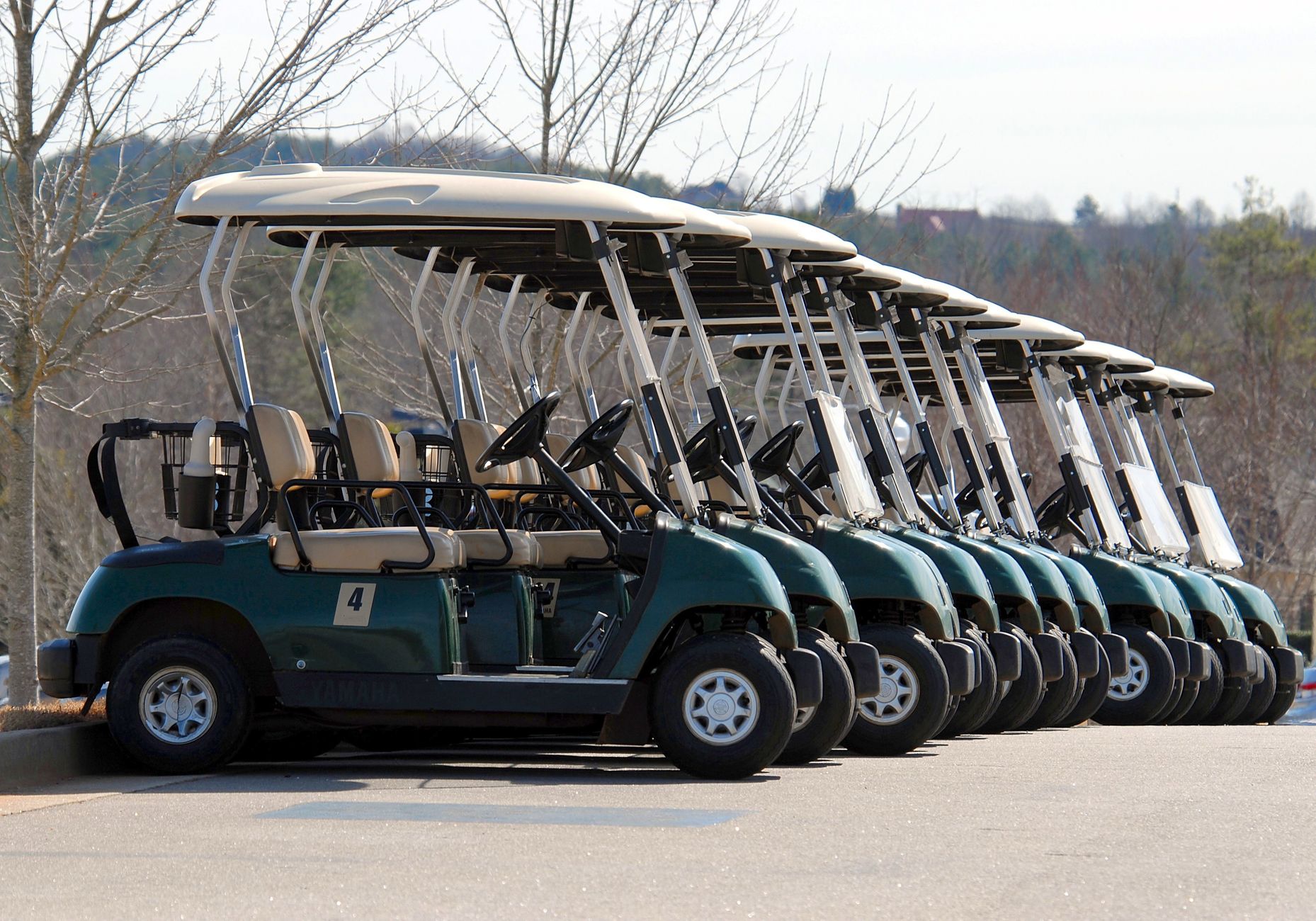
The clubhouse gets the cameras members notice. The real loss often starts in the cart barn, the maintenance compound, or a dark corner of the member lot where a joyrider finds keys left in a utility cart.
Industry security guides for golf properties describe cart theft, fuel and equipment loss from maintenance yards, and trespassing across open fairways once staff leave. Acres of unlit ground defeat a single fixed camera above the pro-shop door.
Solar cameras on a tall mast or trailer let you watch the compound and entrance without cutting conduit through a green.
Why is trenching such a deal breaker on a course?
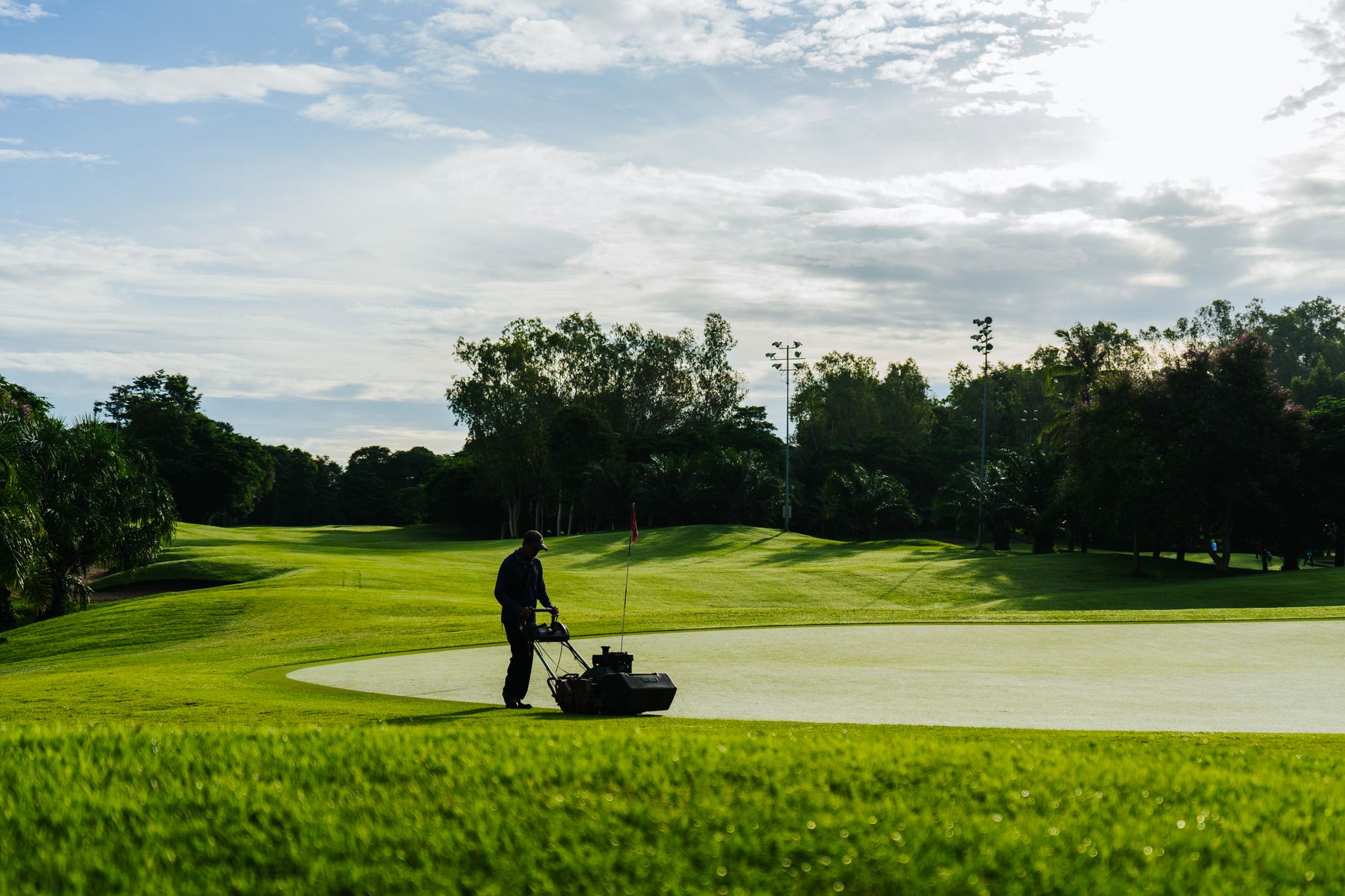
A parking lot camera project on a factory campus is a conduit run and a lift. On a course, every trench crosses irrigation, roots, and play corridors members paid to keep pristine.
Guardian Alarm and other golf security providers market solar-powered mobile towers precisely because they deploy without grid power or trenching across open ground. You stage the unit on gravel near the barn, raise the mast, and point cellular backhaul at the cloud.
When tournament week shifts risk to the member lot, you relocate coverage instead of rewiring the property.
Where should cameras go first on a typical 18-hole layout?
Start with the maintenance compound and cart storage. That is where high-value, easy-to-move assets sit behind a chain link fence that determined thieves still test.
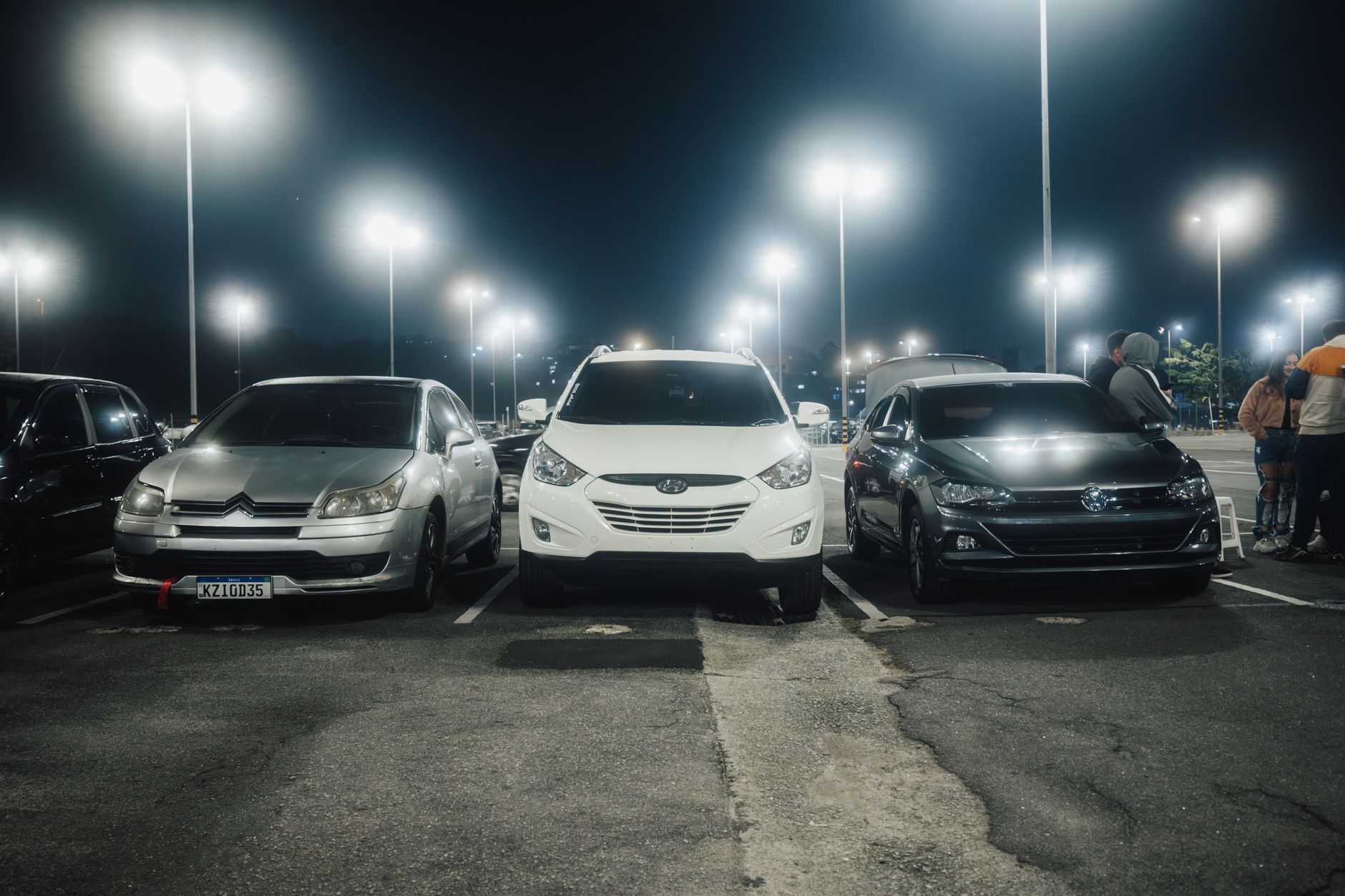
Add license plate recognition at the main entrance so after-hours arrivals are tied to a plate and timestamp instead of anonymous headlights.
Thermal or wide-area views on the holes closest to the road catch joyriding paths that start in the lot and end on turf.
- Cart barn doors and fuel storage within one panoramic view.
- Member and staff parking rows where break-ins start with smashed glass.
- Rear service drives where delivery trucks enter but cameras rarely follow.
How is live monitoring different from DVR footage?
Recording tells you what happened Tuesday when you review clips Wednesday. Live monitoring lets an operator speak through an on-site speaker when motion trips at 1 a.m.
Vision Detection Systems describes pairing solar autonomous units with a security operations center that verifies alerts and can involve law enforcement. The goal is to interrupt trespass, not document it for insurance alone.
Clubs still keep clips for insurance, but the operational win is fewer cart batteries drained and less turf repair after joyrides.
Can solar units survive coastal humidity and winter salt?
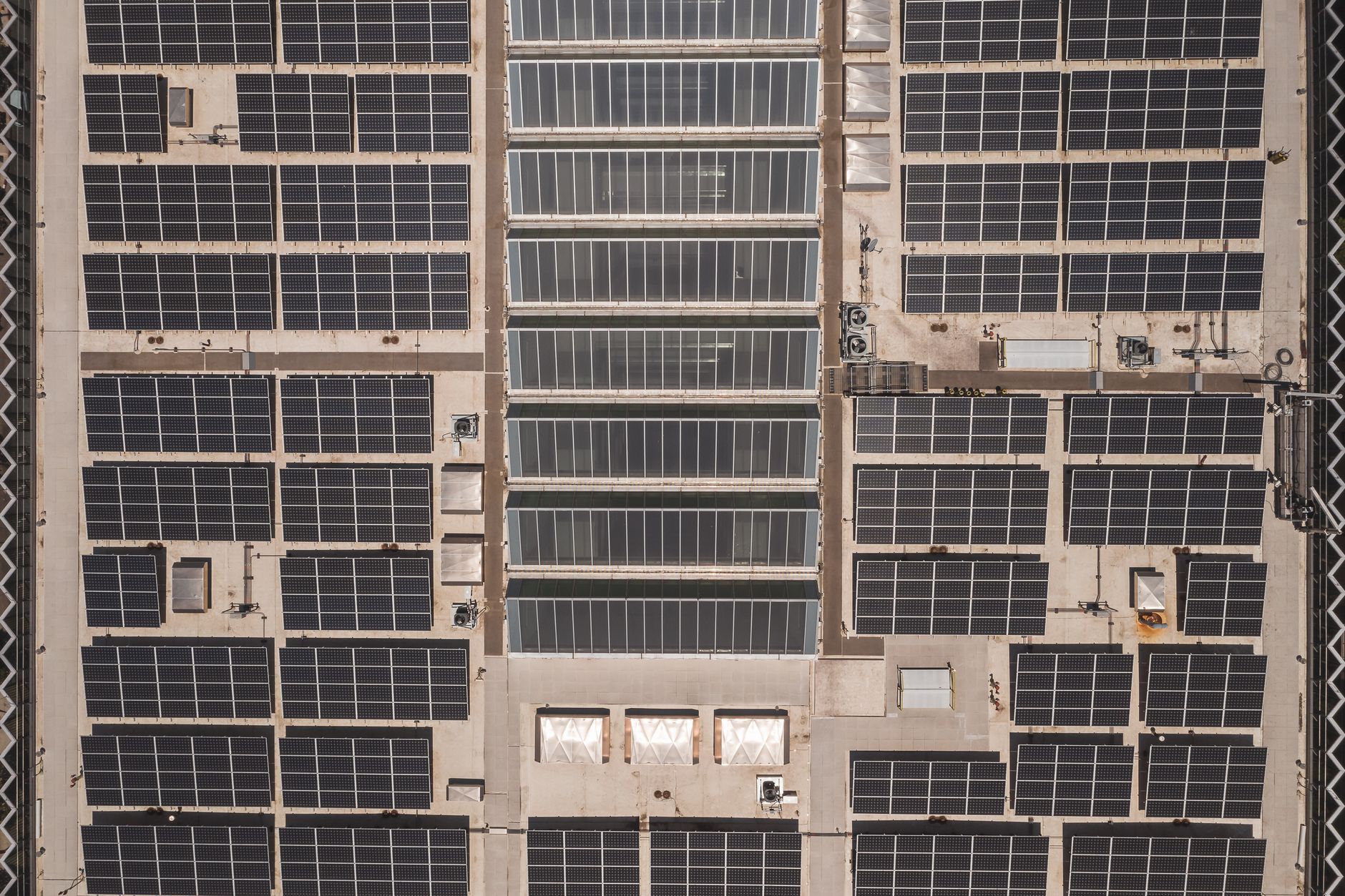
Delaware and Mid-Atlantic clubs see the same salt mist and freeze-thaw cycles as highway retail. Solar panels and sealed battery boxes need a maintenance plan, not a set-and-forget install.
Peak Vision's Golf Vision materials in New Zealand emphasize solar towers for car parks and sheds without data cabling, with placement planned around club hours and privacy masking. The lesson transfers: treat weather sealing and lens cleaning as part of the service calendar.
RoboCare-style service coverage for cameras should name who swaps a failed modem and who cleans pollen off the housing before pollen season.
How does this fit with fairway mowers and clubhouse scrubbers?
Golf automation conversations usually start with turf or locker room floors. Security belongs in the same integrator conversation because the compound sits between the lot and the first tee.
Service Robot Co. can add solar surveillance to a phased plan after fairway mowing or clubhouse scrubbing, still under vendor-neutral selection and buy or lease financing. One project plan beats three separate vendor relationships.
Greens and tees stay with the turf team. Cameras watch what they cannot when everyone goes home.
What should the board ask before signing a tower lease?
Ask where video lives, who can access it, and how long clips are retained. Member privacy at the pool deck or patio matters as much as cart-barn theft.
Confirm cellular data costs at full resolution and whether the vendor relocates units seasonally or charges a truck roll each time.
Run a two-week pilot aimed at the compound only. If alerts are noisy, tune detection before you promise the lot is covered.