Key takeaways
- Grit enters at bag drop and spike bars long before it shows up in dining rooms, so maps should start at exterior thresholds.
- Day dry passes handle member traffic while night wet recovery tackles locker-room tile and dining spills without blocking tee sheets.
- Mid-size scrubbers fit long clubhouse corridors; compact units earn their keep in pro-shop aisles and locker anterooms.
- Verified 2025 hardware launches target larger hospitality footprints, but route design still decides if members notice the machine.
- Buy or lease through financing plus vendor-neutral integration keeps one partner on mapping, training, and RoboCare service.
Where does dirt actually enter a golf clubhouse?
Members rarely notice floor wear until the spike bar looks dull or locker-room tile feels slick. The soil starts earlier, at bag drop, cart paths, and the short walk from parking to the pro shop. Grass clippings, sand from bunkers, and fine dust from cart tires ride in on shoes and wheels.
According to a 2026 Marosol case write-up on a Korean golf club, operators split roughly 300 pyeong of lobby and corridor space into day dry cleaning and night wet recovery because visitors moved through all day. The lesson for US clubs is simpler: map the paths first, then pick machine size.
Service Robot Co. treats that map as the site assessment. We walk the building with your facilities lead, mark where water is allowed, and note doors that cannot be blocked during a wet pass.
What belongs on a floor-care map from bag drop to locker room?
Start outside the main entrance. Threshold mats, vestibules, and the first twenty feet of lobby tile collect the highest grit load. Bag-drop zones and club-cleaning stations add organic debris and moisture near spikes.
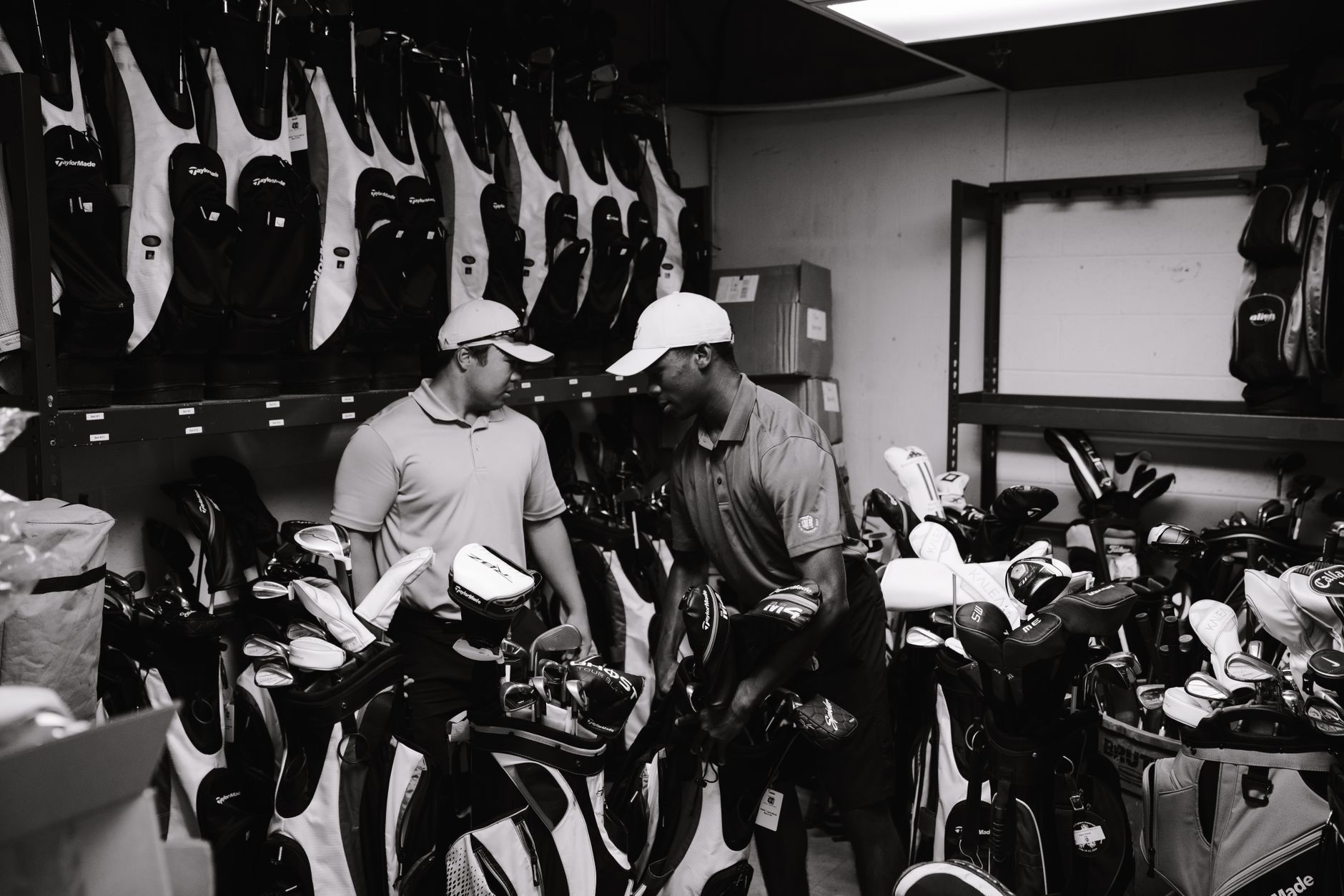
The pro shop needs tight turns around displays. Dining and the spike bar mix food service spills with the same foot traffic that just crossed the practice green. Locker rooms add humidity, body lotion residue, and shower runoff on tile.
Mark each zone with surface type, width, and the hours members use it. That sheet becomes the schedule backbone so autonomous scrubbers never fight a Saturday shotgun start.
- Exterior mat wells and vestibules: dry vacuum or dust mop assist, often twice daily
- Bag drop and club storage: dry pass after peak arrival windows
- Pro shop aisles: compact scrubber with narrow path planning
- Dining and spike bar: spot mop handoffs plus scheduled wet recovery after close
- Locker wet areas: night wet scrub with ventilation time before morning rush
When should a club run dry passes versus wet recovery?
Dry passes during open hours keep aisles presentable without laying down water near leather goods or carpet transitions. Members accept a quiet machine moving at walking speed if routes avoid the register and fitting bays.
Wet recovery belongs after the spike bar closes and locker traffic drops. The Marosol North Gwangju golf club case described roughly 400 meters of corridor scrubbed on a split schedule while three on-site cleaners handled detail work. The robot owned repetition; people owned edges and restrooms.
Humid southern summers extend dry time on tile. Build at least one hour of fan time into the locker-room window, or run wet passes early enough that floors are dry before the first lesson tee.
Which machine size fits a clubhouse footprint?
Compact autonomous scrubbers suit pro shops, locker anterooms, and narrow connector halls. They recharge quickly and dodge display islands when maps include keep-out zones.
Mid-size units earn their place when a single cycle must cover long corridors, dining wings, and ballroom pre-function space. Tennant announced its X6 ROVR on April 15, 2025, positioning the machine for larger hospitality footprints with up to 75,000 square feet per cycle and optional autonomous docking, according to Brain Corp's launch summary.
OEM-neutral integrators match footprint to manufacturer options instead of forcing one model through every doorway. A hallway that measures 42 inches clear may need a different brush deck than a 12-foot banquet aisle.
How do you keep robots from colliding with tee-time traffic?
Publish a simple rule: robots yield to members, always. Program routes that use service corridors during peak arrival, then shift to main lobbies during mid-morning lulls.
Tournament weeks need override schedules. Block banquet setups, photo areas, and outdoor bars from the nightly map with dated exceptions your GM can approve from a phone.
Train starters and bag staff on where the machine parks during charging. A visible home base reduces the chance someone rolls a cart through a wet lane.
What should staff still do by hand?
Robots repeat predictable square footage. Humans still detail bar drains, locker benches, shower thresholds, and carpet spots that sensors cannot classify.
The Jayu Country Club case summarized by Marosol emphasized division of labor: robots handled lobby wet work and upper-floor carpet vacuuming while staff focused on high-touch restrooms. US clubs should write the same split on a whiteboard before go-live.
Document who empties tanks, who spots wine spills during service, and who verifies slip resistance with a quick walk-through before unlocking doors.
How do financing and service fit a seasonal club budget?
Clubs buy outright or lease through financing, folding payments into operating budgets instead of chasing month-to-month contracts. Service Robot Co. bundles deployment, mapping, training, and RoboCare service so one partner owns uptime.
Pilot programs make sense when a board wants proof on one wing before approving a second machine for the locker addition. Run four to six weeks, track labor hours redeployed to member-facing tasks, and compare slip incidents or complaint logs.
Keep manufacturer names in context only when public specs help the reader picture coverage area. We are not claiming dealer status for any single brand; we select what fits the map you built.
What does go-live week look like?
Day one is perimeter mapping with your facilities lead walking every doorway. Day two is dry runs with staff shadowing. Day three introduces a short wet pass in a closed locker wing.
Grand Rapids Racquet and Fitness, described in a 2025 Pringle Robotics case, remapped a complex floor plan in under an hour after earlier beacon-based robots failed. Modern lidar mapping rewards a slow first walk rather than a rushed launch before a member guest day.
By week two, publish the member-facing FAQ at the bag drop: what the machine does, when it runs, and how to alert staff if a hallway is closed for drying.