Key takeaways
- Spotters are a bridge, not a permanent crutch, while holds mature.
- One spotter per active bay beats roaming helpers who miss the apron edge.
- Spotters need the same horn vocabulary as lift drivers and AMR champions.
- Log every override so you know when geofences can shrink.
- Service Robot Co. can align fleet holds with your spotter playbook.
When do you need a spotter at the apron?
A spotter earns their keep during the first weeks after AMRs start sharing dock aprons with forklifts. Geofences and door interlocks may still be tuning, and drivers are learning new hold cues.
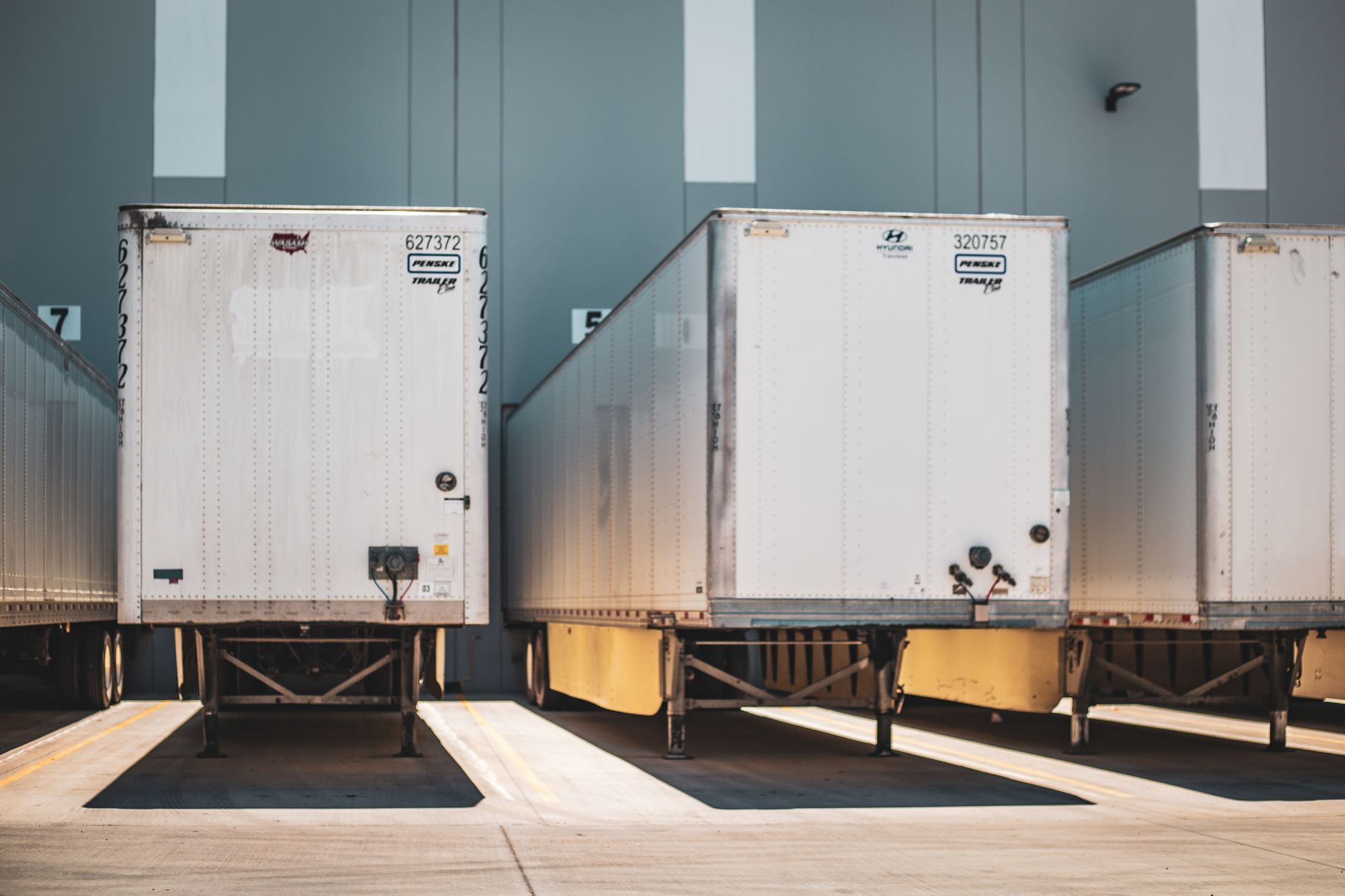
Assign a spotter when backing sight lines are blind, when pedestrian cut-throughs cross the apron, or when two bays are active within one polygon. One person watching the painted edge beats three people elsewhere on the floor.
OSHA severe injury summaries show forklifts remain a leading source of serious warehouse incidents, with about nine severe forklift-related injuries reported per week nationwide across 2015 through 2024 according to the agency. Spotters add human judgment while automation catches up.
OSHA data for 2022 and 2023 recorded 1,190 forklift-related severe injuries reported to the agency, with transportation and warehousing accounting for 285 cases in that total according to the same report.
What is the spotter actually responsible for?
The spotter owns the apron arc, not the whole warehouse. They stop foot traffic, confirm the horn pattern fired, and wave holds clear only when the bay is empty.
They do not drive lifts or reboot robots. They call the AMR champion if a cart stops inside the polygon without a visible fault.
Carry a radio channel dedicated to dock traffic. Spotters who yell across a noisy bay get ignored by night shift.
How do spotters coordinate with AMR holds?
Spotters should see the same DOCK_ACTIVE flag on a tablet that fleet software uses. If the flag is off while a lift is backing, they halt the bay and file a ticket.
When holds engage early, spotters keep pedestrians from stepping into the zone thinking the robot is broken. Explain the hold with bay number and reason.
Never wave a lift through while holds are active unless the traffic owner clears the override in software. Verbal OK is not enough.
Photograph apron conditions after rain or ice if you run outdoor docks. Spotters should update the traffic owner when friction changes.
What training should spotters receive?
Start with the horn card and the hold polygon map. Walk the apron slowly and point out camera blind spots.
Practice a stuck trailer drill. Spotters learn to extend the hold and notify receiving when the bay overruns.
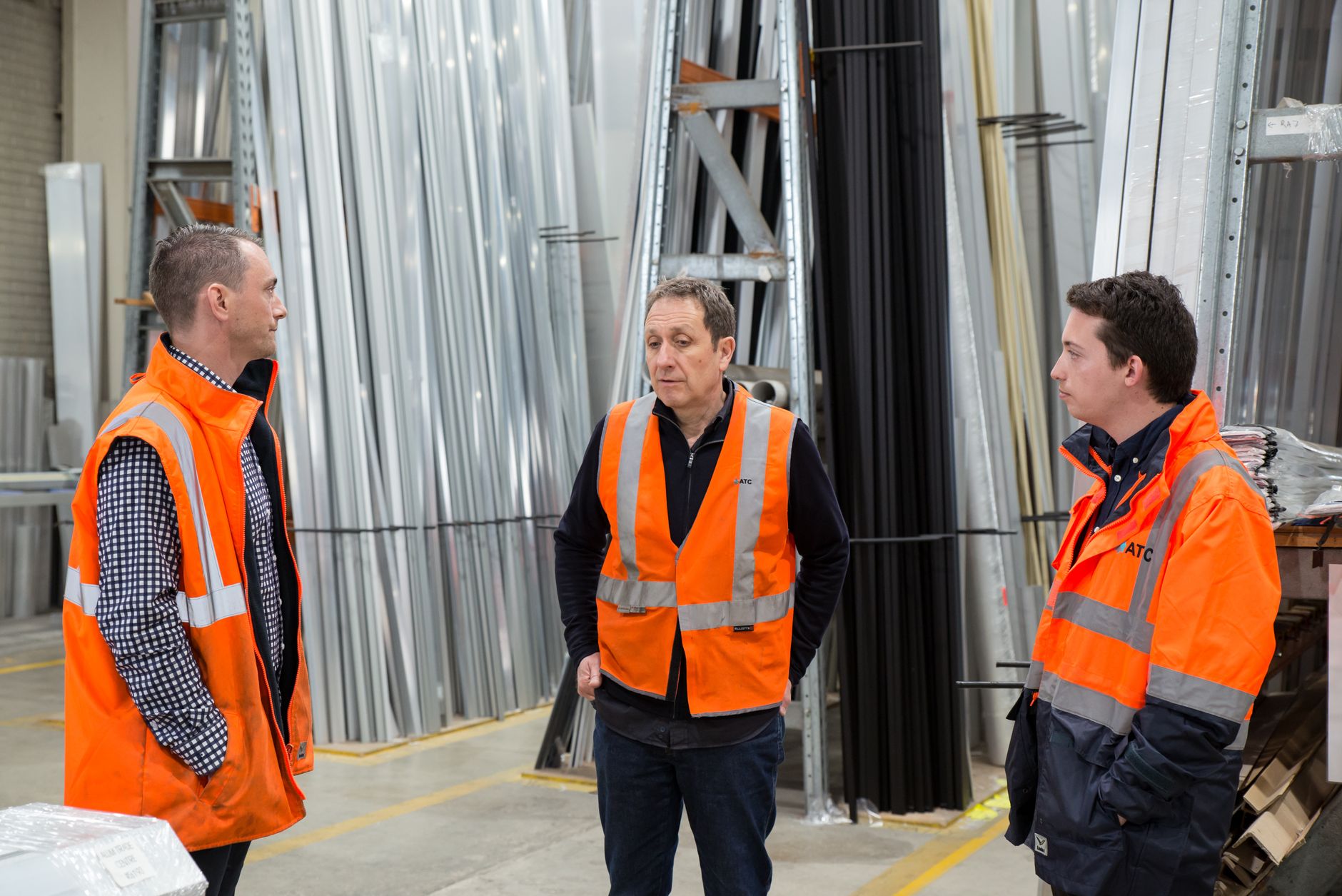
Rotate spotters from receiving staff who already know dock personalities. Outsourced temps need the same drill, not a five-minute verbal briefing.
- Walk apron blind spots with each new spotter
- Radio check before first trailer of shift
- Tablet view of DOCK_ACTIVE flags
- Escalate overrides through traffic owner
How do horns and spotters work together?
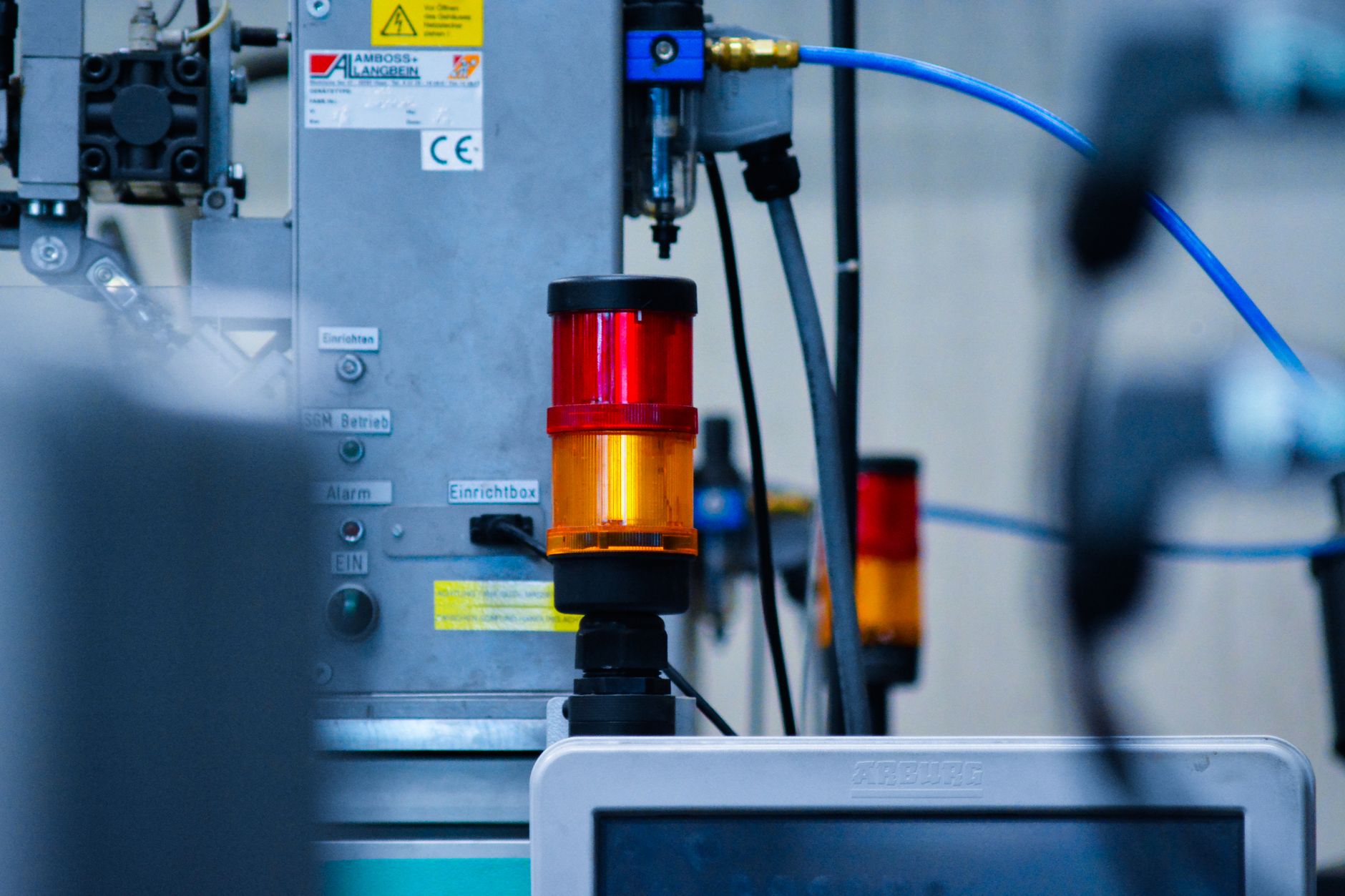
The horn starts the mental clock for everyone. The spotter confirms pedestrians heard it before the lift moves.
If horns are wired to holds, spotters verify the hold fired within one second of the first blast. Lag means maintenance or IT needs to trace the contact.
When horns fail, spotters switch to manual STOP paddles and call a supervisor before any backing resumes.
What metrics tell you spotters can step back?
Track near-miss reports at aprons week over week. Two clean weeks with zero pedestrian incursions is a signal, not a guarantee.
Log hold latency and false holds. Stable sensors plus low false rates mean spotters can move to spot-checks instead of all-day posts.
Review AMR mission delay minutes tagged to dock holds. Declining delays without rising near-misses suggest geofences fit the floor.
Compare spotter shift logs to hold logs nightly during rollout. Mismatches reveal training gaps before they become incidents.
Invite safety to monthly reviews so spotter phase-out does not outrun incident data.
How do you phase spotters out safely?
Shrink the spotter window from all active hours to peak only, then to random audits. Document each step on the traffic calendar.
Keep a spotter on call for the first hour of new trailer types or new drivers. Unfamiliar combinations deserve human eyes.
After layout changes, return to full spotter coverage until day-one tests pass again.
Where does an integrator fit?
Vendor-neutral partners align fleet rules, door signals, and horn wiring so spotters are not guessing which portal to check.
Service Robot Co. can join the dock working group, tune hold polygons from logged data, and keep nationwide service behind the same playbook.
Spotters should know the single escalation number for fleet and field service, not a vendor maze.