Key takeaways
- A worn squeegee leaves slip risk and false clean looks.
- Inspect blades at the charger, not only after a complaint.
- Log wear weekly so ordering parts is predictable.
- Pair inspection with pre-sweep so grit does not nick rubber.
- Service Robot Co. can align PM calendars with your fleet data.
Why inspect squeegees before the robot runs?
Guests and workers judge cleanliness by dry, streak-free tile. A torn squeegee lip leaves wet trails that look like the machine never passed.
Autonomous scrubbers cannot feel a bad blade. They will finish the route and leave hazard stripes unless software flags recovery water.
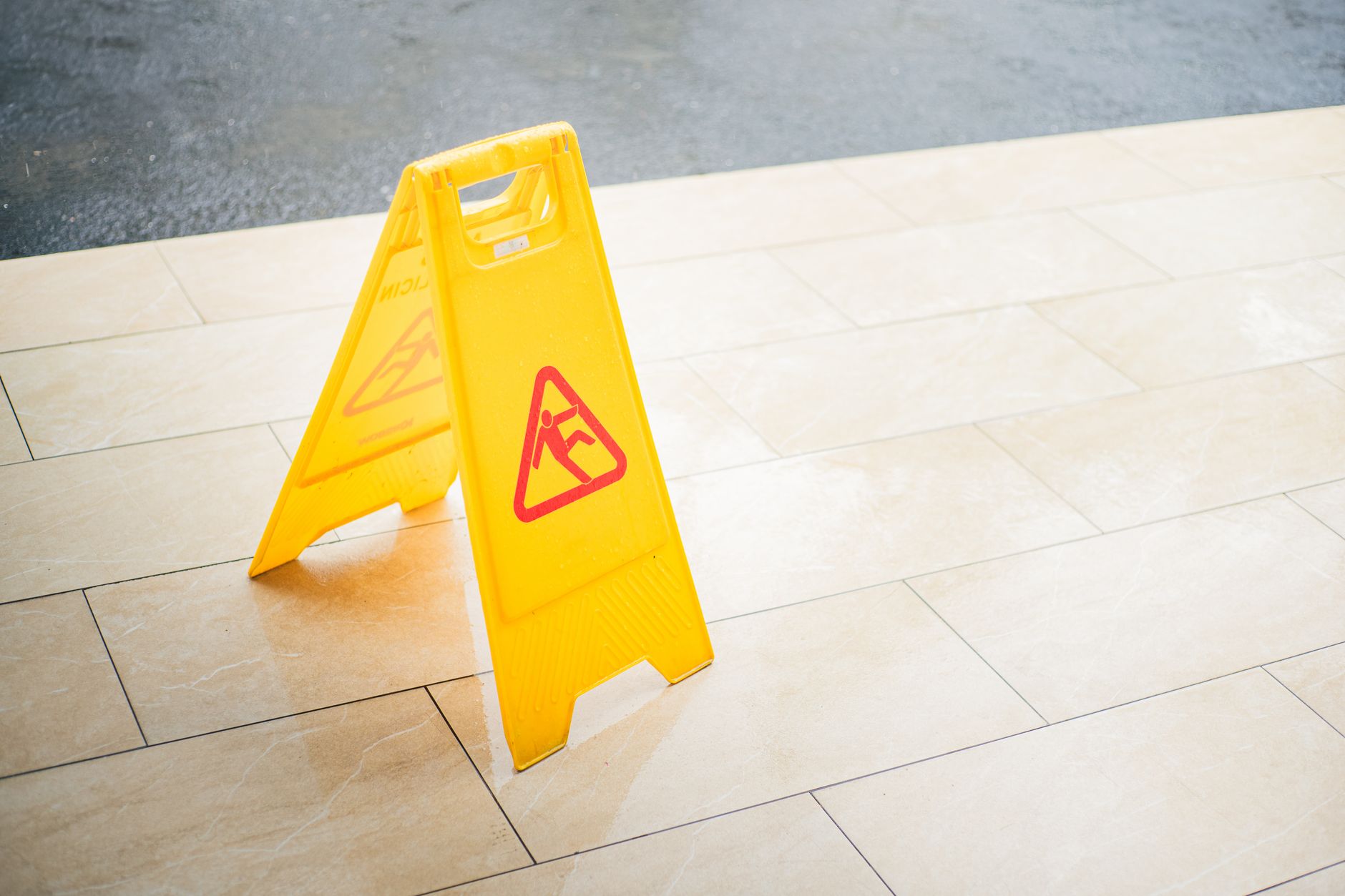
Slips on wet floors remain a common serious incident category nationally. Inspection is cheaper than an incident report.
OSHA severe injury summaries continue to cite falls on same-level surfaces among recurring serious incidents, which makes dry pickup after scrubbing a safety step, not only a shine step.
What should a squeegee inspection include?
Check both blades for nicks, curl, and uneven wear. Flip blades on schedule if the manufacturer allows rotation.
Inspect vacuum hoses for cracks and loose cuffs. A small air leak kills pickup on long aisles.
Confirm the recovery tank seal seats cleanly so the vacuum maintains suction.
Wipe squeegee lips with a clean cloth during inspection so oil from hands does not contaminate pickup.
- Blade nicks and curl
- Hose cracks
- Tank seal fit
- Pad wear and mounting
How often should teams inspect?
High-traffic grocery and casino floors may need daily blade checks. Office and school routes often survive weekly checks if pre-sweep is solid.
Inspect after any route that picked up glass or metal, even if the mission completed.
Log inspections in CMMS or a simple shared sheet with date and initials.
Add a calendar reminder tied to fleet utilization hours, not only calendar weeks, on busy sites.
Who owns the sign-off?

Facilities owns the PM calendar. The robot champion signs off before the first mission of the shift.
Night crews should not inherit a worn blade without a logged handoff from day shift.
Service partners can review wear photos remotely when your nationwide contract includes telemetry.
Photograph questionable blades before discard so warranty claims have evidence.
What pad issues mimic squeegee failures?
Glazed pads polish soil instead of lifting it, leaving dull paths that look like streaks.
Wrong pad color for the floor type can smear grease in food service back halls.
Replace pads on manufacturer interval or when edges fray, whichever comes first.
Match detergent to pad type. Mixed chemistry can swell pads and mimic squeegee streaks.
How do you test after replacing a blade?
Run a ten-meter test loop with water only on a low-traffic aisle. Walk behind and look for tails at turns.
Adjust down-pressure only within manufacturer limits. Too much pressure wears blades faster on uneven tile.
Document the test loop result before releasing the full route.
If streaks appear only on turns, check squeegee tilt and caster wear, not only rubber.
What metrics show inspection discipline is working?
Track slip reports and guest complaints about wet floors on scrub nights.
Count mid-route shutdowns tagged to recovery faults. A drop after PM changes validates the program.
Compare blade orders per thousand square feet scrubbed quarter over quarter.
Review slip reports with housekeeping and safety together monthly.
When should inspection steps change?
New floor coatings, seasonal salt programs, and construction dust all change wear rates.
Update the checklist when you add a second robot or a new building wing.
Service Robot Co. can help vendor-neutral sites align parts stocking with logged wear across properties.
Retrain after any floor refinishing project because new coatings change friction and wear.