Key takeaways
- Drones and rope crews work best in sequence: a drone survey first, then rope teams sent to flagged hotspots.
- Drones reach high stone and metal quickly, but they cannot tap, probe or sample mortar.
- Fall-protection rules should be checked for your state and site before any rope plan is set.
- Mortar condition, embedded metal and rust stains are the first signs to log on every visit.
- Ask for dated, repeatable records before you choose any inspection method.
Which method gets the job done?
For most steeples and bell towers, the answer is both, used in sequence. A drone survey comes first to cover high surfaces safely, and rope technicians go only to the spots the survey flags. Sources that compare the two generally treat them as complements: drones handle wide visual surveys, and rope access handles close, hands-on work.
Neither method settles everything alone. A drone shows the outer face of stone, mortar and metal in detail. One UK spire-inspection firm says thermal imaging is needed to see what lies beneath the surface, though that is a vendor claim. A rope team can touch, sound and probe. The useful question is which tasks each method should carry on your particular tower.
How do access and reach compare?
A rope crew works from the tower itself, so its reach depends on technician skill and on what the structure allows. IRATA-certified technicians perform visual and tactile assessment, which means a hand on a crack can tell a crew more than a photo can. A drone reaches upper stone, the lantern and the weathervane without staging.
The cost gap can be large, though the figures come from vendors. According to ARPAS, a UK drone provider, a drone inspection at St Luke's Church reduced projected repair costs from 350,000 pounds to 50,000 pounds and cut inspection work by over 88 days. ARPAS also notes that a roof job of this kind would normally have needed a rope access specialist for days. Treat those numbers as a claim to test against your own quotes, not as a benchmark.
Drones have clear limits. They cannot tap, probe or take mortar samples, and wind near a spire can ground a flight. Plan for both the reach and the restrictions before you commit.

What do the records look like afterward?
Documentation is where a drone earns its place for a building committee. A flight produces a dated image set that a later visit can compare against, and that set can go to a diocese, an insurer or a contractor without a ladder conversation. In 2015, the building committee of Kanawha United Presbyterian Church in Charleston, West Virginia, hired an Ohio steeplejack firm after a heavy metal piece fell from the steeple. A contractor flew a small drone around the steeple to inventory the work, according to WV MetroNews. That case is from 2015, so current practice may differ.
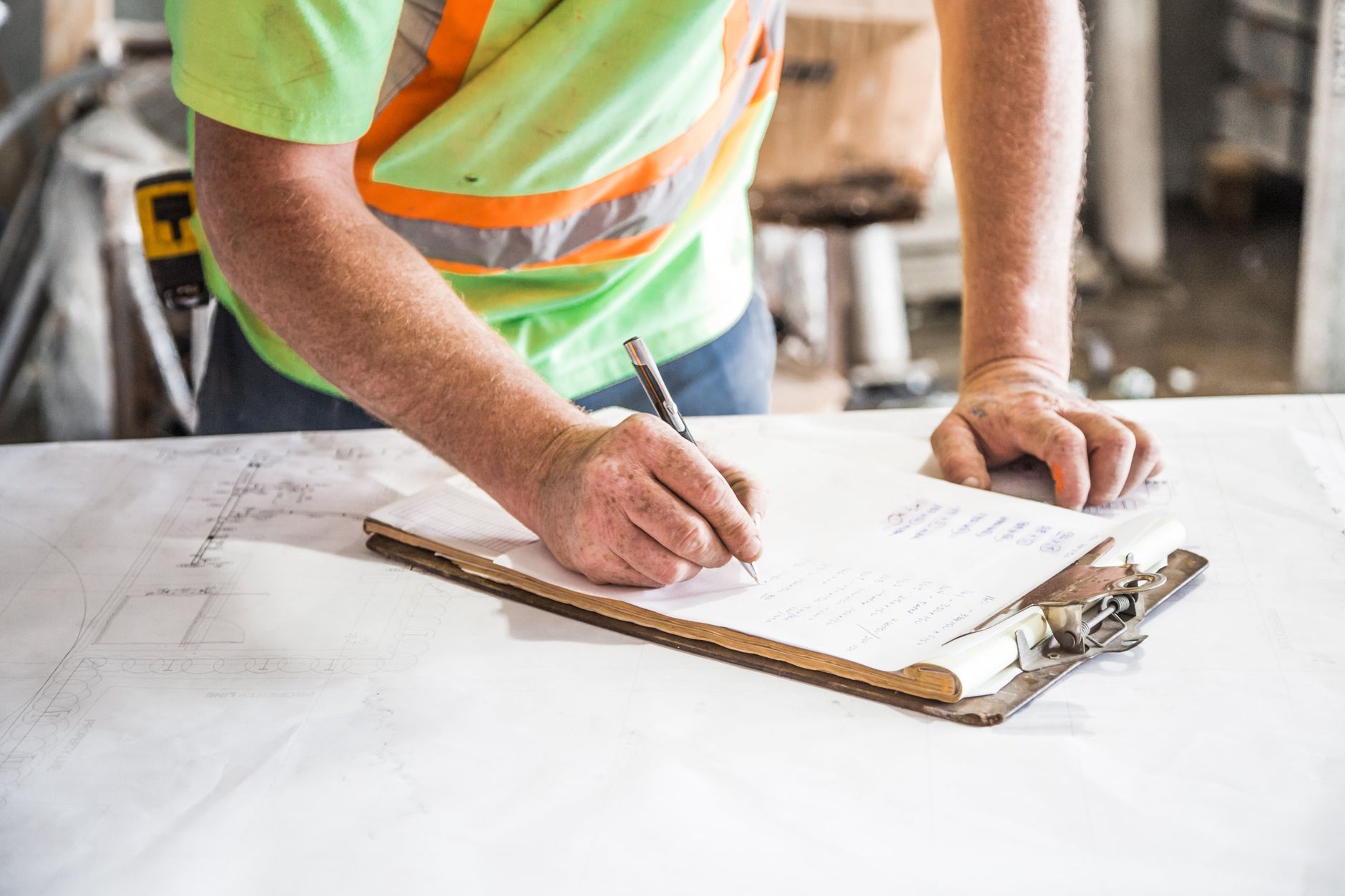
Rope crews document differently. Their notes can record hand-test results and locations that a photo cannot capture. The strongest record set combines drone image coverage with tagged findings from the rope visit, so each defect has both a picture and a field observation.
How do safety rules shape the choice?
Safety is the main reason many teams start with a drone. Rope work is a fall-protection job. OSHA's communication-tower directive says current standards require fall protection above 25 feet and that everyone accessing towers must be trained in fall hazard recognition and the systems they use. That directive covers communication towers, not steeples, so treat it as a reference point rather than a steeple rule.
NIOSH goes further for telecom towers, recommending 100% fall protection above 25 feet. Applying that recommendation to steeples is an inference, not a finding. Current 29 CFR 1910 and 1926 text and any state plan should be checked before anyone relies on these thresholds.
A drone takes people off the edge, but it brings its own hazards: flight over a churchyard, gusts near the spire, and a pilot who needs documented training. Plan each flight with the same care you would give any lift.
How often should a steeple get a look, and what should it show?
Our research found no steeple-specific national interval. In England, the common baseline for churches is a five-year quinquennial inspection by an appointed inspecting architect, as described in Bristol Anglican guidance. A UK conservation directory adds that inspections should become more frequent as change in historic fabric rises, with annual checks suggested for exposed stonework in poor condition.
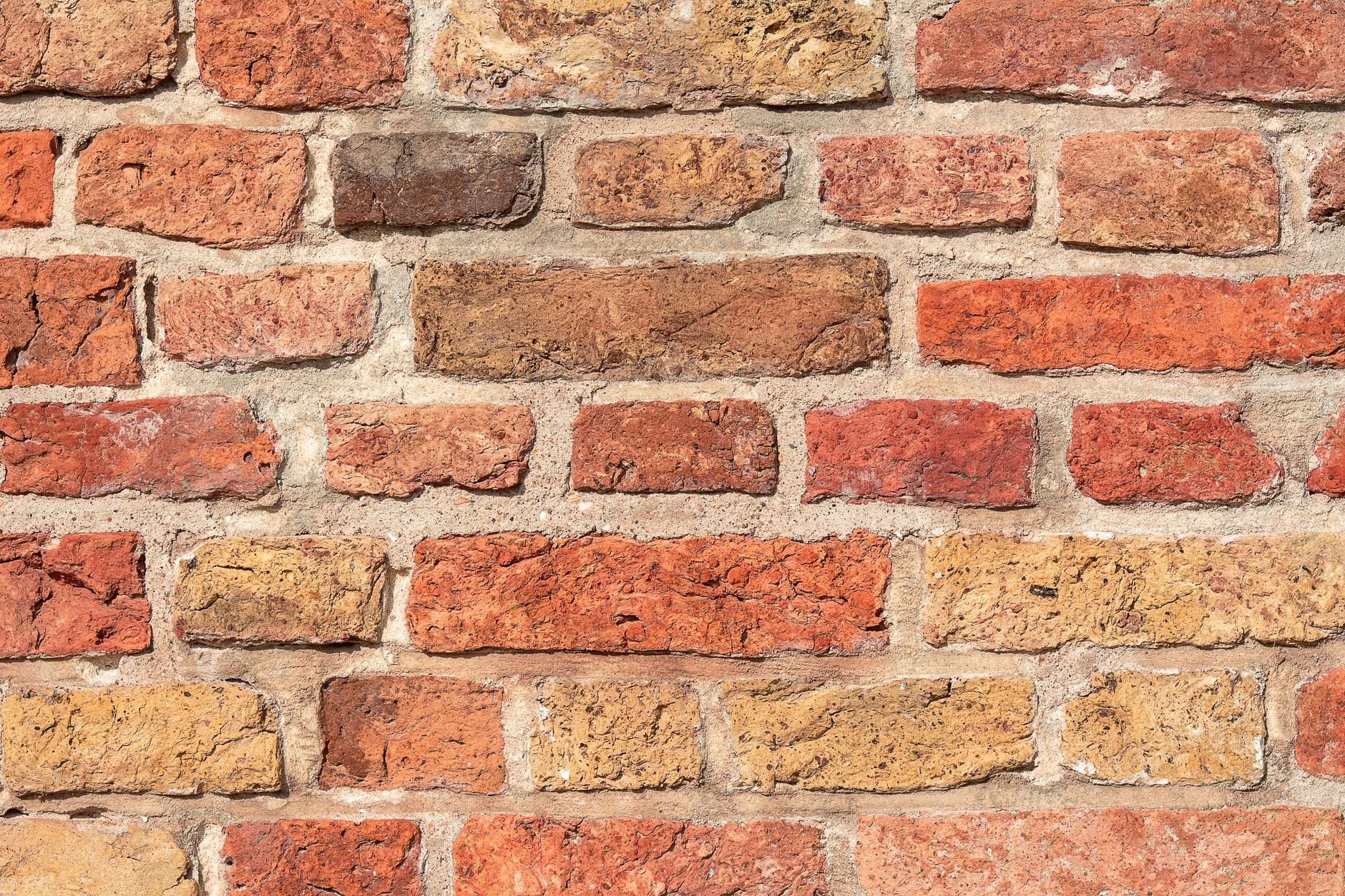
Three findings deserve close logging. Embedded metal in stone can rust and cause the surrounding stone to spall, so watch for rust stains and cracking near iron fixings. Mortar that is weathered, eroded, crumbly, cracked or missing needs attention, and repointing should use a compatible mortar, because a mortar too hard for the masonry can itself drive deterioration. The City of Redlands inspection checklist lists these same mortar signs.
What should a building team ask before choosing?
Start with the work itself. Each question below separates the drone's strengths from the rope team's, and the answers should appear in writing before anyone signs.
- Which findings are visual only, and which need hands on the stone, mortar or metal?
- Can the operator show documented flight training, a wind limit and a plan for nearby roads and congregants?
- Will each record set be dated and framed the same way, so a second visit can compare it?
- Which technician certifications apply to the rope portion, and who signs the findings?
- What fall-protection plan applies at this height under current rules in your state?
- How does the flight plan change after storm damage or new work on the tower?
- Who turns findings into a repair scope, and in what format will it arrive?
Where does a leased robot fit in?
Service Robot Co. is a vendor-neutral integrator. We pick robots across manufacturers, lease them through financing, deploy and train on them, and service every unit under RoboCare, our service plan, backed by regional service engineers in every state we service. Whether a drone, a crawler or a rope team is the right tool is a question we answer on a site assessment, not from a catalog.
Where a church or diocese expects recurring surveys, a leased robot on a three-year term can make sense, with one fixed lease quote issued after the site assessment. For a single inspection, a contractor visit may be the better fit, and we will say so when the numbers point that way.
Frequently asked questions
Want a robot working for you?
Tell us the job and the site. We will recommend the robot, quote the lease, and keep it serviced.
Sources
- Vertical Access: Ropes vs Drones, the Future of Inspections
- ARPAS: Drone inspection work at St Luke's Church
- WV MetroNews: Charleston church uses drone to inspect steeple parts
- OSHA Communication Tower Directive CPL 02-01-029
- NIOSH Alert: Preventing Injuries and Deaths from Falls during Construction and Maintenance of Telecommunication Towers (via ELCOSH)
- Bristol Anglican: Quinquennials and archdeacon's inspections
- Building Conservation Directory 2025
- City of Redlands: Appendix C Material Inspection Checklists