Key takeaways
- The lead still owns the lawn: the mower takes open turf while the crew takes the edges, the detail, and the call to pull the machine.
- Walk the lawn before the first pass and check the mapped boundaries against the physical edges.
- Watch from the lawn edge and keep hands and feet clear of the blades while power is on.
- Pull the mower at once for a repeated stop, a boundary breach, a person in its path, or wet turf.
- Plan clippings cleanup and steep banks into the crew sequence, not after the mower finishes.
How does a crew lead supervise a robotic mower?
A crew lead supervising a robotic mower on a client lawn does four jobs. The lead checks the lawn before the mower starts, watches the machine while it works, runs the trim and edge work the mower cannot reach, and decides when the mower comes off the turf. The robot takes the open ground. The people keep the boundary, the detail, and the call.
That split matches what contractors describe in trade press. Turf reports one workflow in which a crew member mows the outer boundary by hand, then starts the autonomous mower on the inner area. A Maryland area contractor told Turf that robotic mowers are not replacing crew members on a customer's property. The lead is the person who makes that split work on a given day.
Much of the groundwork happens at setup. The lawn was mapped and the crew was trained before the first pass, so the daily routine is mostly about confirming those choices still hold. We did not find commercial guidance that sets a ratio of crew to mowers or a required number of supervision hours, so this article does not offer one.
What does the walkthrough before the first pass cover?
Before the mower leaves its dock, walk the lawn with the site map in mind. Look for what changed since the last run: a dropped hose, a toy, a delivery pallet, a sprinkler head that has lifted, or standing water in a low spot. Anything loose can be picked up or moved clear. Anything structural, such as a changed bed line or a new obstacle, is a reason to hold the start and re run setup on that section.
Check the boundary against the physical edges. Beds, walks, pool decks, and drive aprons should match what the mapping recorded. A bed edge that moved after mapping is not a detail to trust the old line over. It is a reason to correct the map before the mower runs near it.
Confirm the public edge. Roborock's guidance for its own mower advises closing off the mowing area completely when the mower runs in public spaces, and posting warning signs. A client lawn that opens onto a walk or a street needs that closure and signage, and the crew should know in advance who is allowed past it during the run.

How closely should the lead watch the mower?
Watch from the lawn edge, where you can see the mower and the turf it has not yet reached. Do not stand in its path. Watch the stripes, the stops, and the sound. A mower that keeps pausing in one place is telling you something about the grass, a slope, or an obstacle you missed on the walkthrough, and the pause is the cue to go look.
Keep hands and feet clear of the blades while power is on. Consumer manuals repeat that rule and also say people unfamiliar with the mower should not operate it. Those manuals are written for home use, so they set a floor rather than a commercial standard. Your crew training and your client's site rules set the rest.
Where a lawn meets a street or a neighbor's property, a person should be present during operation. A Robomow support article says that if the lawn opens onto a street or neighboring property, someone must be present to keep others from contacting the mower. On a commercial lawn that presence is the lead, and the lead should not drift into detail work on the far side of the property while that edge is live.
Where do trim and edge work fit beside the mower?
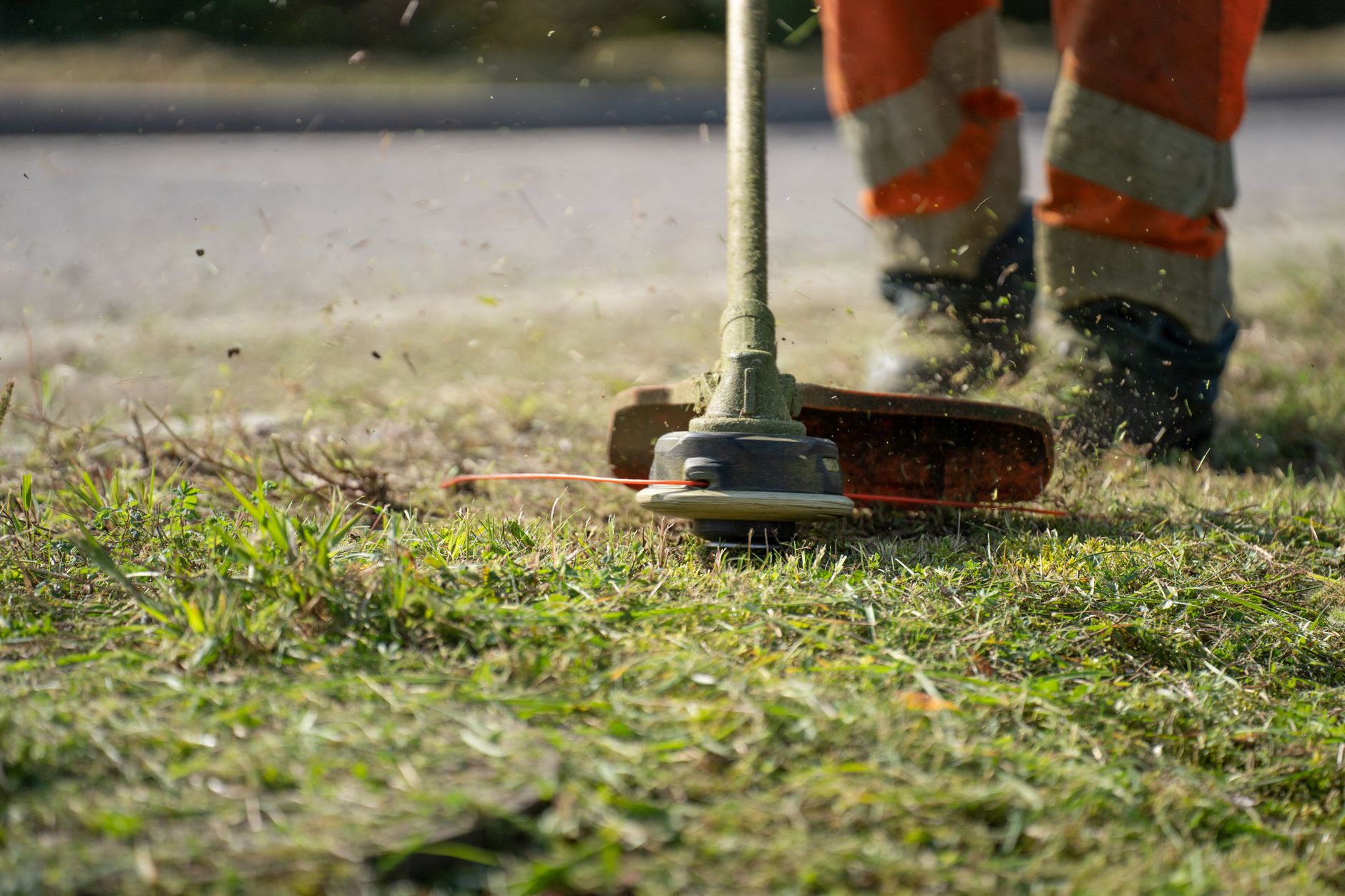
The mower handles open turf, and the crew handles detail. Trade press describes crews who run robotic mowers from the outside edge and do the trimming and edging themselves. Sequence trim work so the crew works behind or beside the machine, never in front of it, and so the trimmer line does not draw a passerby toward the blades.
Mind the handoff between zones. When the lead stops the mower to free an area, the crew moves in only after the machine is parked or held. Name the handoff in the crew routine, so every person knows whether a zone is live or clear. That habit prevents a reach into a machine that is only paused.
What about steep ground and drainage areas?
Steep ground and drainage areas are where crews lean on other tools. Remote controlled, low center of gravity mowers are used on slopes and drainage, where crews otherwise work with string trimmers. An industry analysis from the Landscape Professionals blog says slopes above 25 to 30 degrees clearly favor robots, and that most commercial robotic mowers have hard slope limits. Check the spec sheet before you assume a bank is in scope.
Plan each bank as its own zone. Give it a manual route, a trimmer assignment, and a clear note in the log, so the lead does not learn about a limit during a live pass. Setup should already have shown which banks the robot will not enter. If it did not, the lead should flag that gap before the next run.
How does clippings cleanup follow the pass?
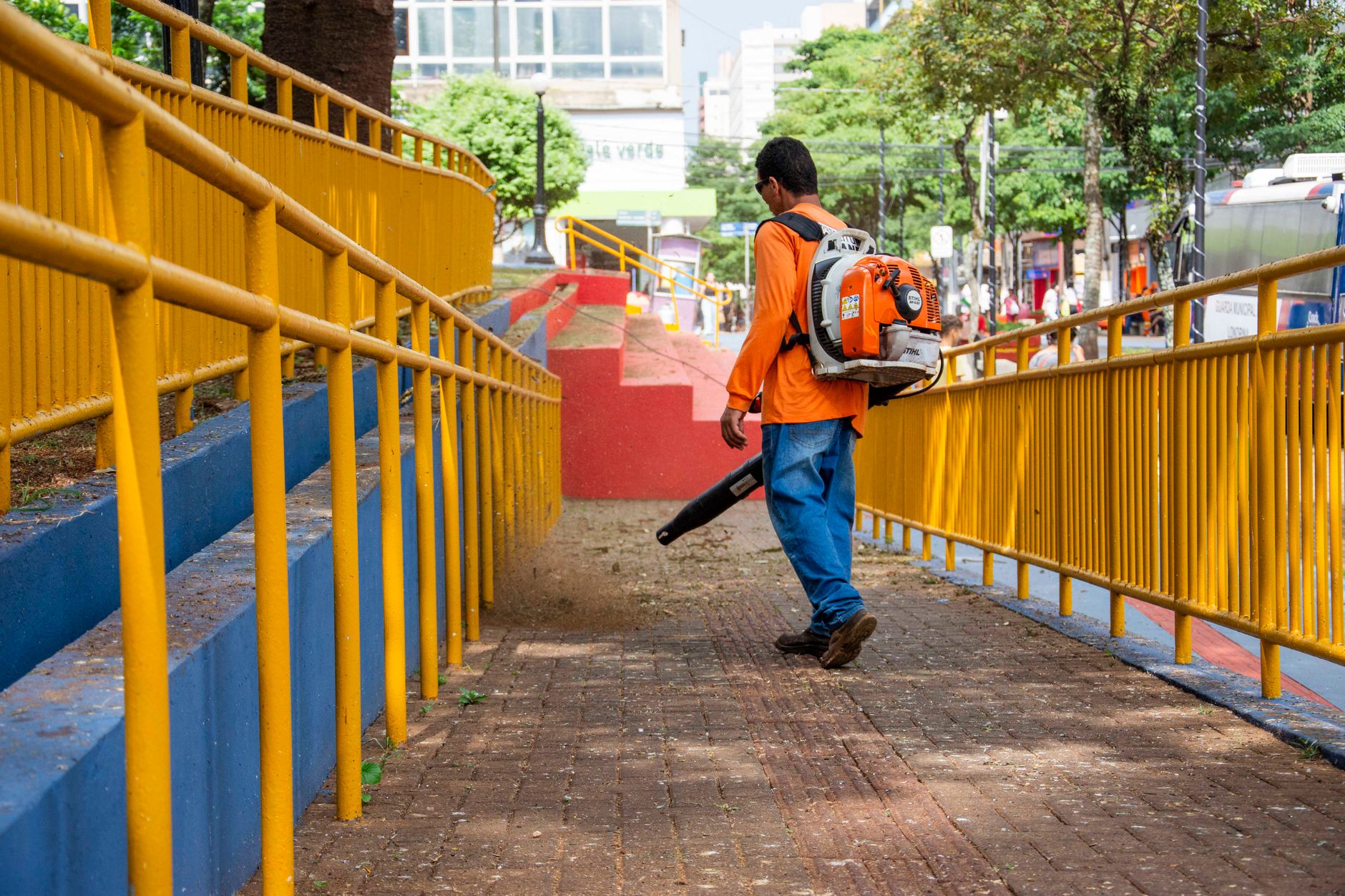
Clippings are the last item on the lead's list, not an afterthought. After the mower parks, sweep or blow clippings from walks, drives, and hard surfaces, working from the lawn outward so debris does not get tracked onto the clean edge. Keep the blower clear of the mower's dock and charge path, so cleanup does not block the machine's return.
Log what cleanup found. A pattern of clippings along one hard edge tells the lead where the cut line sits against that surface, and that is the kind of short, factual note a client can understand when they ask why one strip looks different.
When should the lead pull the mower off the lawn?
Pull the mower and park it when any of these appear:
- A stop that repeats in the same spot on successive passes
- The mower crossing a boundary or nearing an area it should not enter
- A person, pet, or vehicle entering its path
- Wet or uneven turf that the mower would tear rather than cut
- A damaged blade, guard, or sensor, or a warning the lead cannot clear
When should the lead pull the mower off the lawn?
Do not let a machine keep running because the schedule says so. The lead stops it, parks it, notes the time and location, and reports it. A pulled mower is a normal part of the routine, not a failure. Turf describes one contractor that sends a smaller crew every other week to maintain its robotic mowers and handle edging, which shows that upkeep and detail are part of the job from the start.
The report should carry the time, the location on the map, and what the lead saw. That detail lets the service side work from facts rather than a description of the lawn.
What changes when the mower runs after hours?
Some robotic mowers run day or night. Turf reports that New Jersey firm LSI Services runs Husqvarna made Mowbot units that use GPS and AI, charge themselves, and can work either day or night. An after hours run changes the supervision picture, because the lead may be off site and the client's rules on noise, lighting, and access still apply.
Name the contact before the first night run. Decide who responds when a unit stops mid route after hours, and what the client should expect to hear. Service Robot Co. leases the mowers it deploys through financing on a three year lease, with one fixed payment quoted after a site assessment. Every unit is covered under RoboCare, our service plan, backed by regional service engineers, so the team that mapped the lawn is the team that answers the late call.
Why is the lead seat hard to fill?
The lead seat matters because crew labor is hard to find. Aspire's 2025 survey of commercial landscape contractors, run by Thrive Analytics among 1,015 contractors from May 2 to 23, 2025, reported a focus on client retention, operational efficiency, and smarter technology investments. Dixie Lawn Service's Jimmy McHenry told Turf that his crews went from six people to two and that the robots raised efficiency 25 percent. That is his company's own account and has not been audited.
Other operators describe the robot differently. The Maryland area contractor kept its crew on the job rather than replacing it. Treat these accounts as the start of a conversation with your own crew data, not as a benchmark, and check your own route times before you set a supervision plan.
Frequently asked questions
Want a robot working for you?
Tell us the job and the site. We will recommend the robot, quote the lease, and keep it serviced.