Key takeaways
- FRED lists Otero County unemployment at 5.3% for 2024 and 5.4% for 2025.
- The 2020 census counted 606 residents in Swink, so most suppliers run thin night crews.
- Mapped after-hours scrub routes target counter zones, aisles, and receiving bays before opening.
- Commercial cleaning robot rental with monthly payment programs matches harvest peak weeks.
- Vendor-neutral deployment covers mapping, training, and nationwide service on one contract.
Why do Swink shop floors fail during harvest?
Swink ag suppliers sit on the eastern plains where harvest freight, fertilizer deliveries, and field boots converge at the same counter. Dust and grit migrate from the lot into sealed concrete aisles faster than a mop cycle recovers between truck arrivals.
Day staff focus on loading out feed, parts, and chemicals while answering walk-in customers. Mopping helps spills, but it rarely keeps pace with daily abrasion across the main aisle. An autonomous scrubber on a mapped night route resets high-traffic concrete while staff lock the yard and stage pallets.
Commercial robot rental here means scheduled machine time with maintenance on many programs, not another hourly role you post when seasonal work already fills the roster.
What does harvest traffic do to a counter entry?
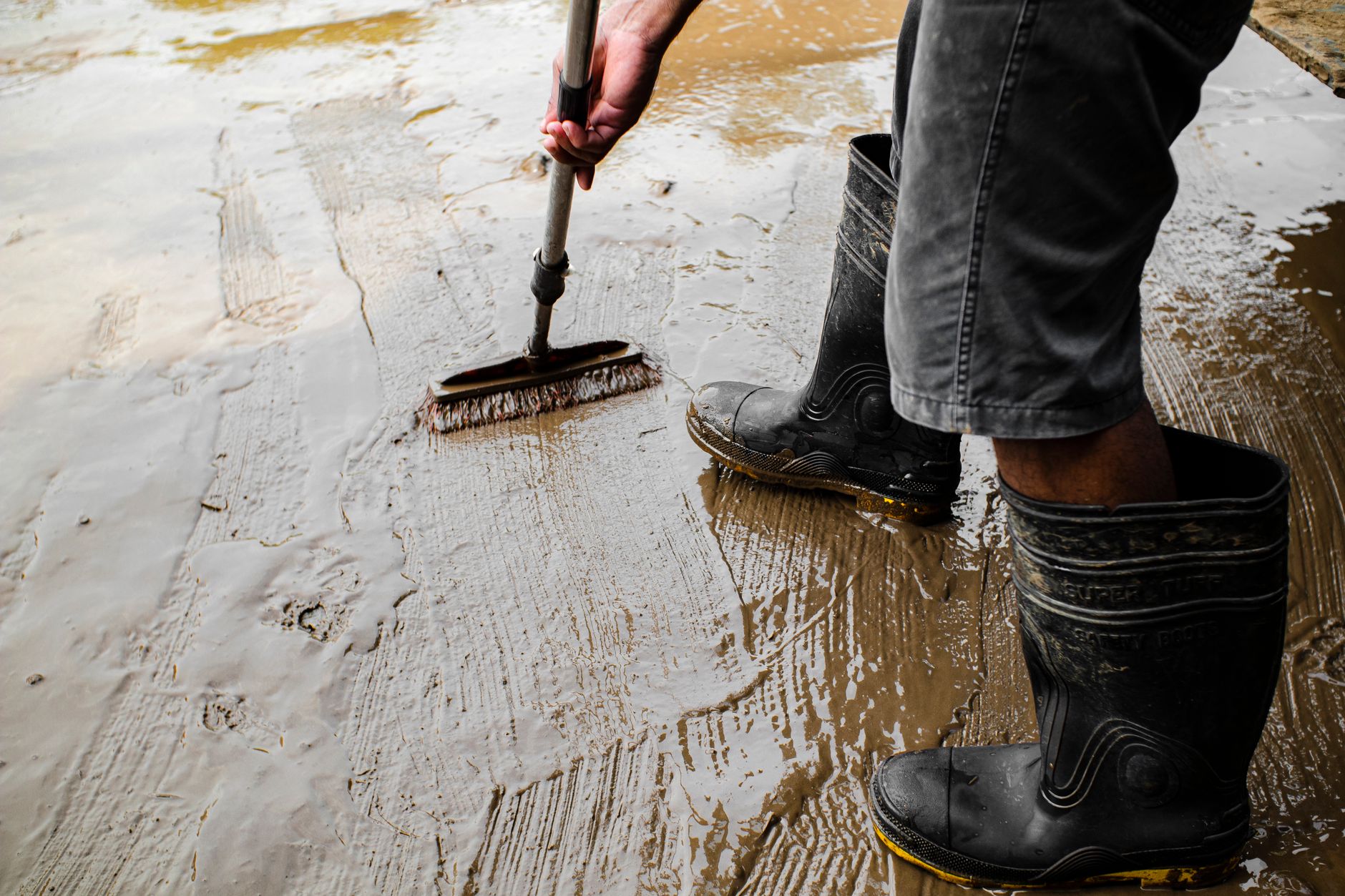
The first twenty feet inside the door take the worst hit from boots, tires, and pallet jacks. Aisle centers stay cleaner longer, but forklift traffic grinds dust into the finish over time.
Windy plains days send soil through open bay doors when crews stage bagged feed or seed. That grit reaches office tile customers still use for invoices and pickups.
Outdoor bins and equipment pads feed the problem every time a truck idles at the dock. Planning scrub routes without mapping those paths leaves the same brown ring at the threshold each Monday.
What does Otero County hiring mean for night scrubbing?
Bureau of Labor Statistics annual data on FRED show Otero County unemployment at 5.3 percent for 2024 and 5.4 percent for 2025. That is not crisis unemployment, yet overnight floor roles still compete with warehouse, driver, and field-adjacent jobs during peak weeks.
Colorado statewide minimum wage is $14.81 per hour effective January 1, 2025, per the Department of Labor and Employment PAY CALC order. Overtime on a late scrub shift stacks above that base quickly when harvest runs late.
When everyone already works receiving and counter shifts, corridor scrubbing at 10 p.m. is the task that slips first. Automation covers the pass you already skip when seasonal volume spikes.
Where should an ag supplier map its first scrub route?
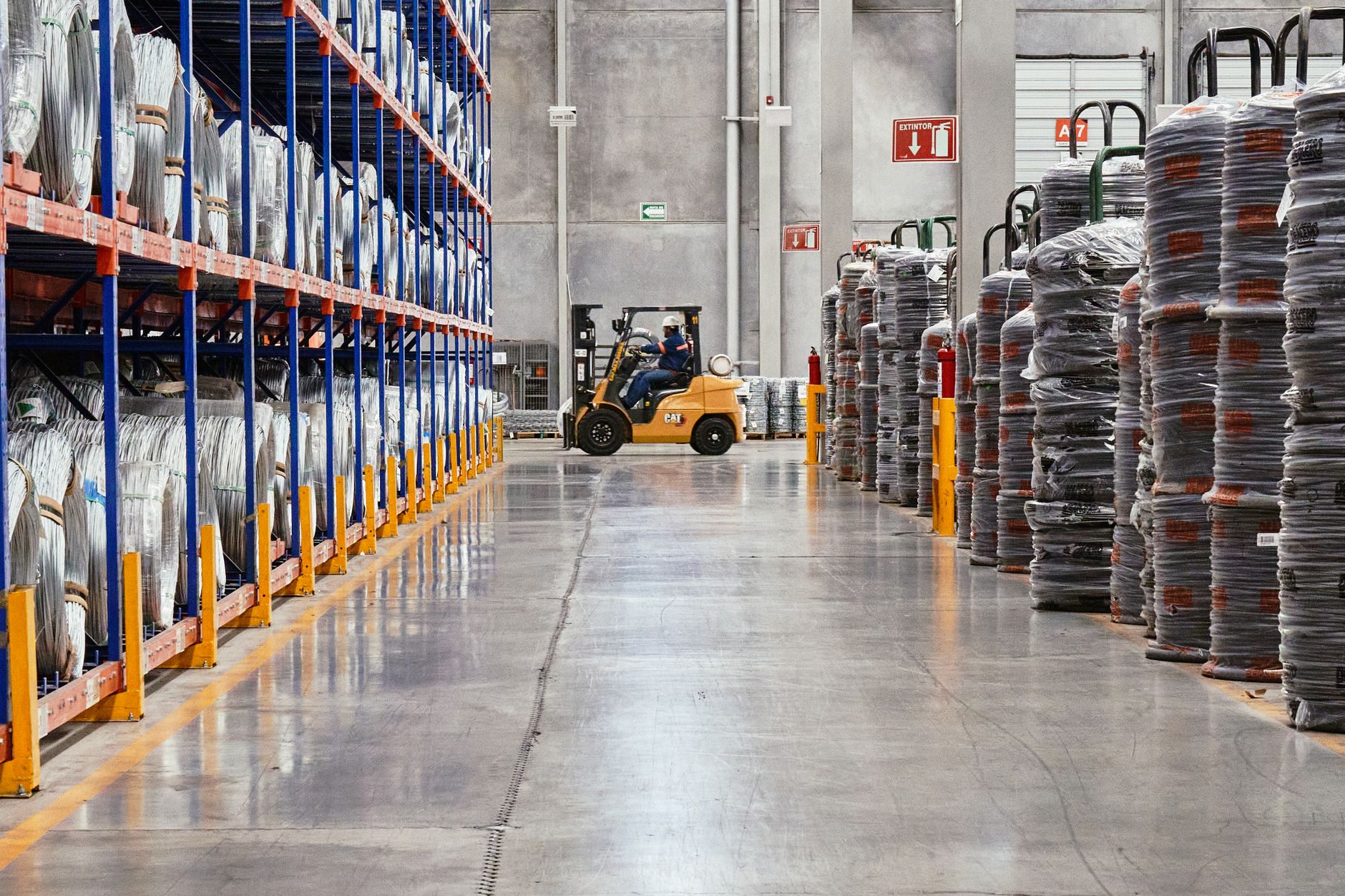
Start at the entry mat, run the main aisle centerline forklifts use, then cover the receiving bay apron before docking at the charger. Mark turns around display pallets so the unit never crosses an active loading lane during early-morning starts.
Water pickup should be aggressive enough for safety but not so wet that concrete stays slick when the first truck arrives. A pilot week logs dry time and pad wear before you commit to a full-season lease.
Cord covers and floor signs belong in the same checklist as the robot path. Staff who know turn points are less likely to leave a cart on the scrub line at close.
- Entry mat through the first interior aisle
- Main aisle centerlines forklifts use daily
- Receiving bay concrete visible from the counter
- Office corridor tile if walk-in customers use it
Does monthly rental fit a seasonal supplier?

A dedicated night porter is hard to keep when harvest pulls the same workers toward overtime on the floor. Month to month lease options let you add runtime during peak freight weeks and scale back when planting season slows.
Service Robot Co. stays vendor neutral, matching pad type and tank size to your floor instead of a single catalog SKU. Financing paths include lease, rental, or purchase with monthly payment programs when cash flow follows crop cycles.
Remote triage and on-site dispatch run through a nationwide network of regional service engineers. One number covers pilot, go-live, and repairs when a sensor needs attention before a busy harvest Monday.
Compare two harvest weeks of dull aisle concrete against one scheduled scrub block in your maintenance log. If opening staff comment on grit before the first customer arrives, the gap is operational, not cosmetic.
What should owners watch in the first month?
Photograph aisle concrete weekly during dry harvest wind. Visual records show when mat programs or pad pressure need adjustment before scratches appear.
Track dry time at the door before the first employee unlocks. Cool fall mornings slow evaporation if pickup is set too wet for your finish.
Listen for counter staff noting dust clouds when bay doors stay open. That feedback tells you whether receiving vacuuming should run before the scrubber.
Compare labor hours logged to floor care against rework complaints. If quality holds and hours drop, the route is earning its slot on the night schedule.
How does Service Robot Co. handle a Swink-scale supplier?
We start with a free site assessment that records doorway widths, slope changes, and charging locations away from forklift lanes. Most small suppliers need only one mapped zone in week one.
Training focuses on start, stop, and verifying the route because your team already knows the floor plan. Engineers stay available by phone during the first month while staff build confidence.
Financing, deployment, and service stay on one contract so you are not chasing OEM phone trees when a unit needs shop time before a deadline.
When is a pilot worth doing before a lease?
Run a pilot when you have never automated floor care or when a new receiving apron just opened. Two weeks of scheduled scrubs prove charger placement and noise levels before you sign a longer term.
Try before you buy programs convert some rental time into purchase credit on select plans. Ask during the site assessment which path fits your tax and cash treatment for a seasonal supplier.
Backup unit coverage matters if you run six-day operations with thin maintenance staff. Loaner programs keep aisles presentable when a unit needs calibration mid-harvest.