Key takeaways
- BayCare announced two more Relay robots for its Winter Haven hospitals on June 3, 2026.
- The nurse-time gains are vendor-reported, and BayCare's own time study has no results yet.
- Specimen runs make a sensible first route, but they prove a workflow before they prove staffing relief.
- Ask for baseline trip logs, custody records and a plan for what freed time will cover before you accept hours saved.
What did BayCare announce, and why does it matter?
On June 3, 2026, Relay Robotics announced two more robots for BayCare's Winter Haven hospitals. BayCare had already put Relay delivery robots to work across its Florida network, so this expansion signals that specimen transport is moving past the test stage.
The headline promise is simple. Lab trips that used to fall to nursing staff now travel on a fixed route, and the nurse keeps those minutes. That promise deserves a serious look, and it deserves testing before anyone repeats it as fact.
Most of the performance story comes from Relay itself, through its announcement and case study. Read it as a credible vendor account with a clear commercial interest, not as an independent audit.
Where did BayCare's specimen robots start?
The Winter Haven expansion builds on an earlier launch. According to a BayCare newsroom post from June 2025, robots named Beaker and Hygeia began work at St. Anthony's in 2025, carrying lab specimens from ICU, CVICU and dialysis units. Hygeia is part of a pharmacy pilot.
Local Tampa Bay news coverage from August 2025 described the same St. Anthony's rollout. The sequence matters. One campus proved the route first, and Winter Haven applies the same approach to new buildings. What the public record still lacks is a published staffing measurement.
Why were nurses carrying specimens by hand?
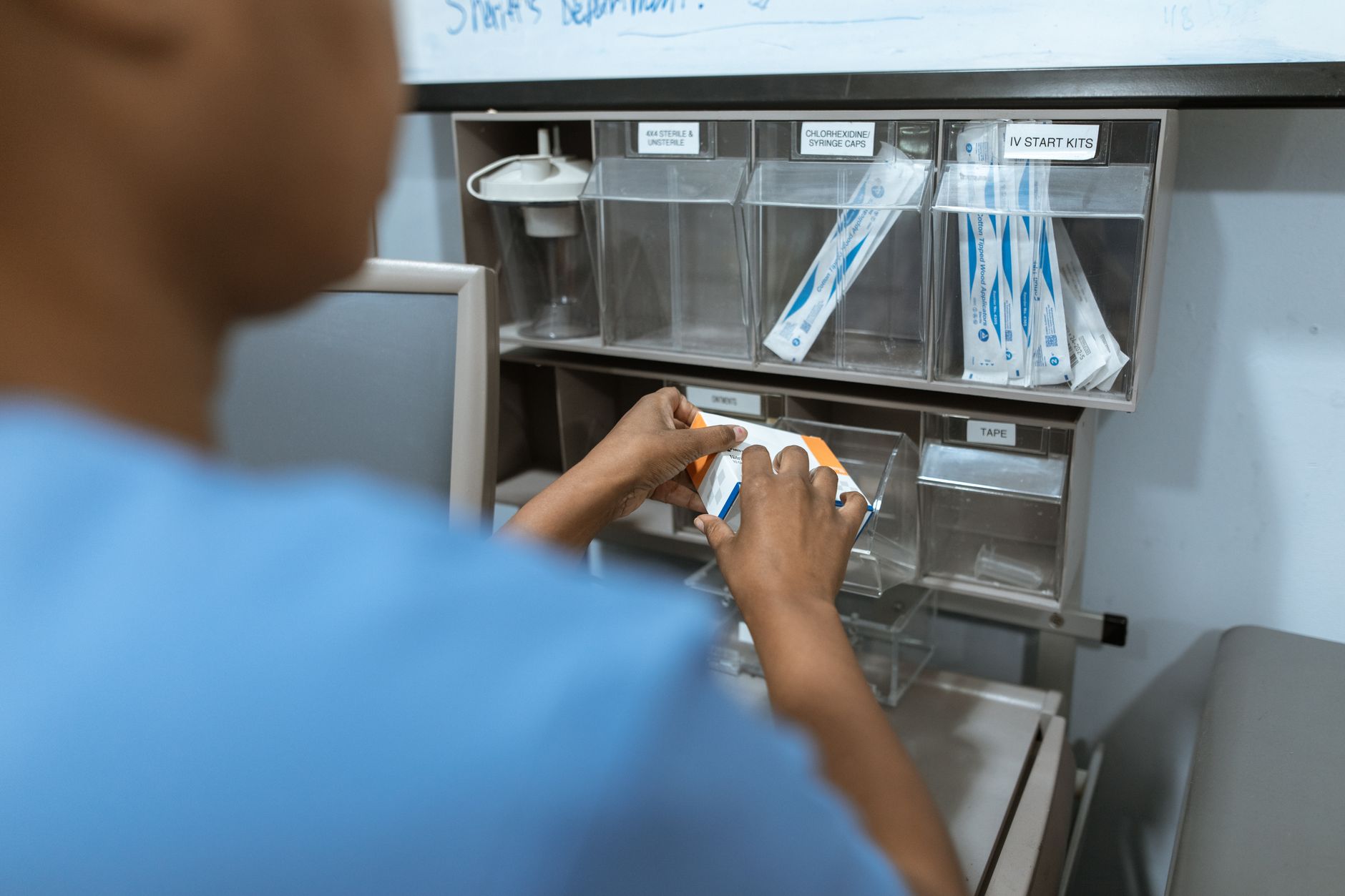
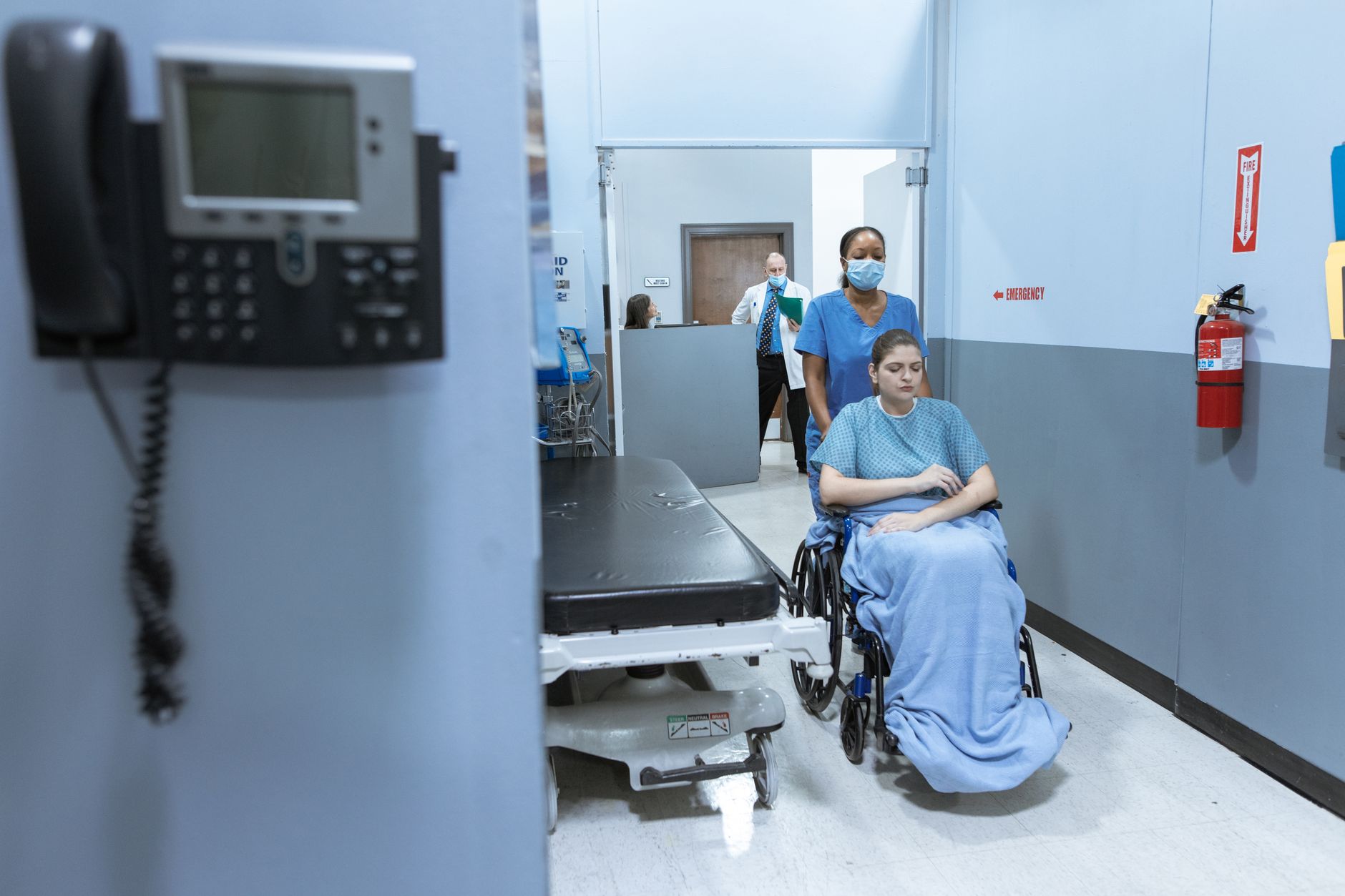
Some BayCare hospitals have no pneumatic tubes, so specimens traveled by hand. Relay's case study and local coverage describe nurses making frequent lab trips at St. Anthony's. The research pass did not confirm an exact daily trip count in the primary source, so this article does not state one.
Frequent walking is not the same as lost clinical time, though. The minutes that matter are the ones tied to bedside care, and those depend on when a trip happens, how far it runs, and what waits behind it on the unit.
What do the new Winter Haven robots carry, and where?
According to Relay's announcement, the team mapped the routes and added elevator sensors so the robots can board lifts. Search summaries of the announcement describe one unit moving lab work from urgent care to the main hospital, while the other serves the pharmacy, lab and infusion center.
Fleet totals are where coverage gets sloppy. The brief describes four robots across three hospitals before the two additions, but the summaries reviewed for this piece do not agree on that count. Check the total against the Relay or BayCare release before you repeat it in a board briefing.
What results has BayCare actually reported?
Relay's materials carry the performance claims, and they are vendor-reported. The research pass did not confirm the success rate or distance figures in the primary pages, so this article leaves them out until someone checks the wording at the source.
The case study talks about hours saved, but no exact hours figure turned up in the sources reviewed. A claim of saved time without a stated baseline is a direction, not a measurement.
The independent check is still ahead. Florida Trend reported in July 2026 that BayCare plans a time study to measure how much nursing time the robots save and whether the cost is justified. The study has no results yet, and it is the number hospital teams should wait for.
The same reporting says staff embraced the robots, and some dressed them for the holidays. Adoption is real and useful. It is not the same thing as a staffing result.
Why do specimen runs suit a first robot route?
A specimen route is short, repetitive and predictable, which suits a robot better than a loose errand. Lab trips follow fixed origins and destinations, and the cargo is small. That gives a new team a bounded problem with clear pass or fail signals.
The tradeoffs are real. Custody rules are strict, the route depends on elevators and doors, and a stat draw cannot wait for a robot that is charging or blocked. A route plan has to name the trips that stay with a person.
Which questions should hospital teams ask before counting staff gains?
A vendor case study can show that a robot completed a trip. It cannot show that a nurse's shift got lighter. Before you accept specimen runs as proof of staff gains, put these questions to the vendor and to your own managers.
- What is the baseline? Log hand-carried specimen trips by unit and shift for a set period before the robot starts.
- Who can open the specimen compartment, and does the custody log record every handoff with a time stamp?
- Which trips does the robot take, and which still need a person, such as stat draws or after-hours requests?
- Where does freed time go? Name the bedside tasks it will cover, or the hours will exist only on paper.
- When a unit is down, who covers the route, and how fast can a backup reach the floor?
- How are elevator waits, door holds and blocked corridors recorded, and who clears a stalled lift?
- Does the time study count walking, waiting and handoff minutes, or only the robot's own travel time?
How does a first route start with Service Robot Co.?
Service Robot Co. is an OEM-neutral integrator. We choose robots across manufacturers that fit the route, then lease, deploy, integrate, train and service every unit through a nationwide US engineer network. One partner and one number cover the lifecycle, from site assessment through go live support and remote triage.
For a hospital weighing a first route, a common start is one leased unit on a single corridor, with a baseline logged before the robot runs. We quote one fixed lease payment on a 3-year lease after the site assessment, so routes, elevators and handoff points are mapped before anyone commits.
Frequently asked questions
Want a robot working for you?
Tell us the job and the site. We will recommend the robot, quote the lease, and keep it serviced.
Sources
- Relay Robotics announcement on BayCare Winter Haven expansion, via RoboticsTomorrow (June 3, 2026)
- Relay Robotics blog: BayCare expands with new Relay robots at Winter Haven hospitals
- Relay Robotics case study: BayCare Health System
- BayCare newsroom: Meet Beaker, the robot helping BayCare deliver (June 2025)
- Bay News 9: robots at BayCare St. Anthony's Hospital (August 2025)
- Florida Trend article on BayCare robots (July 2026)
Service Robot Co. is not affiliated with, sponsored by, or endorsed by the companies mentioned in this article.