Key takeaways
- USGA guidance says bentgrass fairway thatch ideally stays between 3/8 inch and 3/4 inch.
- At about 2 inches of thatch, USGA describes fairways as soft, spongy and prone to scalping.
- Firmness bands differ by source, so set your own baseline and track the direction of change.
- The public material I reviewed has no independent traction data for these mowers on soft turf, so trial before you commit.
- Same spots, same tools, same log: four weeks of comparable rows beats one perfect reading.
Do thatch and firmness checks come before a robot mower runs?
Yes. Before an autonomous mower makes its first pass on a fairway, check two things: how deep the thatch layer sits, and how firm the surface feels. A spongy fairway can change how a mower wheel grips and how the turf recovers from repeated passes.
USGA Course Care material describes what happens when thatch builds too far. At about 2 inches, bentgrass fairways became soft and spongy, prone to scalping, and developed localized dry spot. The checks below give you a baseline to compare against after the first month.
How deep is too deep for fairway thatch?
USGA guidance from 2012 says thatch in bentgrass fairways should ideally stay between 3/8 inch and 3/4 inch. A second 2012 USGA article puts the upper limit below 3/4 inch. Both pages focus on bentgrass, so your grass type decides how far the numbers carry.
An STRI report for Ballarat Golf Club from 2023 takes a metric view. It says thatch becomes undesirable above 12 to 20 mm, and that fairway thatch ideally stays under 20 mm, about 0.8 inch. No single figure fits every course, so set your limit with your agronomist and write it into the log.
For measuring, the USGA examples I reviewed used a pitch mark repair tool as an informal probe. I did not find a formal USGA fairway measurement procedure. A knife to cut a plug, and a ruler to read its depth, is a practical crew method as long as everyone uses the same method.
How do you measure surface firmness?
A Clegg hammer drops a weighted hammer through a tube onto the turf and reports the result in gravities, usually written Gmax. Golf.com's explainer on the tool covers the basic idea of a hammer dropped from a set height onto the surface.
Target bands differ. One Scottish study cited in search results judged surfaces too soft below 76 gravities and called 76 to 125 acceptable for play. Another source describes 70 to 125 as the target. I could not confirm which page carries each band, so treat them as starting points, not rules.
Superintendents often take firmness readings beside soil moisture readings at the same spots. The same research summary notes that verdure, thatch, soil texture and bulk density all influence firmness, alongside soil water content. A soft reading alone does not tell you the cause.
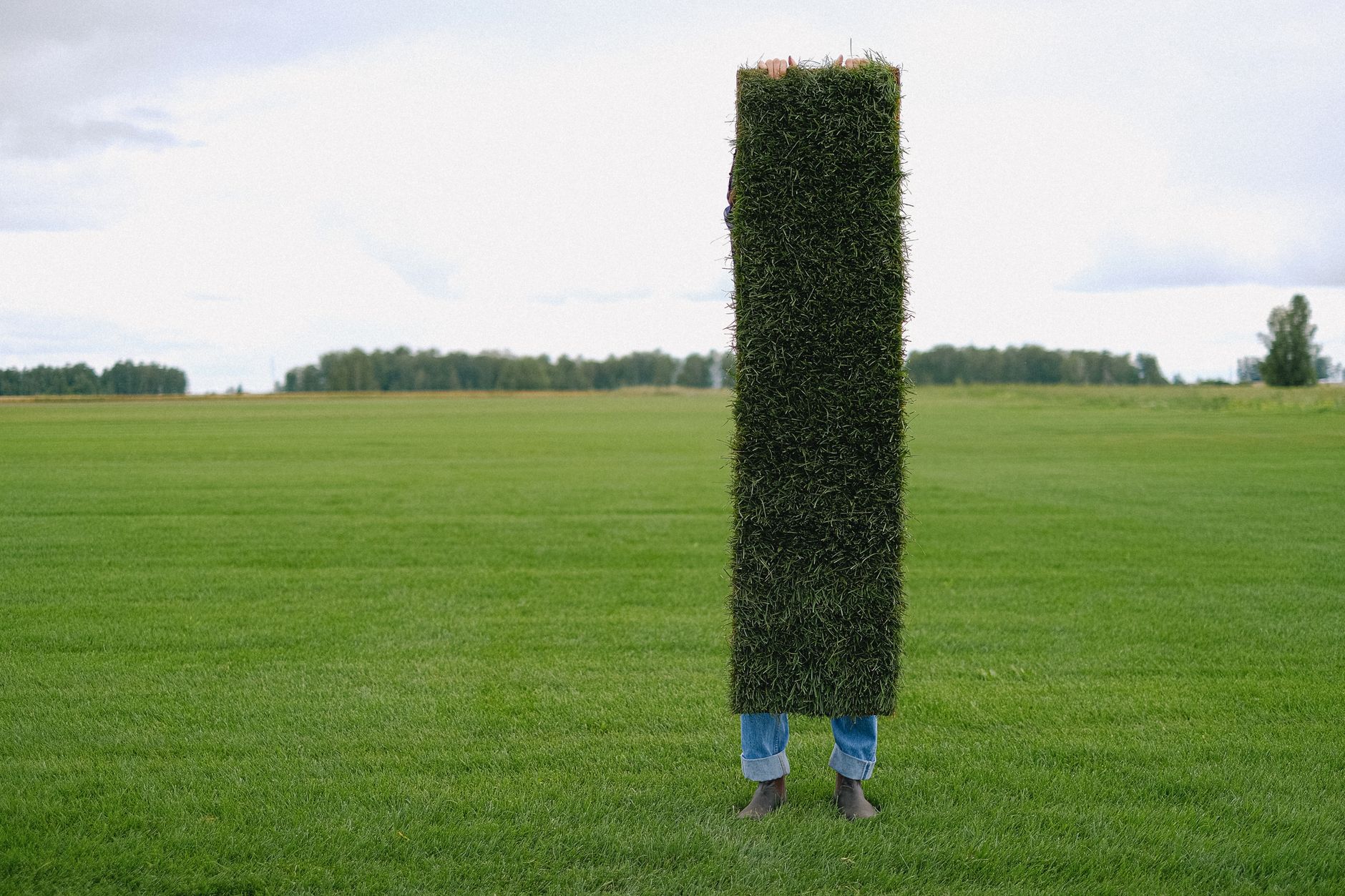
What does a simple test routine look like for each fairway?
Run the routine on a dry morning, before any mowing, and use the same spots every time. Record each spot so the next visit can find it.
- Mark about 10 fixed spots per fairway with flags or GPS waypoints, including two near cart paths and one in each low area.
- Cut a small plug at each spot, measure thatch depth against a ruler, and record the unit you used.
- Take three firmness readings with the same Clegg at each spot, and record the average.
- Take a soil moisture reading in the same hole or within a foot of it.
- Note where the crew tends to turn equipment, since those spots will see the tightest robot passes.
What belongs in the weekly log?

A log only helps if each row can be compared a week later. Keep one row per spot, and one column per measure, so the trend is visible at a glance.
- Date, spot ID and rainfall or irrigation in the prior 24 hours
- Thatch depth and the measuring method used
- Firmness average and the device name
- Soil moisture reading
- Traffic or work events such as heavy cart passes or aerification
- Turf color, scalping or dry spot observations
What do robot mower makers say about soft turf?
Most public claims are vendor reported. At the 2026 Husqvarna British Masters, The Belfry ran 16 CEORA units overnight across its Brabazon Course. Husqvarna says CEORA units manage up to 50,000 m2 every second day. That is a company figure, and the coverage I reviewed contained no thatch or firmness data.
Husqvarna also says its all wheel drive Automower model is built for the most challenging areas of a course. Toro says its GeoLink autonomous fairway mower slows the inside wheel and reels automatically in turns, which the company says reduces turf wear and scrubbing. Both are company statements.
What I could not find is independent traction, slip or thatch data for any of these mowers on soft turf. Your own log is the best evidence you will have, so run a trial strip before a full fairway goes live.
How should the first month shape the next step?
Use the first month to decide where the robot starts. Soft spots with rising thatch may need cultural work before a robot pass, while firm, stable spots make a clean first zone.
Service Robot Co. is OEM neutral. We compare mowers across manufacturers against your site before recommending one, then lease the robot through financing on a three year lease, with one fixed lease quote after a site assessment. We deploy and integrate each unit, train your crew, and service it under RoboCare, our service program, backed by regional service engineers in every state we service.
Bring your dated log to the site assessment. Baselines make the lease conversation about your turf, not a brochure.
Frequently asked questions
Want a robot working for you?
Tell us the job and the site. We will recommend the robot, quote the lease, and keep it serviced.
Sources
- USGA Course Care: Thatch leads to localized dry spot in bentgrass fairways (2012)
- USGA: Course Care thatch control key to firm resilient fairways (2012)
- STRI Ballarat Golf Club Report (2023)
- Golf.com: Clegg hammer golf course tool
- Asian Turfgrass Center: Measuring surface hardness on greens, fairways and approaches
- Golf Business News: Autonomous mowers at The Belfry, Husqvarna British Masters
- Toro: Autonomous fairway mower (GeoLink)
- Husqvarna: Golf courses