Key takeaways
- A successful robot deployment begins with a thorough audit of your facility's physical and IT infrastructure.
- Key physical checks include flooring, pathway clearance, door thresholds, and ramp inclines, which are often stricter for robots than for people.
- Robust Wi-Fi coverage with smooth roaming is non-negotiable for a connected robot fleet and is more demanding than networks for human-operated devices.
- Partnering with a vendor-neutral integrator simplifies the complex preparation, deployment, and integration process, ensuring the right robots are selected and supported.
- Staff training and clear communication are as critical as any technical requirement for integrating robots into daily workflows.
Your Guide to a Successful Robot Fleet Rollout
Preparing your facility for a fleet of autonomous mobile robots (AMRs) involves more than just choosing the right machine. A successful deployment hinges on a detailed assessment of your physical environment and your digital infrastructure. Ignoring this preparatory phase is a common cause of pilot program failures, leading to stoppages, low utilization, and a poor return on investment.
This checklist provides an actionable framework for facility managers. It covers the critical environmental factors that determine whether a robot can perform its duties efficiently and reliably. From the texture of your flooring to the strength of your Wi-Fi signal in distant corners, every detail matters. Getting it right ensures your investment pays off through increased productivity and streamlined operations.
We will examine the essential physical and IT readiness checks, from pathways and elevators to network security and system integration. A methodical approach to this groundwork lays the foundation for a smooth go-live and sustained performance long after.
How Do We Evaluate Our Floors and Pathways?
A robot's performance starts from the ground up. The condition of your floors is a primary factor in navigation and safety. Smooth, continuous surfaces like polished concrete, vinyl tile, or low-pile commercial carpet are ideal.
Conversely, deep grout lines, cracked or uneven concrete, and high-pile carpeting can interfere with sensor readings and impede movement. Even flooring that appears level to the eye can present challenges. Transition strips between different floor types are frequent points of failure, as a half-inch lip can be an impassable barrier for some robots.
Beyond the surface, pathways must have adequate clearance. Aisles need to be wide enough for the robot to navigate, turn, and avoid obstacles, including temporarily staged pallets or carts. A detailed route mapping and analysis will identify potential bottlenecks and congested areas that need to be addressed before deployment.

Are Doorways, Ramps, and Elevators Accessible?
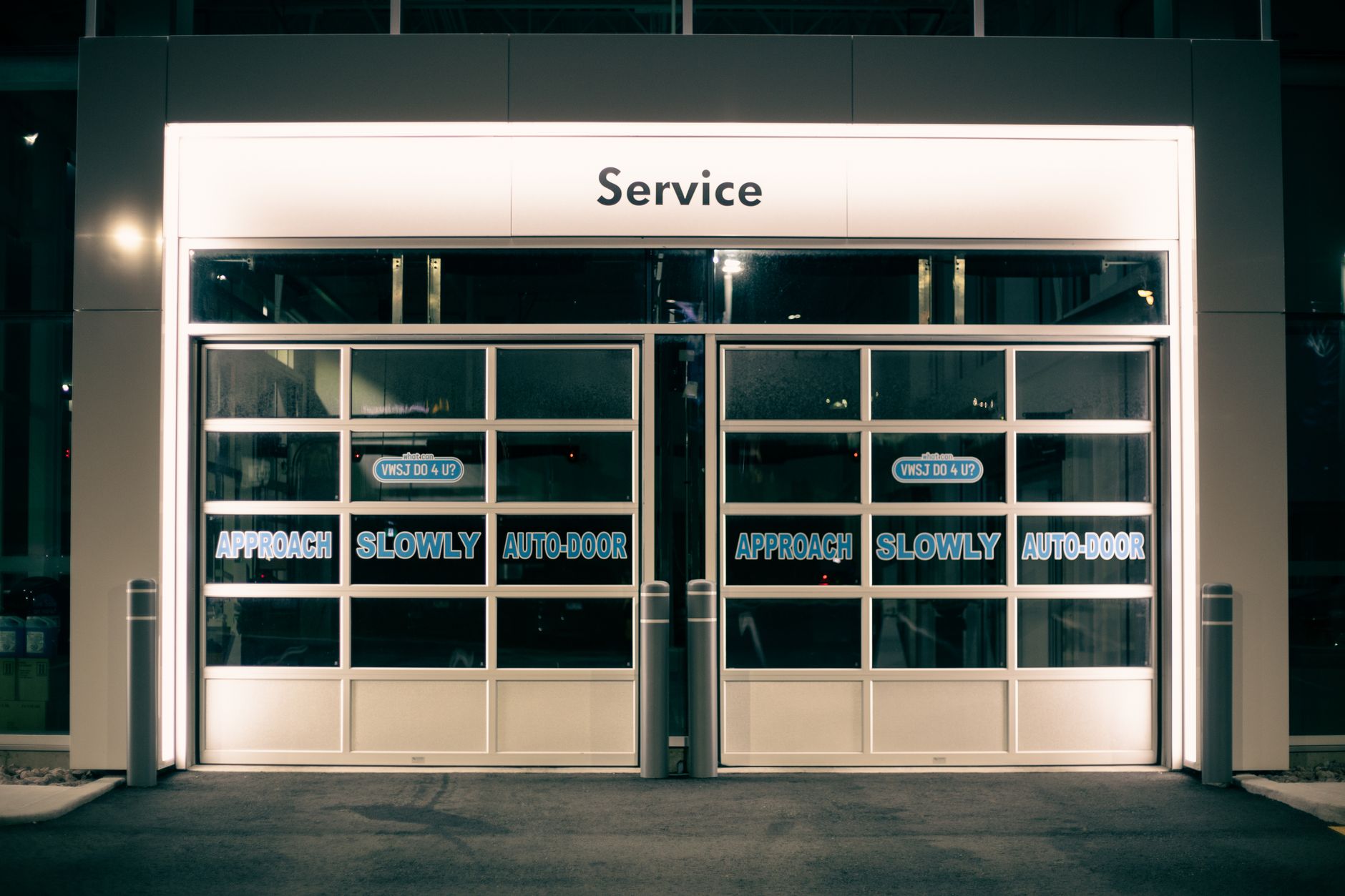
What is accessible for a person is not always accessible for a robot. Automatic doors are a must for many applications, but they require integration to open on the robot's approach. Manual doors create a hard stop. Doorway thresholds, even those compliant with the Americans with Disabilities Act (ADA), can be too high for many commercial robots.
Ramps present a similar challenge. The maximum incline a robot can safely traverse is a critical specification that varies widely by model and payload. This limit is often much stricter than public access ramp standards. Relying on an ADA-compliant ramp without verifying the robot's specific gradeability is a common oversight.
For multi-floor operations, elevator integration is essential. This is not a simple mechanical task. It requires a sophisticated software interface that allows the robot fleet manager to communicate with the elevator control system. The robot must be able to call the car, select a floor, and receive confirmation, a process that demands deep integration expertise.
What Are the Network and Wi-Fi Requirements?
A Wi-Fi network that supports handheld scanners and laptops is not automatically ready for an AMR fleet. Robots are in continuous motion and depend on a persistent, reliable connection for task updates, navigation data, and communication with the fleet management platform. Any signal drop can cause a robot to pause, disrupting the entire workflow.
Your facility needs 100% wireless coverage across all operational areas, with no dead zones. This includes warehouses, loading bays, corridors, and charging stations. The network must be designed for smooth roaming, allowing a robot to move between access points without losing its connection.
For security and performance, it is best practice to place the robot fleet on its own dedicated SSID or a separate VLAN. This isolates robot traffic from general corporate and guest network activity, preventing interference and ensuring sufficient bandwidth for what has become a mission-critical operational system.
How Do We Handle Power and Charging?
Most commercial robots manage their own power needs, autonomously returning to a charging dock when their battery runs low. The placement and availability of these docks are crucial for maximizing uptime. You need to position charging stations strategically so they do not create traffic jams or force robots into long detours from their primary work areas.
The electrical infrastructure must also be ready. Each charging dock has specific power requirements. A pre-deployment audit should confirm you have sufficient outlets with the correct voltage and amperage. You must also ensure the circuits have enough capacity to handle multiple robots charging simultaneously, which often happens at the end of a shift.

Is Our Building Management System Ready for Integration?
True autonomy is achieved when robots can interact with building systems. Beyond elevators, this includes access-controlled automatic doors, security systems, and even fire alarms. Proper integration enables a robot to, for instance, receive a signal from the fire alarm system and automatically move to a safe, pre-designated zone, clearing egress paths.
This level of communication requires a partner who understands both robotics and building management protocols. Interoperability standards like VDA 5050 are emerging to help different systems communicate, but implementing them requires specialized knowledge. The goal is to create a cohesive environment where the robots are an extension of the smart building's infrastructure.
How Do We Prepare Our Staff for Working with Robots?
Technology is only half the equation. The other half is your team. Preparing your staff for the arrival of robots is one of the most important steps for a successful deployment. This goes beyond simple operational training and extends into change management.
Employees should understand how the robots work, how to interact with them safely, and how the new technology will assist them in their roles. Frame the robots as tools that handle repetitive, strenuous, and non-value-added tasks, freeing up human workers for more complex responsibilities. According to Business Research Insights, manufacturing facilities using AMRs have seen productivity rates increase by as much as 36%.
Clear communication and proactive training can prevent resistance and foster a collaborative environment. When your team sees robots as helpers, adoption becomes much smoother, and the full productivity benefits of automation are realized much faster.
Why Partner With a Vendor-Neutral Integrator?
Conducting this extensive pre-deployment audit is a complex project. Facility managers already have full plates. This is where a partnership with a full-service, vendor-neutral robot integrator like Service Robot Co. becomes invaluable.
Because we are OEM-neutral, our first job is to understand your facility and your goals. We then select the right robots for the job from across all manufacturers, rather than pushing a single brand. Our process begins with a free site assessment to perform the detailed physical and IT checks described in this guide.
Service Robot Co. manages the entire lifecycle as one vendor. We handle the financing, site mapping, deployment, and crucial systems integration. Our nationwide network of US engineers provides go-live support, staff training, and ongoing maintenance, including on-site dispatch and remote triage. This turnkey robot deployment approach ensures you get the benefits of automation without the burden of becoming a robotics expert yourself.