Key takeaways
- Hospitals are rapidly adopting robots to improve efficiency, address labor shortages, and enhance patient care.
- Key applications include logistics, disinfection, surgical assistance, lab transport, and patient monitoring support.
- The medical robotics market is projected to grow significantly, reaching tens of billions of dollars by 2030.
- Robotic integration frees up clinical staff to focus on higher-value, direct patient care tasks.
- A vendor-neutral integrator is key to deploying and managing a diverse fleet of hospital robots for long-term success.
The New Standard of Care: How Robots Are Redefining Hospital Operations
Hospitals are increasingly turning to automation to improve efficiency, patient care, and staff satisfaction. The deployment of service robots for critical tasks has moved from a novelty to a necessity, helping facilities manage workloads and enhance safety. This shift is highlighted by the growing adoption within major healthcare systems. In 2026, hospital systems like Medical City Healthcare and WVU Medicine have expanded their robotic fleets, using them for tasks from surgery to supply delivery.
This trend reflects a rapidly growing market. According to research from The Business Research Company, the global medical robotics market is expected to grow from $20.11 billion in 2026 to $41.97 billion by 2030. This investment is directed toward the five most impactful uses for service robots in healthcare settings today: supply delivery, disinfection, surgical assistance, laboratory transport, and patient monitoring support. These applications are not about replacing human caregivers but augmenting their abilities, allowing them to focus on the person-to-person interactions that define quality care.
What is Driving the Adoption of Robots in Hospitals?
Several powerful forces are pushing healthcare facilities toward automation. Persistent labor shortages, intensified by staff burnout, have made it difficult to fill essential roles. Robots help bridge these gaps by taking on repetitive, physically demanding, or time-consuming tasks that often contribute to employee turnover.
Operational efficiency is another major driver. Automated systems reduce the time clinical staff spend on logistical work, like searching for supplies or walking specimens to the lab. This allows nurses and technicians to operate at the top of their license, dedicating more time to direct patient interaction and complex clinical duties. Furthermore, the drive for enhanced patient safety, particularly in infection control, has spurred the adoption of specialized disinfection robots that offer a new level of thoroughness.
Application 1: Automated Supply and Medication Delivery
One of the most common and effective uses for autonomous mobile robots (AMRs) in hospitals is the transport of materials. These hospital delivery robots handle the constant flow of supplies, medications, meals, and linens throughout a facility. They navigate busy corridors and can even use elevators to operate across multiple floors, running 24/7 with minimal human oversight.
Automating these deliveries yields significant benefits. It frees up nurses and aides from non-clinical tasks, reducing interruptions and allowing them to remain on their units with patients. Secure, locked compartments ensure a verifiable chain of custody for transporting sensitive items like pharmaceuticals, a critical component of hospital logistics. Hospitals that have implemented these systems report marked improvements in workflow efficiency and staff satisfaction.
Application 2: High-Intensity Disinfection
Preventing hospital-acquired infections (HAIs) is a constant battle. Autonomous disinfection robots represent a powerful tool in this effort. These robots typically use high-intensity ultraviolet-C (UV-C) light to destroy pathogens like bacteria and viruses on surfaces and in the air. The UV-C light disrupts the DNA or RNA of microorganisms, preventing them from replicating and causing infection.
This technology provides a consistent and thorough layer of disinfection that complements manual cleaning protocols performed by environmental services staff. A key advantage is speed and reliability. An autonomous robot can disinfect a standard patient room in as little as 10 to 15 minutes, a fraction of the time required for traditional terminal cleaning methods. This accelerates room turnover, which is critical in high-demand areas like emergency departments and operating rooms.
Application 3: Precision Surgical Assistance
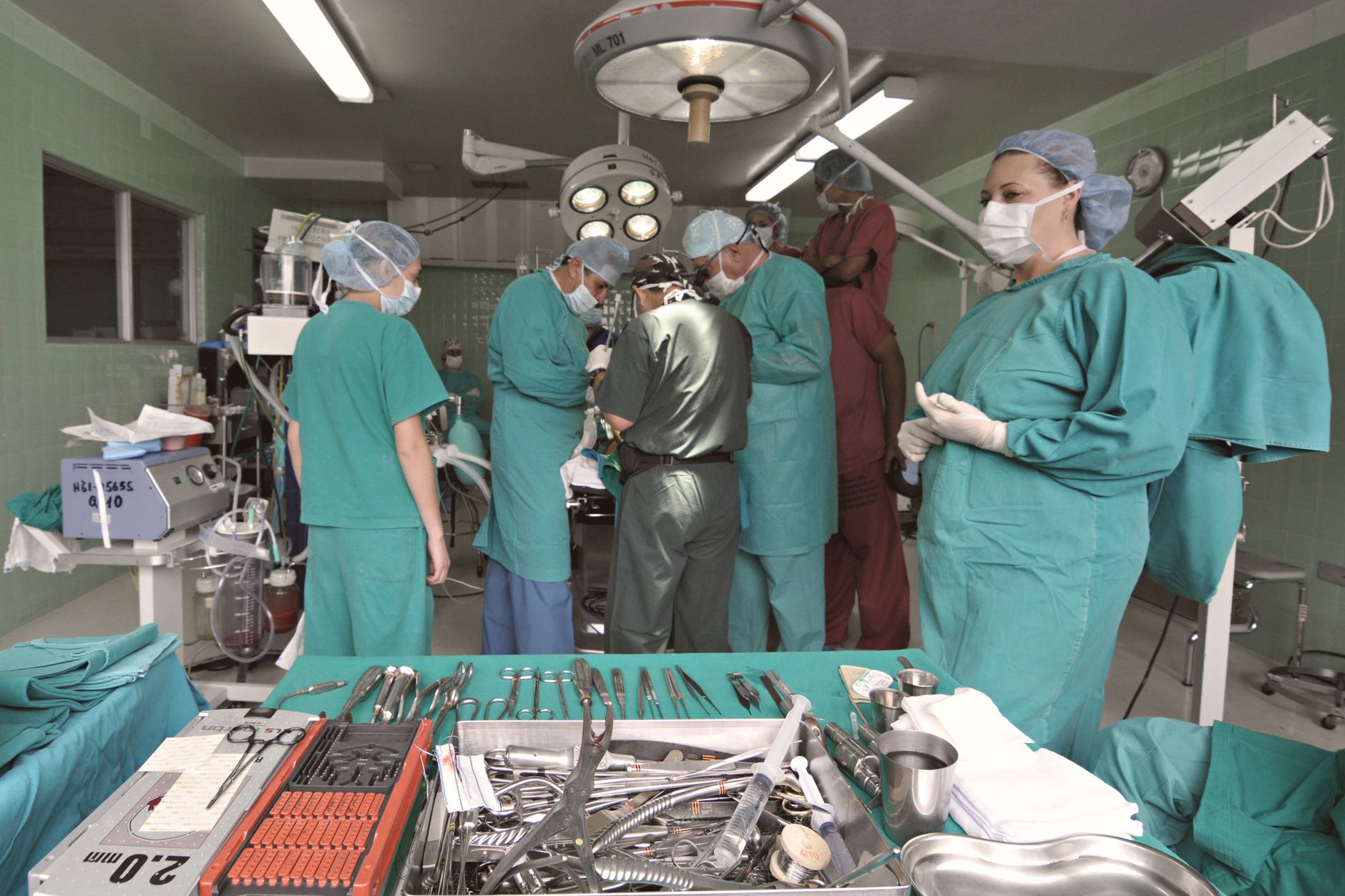
Robotic-assisted surgery has become a cornerstone of modern medical practice. These advanced platforms do not perform operations independently. Instead, a surgeon operates from a console, and the robotic system translates their hand movements into smaller, more precise actions with tiny instruments inside the patient's body. This technology provides surgeons with enhanced 3D visualization, dexterity, and control.
The benefits for patients are substantial. By enabling surgeons to perform complex procedures through very small incisions, robotic assistance often leads to less pain, reduced blood loss, shorter hospital stays, and faster recovery times. Health systems are investing heavily in this area. WVU Medicine, for instance, now operates one of the largest fleets of surgical robots in its region, using them for a wide array of procedures from cardiac to colon surgery.
How Does a Hospital Integrate a Diverse Robot Fleet?
Deploying different types of robots for various tasks presents a management challenge. A surgical robot has different needs than a floor scrubber or a delivery AMR. This is where the value of an experienced, OEM-neutral integrator becomes clear. At Service Robot Co., we specialize in being the one partner a hospital needs for its entire automation journey.
We start with a free site assessment to understand a hospital's unique workflows and physical layout. Because we are not tied to any single manufacturer, we select the right robots for the job, whether it's one unit or a mixed fleet. Our nationwide network of engineers handles every aspect of the lifecycle: deployment, mapping, integration with systems like elevators, staff training, and ongoing service. Through our Robot as a Service (RaaS) monthly subscription, hospitals can adopt this technology with no upfront capital, making it financially accessible. One vendor and one number to call means simplified management and guaranteed uptime for the entire fleet.
Application 4: Secure and Rapid Lab Transport
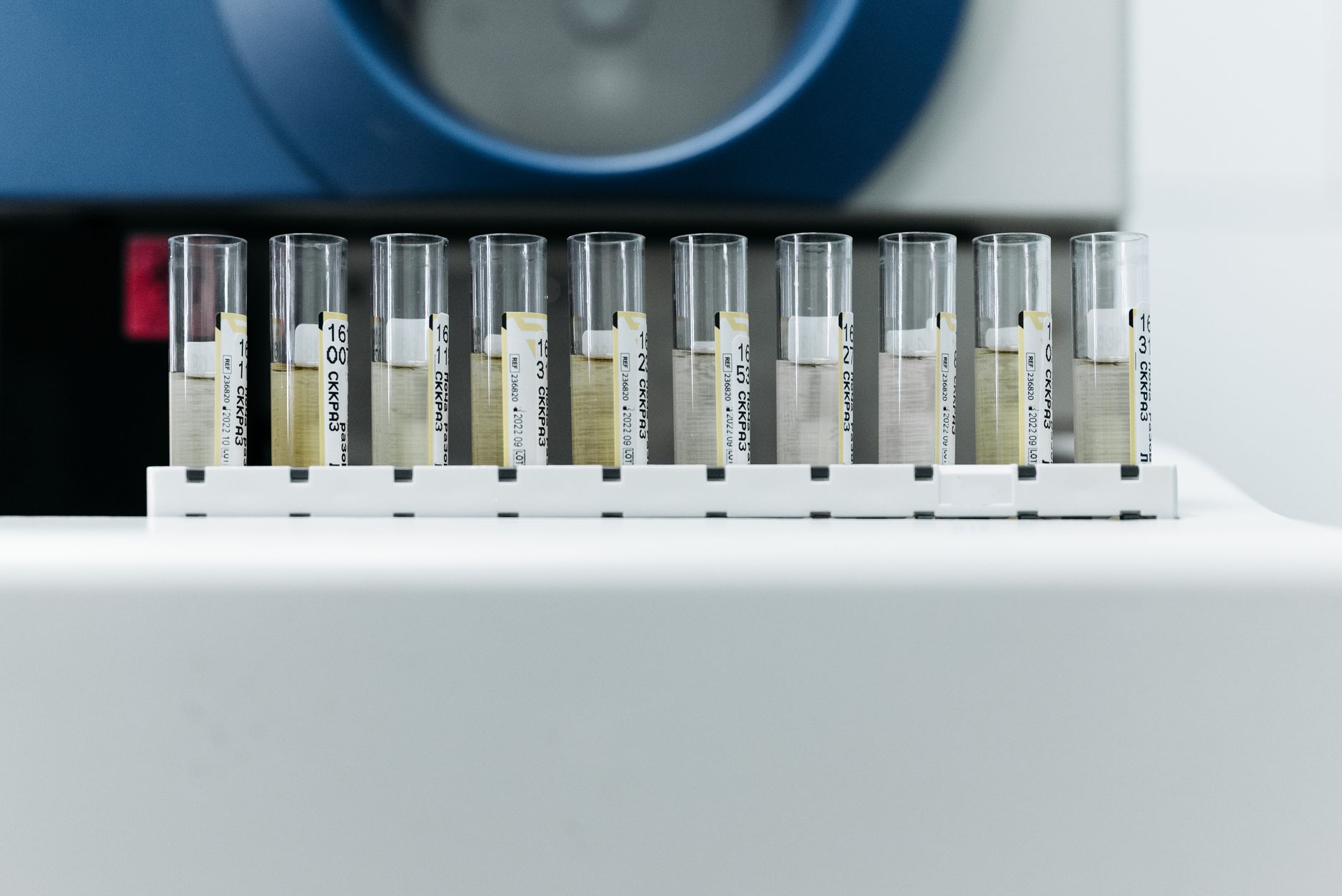
The timely transport of lab specimens is critical for rapid diagnostics and treatment. Delays can compromise sample integrity and slow down patient care. Autonomous mobile robots are ideally suited for this task, providing on-demand and scheduled transport of blood, tissue, and other biological samples from patient floors to the central laboratory.
These robots offer secure, tamper-resistant compartments and a full audit trail, ensuring samples are tracked from pickup to delivery. By automating this repetitive transport, hospitals reduce the risk of human error, minimize turnaround times, and allow skilled technicians to remain in the lab performing high-value diagnostic work rather than walking the halls.
Application 5: Supportive Patient Monitoring
The newest frontier for hospital robots is in direct, supportive patient interaction. Telepresence robots allow specialists to conduct remote consultations, virtually “rounding” on patients in rural or underserved facilities from hundreds of miles away. These systems feature high-definition cameras and two-way audio, enabling real-time engagement between physicians, patients, and on-site staff.
Other emerging robots are designed for continuous patient monitoring, tracking vital signs and activity levels. These systems can alert nursing staff to subtle changes in a patient's condition, potentially enabling earlier intervention. By taking on some of the routine data collection, these robots can help alleviate the workload on nursing staff, allowing them to focus on direct care, patient education, and critical thinking.