Key takeaways
- A two-week trial can prove fit and routine, not long-run savings.
- Pick one lobby zone and one hallway run before adding any more floor.
- Log every night: route completion, stops, staff touch time and guest comments.
- Write your stop rules down before day one.
- Hospital figures are mostly vendor-reported, so treat them as hypotheses your own log must test.
What a two-week lobby trial can prove
A two-week trial answers one question well: can a floor robot run a defined clinic route on your floors, with your staff, without creating new work? It will not tell you the long-run cost picture, and a trial that claims to is overreaching.
Clinic-specific evidence is thin. The hospital results most often cited come from vendor case studies or single sites rather than independent multi-site trials, so your own nightly log becomes the most useful evidence you will collect.
Choosing one zone and a quiet window
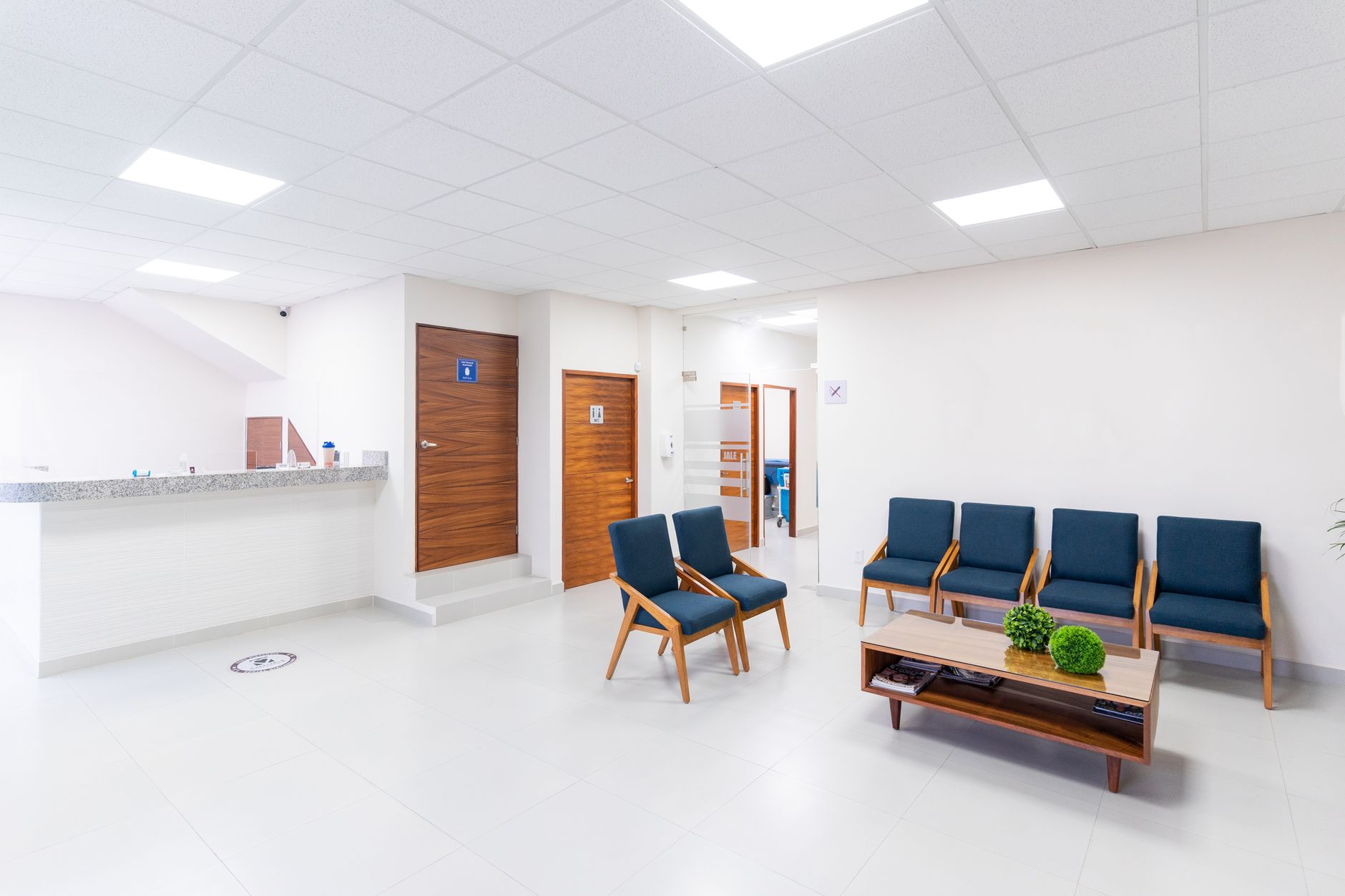
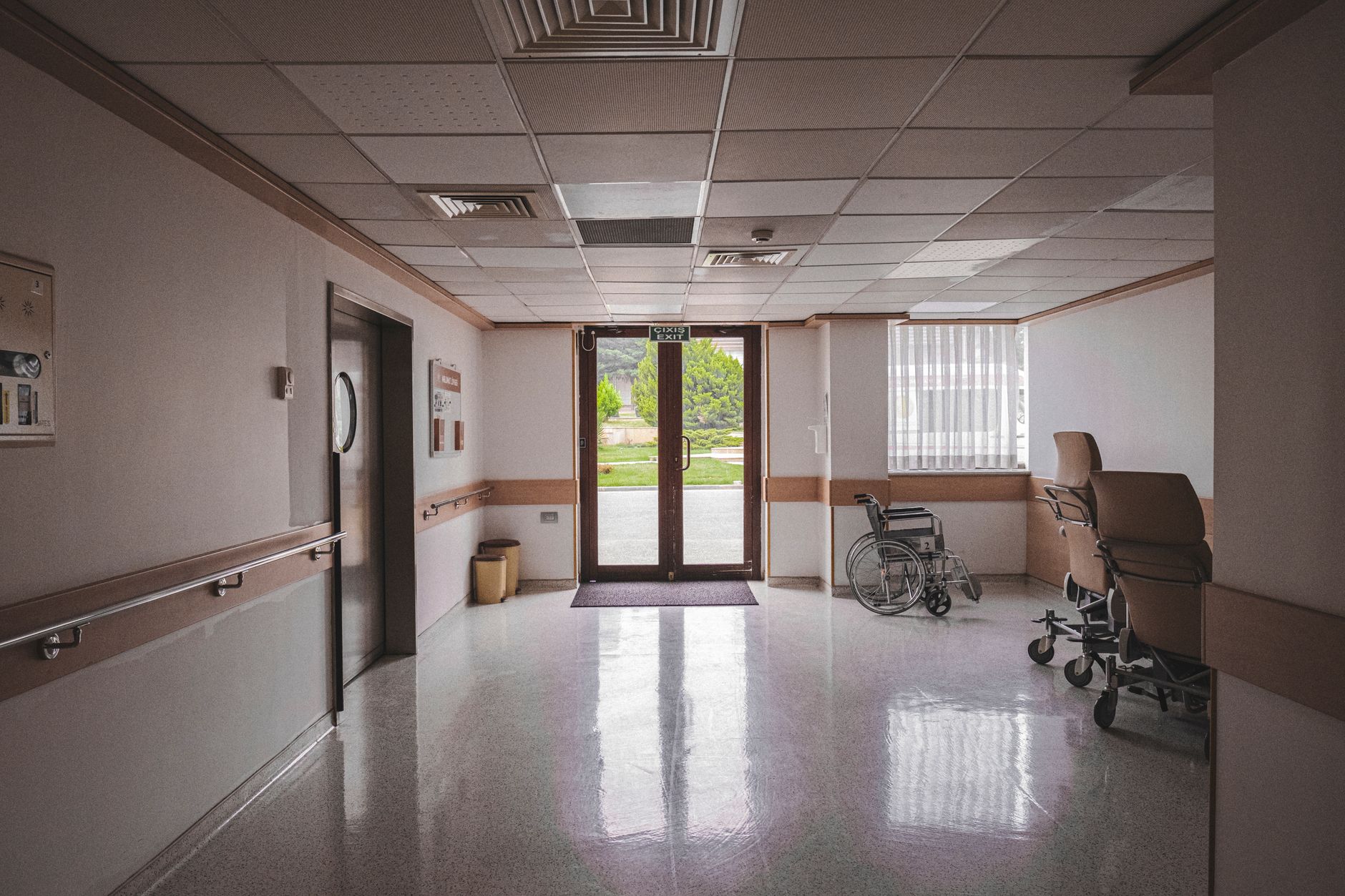
Start with one lobby zone and one hallway run, not the whole floor plan. A lobby with open floor between the entrance and the check-in desk makes a fair first test. Hallways with wheelchairs, linen carts and door thresholds need a walk through before anything is scheduled.
Fix the run window before the robot arrives. Closed hours or the gap before the first appointment are the usual choices. In a 2021 PDSA report on a Singapore General Hospital project, manual mopping time reportedly fell 57 percent, from 35 minutes to 15, according to the report. Staff needed practice and monitoring to adapt, so build a training week into the two.
What to set up on day one
A vendor guide describes a four-step rollout: a site audit to confirm fit, mapping during a quiet window, staff training on daily basics and the emergency stop, and a go-live review after the first month. A two-week trial compresses that sequence, so mapping and training must be finished before day one, not during it.
Brain Corp recommends a central program leader and a standard setup checklist for every site. Even a single clinic benefits from that habit. The checklist should name the emergency stop location, the charging spot and the person to call when the unit stops in a hallway at night.
What to log each night
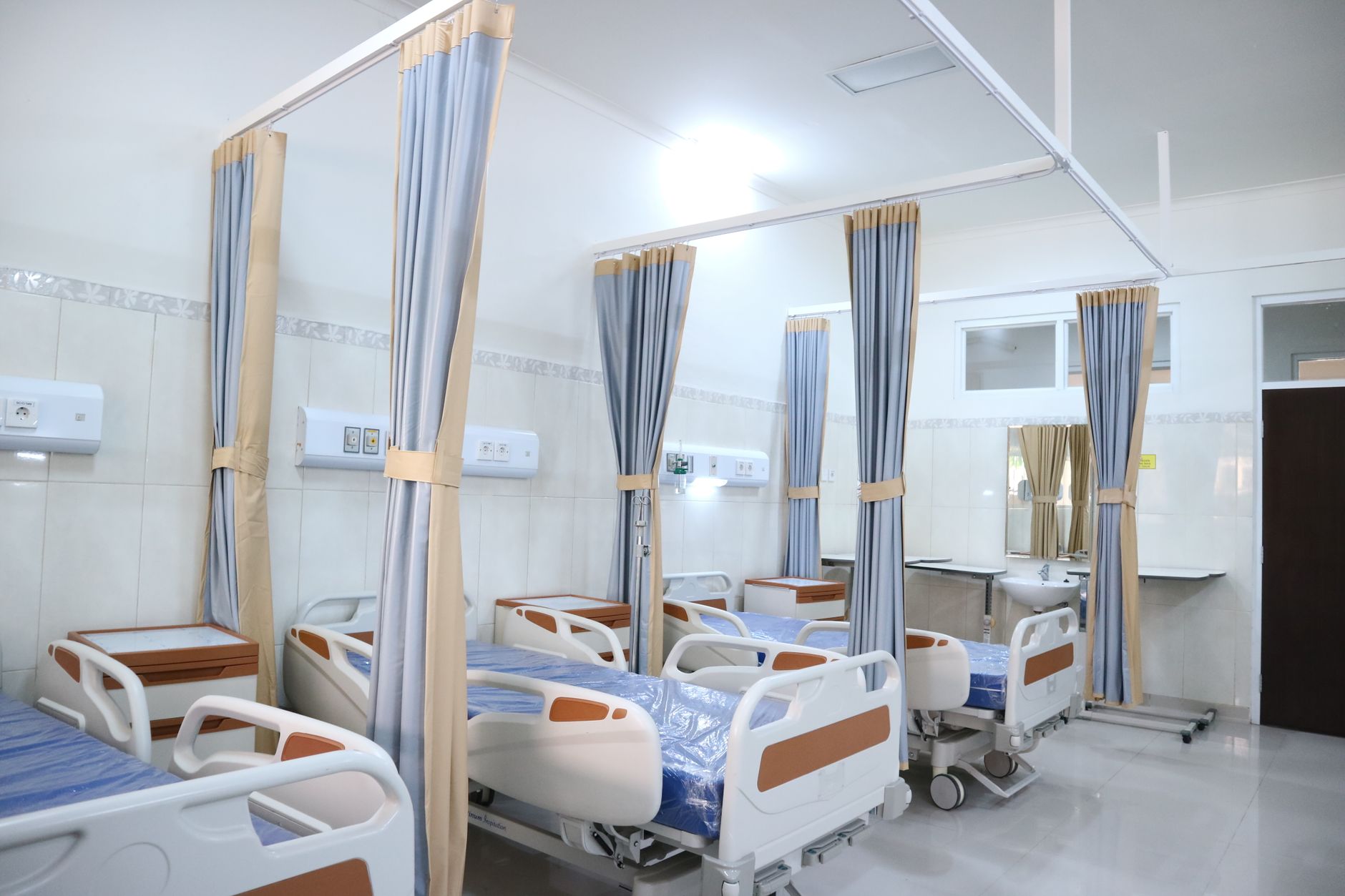
The log is the trial itself. Record these items every run, and keep them on one page so the night lead can finish the entry in a few minutes.
- Completed route against the planned route, with the reason for every skipped section
- Each stop, its cause (person in the path, door, cart, spill or fault) and the minutes lost
- Staff touch time, meaning minutes anyone spent assisting, moving or resetting the unit
- Guest comments that reached the front desk, with time and location
- End-of-run floor check, including any missed debris or wet spots
- Charge events and error codes, with the time each one cleared
Three success measures that fit a clinic
Use coverage, interruption and labor. Coverage is the share of the planned route completed without staff help. Interruption counts stops per run. Staff touch time shows whether the robot saves effort or simply moves it somewhere else. Set a threshold for each before day one, because the research found no clinic benchmark to borrow.
A Tennant case study says the Frederick Health Hospital team uses production rates and labor inputs from its autonomous program to price future bids. That is a vendor-reported claim, but the habit is worth copying: your log numbers should feed a decision, not a slide.
When to stop, pause or extend
Stop when staff spend more time on the robot than on the floor it was meant to free, when a safety incident occurs, or when the same stop repeats after a route change. Those point to a poor fit, and extra days will not fix them.
Pause for a single fault or a guest complaint you can trace to one fixable cause, such as a doorway threshold or a charging spot in a walkway. Extend only when the numbers are improving and the remaining gap has a named cause. An extension with no named cause is just a longer demo.
What two weeks cannot settle
Payback is the claim vendors make most often and the one a two-week trial can test least. OrionStar states that published case studies show measurable returns within 12 to 24 months. That is a vendor statement, not an independent finding, and it belongs in a longer review of your own log.
Market context is real. According to IFR, professional cleaning robots were the third-largest service robot segment in 2024, with sales up 34 percent to more than 25,000 units, and most are deployed for floor cleaning. Growth shows demand, not that your lobby will earn a return in its first month.
How Service Robot Co. runs the trial
We begin with a site assessment that maps the zones and hours you are considering, then quote one fixed lease after that assessment. We are OEM neutral, so the unit is chosen for your floor and route rather than from a single manufacturer's catalog. The lease runs three years, and RoboCare covers service and remote triage after go-live.
Frequently asked questions
Want a robot working for you?
Tell us the job and the site. We will recommend the robot, quote the lease, and keep it serviced.
Sources
- IFR press release via BusinessWire, October 2025
- Singapore General Hospital autonomous robotics project summary, PDSA
- Singapore General Hospital PDSA 2021 full report
- CleanLink, Frederick Health Hospital and Tennant T7AMR
- Tennant case study, Frederick Health Hospital T7AMR
- Sparkobot, how to deploy a commercial cleaning robot (vendor guide)
- Brain Corp, best practices for deploying a robotics cleaning program
- OrionStar AI robots page (vendor statement)