Key takeaways
- A compact floor robot can often fit a vintage aisle, but only a measured walkthrough proves it.
- The 700 mm minimum passing width one vendor publishes is a claim to test, not a guarantee.
- Map garment height, thresholds and wheeled racks before the first run.
- Run after close or before opening so no shopper shares the aisle with the machine.
- Ask for test results on your own floor before any lease quote is accepted.
Can a compact floor robot fit between vintage racks?
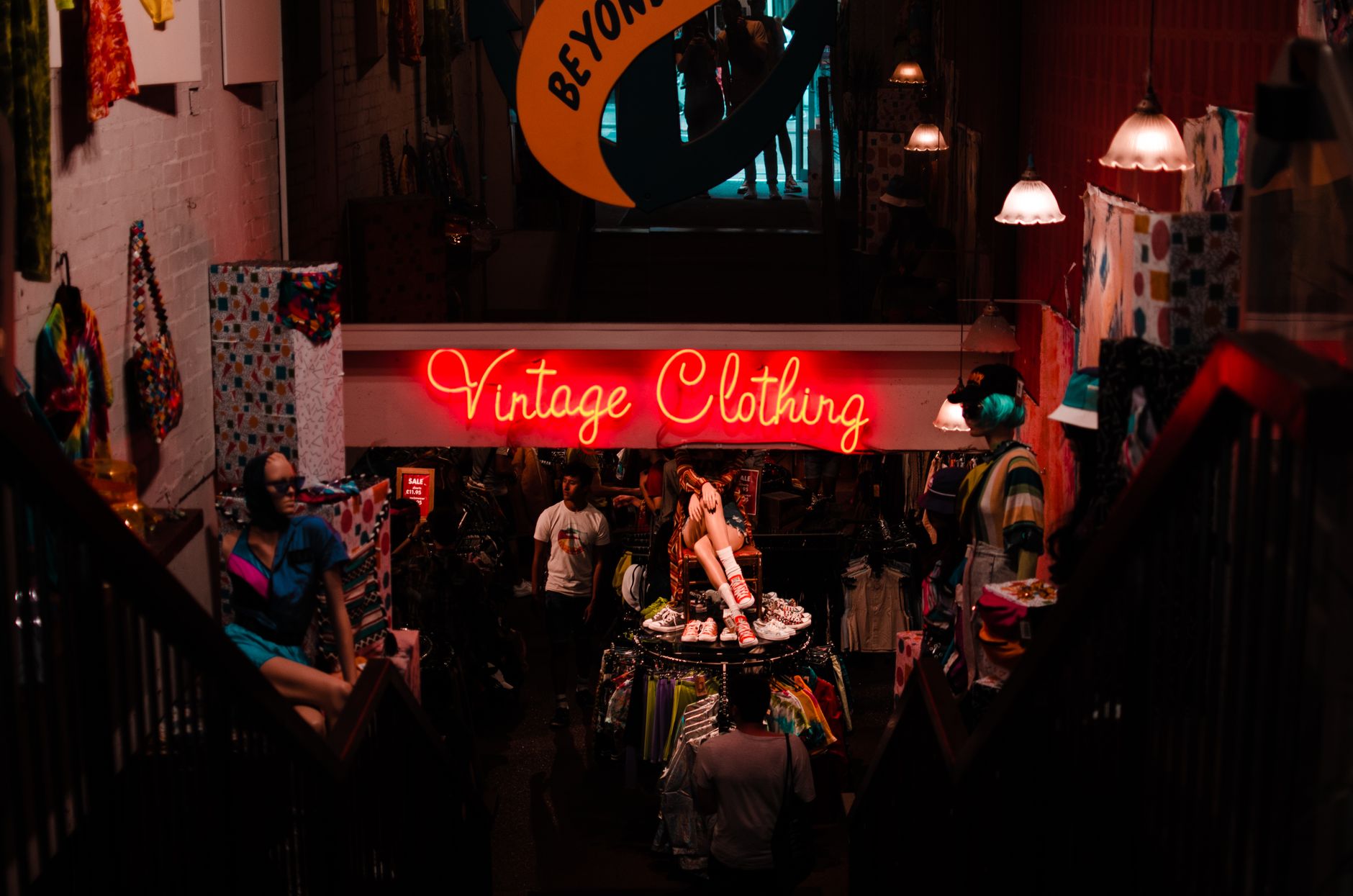
Often, yes, but the answer turns on the clear width your racks leave at garment height, not on the robot's catalog size alone. Vintage shops are packed by design. Racks stand close, garments hang low, and dust and loose fiber collect first near the door, where foot traffic is heaviest.
Compact floor scrubbers and vacuums built for retail aisles are marketed for exactly this kind of space. Their published minimum passing widths and their handling of raised thresholds decide whether a unit can run your layout. Treat every vendor figure as a claim to verify on your own floor before you commit.
A compact unit is worth a test in any shop where the main aisle clears a robot with room to spare and the entrance floor is reasonably level. If the main aisle is tight, the sensible answer may be a walk-behind scrubber for the front and a robot for the back rooms.
Why does grit collect near the entrance?
Floor cleaning is the main cleaning job for professional service robots. According to IFR figures as reported by Australian Manufacturing, cleaning ranked third by application in 2025 with a 12% share. According to IFR, professional service robot shipments rose about 24% to nearly 250,000 units in 2025.
Those totals come from a sample of 238 producers out of 1,001 manufacturers, and they are not projected to the whole industry. Read them as a sense of direction, not as a sizing tool for one shop.
The entrance is where the problem concentrates. Shoppers carry in street grit, and fabric sheds fiber onto the first stretch of floor, where a rolling rack or a stack of returns may sit for hours. That is the zone to map first.
What do vendors publish about aisle width?
Published figures are uneven and come from different kinds of sources. As of November 2026, these are the claims I could check. None of them is an independent test.
- OrionStar CleaniBot S55 Pro: the vendor page lists a minimum passing width of 700 mm, and a secondary guide says its size limits maneuvering in narrow clothing aisles.
- Gausium Phantas: a vendor post describes it as a very compact commercial floor robot with fully autonomous mapping, marketed for narrow retail aisles.
- Pudu CC1: a dealer listing says it can navigate tight retail aisles, a vendor-reported claim.
- Tennant: the company introduced a small-format robotic scrubber for grocery retail environments, a different layout from a packed vintage floor.
How do you map clear paths before the first run?
Mapping starts with a walkthrough, not a software setting. Walk the floor at the hour your shop is busiest, because that shows where the aisle really narrows, not where the floor drawing says it does.
A map made on a quiet Monday may not match the floor by Friday, because vintage stock turns over fast. Plan a remap after every major reset, and treat the first week as a period for checking the map.
- Record the narrowest gap at garment height, and confirm it with a second measurement.
- Note every threshold, rug edge and floor step the robot must cross or avoid.
- Flag wheeled racks, garment carts and rolling displays that move during the day.
- Lock down display stands and mannequins that could be pushed into a path.
What do uneven floors and thresholds do to a run?

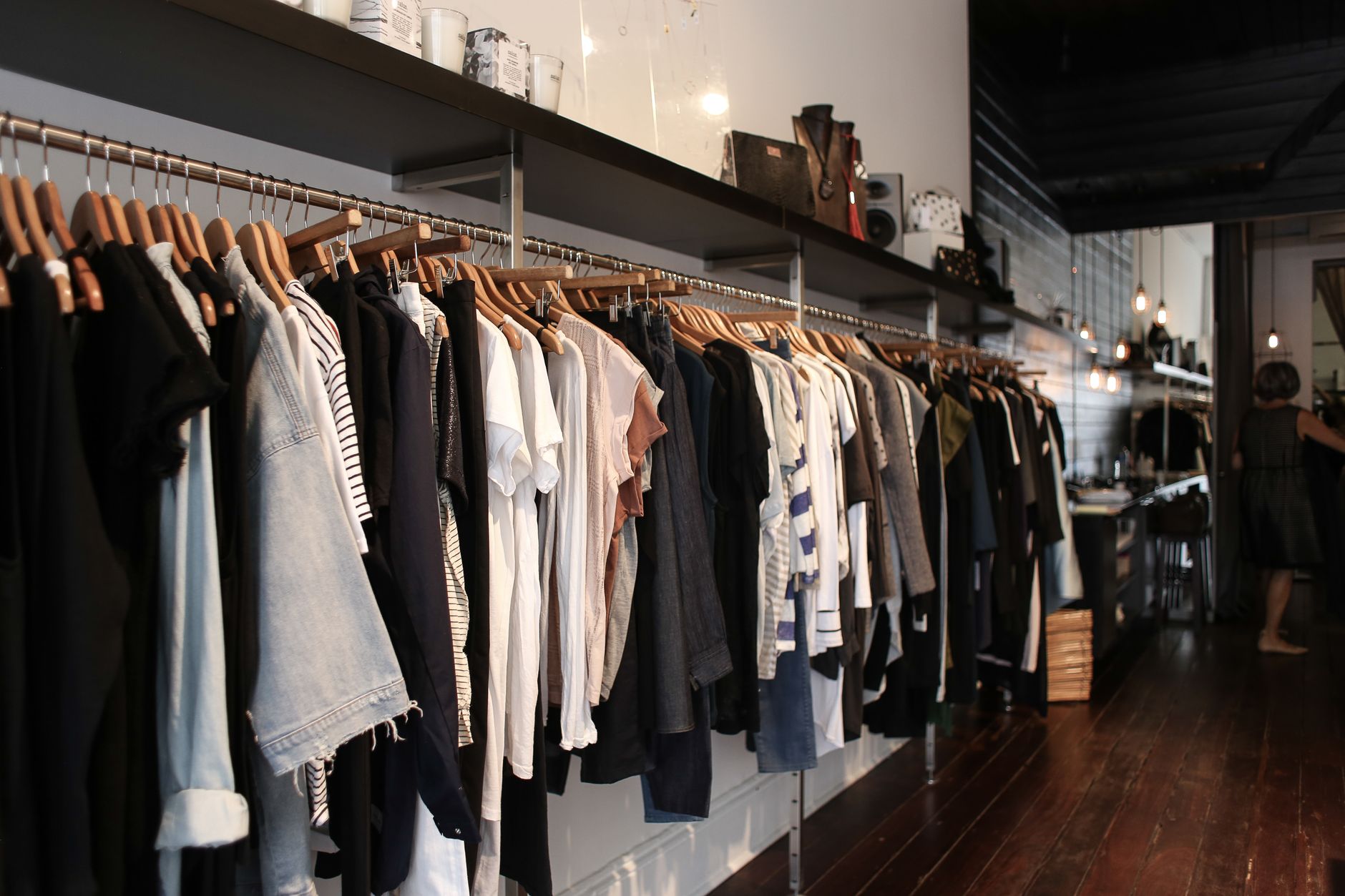
Vintage shops rarely have level floors. Old wood plank, worn tile and a threshold strip at the door can each stop a machine. Check the ramp and step limits in the product specification, then test the entrance and the back room with the unit itself rather than with a drawing.
The wet entry mat is the trouble spot. Water and grit can throw a robot off its line, so keep the entry zone on a dry path or start the route a few steps inside the door. A traction test on a sample of your real floor tells you more than any label.
When should the robot run so shoppers are not disturbed?
The safest window is after close or before the doors open. Walmart tested autonomous floor scrubbers on overnight shifts in five stores in 2017, according to reporting from that year. That is older coverage, but the logic holds: a machine that needs no operator belongs where no shopper is in the aisles.
Tie the run to the closing and opening routine. A shop with one closing employee needs the robot to start after that person has cleared the floor and finish before the morning staff arrive. Read the robot's log alongside the closing checklist each morning.
Daytime runs are a separate decision. They need staff rules, a clear stop process for when a shopper steps into the path, and a test period before anyone relies on them.
What do mapping and cloud features store, and who checks it?
Mapping and cloud features record layout data. Some guides advise checking GDPR and data handling before turning these features on, because each vendor's data terms differ. Ask where maps are stored, who can open them, and how long they are kept.
How does a shop get a robot from Service Robot Co.?
Service Robot Co. is OEM-neutral. We choose the robot for the aisle rather than for the brand name, and we arrange commercial robot leasing through financing on a 3-year lease. The lease is quoted as one fixed figure after a site assessment, so the layout test happens before any lease quote reaches the shop.
Deployment covers site assessment mapping, integration, staff training and go-live support. Every unit runs under RoboCare, backed by regional service engineers in the states we serve, so a robot stuck in a narrow aisle has a named service path.
What should the first test prove?
Start with one aisle and one leased unit. Log every stop, every remap and every manual rescue, then widen the zone only after the log stays clean across several closes.
Set a go or no-go rule before the first night. If the robot cannot finish the aisle without a person stepping in, the shop should fix the layout or pick a different unit rather than force the test.
Frequently asked questions
Want a robot working for you?
Tell us the job and the site. We will recommend the robot, quote the lease, and keep it serviced.
Sources
- IFR, Global sales of professional service robots surge 24 percent
- Australian Manufacturing, report of IFR service robot data
- OrionStar CleaniBot S55 Pro vendor page (checked November 2026)
- Gausium Phantas vendor post (checked November 2026)
- Pudu CC1 dealer listing (checked November 2026)
- SDCExec, Tennant introduces small-format robotic scrubber for grocery retail
- Lifeboat, 2017 reporting on Walmart overnight floor scrubber tests