Key takeaways
- Written weather rules belong in the same folder as robot maps and escalation contacts.
- Thunder means stop, even if rain has not started yet.
- Heat limits should follow workload, not a single yard thermometer.
- Safe parking spots need cover, power, and a human who can authorize restart.
- Restart after weather is a procedure, not an automatic resume button.
When should an outdoor robot fleet shut down?
Outdoor delivery, cleaning, inspection, and patrol robots share one risk profile with people on the same lot. When conditions turn hazardous, the fleet needs a defined slow-down, reroute, or full stop before motors, batteries, or sensors take damage and before guests or staff assume the machine is still safe to approach.
A practical policy names who watches the forecast, which sensors or apps count as official, and which supervisor can clear a restart. According to OSHA and NOAA lightning guidance for outdoor work, employers should spell out when to suspend activities, where shelter is, and how long to wait before going back outside.
Robots do not get a separate weather standard. If your security team would pull guards under a given sky, your patrol unit should park under the same trigger unless engineering signs off on a narrower exception.
How much rain or standing water is too much?
Light mist may only require slower speeds and wider turning. Steady rain that pools in low spots is different. Standing water can flood drive units, short lidar windows, and void warranties if you push through depth the manual forbids.
Mark drainage trouble zones on the map and set a rule: if water covers more than the tire hub or splashes the chassis belly, the unit returns to a raised dock or indoor crossover. Cleaning robots with vacuum paths need extra caution because wet debris clogs recovery ports fast.
After storms, send a human on foot or in a cart to verify depth before any autonomous resume. A robot that misjudges a new lake in a loading lane can stall traffic for hours.
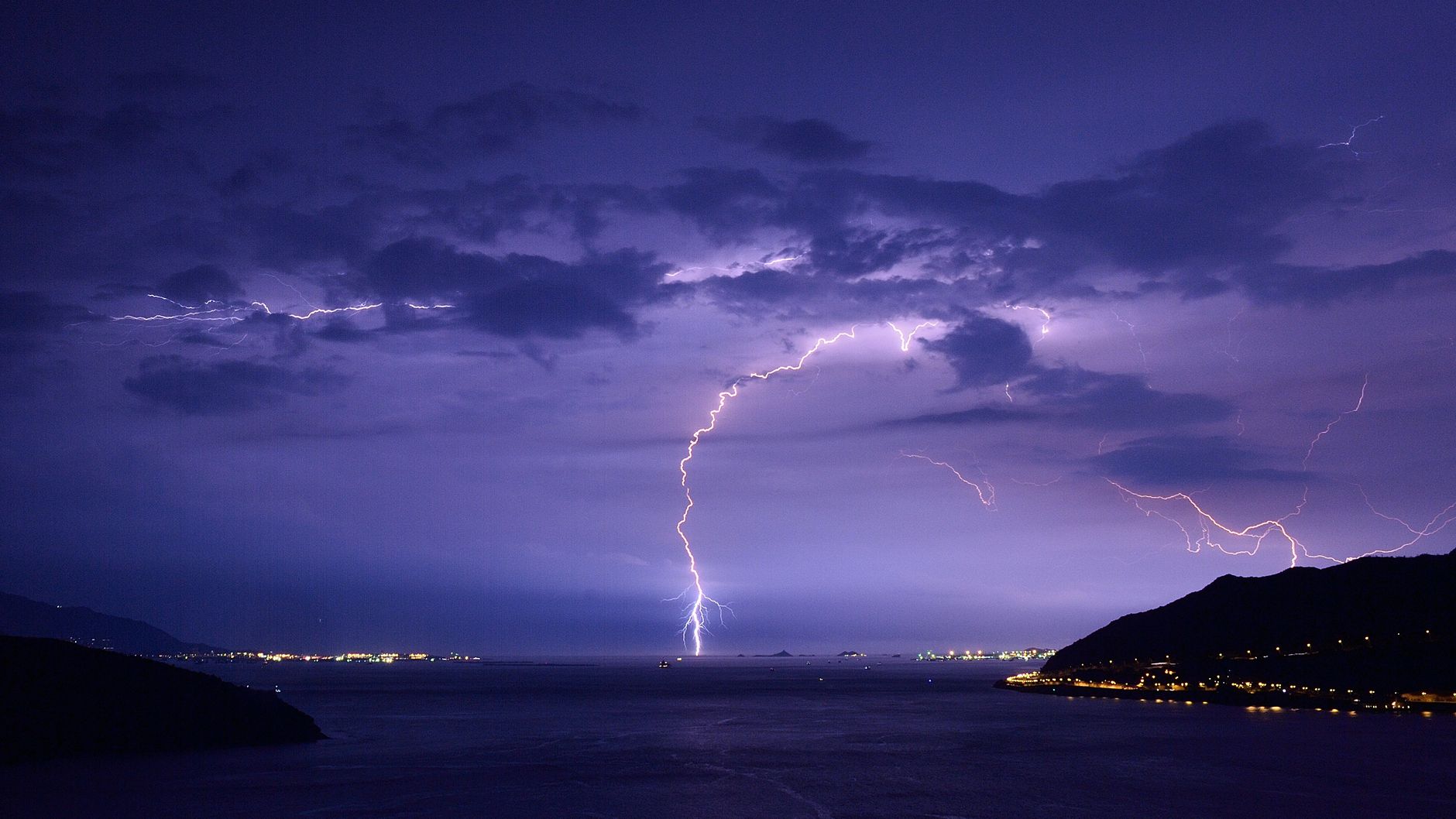
What lightning and thunder rules should trigger an immediate stop?
The National Weather Service states that if you can hear thunder, lightning is close enough to strike. OSHA’s outdoor lightning fact sheet tells supervisors to take action after thunder, visible lightning, or other warning signs of approaching storms, and to document how workers are notified.
Many site policies add a time buffer before restart. NOAA commonly cites waiting about 30 minutes after the last thunder before returning outdoors. Your robot playbook should match human rules so guards and technicians are not arguing about whether the patrol unit may leave cover while people must stay inside.
Designate covered parking that is not under trees or tall steel. Tall charging masts, light poles, and fence lines are exactly what lightning guidance says to avoid.
How do you set wind limits for outdoor robots?
Manufacturer manuals list maximum safe wind speeds for outdoor models. Treat those as hard caps, then subtract margin if your site channels wind between buildings or along waterfront docks.
Delivery robots with tall trays or bag hooks catch gusts like sails. Patrol units with mast cameras vibrate enough to blur detections. When anemometers or airport METAR reports cross your tiered thresholds, shift to hold or indoor routes only.
Document whether a qualified person must visually check loose debris before restart. A trash lid in a lane looks like a false positive to lidar until someone removes it.
What heat and cold thresholds protect batteries and people nearby?
Heat stress rules for outdoor workers increasingly reference wet bulb globe temperature. OSHA’s heat hazard page, citing NIOSH guidance, lists action limits such as 82.4°F effective WBGT for light work for unacclimatized workers and 86°F for acclimatized workers, with lower limits as workload rises.
Robots add battery heat. On black asphalt above those bands, cut runtime, open shaded parking, and pause charging until cells cool. Cold below manufacturer minimums reduces range and can ice charging contacts. Winter policies should include preheat time in a garage before the first patrol loop.
Pair robot holds with human hydration rules. If maintenance techs must work outside in the same heat, one weather table keeps liability coherent.
How does low visibility change routing?
Fog, heavy smoke, and blowing dust shrink usable lidar range. Night glare from wet pavement does the same. Set visibility tiers: full speed, reduced speed with escort, or park.
Cameras that rely on contrast may miss curbs when everything looks gray. Require a manual lap or CCTV check before trusting autonomous patrol in wildfire smoke or coastal fog.
If your fleet serves airports or campuses with aviation weather feeds, align robot holds with ground-stop style alerts when those feeds are available to your operations center.
Who monitors forecasts and how often?
OSHA recommends checking NOAA weather reports before outdoor work and monitoring continuously while jobs run. Assign a named role each shift: facilities coordinator, security lead, or robot dispatcher.
Pull hourly grids for wind, heat index or WBGT, and storm cells. Automated text alerts help, but a human still acknowledges them in the log. Tie alerts to fleet software holds so routes cannot launch while a weather flag is red.
Service Robot Co. deployments often include a tabletop exercise during go-live so onsite names match the numbers in the written policy.
Where should robots park during a shutdown?
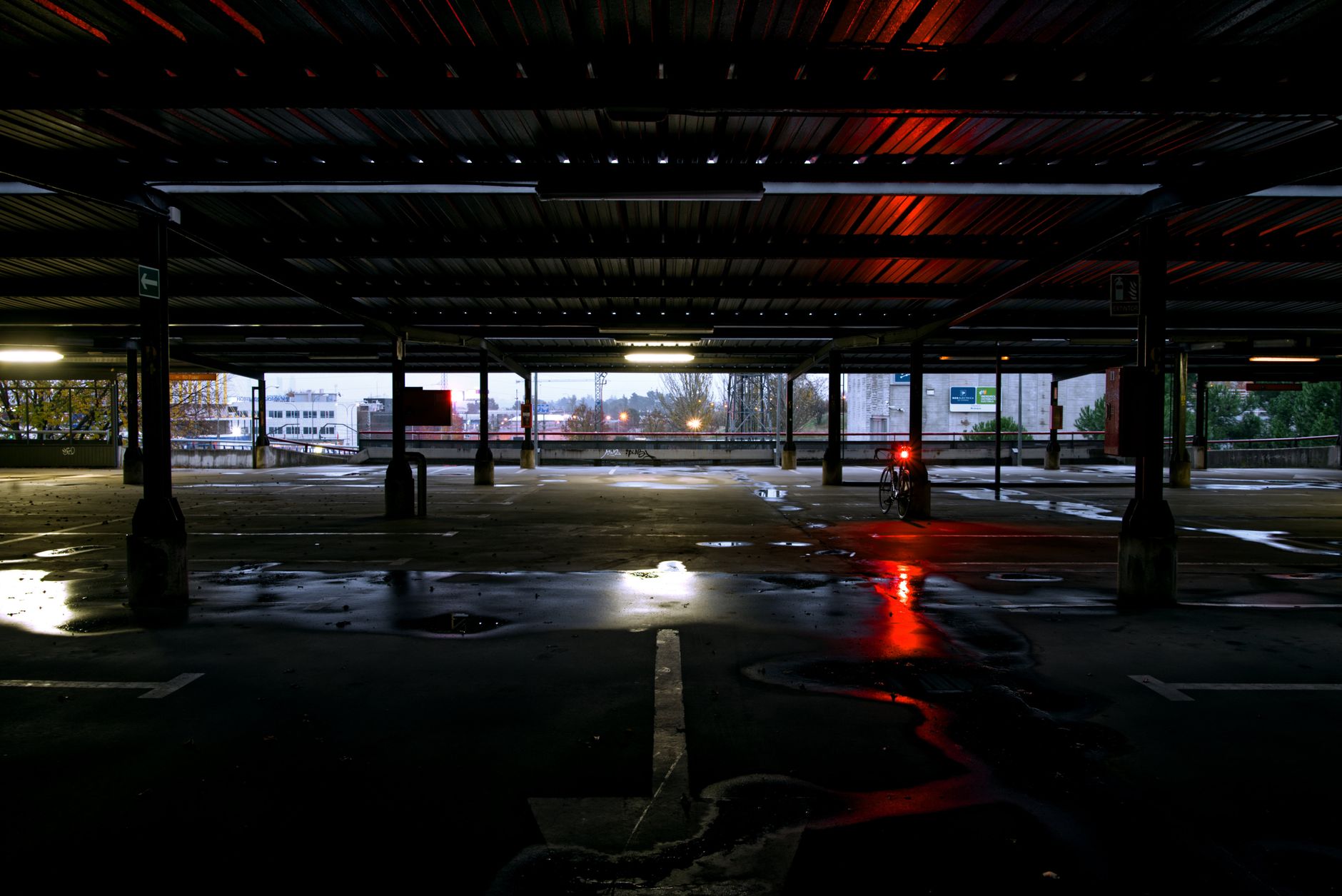
Safe parking means hard cover, level ground, and away from flood paths. Prefer indoor bays or parking structures with fire-rated doors over canvas tents.
Disconnect or cover charging if lightning is near. Note state of charge in the log so you know which units can finish an indoor errand after the storm.
If multiple vendors share a yard, color code parking slots so a returning scrubber does not block the only covered ramp the delivery unit needs.
What belongs on a one-page weather card?
List triggers for rain depth, wind, heat WBGT band, cold, lightning, and visibility. Add parking map thumbnails and phone tree for approvers.
Post the card at the charger wall and mirror it in the fleet portal. Update version dates when NOAA or OSHA guidance changes.
- NOAA check before first outdoor route
- Thunder equals immediate park
- 30 minute wait after last thunder before resume
- WBGT hold per NIOSH workload table
- Supervisor sign-off after visual lane check