Key takeaways
- Tire mud and grit wear shop entries faster than a once-a-day broom pass recovers.
- Census QuickFacts list 2,993 Weld County building permits in 2025.
- Weld County unemployment was 4.4 percent in 2024 per BLS county estimates.
- Mapped after-hours scrub routes protect floors before the next crew arrives.
- Monthly commercial robot rental terms align cleaning spend with building season.
Who should scrub shop floors when mud season starts?
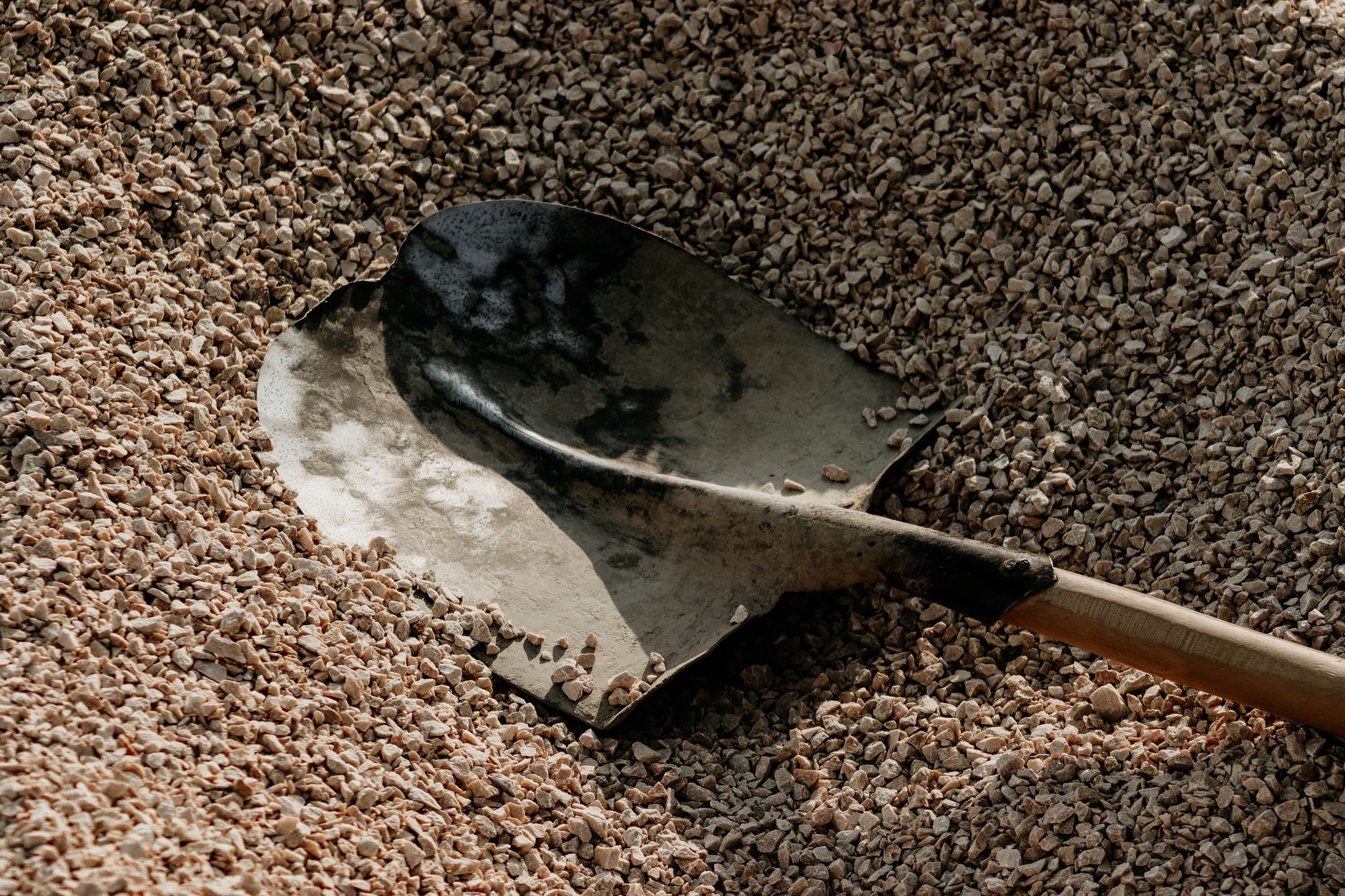
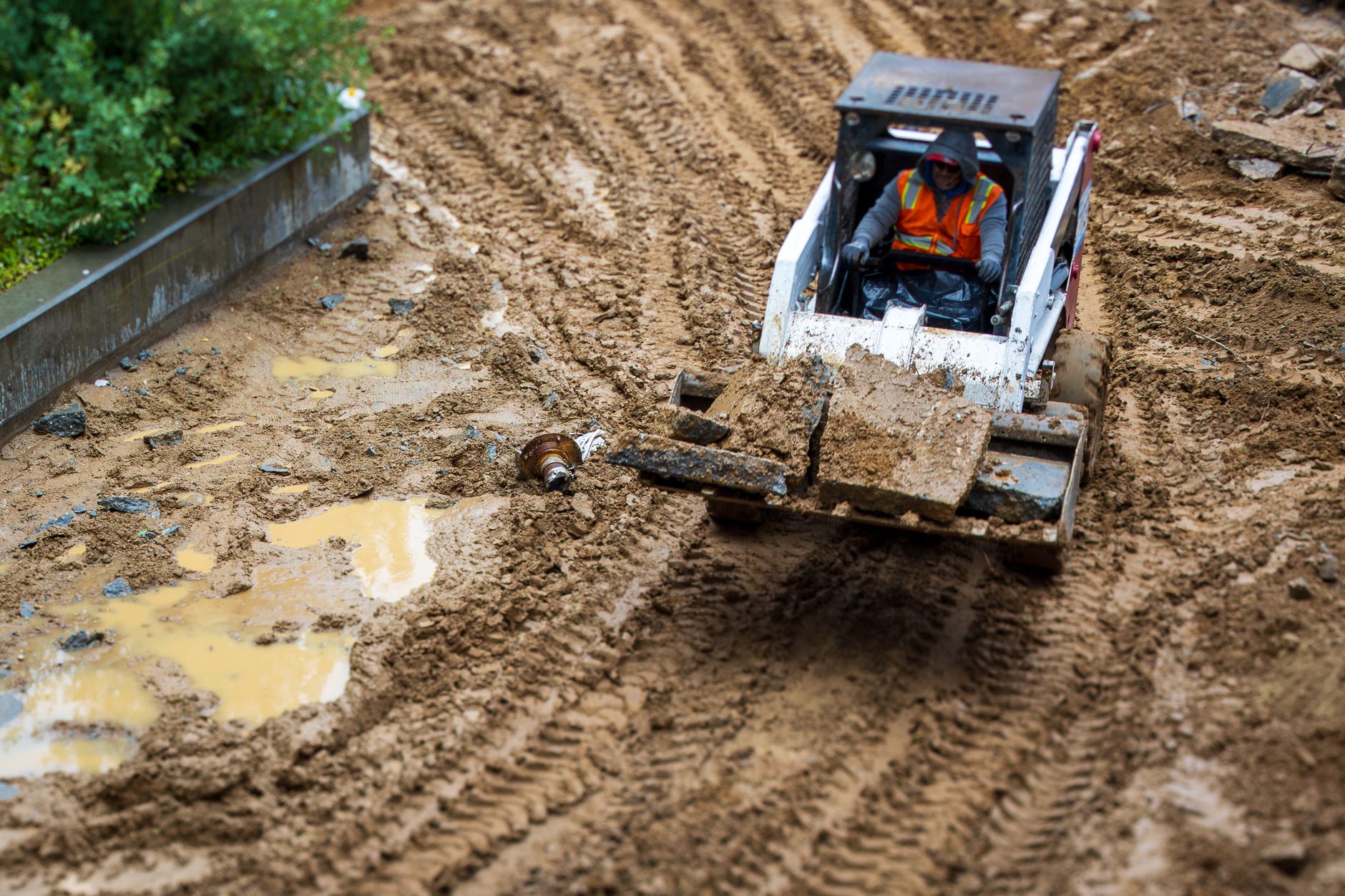
If you run an equipment yard, small warehouse, or dealership service lane near Mineral on the northern Front Range, the honest answer is rarely "add another porter." Spring thaw turns gravel approaches into mud that tracks onto sealed concrete, and the same foreman who would assign a midnight scrub is already covering staging, deliveries, and the morning safety walk.
An autonomous floor scrubber is built for that repeatable after-close pass. You map the lanes and shop entries you care about, set a schedule when forklifts are parked, and let the machine recover the surface while the crew goes home. The goal is not to replace mechanics or sales staff. It is to stop fighting tire grit with a push broom when the entry will look tired again before the first customer arrives.
Sites that pilot one lane first, often the path from the gravel lot to the parts counter, can prove pad choice, water recovery, and dry time before they expand across the shop.
Why do yards near Mineral get dirty faster than the schedule suggests?
Weld County is adding rooftops and industrial pads quickly. U.S. Census Bureau QuickFacts list county population at 378,426 in July 2025, up 15.0 percent from the April 2020 base of 328,981. The same profile reports 2,993 building permits in 2025, which usually means more mud, more tire traffic, and more temporary lanes where equipment moves before final paving.
Census QuickFacts also put mean travel time to work in Weld County at 27.9 minutes for workers age 16 and over in the 2020-2024 ACS window. When crews commute toward Greeley or Fort Collins job centers, local cleanup often happens in the gaps between shifts rather than as a dedicated overnight role.
Transportation and warehousing activity adds grit as well. QuickFacts report about 1.3 billion dollars in transportation and warehousing receipts in Weld County in 2022, alongside about 5.4 billion dollars in retail sales. That volume shows up as scuff marks on shop floors and packed gravel at yard entries long before anyone calls it a housekeeping problem.
What does the local labor market mean for overnight floor care?
BLS annual county estimates published on FRED put Weld County unemployment at 4.4 percent in 2024 (series LAUCN081230000000003A). Low county unemployment does not create spare janitorial crews for a 10 p.m. scrub at a yard off a county road.
When hiring is tight, automation earns its place on repetitive hard-floor routes. You are buying back hours on tasks that do not require customer-facing skills, not cutting tradespeople.
Monthly commercial robot rental or a short lease term can match scrub nights to active building weeks instead of capitalizing a machine that might sit idle after summer.
Where does an autonomous scrubber fit on a yard or shop layout?
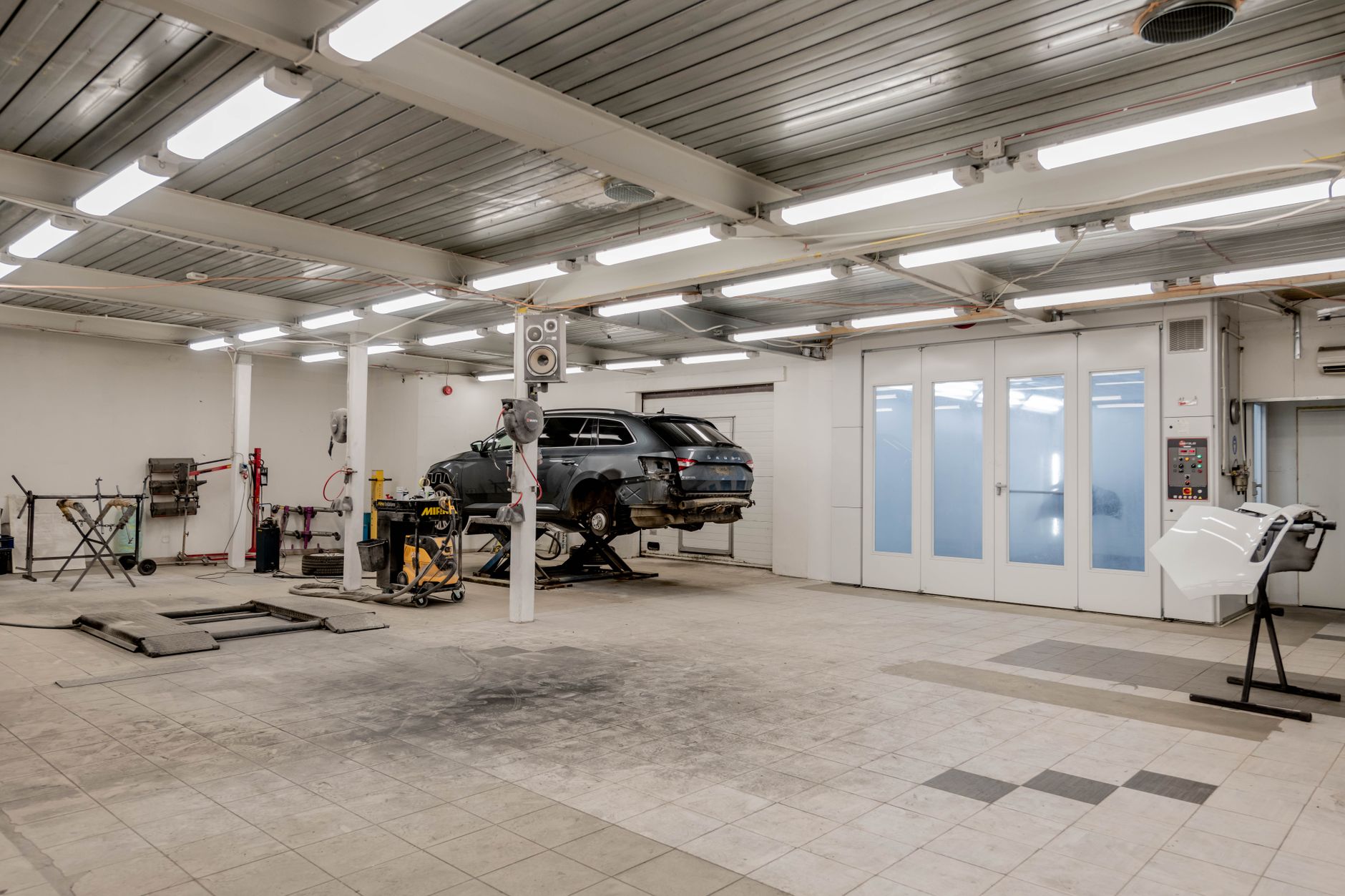
Think in lanes, not whole-property coverage on day one. Start with sealed shop floors, trailer vestibules, and the transition from gravel to concrete where mud collects first.
Patrol robots may matter for open equipment rows and tool storage after gates lock, but floor recovery is usually the first pain visitors notice.
- Gravel-to-concrete transitions at yard gates and trailer doors
- Shop aisles where forklifts and pallet jacks turn daily
- Parts counter approaches visible to walk-in customers
- Break areas where boot mud concentrates before lunch
How should you schedule scrubbing around active construction weeks?
Run the scrubber after the last equipment move, not before pallets or tools are staged for the morning pull. Post the schedule where foremen and sales leads can see it.
Empty recovery tanks before nights when temperatures drop below freezing along the Front Range.
If you only need heavy scrubbing during mud season, align the contract to those months instead of buying year-round capacity.
What does a one-lane pilot look like in practice?
Week one is measurement and photos. Note threshold heights, drain locations, and where carts park overnight.
Week two is supervised runs after close. Watch for haze on dark sealed concrete and adjust pad aggressiveness.
Week three is handoff to one on-site lead. Service Robot Co. handles OEM-neutral selection, finance, deployment, training, and nationwide service so you are not juggling a manufacturer help desk and a separate lessor.

How do scrubbers sit alongside porters and contracted cleaners?
Divide labor clearly. Humans own glass, offices, and detail work. The scrubber owns wide hard-floor square footage on a fixed schedule.
If you contract cleaning from a larger city, the scrubber still guarantees the shop baseline on nights the crew cannot drive in.
Document who responds if a fault code appears before an early shift. Nationwide service only helps when escalation steps are written down before go-live.
What should you verify before you sign a rental or lease?
Confirm chemistry compatibility with your floor sealer and any degreasers already in use near service bays.
Request training records and a map file you can keep if you change vendors.
Ask for service response steps in writing, including remote triage before a technician dispatch.