Key takeaways
- A usable robot SOP is short, specific, and built around decisions crews make at 2 a.m., not vendor manuals.
- Charging, staging, and exception handling should be assigned to named roles, fixed times, and exact locations.
- Morning handoff matters as much as overnight run time because unresolved small issues become daytime downtime.
- At mature sites, the biggest robot failures are usually process gaps like missed charging, blocked routes, and vague escalation paths, not broken hardware.
What should a night crew robot SOP actually do?
A good robot SOP gives the night crew a repeatable script for four moments: start of shift, charging, exception handling, and morning handoff. It should tell one person exactly where the robot begins, what condition it must be in before release, what to do when it stops or throws an alert, and what evidence the next shift needs to see. If a new supervisor can run the building with that document on their first week, the SOP is doing its job.
It should also be short. Most effective robot SOPs fit on one to three pages, plus a one-page exception chart posted near the charger. Night crews do not need a glossy operations binder. They need a live document with battery thresholds, route names, contact paths, staging rules, and a handoff checklist that holds up when staffing is thin and the floor is still wet.
This matters because the labor environment is not forgiving. The U.S. Bureau of Labor Statistics says there were about 351,300 openings for janitors and building cleaners each year on average in the 2024 to 2034 projection window, and the median pay was $17.27 per hour in May 2024. In that context, a night shift autonomous scrubber or commercial cleaning robot rental only helps if the surrounding process is simple enough for a busy crew to follow every night.
Why do mature robot sites drift into avoidable failures?
Early in a deployment, everyone watches the machine. After a few months, people watch the clock. That is when the weak points show up. The charger gets blocked by pallets. The robot is parked wherever the shift ended. A low battery gets ignored because the floor has to be finished before morning. A minor brush issue rides into the next shift because nobody owns the handoff note. None of that is a hardware defect. It is process drift.
The cost of drift is not abstract. According to CDC data updated January 23, 2024, falls remain a common workplace injury, and building cleaning and maintenance is among the industries at high risk of fall injuries. A floor care program that leaves wet patches, surprise stoppages, or half-finished aisles creates downstream risk for both staff and first arrivals. Your SOP should treat robot uptime and floor condition as one operating outcome, not two separate topics.
What belongs in the charging section?
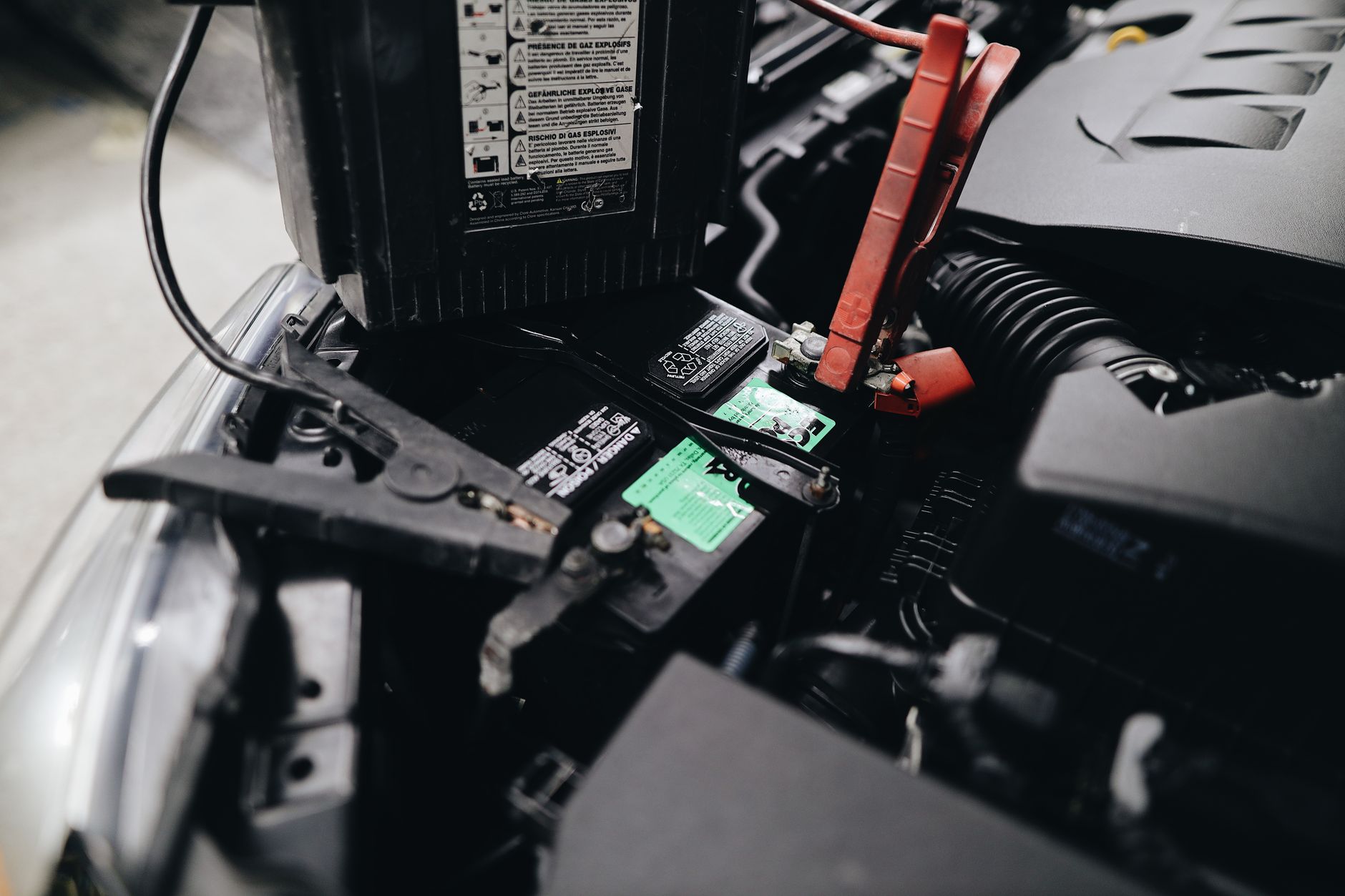
The charging section should answer five things without interpretation: who docks the robot, when it must be on charge, where the charger sits, what battery level triggers a return, and what must be checked before the unit is left unattended. If your document says charge as needed, it is not an SOP. If it says dock by 4:30 a.m., confirm charging indicator, inspect pads and recovery tank, and photograph final battery state in the shift log, it is one.
This is also where safety language needs to be plain. OSHA requires battery charging installations for industrial trucks to be located in areas designated for that purpose, with protection for charging apparatus, fire protection, and adequate ventilation. OSHA also published a 2025 Lithium-ion Battery Safety fact sheet and said again on February 9, 2026 that workplace battery risks include fires, explosions, and harmful chemical exposure. Even if your robot uses a sealed pack and routine charging is simple, your SOP should still define a designated charging zone, keep combustibles clear, prohibit ad hoc extension-cord workarounds, and tell crews what makes a battery issue an immediate stop event.
The best charging instructions also remove guesswork about end-of-shift behavior. Set one battery floor for normal return, one lower threshold for forced return, and one rule for units that fail to charge within a fixed window. That structure is better than asking an exhausted lead to improvise at 5:10 a.m.
- Assign one owner per shift for charging verification.
- Name the exact charging location and keep-back clearance.
- Set a normal return threshold and a no-exceptions critical threshold.
- Require a visual check for leaks, damage, debris buildup, and charging confirmation lights.
- Define who gets called if the robot is not actively charging after the set window.
How should staging be written so the robot starts cleanly?
Staging is where many overnight cleaning no operator programs quietly win or lose. The SOP should define the start zone, the release time, and the floor conditions required before launch. That means trash pulled, hoses off the lane, dock plates settled, movable displays parked outside the route, and any temporary barriers removed or documented. A robot that starts into a cluttered path is not failing. It is being set up to fail.
Be specific about geography. Use route names, map screenshots, and landmark language that matches how the building actually speaks. West receiving corridor, not Area B. Front grocery action alley after pallet breakdown, not main aisle. Mature sites often improve performance just by replacing abstract map labels with operational language crews already use.
For large facility coverage, staging rules should also decide what happens when the floor is not ready on time. A good SOP allows one of three moves: delay launch by a fixed number of minutes, launch an alternate route, or hold the unit and log the reason. That prevents the common bad habit of sending the robot into a half-cleared area and hoping it works out.
What is the right way to handle exceptions at 2 a.m.?
Exception handling is the heart of the document. Crews need a simple tree, not a paragraph. Every alert should land in one of three buckets: resume locally, remove from service, or escalate. Resume locally might mean empty the recovery tank, clear a wrapped string, or restart from checkpoint. Remove from service might mean battery heat warning, repeated navigation loss in a known-clear lane, or fluid leak. Escalate means the issue affects safety, repeatability, or morning readiness.
A usable SOP names the maximum number of restart attempts before escalation. One try for a nuisance stop, two for a recoverable blockage, zero for smoke, heat, fluid leak, or impact damage is the kind of logic crews can actually use under pressure. Without that boundary, sites waste time on repeated resets and lose the window needed to finish manually.
Numbers help here too. BLS reported an annualized 2024 rate of 22.6 falls, slips, and trips cases with days away from work per 10,000 full-time private-industry workers. That is a reminder that an exception is not just a maintenance event. If the robot leaves standing water, blocks an egress path, or stops where lift traffic is about to begin, the right action is to secure the area first and troubleshoot second.
- Green events: restart, resume, and log it.
- Yellow events: one defined corrective action, then remove from service if repeated.
- Red events: stop work, secure area, notify supervisor, and escalate to service immediately.
- Every exception entry should capture time, route, code or symptom, action taken, and final status.
What should the morning handoff include?

Morning handoff is where overnight discipline becomes daytime confidence. The robot should never simply be parked and forgotten. The incoming team needs to know whether the assigned routes were completed, partially completed, or bypassed, how much battery remains, what consumables need attention, and whether any safety or cleanliness issues remain open. A five-line handoff done every day beats a detailed note written once a week.
Keep the handoff format fixed. Time docked, final battery, routes completed, exceptions, service status, next action. That gives managers trendable data and makes recurring issues visible. If west corridor aborts three times in one week, that usually signals a route condition, shift habit, or mapping drift that should be corrected before anyone starts blaming the machine.
This is also the point where many operators decide if they need more than a unit supplier. Service Robot Co. is built for that broader operating reality. As an OEM-neutral, full-service commercial robot integrator for U.S. businesses, the company can match the right robot to the site, then handle robot deployment and integration, training, financing, maintenance included service plans, remote triage, and on-site dispatch through a nationwide U.S. engineer network. One partner, one number, and one accountable handoff when operations need to be tightened.
Who owns the SOP, and how often should it change?
Ownership should sit with operations, not just engineering and not just janitorial leadership. The document needs one accountable site owner, one backup, and one monthly review point. If nobody owns revisions, the SOP becomes a memorial to the launch week. Buildings change. Traffic changes. Floor care chemistry changes. So do routes, staffing patterns, and shutdown windows.
A practical review cadence is simple: check the SOP after the first two weeks, again at 30 days, and then monthly or after any repeated exception pattern. Update it when a route changes, when the charger moves, when a repeated stop appears, or when the morning crew starts compensating manually. Revision control does not have to be fancy. Version date, owner, and summary of changes is enough.
This is where a vendor neutral robot integrator earns its keep. If you are running a commercial cleaning robot rental, an autonomous floor scrubber rental, or a broader robot as a service program, the fleet succeeds when the operating method is revisited with the same seriousness as the machine. The site does not need another poster. It needs a current operating document tied to real shift behavior.
What does a usable SOP template look like in practice?
Start with a cover box listing site, shift, robot ID, SOP owner, emergency contact path, and current version date. Then write the body in order of use: pre-start checks, staging, launch, charging, exception handling, and morning handoff. End with a small appendix showing common alerts in plain English and the approved response for each.
Keep the language concrete. Say return to charger by 4:30 a.m., not end shift with adequate charge. Say route skipped if loading dock remains active after 2:15 a.m., not adapt to traffic conditions as needed. The point of standardization is not elegance. It is consistency under fatigue.
If your site is still deciding between lease rental or sale, a robot leasing for business program can make this easier because training, service ownership, and operating revisions are often built into the relationship. For facility leaders who want one vendor for the full lifecycle, Service Robot Co. can support the full arc from free site assessment and deployment planning to service coverage and SOP tuning after go live. That matters because the floor does not care who made the robot. It cares whether last night ran clean.
Frequently asked questions
Sources
- BLS Janitors Outlook Handbook
- CDC Falls in the Workplace
- OSHA Powered Industrial Trucks Battery Charging
- OSHA Battery Charging eTool
- OSHA Lithium-ion Battery Safety Fact Sheet
- OSHA Feb. 9, 2026 Lithium-ion Battery Release
- EPA Battery Energy Storage Safety Overview
- BLS 2026 Falls, Slips, and Trips Data Note