
Key takeaways
- BHR added two robots in October 2026 without buying the capital asset upfront.
- Instrument or usage-based contracts shift risk when volumes are still uncertain.
- US hospitals can apply the same logic to indoor delivery and floor-care pilots.
- Vendor-neutral integrators keep clinical, finance, and facilities aligned on one plan.
- Measure utilization before you convert a pilot into a purchased fleet.
What did BHR Hospitals announce in October 2026?
On October 1, 2026 BHR Hospitals in England reported two additional surgical robots that double soft-tissue surgery capacity across King George and Queen's sites. Leadership described one of the first NHS trusts to adopt the Sentire platform locally, with funding structured so the organization pays for instruments used rather than purchasing the machines outright.
The headline is not only about surgery. It is about how a stretched public system adds robotic capacity when capital budgets are tight and waiting lists draw political attention. US community hospitals and ambulatory networks face the same tension with different payers and bond covenants.
Doubling robot count in one news cycle signals confidence that service, training, and scheduling can keep pace. That is the bar any US program should set before leadership promises shorter queues on a billboard.
Why pay-for-use contracts are spreading in healthcare
Traditional robot purchases front-load millions in depreciation while case volumes still ramp. Finance committees rightly ask what happens if surgeons split time across campuses or if a rival system recruits the trained team.
Usage or consumable-based deals move some risk to the supplier side. The hospital keeps clinical oversight while converting fixed assets into operating spend that can flex with volume. Auditors still care about total cost, yet the shape of cash flow changes.
The model also fits shorter technology cycles. When software and end-effectors refresh every few years, owning a depreciating tower feels heavier than paying for productive hours.
How this translates to US delivery and cleaning robots
Acute care logistics robots rarely appear in the same capital bucket as surgical towers, yet the financing question is identical. Should you buy an indoor delivery unit, lease it, or rent monthly with service bundled while you prove route hours?
Environmental services leaders ask the same about autonomous scrubbers. A single machine that runs overnight corridors can free day staff for touchpoints infection control teams care about. Monthly robot rental with maintenance included mirrors the BHR logic without pretending floor care is surgery.
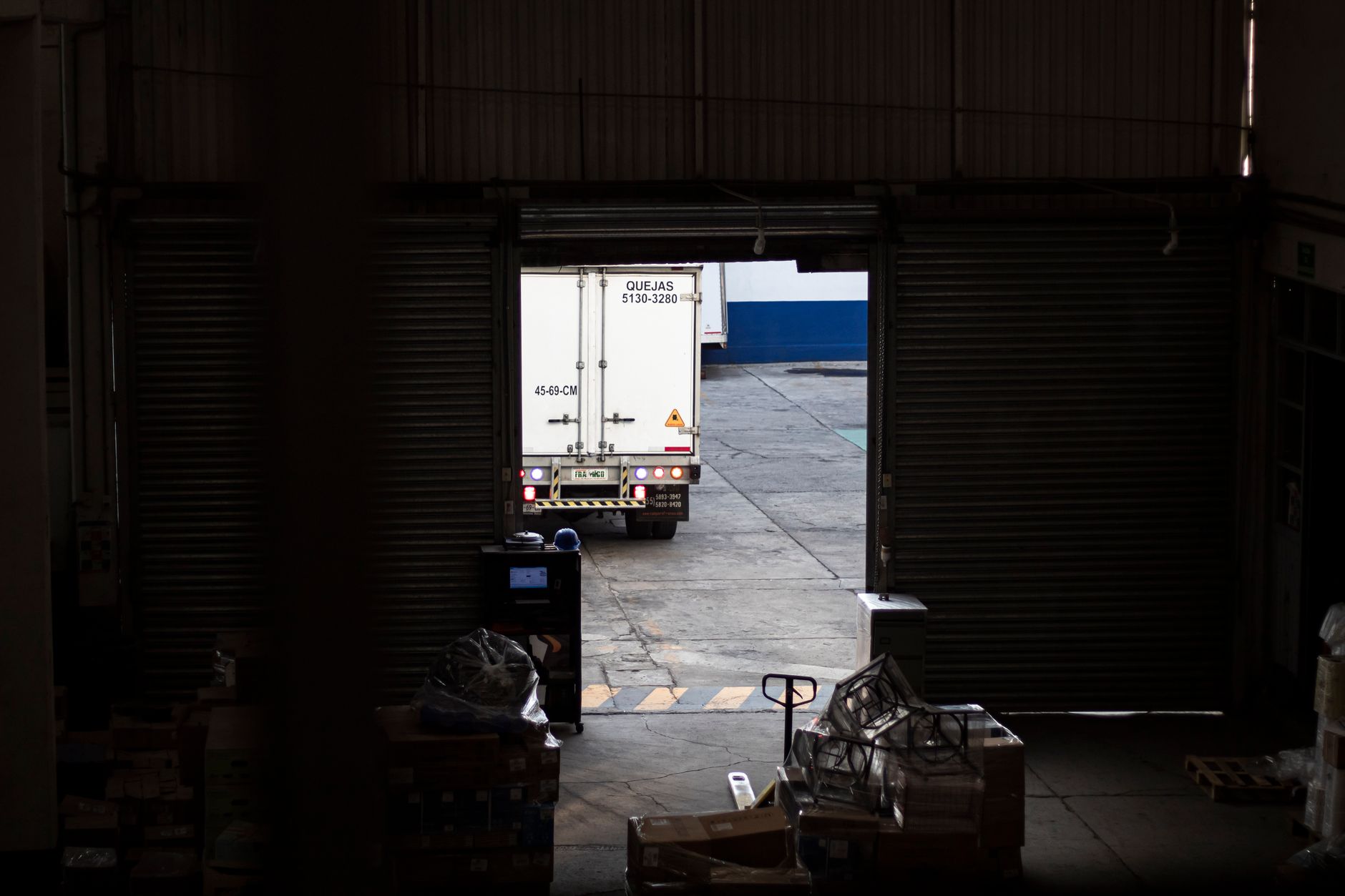
Material handling AMRs in hospital loading docks follow the pattern too. Pallet and tote moves that repeat on schedule are easier to meter than ad hoc courier runs.
What finance and clinical leaders should document

Start with a utilization ledger. Count trips, scrubbed square footage, or cases per month before you sign a multi-year buyout. BHR's story works because leadership tied robots to measurable throughput goals, not ribbon photos.
Define who owns downtime. If the vendor retains title, your contract must spell response times, loaner units, and credits when a unit sits idle during flu surge.
Cyber and privacy reviews belong in the same binder. Any networked robot that crosses clinical zones needs IT signoff even when finance treats it as operations spend.
- Baseline manual hours on the target workflow for four weeks
- List custody or infection-control steps robots must not skip
- Model monthly rental versus purchase at three volume scenarios
- Require service level metrics in the pilot amendment
Where Service Robot Co. fits US rollouts
Service Robot Co. stays vendor neutral across delivery, cleaning, and warehouse automation for hospital campuses. We compare indoor delivery options, scrubbers, and AMRs against your real floor plans before you lock a single OEM service contract.
Financing can follow purchase, lease, or monthly structures with maintenance bundled, similar in spirit to the BHR instrument model but tuned to US tax and accounting norms your CFO already uses.
Deployment covers mapping, training, and go-live support through a nationwide network of regional service engineers. One partner number keeps facilities, IT, and clinical owners on the same timeline when elevators, badges, and cleaning routes all change together.
What the UK example does not decide for your hospital
NHS waiting-list politics do not map directly to US reimbursement. Your business case must use local labor markets, overtime logs, and patient experience metrics you control.
Surgical robotics regulation and credentialing differ from logistics and EVS automation. Do not import clinical pathway assumptions onto a scrubber pilot without EVS and infection prevention at the table.
Finally, any financing trick fails if staff refuse to use the tool. Training time and workflow redesign are still human work, even when the robot arrives on a rental trailer.
How to run a US pilot that can convert cleanly
Pick one route or one floor zone. Run it for at least four weeks with the same shift pattern so you capture elevator conflicts and holiday surges.
Publish internally how many hours moved off nurses, porters, or EVS techs. Finance will ask for FTE math. Stay conservative.
If utilization holds, negotiate purchase or extended lease from a position of data. If not, end the pilot without sunk depreciation on a closeted machine.
Keep backup coverage in the contract before you announce the pilot to patients or local media. Downtime during survey week erases goodwill faster than any spreadsheet gain.

Frequently asked questions
Sources
Service Robot Co. is not affiliated with, sponsored by, or endorsed by the companies mentioned in this article.