Key takeaways
- One 2026 construction program grew to dozens of autonomous patrol trailers on a single data center job site.
- Twelve additional solar units were ordered in May 2026 to cover about twenty acres of outdoor material storage.
- The client reportedly relied on autonomous detect-and-deter workflows instead of a conventional guarding vendor.
- Gravel yards and staging lanes need mapped patrol paths before you compare rent to guard shifts.
- Human monitors still handle escalation when voice deterrence and alerts fire after hours.
Why are data center construction yards adopting mobile patrol robots?
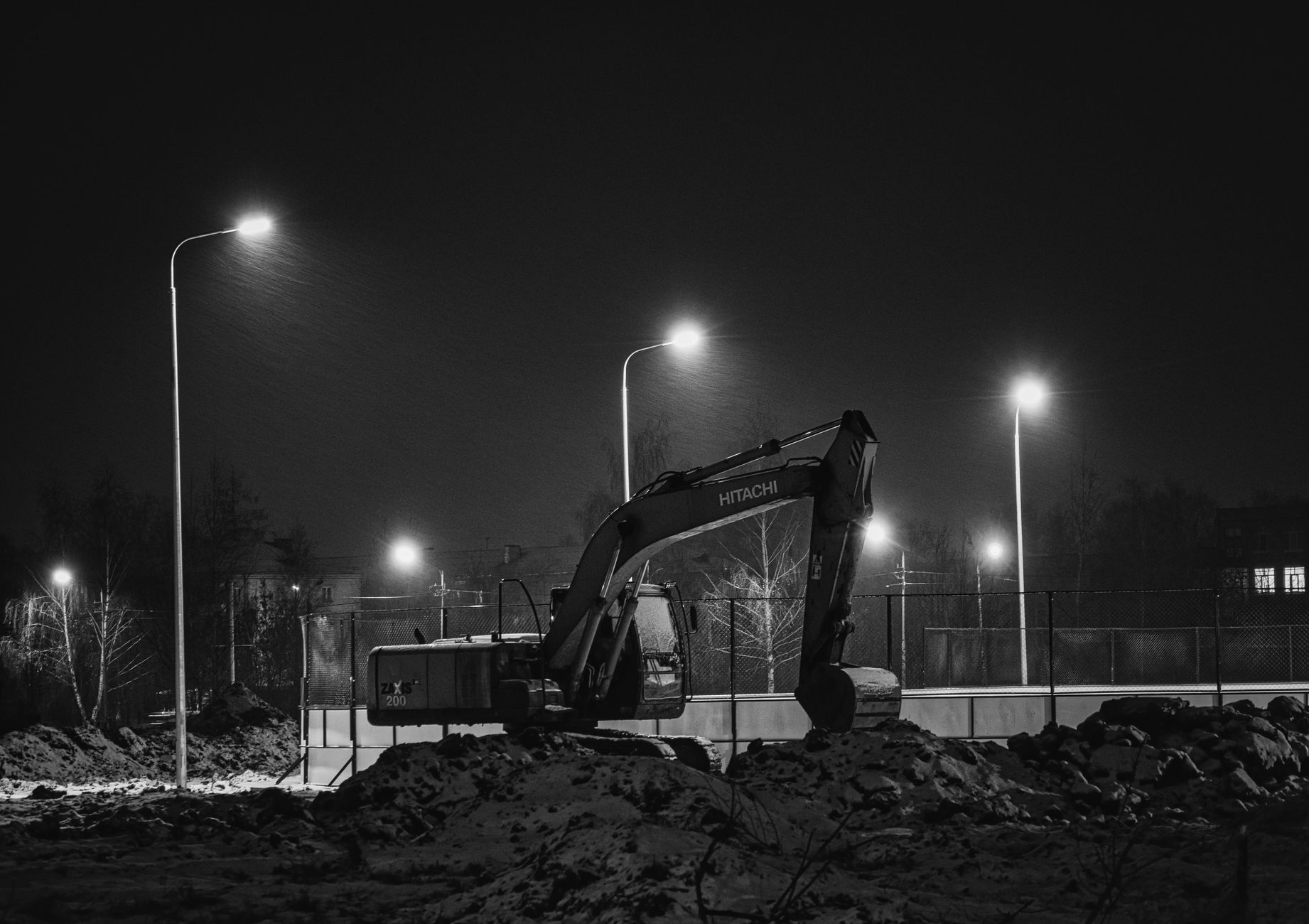
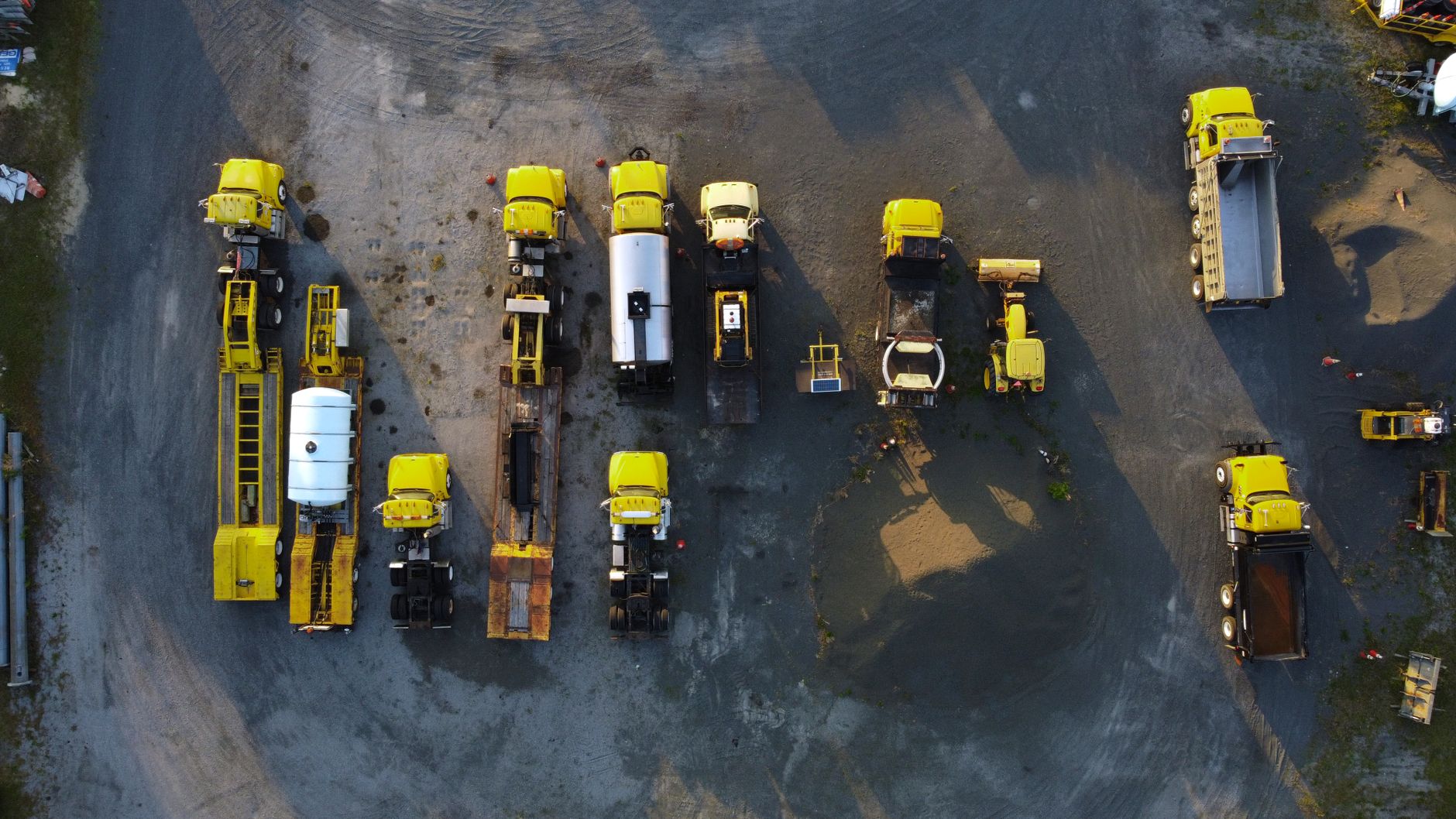
Large data center builds pull copper, steel, generators, and switchgear into outdoor staging areas that sit far from the main crane pad. Thieves target those lanes because fencing is temporary and lighting varies by phase.
A May 2026 U.S. filing described a construction client that ordered twelve additional autonomous solar-powered security trailers to protect roughly twenty acres of material storage tied to a major data center project. The same disclosure noted the site had already grown to dozens of patrol units without using a traditional guarding company on the contract.
That pattern matters for any operator managing valuable inventory on gravel, not just hyperscale campuses. Patrol robots trade walking miles for consistent camera coverage and logged events.
What changed when the client skipped a conventional guard vendor?
The filing stated the customer does not contract with traditional guarding firms for the project site or material yards. Instead, autonomous systems detect activity, investigate with cameras, issue deterrence audio, and escalate to designated contacts.
That is a different operating model than posting two guards in a shack. Software workflows decide when to speak, record, and ping a human. Liability and insurance questions shift toward documented alerts rather than witness testimony alone.
Facilities that still employ guards can blend models: robots hold the long perimeter loops while people respond to escalations inside the fence.
How do solar patrol trailers fit outdoor staging lanes?
Outdoor yards rarely have perfect pavement or permanent power drops every hundred feet. Solar trailers move to new choke points as laydown areas shift week to week.
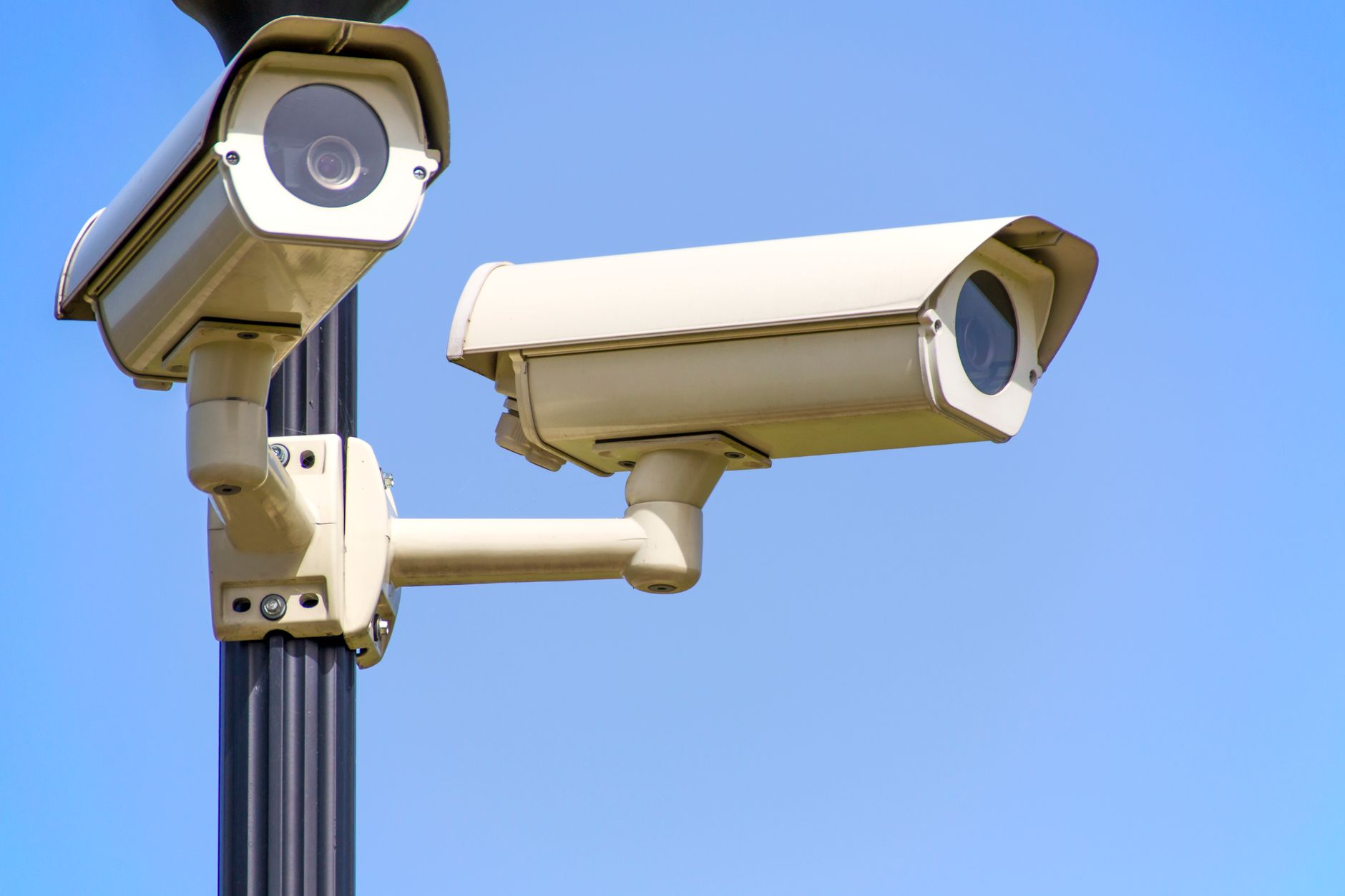
Cameras plus speakers let the unit challenge loiterers before someone walks half a mile from a guard shack. Thermal and visible sensors extend coverage into dusk when material walks fastest.
Commerce City style logistics corridors and data center shells share the same problem: wide perimeters, mud after rain, and forklift traffic that confuses fixed cameras aimed at last month's gate.
Which metrics should you track in the first 60 nights?
Count escalations that led to human dispatch versus false triggers from weather, wildlife, or crew overtime. Your security lead needs that ratio to tune motion zones.
Log patrol completion if the unit runs a defined loop. Missed sectors are the outdoor equivalent of a guard skipping a fence line.
Measure time from alert to acknowledged response. A robot that detects quickly but waits twenty minutes for a callback loses most of its value.
Track equipment theft or vandalism incidents against the same calendar window last year. One season of clean nights funds the next trailer.
- Escalations per week with outcome code
- Average minutes from alert to human ack
- Patrol sectors completed per night
- Solar battery reserve on cloudy weeks
- Incidents compared to prior year same phase
When does monthly patrol robot rental beat hiring another guard shift?
Guards excel at judgment, de-escalation, and opening gates for legitimate night deliveries. They are expensive to scale across twenty acres because overlap is the only way to shorten response time.
A Las Vegas Strip attraction deployment described in March 2026 media coverage priced robotic patrol near thirty dollars per shift in a rental model, comparable to thinking in guard hours rather than capital budgets.
Rental or robot-as-a-service paths let construction managers align spend with project months. When the yard moves two blocks east, you relocate trailers instead of renegotiating a guard post.
What belongs on a vendor-neutral patrol robot checklist?
Specify gravel grade, slope, and gate width before you accept a demo on smooth concrete. Outdoor traction and mast vibration drive image quality.
Ask how deterrence audio works at night near residential lines. Directional speakers reduce nuisance calls from neighbors.
Confirm where video is stored, for how long, and who can export clips for insurance or law enforcement. Chain of custody beats flashy live view alone.
Demand a loaner or swap plan when a unit is down. A perimeter hole during copper delivery week costs more than a spare trailer rental.
- Mapped patrol path with exclusion zones for crane swing
- Escalation contact tree tested weekly
- Integration with existing VMS or monitoring center
- Insurance certificate naming your site as additional insured
- Spare unit SLA in writing
How do major events stress-test the same technology?
High traffic parking for international tournaments creates choke points where fixed cameras leave gaps. A June 2026 deployment announcement described an autonomous security device placed at a VIP parking area supporting FIFA World Cup operations in Kansas City, coordinated through an authorized dealer network.
Event parking is a compressed version of a construction yard: crowds, credential checks, and rapid setup teardown. Lessons transfer to any site that must spin security up in days.
Operators should run tabletop exercises with local police contacts before go-live. Robots document well, but humans still own arrests and traffic closures.
Where does Service Robot Co. fit a mixed indoor and outdoor program?
Many industrial clients want scrubbers inside the warehouse and patrol coverage on the truck court without signing three vendor agreements. Service Robot Co. stays OEM-neutral across cleaning, delivery, and security classes.
One partner can align financing, deployment, training, and nationwide service so your facilities team is not chasing separate RMA processes when a unit faults during commissioning.
Start with one outdoor loop and one interior floor route. Expand when logs prove coverage through your next material delivery surge or seasonal weather swing.
What should a ninety day yard pilot include?
Week one is mapping only: gates, crane paths, neighbor sight lines, and where solar panels shade at winter solstice.
Weeks two through four run live patrols with a human on call for every escalation. Tune zones before you trust silent overnight operation.
By day ninety you should know cost per patrol hour, false alert rate, and whether insurance or the general contractor credits documented rounds.
If the data center client filing is a guide, expansion orders followed trust built on earlier units at the same job. Your pilot should aim for the same proof chain, not a marketing photo.