Key takeaways
- Local news in early October 2026 reported three indoor delivery robots operating at Duke University Hospital in Durham, North Carolina.
- The pilot targets routine supply and medication moves so nurses, pharmacists, and supply staff stay near care areas.
- Coverage describes door and elevator interaction on a large academic medical center campus.
- US buyers should treat the story as a workflow pilot, not proof that every ward is ready on day one.
- Vendor-neutral integrators help map routes, access control, and service coverage before hospitals expand fleets.
What is Duke running in Durham right now?
In early October 2026, WNCN in Durham reported that three delivery robots now move supplies throughout Duke University Hospital. The station quoted nursing leadership saying the campus scale makes routine transport a daily tax on nurses, pharmacists, and supply chain staff who would rather stay at the bedside or in the pharmacy queue.
The robots are framed as a pilot to advance innovation, not as a finished enterprise rollout. That distinction matters for US operators comparing academic medical centers to community hospitals with one tower and a single loading dock.
If you only read the headline, the lesson is simple. A major US hospital is testing whether indoor couriers can buy back minutes on repeatable runs without pulling clinicians off direct patient work.
Which tasks fit a three-robot pilot on a large campus?
Academic centers generate long walks between central stores, pharmacy hubs, and scattered units. News coverage groups the benefit around supplies and medications, the same classes of trips that often still ride elevators with a human escort when tube systems cannot carry the item.
Three units can cover a handful of high-volume loops if each loop is mapped, secured, and measured. Pharmacy to med-surg, central supply to procedural areas, and stock replenishment on a busy nursing unit are typical first routes when leadership wants visible wins without flooding corridors.
Pediatric floors add a human factor the Durham story highlights. Staff and visitors react to robots in hallways, which can help adoption when the culture welcomes visible helpers. It also means routes need clear rules when crowds gather for events or family visits.
Do doors and elevators make or break the pilot?
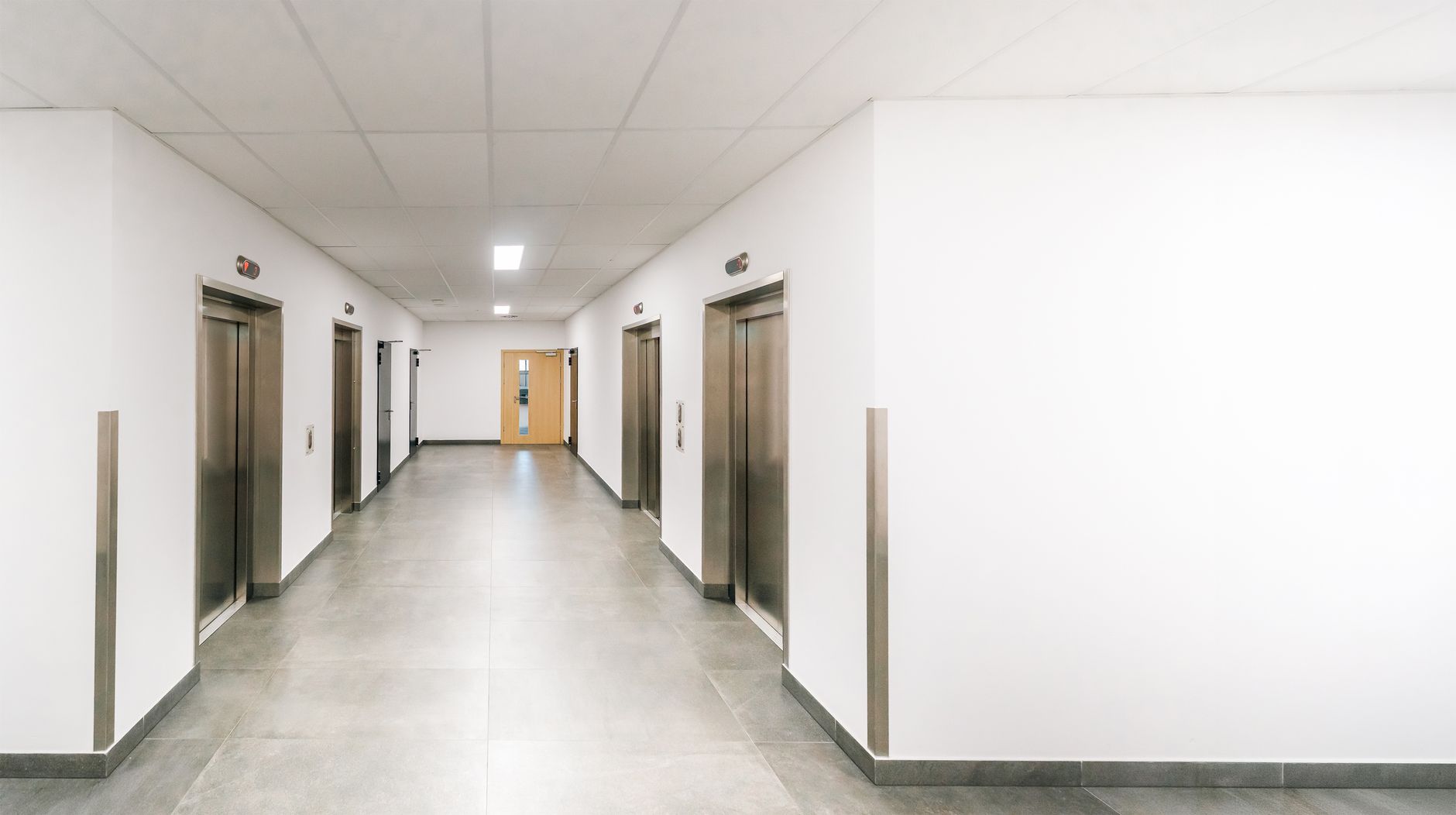
The WNCN report says the units can open doors, ride elevators, and press floor buttons while interacting with people in hallways. Those capabilities sound routine until you sit with facilities and security to list every door type on the pilot path.
Elevator priority rules matter when patients and families share the same banks. A robot that holds a car during a code drill will not survive the next safety committee meeting. Document fire-service mode behavior before you expand beyond one bank.
Badge-controlled doors need a credentialing plan security accepts. Propped-open shortcuts fail night audits and infection-control walks. Map the pilot on paper first, then walk it with nursing, pharmacy, and engineering together.
- Test elevator calls during visiting hours, not only at night.
- Define who may open secured compartments at the destination.
- Log every manual override during the first four weeks.
- Keep a human runner on standby for STAT items the pilot excludes.
How should US hospitals read a single-site pilot?
Duke's story is evidence that another US acute-care leader is willing to put hardware in live hallways. It is not a guarantee that your community hospital can copy the same routes next quarter without integration work.
Pilots succeed when leadership picks one measurable outcome. Minutes saved per medication run, fewer pharmacy walks per shift, or faster supply replenishment on a target unit beats a vague automation goal.
Compare your baseline manual runs before you argue about robots in committee. If the walk is already short, the robot may only add elevator waits unless you redesign staging.
What clinical leaders should ask before scaling
Ask how chain-of-custody is logged when a compartment opens. Ask how maps update when construction closes a connector wing for six weeks. Ask what happens to the fleet during a full fire alarm test.
Ask pharmacy and nursing jointly which items stay off robot routes in phase one. Controlled substances and certain cold-chain items often remain human-carried even when the hardware could physically move them.
Ask infection control how shared couriers are wiped down between units. A pilot that ignores wipe protocols will stall when an outbreak review starts.
Where financing and service fit the next step
Hospital delivery robot rental and month-to-month service robot rental programs let a second site test one tower before capital committees fund a fleet. The question is not only hardware cost. It is who answers the phone when a door interface fails on a Sunday evening.
Service Robot Co. selects indoor delivery hardware in a vendor-neutral way, then finances, integrates elevators and access control with your technology partners, trains staff, and maintains units through a nationwide US engineer network. One partner for deployment, remote triage, and on-site dispatch.
That matters when Durham's pilot inspires your board to ask for robots next quarter but your IT queue is already full with cyber projects.
What Durham does not solve by itself
Robots do not fix understaffed units, broken scheduling, or unclear pharmacy priorities. They move predictable payloads on predictable paths when the building and the policy stack are ready.
Treat the Duke pilot as a signal that indoor hospital delivery is moving from trade-show demos to live nursing units. Your job is to earn the same headline with measured routes, not with a rushed purchase order.
Frequently asked questions
Sources
Service Robot Co. is not affiliated with, sponsored by, or endorsed by the companies mentioned in this article.