Key takeaways
- Hillingdon Hospital completed its 500th robotic procedure on January 27, 2026 after just over two years of program growth.
- Trust leaders told staff they expect the next 500 cases within six months as teams shorten the learning curve.
- Milestone cases spanned colorectal, gynaecology, and general surgery, not a single specialty silo.
- US community hospitals can mirror the playbook for surgical robots and for logistics automation on monthly rental.
- Volume targets only work when theatre scheduling, training rosters, and service contracts scale together.
What happened at Hillingdon Hospital in late January 2026?
Surgical teams at Hillingdon Hospital marked their 500th robotic-assisted procedure on Tuesday, January 27, 2026, according to The Hillingdon Hospitals NHS Foundation Trust. The case was a gallbladder removal.
Patient Sanaa Shawahina from Ealing told the trust she felt well after surgery, with minimal pain, and expected to go home the same day. That same-day discharge story is exactly what US district hospitals market when they justify capital or rental for robotic lines.
The trust posted the news on January 28, 2026 with photos of theatre staff and a commemorative cake. Leadership framed the milestone as proof that a district general hospital can run a high-volume robotic program without being a tertiary referral center.
How fast is the program accelerating?
Clinical leaders told assembled theatre colleagues that reaching 500 cases took a little more than two years since the robotic surgery program began. They also said the next 500 procedures should land within six months because teams now use theatre time more efficiently.
That compression matters for US CFOs. A robot that sits idle while surgeons climb a learning curve burns block time and service fees. Hillingdon's message is that the expensive early phase is largely behind them.
The trust noted earlier milestones as well. In November 2025 it celebrated a 50th gynaecological robotic procedure, showing how volume accrues specialty by specialty rather than in one straight line.
What does published data show from the first hundred cases?
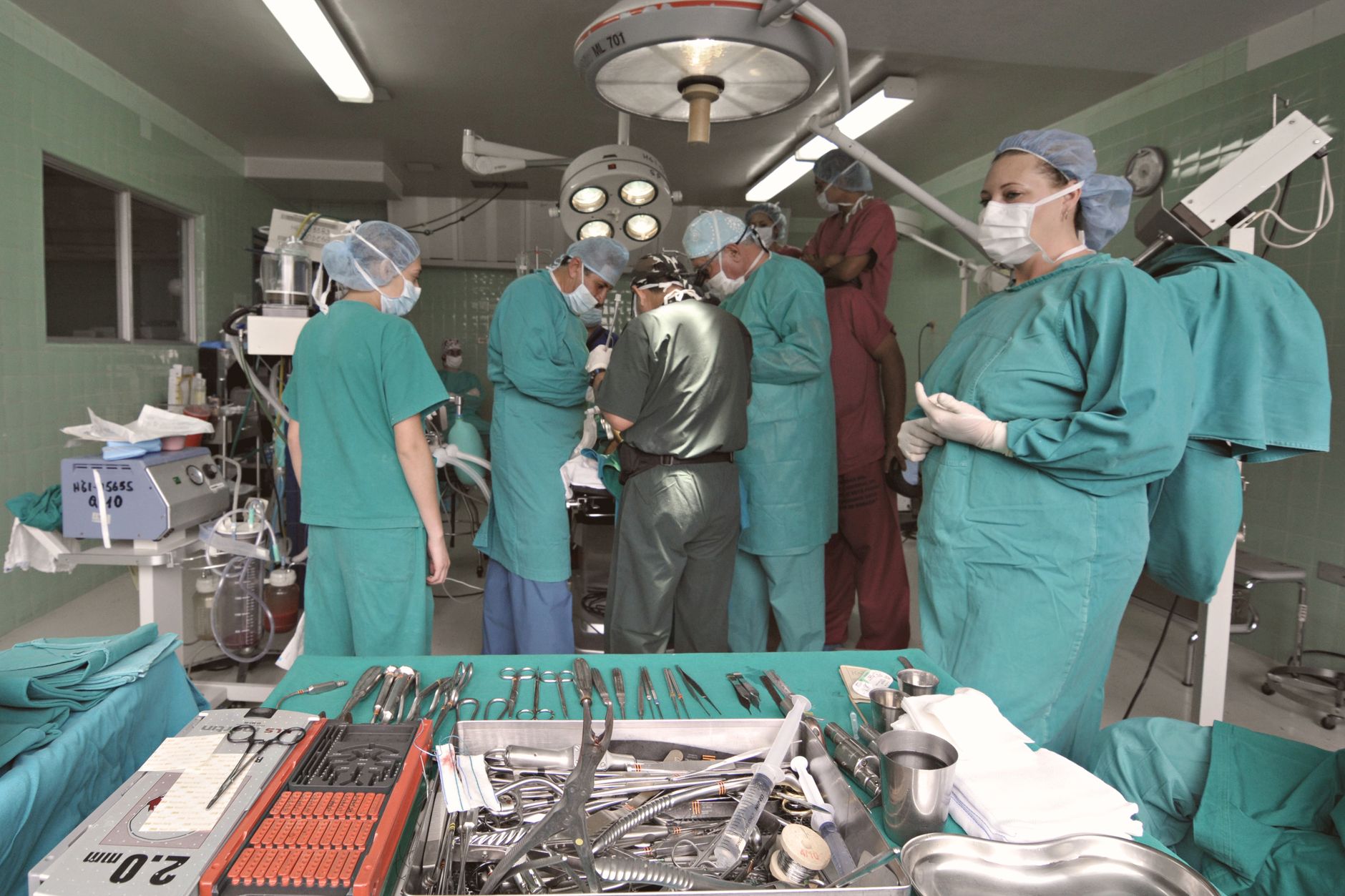
Researchers from the same trust presented outcomes from the first 100 robotic-assisted general surgery cases performed between December 2023 and September 2024 at a British surgical congress. The cohort included 100 patients with a median age of 59 years.
According to that abstract, 48 procedures were classified as minor and 52 as major, with cholecystectomy and sigmoidectomy among the most common. Median operative time was 88.5 minutes for minor cases and 263 minutes for major cases in the reported data.
Complications in that early series stayed limited, with three conversions to open surgery and one 30-day mortality in the major group. US quality committees should read those numbers as a baseline, not a promise, because case mix will differ on every campus.
Why district hospitals should care about volume math
Community hospitals in the United States often debate whether robotics belongs on their campus or at the flagship down the road. Hillingdon's 500-case headline is a data point for the yes column when leadership can keep block time filled.
Volume also drives training pipelines. The trust credited colorectal, gynaecology, and general surgery teams for sharing console time. US programs that hoard robotics inside one service line struggle to recruit locums when a single champion leaves.
Leaders at Hillingdon said the program aimed to perform difficult cases more safely, improve outcomes, train surgeons, and retain talent. Those goals map cleanly onto American workforce shortages in perioperative nursing and sterile processing.
- Set a public case target per year so finance can model instrument spend
- Rotate nursing staff through setup modules before you add a second surgeon
- Track conversion rates and length of stay by specialty, not only total cases
- Publish internal case reviews when a milestone number approaches
What US scheduling and service teams should standardize

Theatre scheduling is where robotic programs live or die after the ribbon cutting. Block templates must reflect longer setup for complex cases and shorter turns for gallbladder-level work, matching the spread Hillingdon reported in its early hundred cases.
Service contracts should include response time by day of week, not only business hours. A district hospital cannot afford Sunday downtime when the only backup OR is forty miles away.
Credentialing files need version control. When the trust expanded from colorectal work into gynaecology, separate preference cards and nursing checklists followed. US sites that reuse one generic robotic setup sheet invite delays at the field.
How logistics robots follow the same expansion curve
Surgical robotics grab headlines, but indoor delivery and autonomous scrubbing follow the same S-curve. A district hospital proves one overnight scrub loop, then adds a second building once logs stay stable through a flu season.
Service Robot Co. helps US health systems run vendor-neutral pilots on monthly robot rental before they multiply units. That mirrors NHS capital discipline while fitting US operating leases and grant cycles.
Facilities leaders can centralize elevator integrations and badge policies once, then localize floor geometry. The engineering hours you save on building three often fund an extra training week on building one.
EVS directors can publish square feet per shift once a scrubber fleet spans a clinic and a tower, similar to how surgical leaders track cases per robot day.

Where Service Robot Co. fits US district rollouts
We select, finance, deploy, integrate, train, and service cleaning, delivery, and material-handling robots as one partner. Community hospitals get one escalation path when a scrubber in an outpatient wing and a delivery unit in the main tower fault the same weekend.
Expansion playbooks include mapping standards, staff certification templates, and service tier comparisons across manufacturers. Vendor neutrality keeps site two from inheriting site one's regret.
Go-live support draws on a nationwide network of regional service engineers so rural campuses are not stranded when parts ship from another time zone.
What the UK milestone does not decide for your board
NHS waiting-list politics and payer mix in the United States differ. Import the program structure, not the financial totals.
Surgical robotics does not automatically justify logistics automation. Run separate business cases with separate metrics.
Finally, acceleration targets fail if maintenance budgets lag. A second robot magnifies downtime pain when service contracts were sized for one.
Document lessons in a system playbook after each go-live. Hillingdon benefited from teams that already knew which vendor callbacks matter on a Sunday night.
Frequently asked questions
Sources
Service Robot Co. is not affiliated with, sponsored by, or endorsed by the companies mentioned in this article.