Key takeaways
- For most micro-hospitals, the first robot should be a cleaning robot, because floor care is daily, measurable, and light on clinical integration.
- Specimen delivery can outrank cleaning when the lab loop is remote, after-hours, and time-sensitive enough to create real nursing delays.
- Supply-run automation usually comes second, after operators prove route discipline, door access, and staff adoption on a simpler task.
- Patient transport support is rarely the right first buy for a small facility because safety, exceptions, and workflow complexity are higher.
- Robot as a service, monthly payment programs, and maintenance included terms matter more on a first deployment than chasing the lowest upfront number.
What should a micro-hospital buy first?
For most micro-hospitals and freestanding emergency facilities, the first robot should be an autonomous floor-cleaning robot, not a delivery robot and not patient transport support. It is the cleanest budgeting case. The work is repetitive, visible, required every day, and easier to launch without touching patient records, specimen chain-of-custody rules, or hands-on clinical workflows.
That recommendation fits the operating reality of these facilities. A recent American Hospital Association profile described micro-hospitals as 24/7 sites with limited inpatient beds, and a 2026 peer-reviewed operations paper described typical micro-hospitals as roughly 8 to 10 inpatient beds with 7 to 8 emergency beds. Small sites like that usually do not have enough route density to justify a broad fleet on day one, so the first robot has to earn trust fast.
Cleaning usually does. It gives operators a contained pilot, clear before-and-after metrics, and a practical path into commercial cleaning robot rental, robot as a service, or robot leasing for business with no upfront capital pressure. In plain terms, if you get the first robot wrong, the automation budget can freeze for years. If you get it right, the second use case becomes much easier to approve.
Why does cleaning usually beat specimen delivery, supply runs, and transport support?
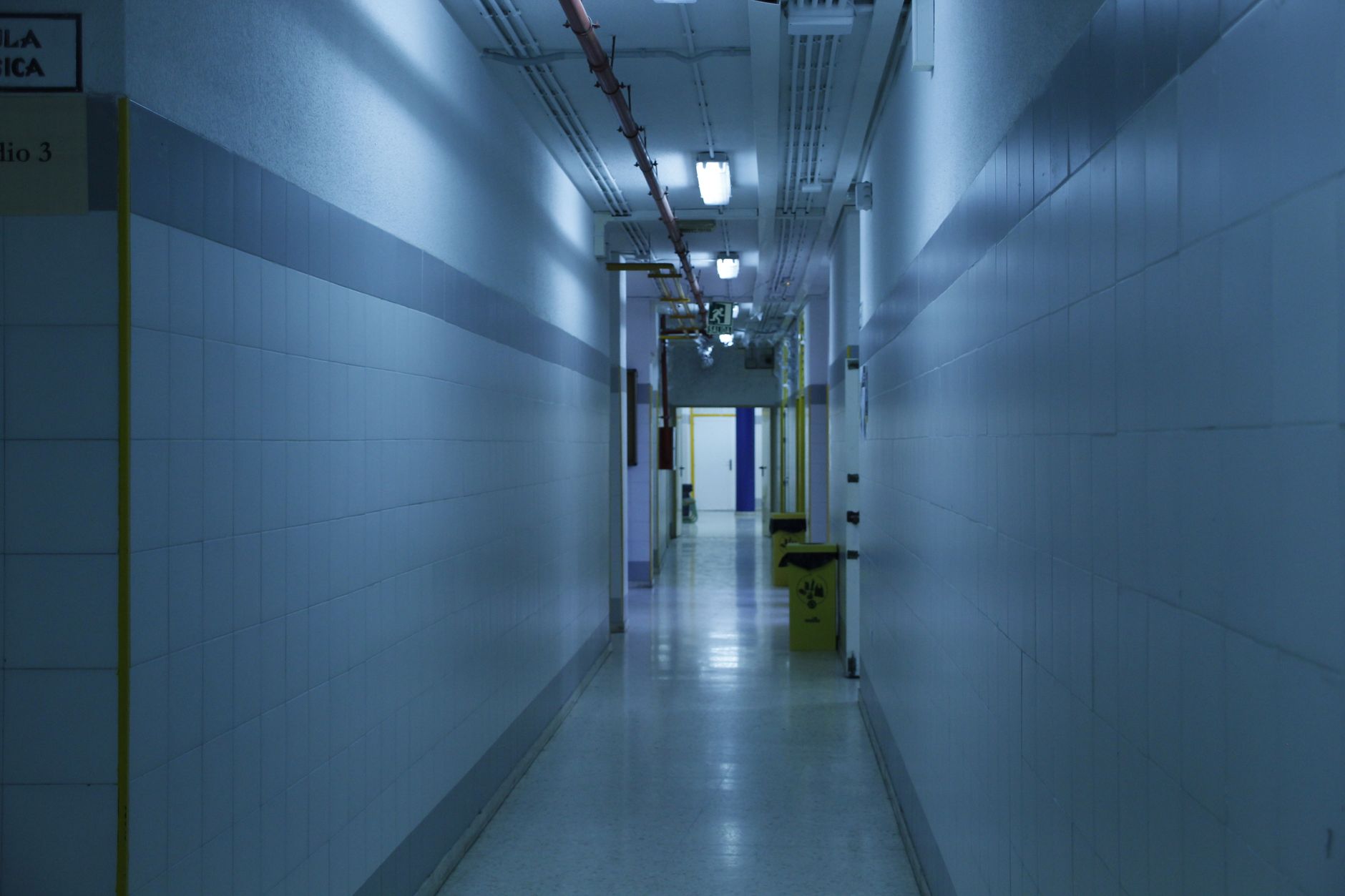
Because the floor gets dirty every shift, no one disputes the task, and the route pattern is stable. CDC guidance says hospitals must maintain a clean environment and reduce germ exposure, and it treats floors and other housekeeping surfaces as part of the environmental cleaning program. That gives cleaning automation an operational floor under it. The task exists every day, regardless of census swings.
By contrast, specimen delivery, supply runs, and patient transport support all depend on variable demand. Some hours are busy, some are dead, and many trips are exceptions rather than true loops. A first robot should live on a route that managers can schedule, measure, and defend in a budget meeting. Night cleaning no operator coverage, overnight floor care, and repeatable large facility coverage are simply easier to model than a nurse calling for a one-off run at 2:17 a.m.
There is also a technical reason. Cleaning pilots usually need mapping, route setup, training, and service support. Delivery pilots often need more. Secure doors, elevator logic, badge access, cart design, handoff points, and sometimes hospital IT workflows all raise deployment effort. That is why cleaning is usually the safer first capital request or floor scrubber monthly lease decision for a smaller acute-care footprint.
- Best first use case: predictable floor care in public corridors, waiting areas, and back-of-house hard floors
- Best second use case: supply runs on a fixed route with repeatable timing
- Best niche first use case: specimen delivery when the lab handoff is a chronic bottleneck
- Usually not first: patient transport support tied to fall risk, lift risk, or multi-step staff interaction
How strong is the case for a cleaning robot in a small acute-care building?
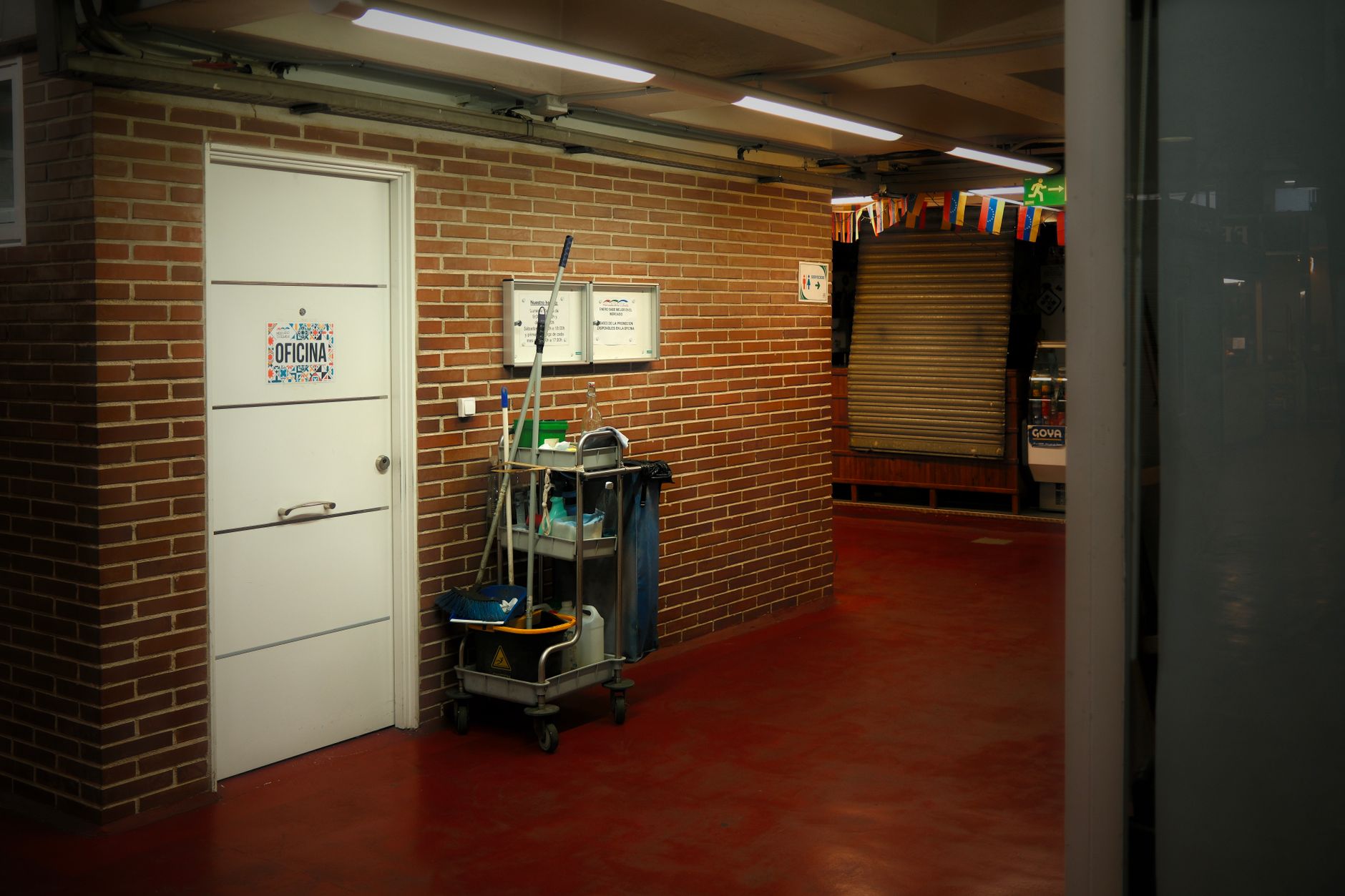
Stronger than many operators expect. The Bureau of Labor Statistics reported a median hourly wage of 17.75 dollars in healthcare and social assistance for janitors and building cleaners in May 2024, and hospitals run those functions across nights, weekends, and holidays. A micro-hospital may not have enough square footage for a fleet, but it often has enough recurring hard-floor work to justify one autonomous scrubber on a daily schedule.
The bigger point is consistency. CDC guidance emphasizes standardized cleaning and disinfection protocols, monitoring, and feedback. A robot floor cleaner rental or lease rental or sale program will not replace terminal cleaning or high-touch disinfection, but it can make routine floor care more consistent while human staff stay focused on isolation rooms, spills, bathrooms, and discharge turnover.
That is where first-robot budgeting usually lands. A cleaning robot does not need to solve every environmental services task. It only needs to take the most repetitive floor miles off the schedule. If that lets a lean team protect compliance, appearance, and overnight cleaning without adding headcount, the first robot has done its job.
- Daily demand is stable even when patient volume fluctuates
- Routes are easy to benchmark by square footage, completion rate, and shift timing
- Clinical risk is lower than specimen or patient-facing movement
- Deployment can start in public and support areas before expanding deeper into patient zones
When should specimen delivery jump to the top of the list?
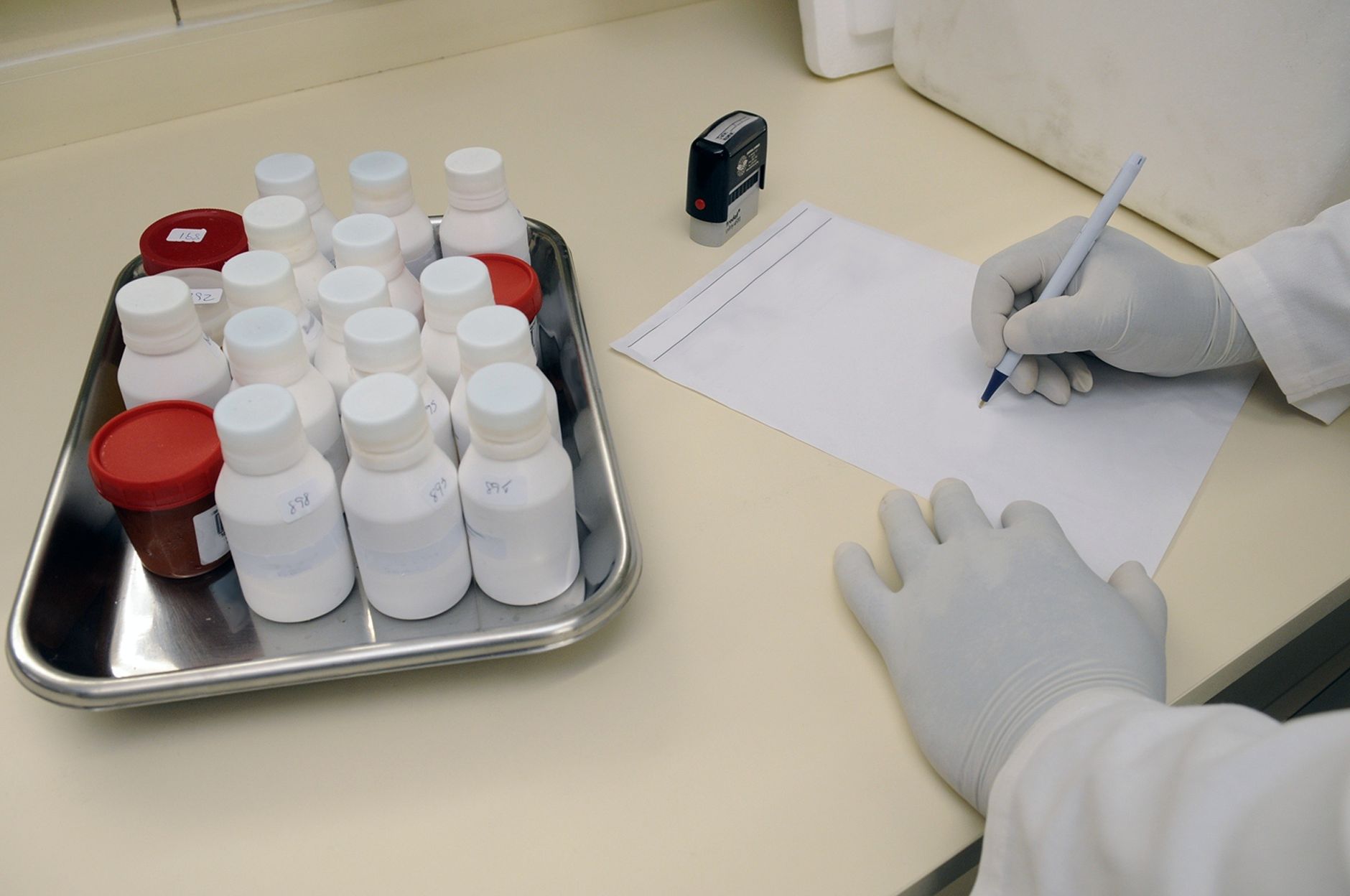
When the lab loop is genuinely hurting care operations. CDC says blood culture sets should be transported immediately to the laboratory for processing, and CDC laboratory guidance also stresses prompt specimen transport and proper handling conditions. If nurses or techs are repeatedly leaving patient areas to walk samples across the building, the cost is not just footsteps. It is interruption.
In a micro-hospital, specimen delivery becomes a credible first robot when three conditions are true. First, the route is frequent enough to be a real drain. Second, the handoff can be standardized cleanly. Third, the delivery path does not require constant improvisation around locked doors, visitor congestion, or ad hoc reprioritization. When those pieces are in place, a hospital delivery robot rental or medication transport robot style workflow can pay back faster than cleaning.
This is the minority case, but it is real. A small facility that runs a high-acuity emergency mix, leans on a central lab, and struggles after hours may get more value from repetitive transport automation than from floor care. The key is discipline. If the route is still mostly exceptions, do not make it your first robot.
- Choose specimen delivery first when after-hours trips are frequent and measurable
- Require documented chain-of-custody, container handling, and standard handoff points before launch
- Avoid this as a first robot if staff still improvise the route or batch rules every shift
What about supply runs and medication or meal moves?
Supply runs are usually the second robot, not the first. They can work well, especially for linen, stocked consumables, pharmacy pickups, and meal tray transport, but they depend on stronger route discipline than operators often assume. One late cart, one blocked alcove, or one badge-restricted shortcut can unravel the labor math quickly on a very small site.
There is also an adoption problem. A cleaning robot asks staff to coexist with a machine. A delivery robot asks them to change handoff habits. That is a larger cultural jump. Even though nearly all non-federal acute care hospitals now have certified electronic health records, according to ONC, interoperability across systems is still uneven. ONC reported that 70 percent of hospitals engaged in all four domains of interoperable exchange in 2023. So the digital backbone is real, but it does not mean every workflow will integrate cleanly on the first try.
That is why many operators do better with phased deployment no shutdown. Clean first. Prove uptime, charging, route governance, and staff response. Then add office delivery robot, document transport robot, hospital delivery robot rental, or meal tray transport loops where the route economics are obvious.
- Good second-phase targets: central supply to ED, lab consumables, pharmacy restock, meal tray transport
- Harder first-phase targets: narcotics workflows, mixed-priority errands, anything needing live reprioritization every hour
Why is patient transport support usually a poor first purchase?
Because the operational and safety stakes are higher. OSHA says one major source of injury to healthcare workers is musculoskeletal disorders tied to patient handling, and nursing assistants have among the highest rates of these injuries. CDC and NIOSH likewise point to patient handling as the single greatest work-related musculoskeletal risk factor for healthcare workers. That makes patient movement an important automation domain. It does not make it a good first robot domain for a micro-hospital.
The issue is that patient transport support is full of edge cases. Ambulation ability changes. Family members intervene. Clinical acuity changes mid-trip. Fall precautions, bariatric needs, behavioral health, and dignity considerations complicate every workflow. A first robot should remove repetitive work without introducing new exception handling that frontline leaders have to babysit.
If a small facility wants to attack transport strain early, it is often better to start with non-patient payloads and build route discipline first. After that, operators can evaluate higher-touch health care robots or transport-assist technologies with a clearer understanding of staffing, liability, and service requirements.
- Important category, but not usually first
- Higher exception rate than cleaning or fixed supply loops
- Requires tighter clinical governance, training, and escalation rules
How should operators budget the first robot so it does not stall later automation?
Budget the first robot as a program, not a unit. The wrong habit is to compare hardware only. The right habit is to compare route fit, deployment effort, maintenance included terms, training, remote triage, on-site dispatch, and uptime support. First deployments fail less often when leaders treat robot maintenance service plan and emergency response nationwide coverage as part of the purchase, not an afterthought.
That is one reason many smaller facilities lean toward robot as a service, commercial robot rental, or monthly payment programs for the first machine. A robot rental monthly structure, floor scrubber monthly lease, or lease purchase program can protect cash while giving the site a live operating proof point. On a first deployment, flexibility matters. If the route assumptions are wrong, a month to month robot lease or a tightly written pilot is easier to defend than a rushed capital buy.
Service Robot Co. fits that budgeting logic because we are an OEM-neutral, full-service commercial robot integrator for U.S. businesses. We help operators compare lease rental or sale paths across manufacturers, pick the robot that fits your floor and workflow, then handle robot deployment and integration, training, and ongoing service through a nationwide U.S. engineer network. One partner, one number, and one lifecycle owner is often what keeps a first robot from becoming an orphaned experiment.
- Ask for a free site assessment before comparing quotes
- Model downtime response and spare-unit coverage, not just acquisition cost
- Treat training and go-live support as budgeted line items
- Use a pilot structure that can expand into a second use case if the first one works
What decision rule works best for a small facility?
Use a simple screen. Buy the first robot for the task that is most repetitive, least clinically variable, easiest to measure, and least dependent on new integrations. In most micro-hospitals, that points to floor care. In a smaller subset with painful after-hours lab traffic, it points to specimen delivery. Supply runs usually follow. Patient transport support usually waits.
That sequence is not flashy, but it is how automation sticks. Start with the task that builds confidence with the least drama. Then use that win to expand into the next loop. For a micro-hospital or freestanding emergency facility, the best first robot is rarely the most impressive machine. It is the one your team will still be glad it bought twelve months later.
Frequently asked questions
Sources
- CDC healthcare environmental services guidance
- CDC environmental cleaning core components
- CDC blood culture collection and immediate transport
- OSHA safe patient handling in healthcare
- CDC NIOSH safe patient handling and mobility
- BLS janitors and building cleaners wages
- ONC hospital EHR adoption quick stat
- AHA micro-hospitals profile