Key takeaways
- Japan's 2026 hospital logistics rollout focused on repeat sample and medication trips between departments.
- US hospitals should map tube gaps, elevator handoffs, and custody logs before scaling indoor delivery.
- Pilot metrics need hours returned to clinical staff, not just robot miles.
- Vendor-neutral integration keeps life-safety, IT, and clinical owners on one timeline.
- Monthly rental or phased pilots limit risk when volumes are still uncertain.
What did Japan's hospital logistics robots change in 2026?
According to Nikkei Asia on September 29, 2026, a major industrial group began mass production of robots built to carry medications and lab samples inside hospitals. Reporting pointed to pilot sites that saved about 2,700 hours of staff time, a figure large enough to matter on nursing and lab floors that already run lean.
The story is not about a single flashy demo hallway. It is about turning repetitive corridor trips into scheduled machine work so people stay at bedsides, benches, and phones. For US readers, that is the same pressure behind domestic pilots for indoor delivery between pharmacy, lab, and nursing units.
Mass production signals that hospital buyers now expect repeatable builds, spare parts, and service contracts rather than one-off science projects. That expectation will travel to US requests for proposals even when the first units ship overseas.
Japanese providers have talked openly about aging populations and caregiver shortages for years. Automating internal logistics is a practical response when hiring alone cannot close the gap. US community hospitals face similar math in rural and suburban markets where transport staff turnover is high.
Why indoor hospital delivery keeps growing
Acute care campuses grew outward for decades. Wards, imaging suites, and support labs no longer sit on one floor. Pneumatic tubes still handle small payloads quickly, yet they stop where construction, load limits, or maintenance budgets end.
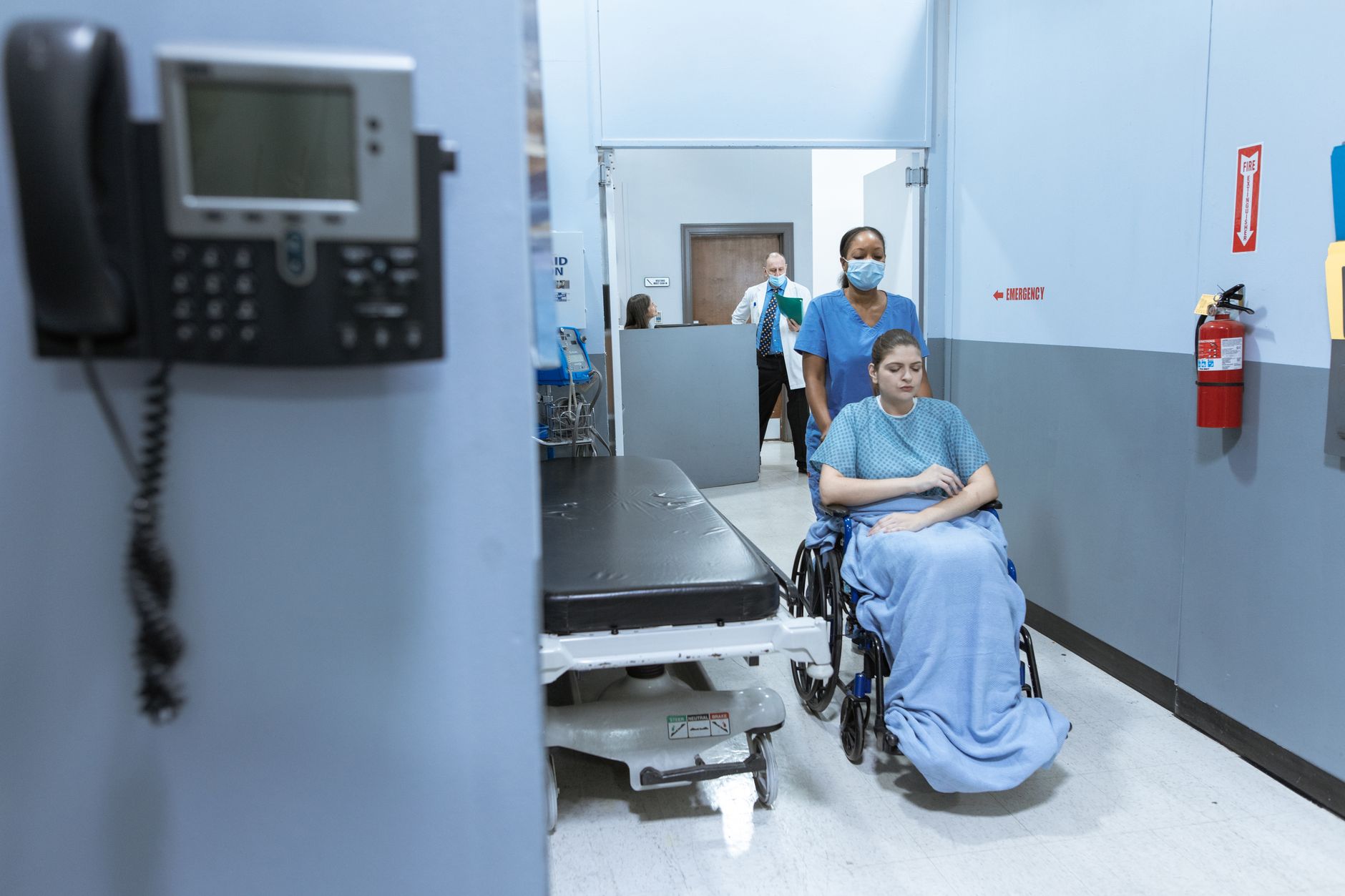
Every tube gap becomes a walking task for a tech, a nurse, or a courier. Those walks fragment attention. A delivery robot does not remove clinical judgment. It absorbs the predictable middle mile when the route is mapped, secured, and logged.
Hospitals also face public reporting on wait times and staffing. Leadership teams want visible hours returned to patient-facing roles. Indoor logistics automation is one of the few capital projects that shows up in shift huddles within weeks when pilots are scoped honestly.
Security and infection control teams increasingly ask for fewer unknown couriers wandering clinical zones. A robot with a sealed compartment and an electronic log can simplify audits compared with ad hoc volunteers carrying coolers.
Which routes should US hospitals automate first?
Start with high-volume, low-variance trips. Specimens from collection points to the core lab fit that profile when elevators are reliable and handoffs are standardized. Pharmacy to med rooms can qualify when narcotic custody rules are written into the workflow before go-live.
Avoid beginning with ad hoc requests that change hourly. Those routes need human flexibility. Map distance, frequency, and delay cost for each candidate lane. If a run happens fewer than a dozen times per shift, keep it human until volumes justify a machine.
Document who opens doors, who loads the carrier, and who acknowledges receipt. A robot on a perfect path still fails if the receiving nurse is in another wing without a clear alert.
Run a shadow week where staff carry a timer on the same route. That baseline becomes your internal business case and keeps expectations grounded when vendors quote optimistic cycle times.
- Core lab specimen loops with fixed pickup shelves
- Pharmacy to satellite med rooms outside tube reach
- Central sterile supply to OR core when timing is predictable
- Telemetry or small equipment moves that currently steal porter time
What custody and compliance questions matter?
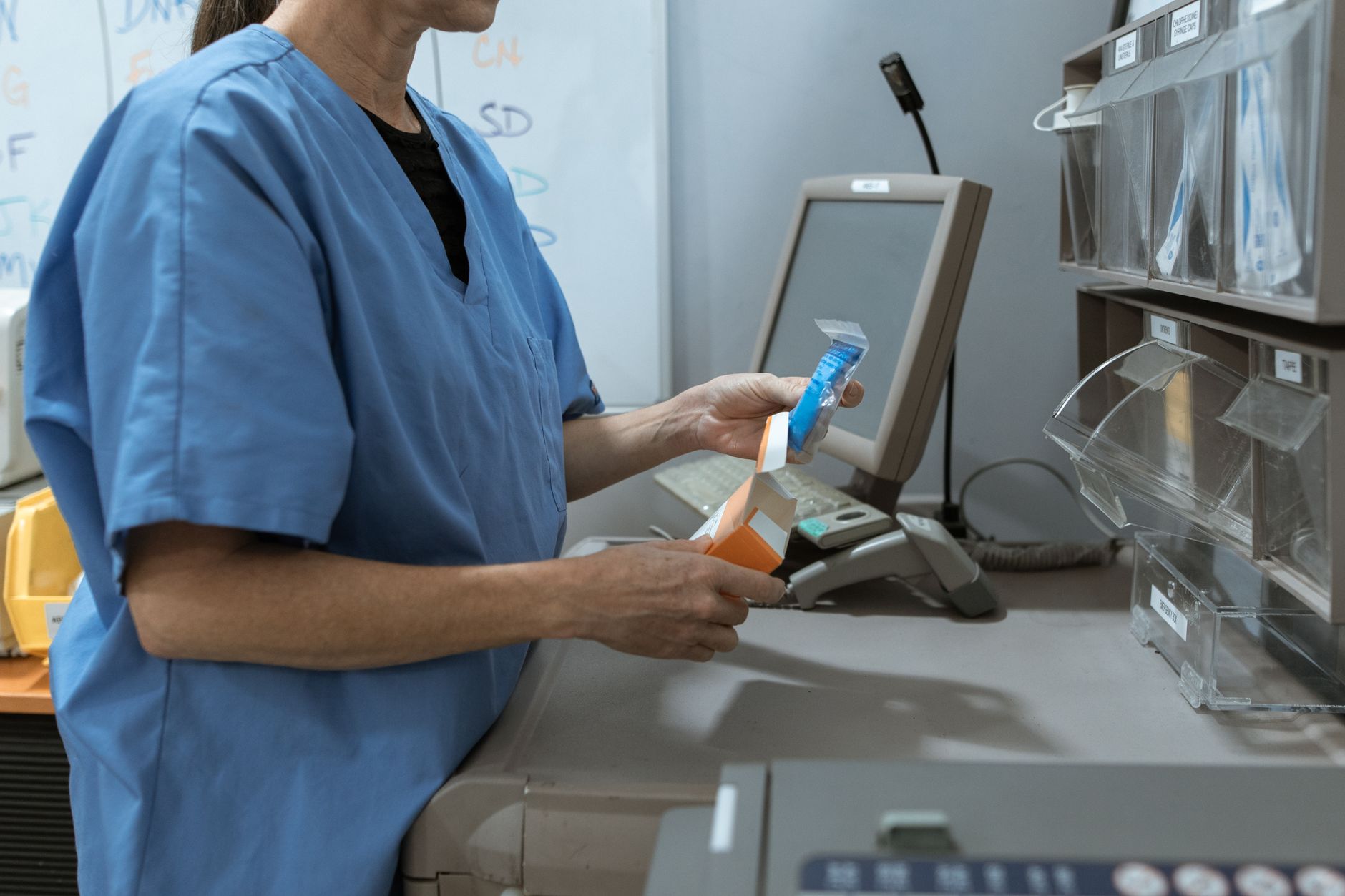
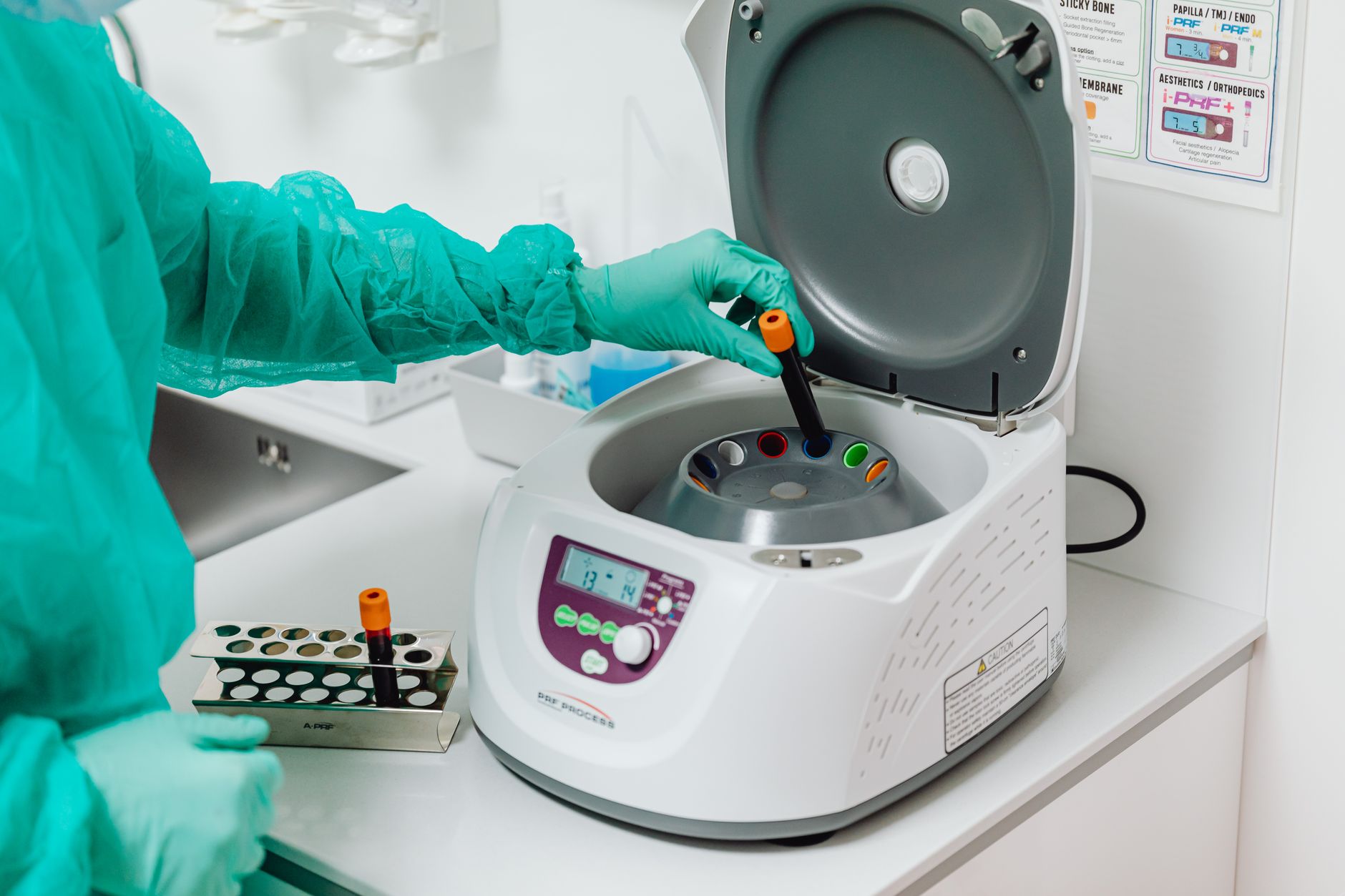
Medication and sample transport touch Joint Commission expectations, state board of pharmacy rules, and internal chain-of-custody policies. Your pilot binder should list barcode scans, seal checks, and exception steps when a compartment arrives open.
Cybersecurity reviews now follow any networked robot. IT will ask how the unit authenticates to elevators, how logs export, and what happens when Wi-Fi drops mid-route. Answer those questions in writing before infection control signs off.
Clinical leaders will ask what happens during a code or a fire drill. Define pause behaviors, manual override, and who may redirect a unit without creating a second shadow workflow.
Blood bank and microbiology may impose temperature or vibration limits. If your payload is sensitive, validate packaging inside the robot compartment, not only on paper.
How should US teams measure success?
Borrow the discipline behind the 2,700 hour figure cited in Nikkei reporting, but earn your own numbers. Track minutes from request to receipt, not robot uptime alone. Compare before and after for the same shift pattern for at least four weeks.
Split metrics by daypart. Morning lab surges differ from overnight pharmacy restocks. A route that works at 10 a.m. may fail at 2 a.m. when elevators are on service mode.
Publish internally how many walks were removed from nursing, lab, and transport rosters. Finance will ask for FTE equivalents. Be conservative. Partial hours across many roles still justify automation when overtime was the alternative.
Capture near-miss events when a human had to intercept a stuck unit. Those stories guide the next mapping sprint better than a green dashboard alone.
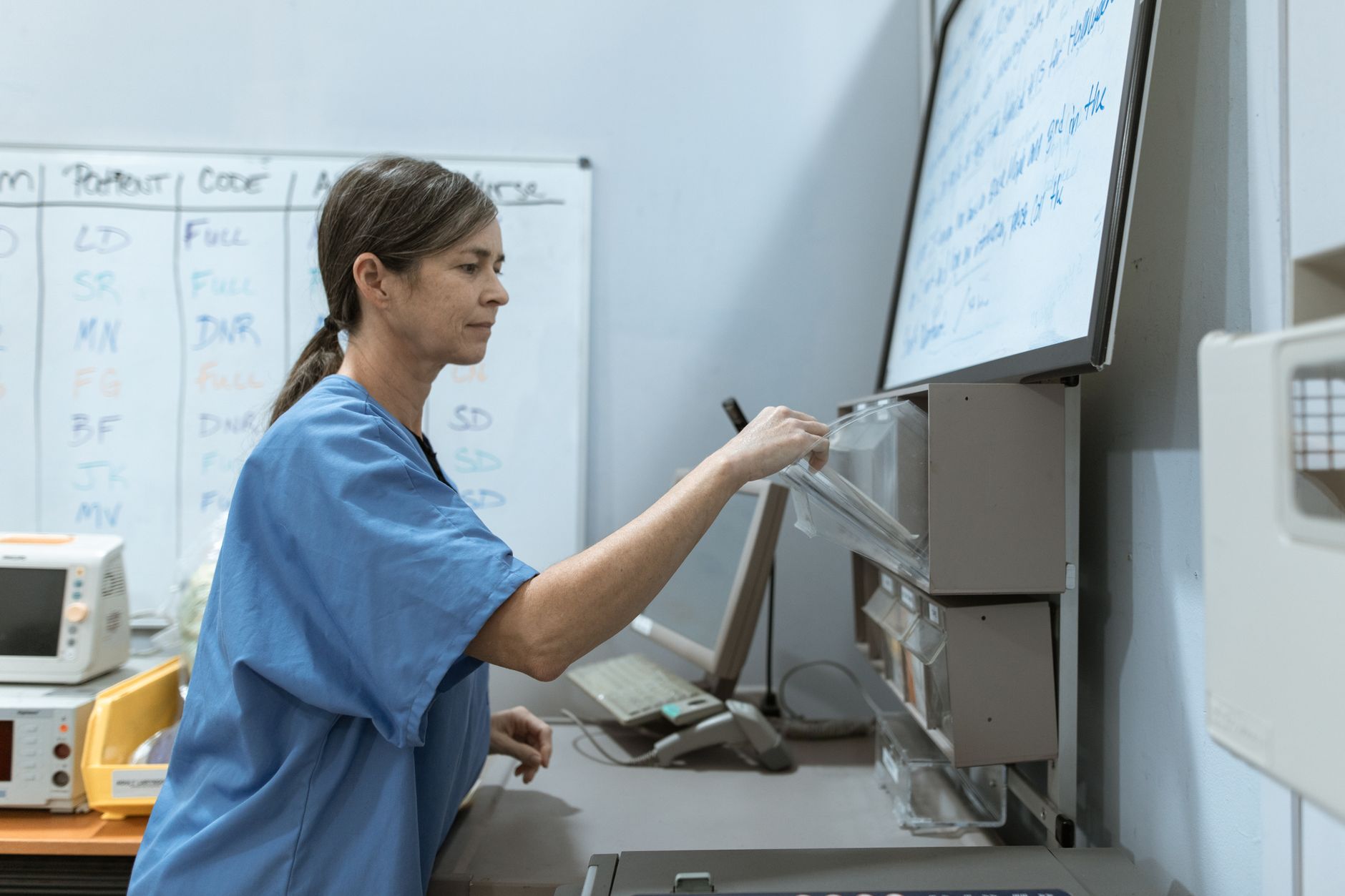
Where Service Robot Co. fits the US rollout
Service Robot Co. stays vendor neutral across delivery, cleaning, and material handling platforms for hospital campuses. We help facilities compare indoor delivery options against your tube map, elevator contracts, and IT standards before you sign a single OEM service agreement.
Financing can follow purchase, lease, or monthly robot rental structures with maintenance bundled. That matters when capital committees want a quarter of proof before multi-year commitments.
Deployment includes site mapping, staff training, and go-live support from a nationwide network of regional service engineers. One partner number reduces finger pointing when doors, badges, and clinical alarms all change in the same month.
We can run a backup robot program on larger campuses so a failed unit does not stall lab cutoffs while parts ship.
What Japan's scale push does not solve for you
Mass production overseas does not guarantee US code compliance, union work rules, or elevator vendor cooperation in your tower. Local integrators still need badge access tests and fire marshal signoffs.
Labor savings figures from another country do not transfer without remeasurement. Staffing ratios, union contracts, and patient mix differ. Treat foreign benchmarks as a reason to pilot, not as your board slide.
Finally, robots do not schedule surgeries, draw blood, or counsel families. They shrink predictable walks. Keep clinical ownership human, and let machines handle the middle mile you mapped on purpose.
Watch maintenance contracts as closely as hardware specs. A logistics robot that idles for a week because a lift gate part is overseas will erase goodwill faster than any spreadsheet savings.
Frequently asked questions
Sources
Service Robot Co. is not affiliated with, sponsored by, or endorsed by the companies mentioned in this article.