Key takeaways
- A good casino site survey starts with operating reality, not a robot spec sheet.
- Guest routes, surveillance rules, and back-of-house chokepoints usually decide fit faster than raw square footage.
- Door widths, thresholds, elevators, and charging locations can kill an otherwise strong robot plan.
- The best pre-sales outcome is not a quote. It is a clear go, no-go, or phased pilot recommendation.
- Casinos benefit from one partner who can select, finance, deploy, integrate, train, and service the right fleet.
What should an integrator learn before recommending robots in a casino?
A good casino robot site survey answers a simple commercial question. Can this property support reliable robot work without disrupting guests, surveillance, count procedures, or 24 hour operations. If the survey cannot answer that, the recommendation is premature.
For casinos, the survey has to do more than measure hallways and note square footage. It needs to map guest sensitivity, operating windows, floor transitions, restricted areas, elevator logic, cleaning chemistry, network coverage, and how security and facilities teams actually run the building at 2 a.m. and at 2 p.m.
That matters because casinos are large, busy, and highly regulated. According to the American Gaming Association, US commercial gaming revenue reached $78.62 billion in 2025, and America had 493 commercial casino locations across 27 states. These are not forgiving environments for shaky deployment assumptions.
In practice, a strong pre sales survey should finish with one of three outcomes. A property is ready now for a commercial cleaning robot rental or casino service robot rental pilot, ready after a short facilities prep list, or not a fit for the proposed workflow. Honest qualification is part of the job.
- Document the exact task first, not the machine first: overnight floor care, beverage delivery, internal delivery, or autonomous patrol.
- Separate guest facing routes from employee only routes and count room adjacencies.
- Verify operating windows by hour, not by department promise.
- Record physical constraints with measurements, photos, and traffic observations taken in live conditions.
- Identify who owns approvals: facilities, surveillance, security, housekeeping, food and beverage, IT, and gaming compliance.
Which operating facts matter most on a casino survey?
Start with the rhythm of the property. A casino may never truly go quiet, but parts of it do breathe differently by hour. The gaming floor, sportsbook, hotel lobby, buffet queue, cage approaches, convention prefunction space, and back corridors all have different traffic signatures. A survey should capture those patterns in timed observations, not hearsay.
For cleaning, learn where debris accumulates, when spills peak, which zones can be cleaned only overnight, and which public areas need daytime polishing with low noise and tight etiquette. For delivery use cases, measure how often staff make repetitive runs, what they carry, how urgent it is, and which vertical moves require elevators or badge access.
Labor realities matter too. The US Bureau of Labor Statistics projects about 351,300 openings for janitors and building cleaners each year on average from 2024 through 2034. That does not prove a robot fits every casino, but it does explain why operators keep looking at overnight cleaning no operator workflows, repetitive transport automation, and service robot rental models with maintenance included.
The survey also needs to pin down service tolerance. If a missed run affects only an employee snack room, that is one thing. If a missed cleaning window leaves a sticky guest corridor before a Saturday peak, or a failed delivery route creates an operations scramble, the deployment plan needs backup procedures and tighter support commitments.
- Peak and low traffic periods by zone.
- Open hours and true cleaning windows for each route.
- Spill frequency, smoking zones, food zones, and tracked-in moisture patterns.
- Manual run counts per shift for linens, amenities, supplies, food, cash adjacencies, and paperwork.
- Required response time when a robot stops mid route or fails to dock.
What physical measurements decide fit faster than anything else?

The physical survey should be ruthless about basics. Measure clear door openings, thresholds, ramp grades, turning pockets, service elevator interiors, queue rail widths, restroom vestibules, and the narrowest back-of-house pinch points. Many casino projects fail in pre sales because everyone discussed routes in the abstract and nobody measured the ugly corner behind the cage corridor or the swing clearance at a fire door.
The ADA standards are a useful reference point for route realism even when a robot is not itself an accessibility device. The US Access Board states that door openings on accessible routes must provide 32 inches minimum clear width, thresholds are 1/2 inch high maximum, and changes in level above 1/2 inch must be ramped. Those numbers do not replace a robot spec, but they are excellent flags during site assessment mapping.
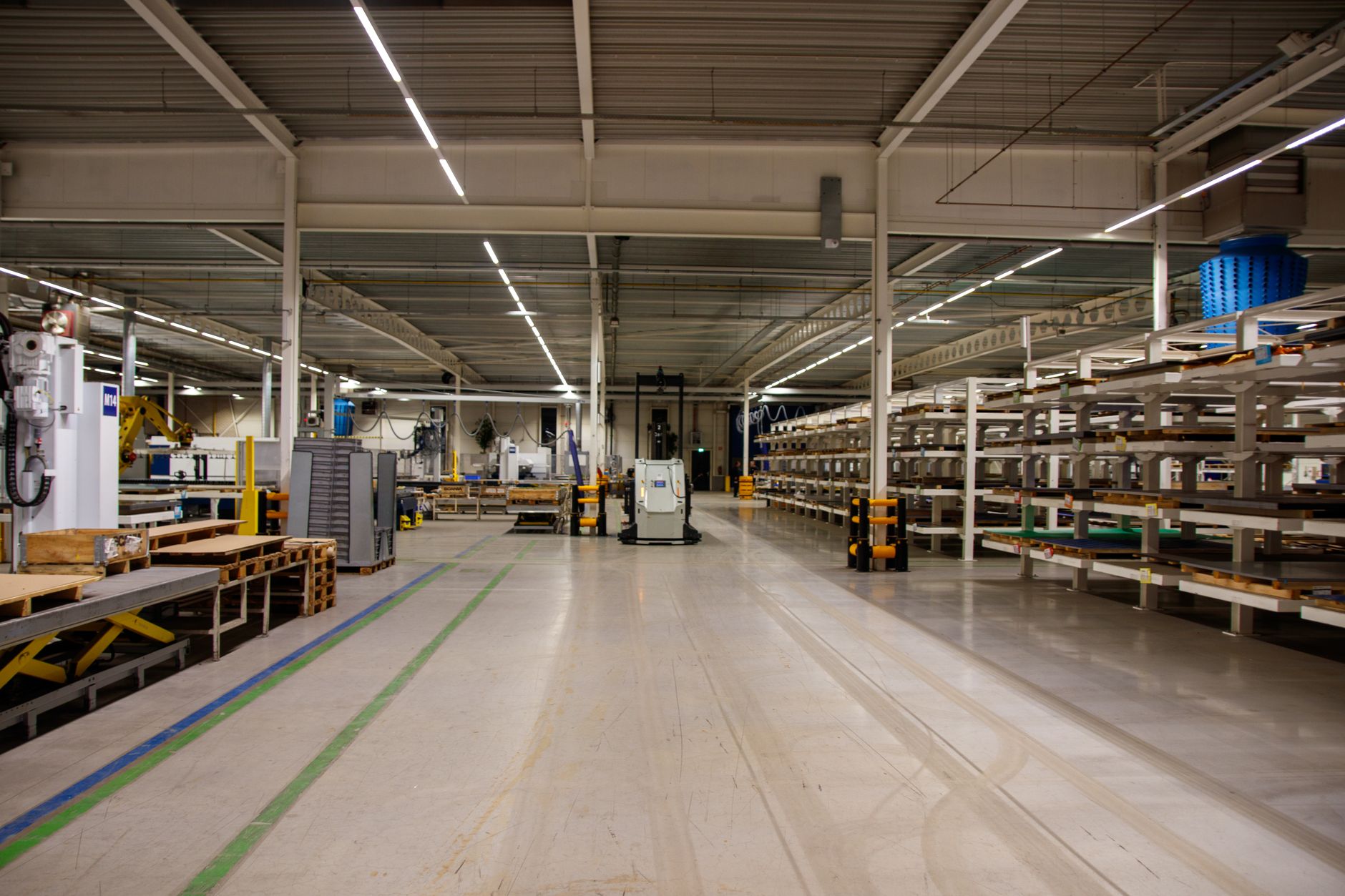
Floor conditions matter just as much. Casinos combine polished stone, carpet, tile, transitions, mats, brass trims, expansion joints, spilled drinks, cigarette ash, and heavy wheel traffic from carts and luggage. An autonomous floor scrubber rental candidate that looks fine on a smooth warehouse slab may be the wrong robot for this floor mix, even if the coverage math looks attractive.
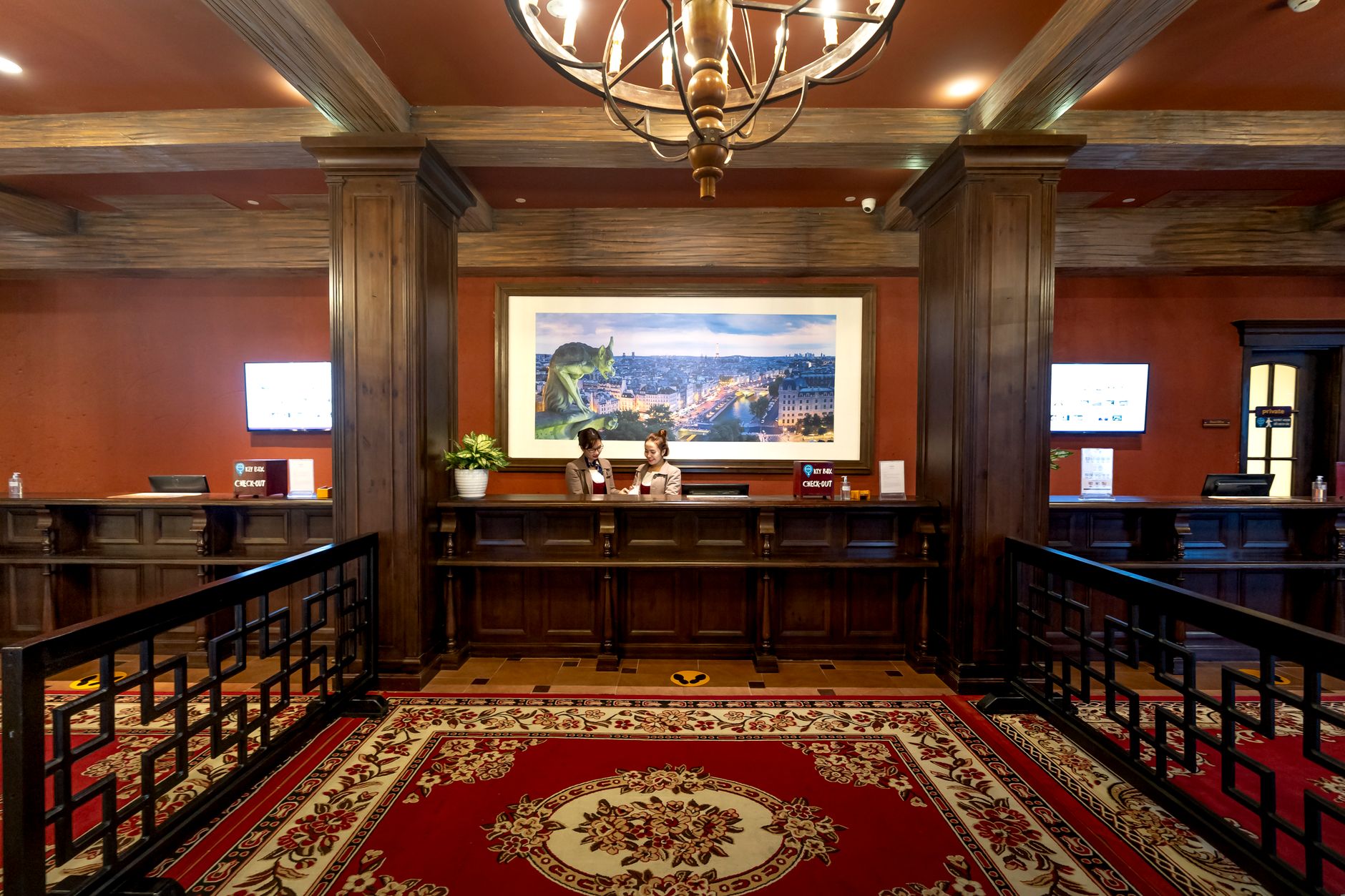
Do not ignore staging. A robot that can clean or deliver well still needs a sane place to park, charge, refill, dump, and receive service without becoming an eyesore or blocking egress. In casinos, that often means hidden but accessible utility space close to the route, not a random closet someone offers during the walkthrough.
- Measure the smallest usable width on each route, not the widest corridor.
- Note every threshold, rug edge, floor drain, cord crossing risk, and elevator sill.
- Check service elevator dwell times, priority rules, and after hours access.
- Confirm water fill and wastewater disposal points for floor care workflows.
- Map docking locations that are secure, ventilated, powered, and out of guest sightlines.
How do surveillance and gaming controls change the survey?
This is where casino surveys separate themselves from ordinary hospitality or retail work. The property is not just a big building with long routes. It is a controlled environment with surveillance obligations, restricted workflows, and sensitive rooms where a poor route choice can create immediate compliance concern.
Nevada is the clearest reference point. The Nevada Gaming Control Board's surveillance standards, revised in April 2026, require defined camera coverage for slot areas, table games, card games, sports books, the casino cage and vault, count rooms, security offices, gaming salons, and club venues. The same standards also require malfunction logging and minimum video retention rules, including seven days of required recordings until April 3, 2027 and fifteen days thereafter for standard coverage, with thirty days for detention recordings.
For an integrator, the practical lesson is straightforward. The survey must mark every no stop zone, no stage zone, no camera obstruction point, and every route that passes near cage, vault, soft count, hard count, or detention areas. A cleaning route that seems efficient on paper may be unacceptable if it crosses a sensitive corridor during drop or count windows.
The same goes for security and patrol use cases. If an autonomous patrol robot is under consideration, the survey must clarify what the robot is expected to observe, where it can dwell, who monitors alerts, how footage is retained, and how patrol patterns intersect with existing surveillance operations. In casinos, that handoff cannot stay vague.
- Ask for count schedules, drop windows, and high sensitivity movement periods.
- Identify rooms and corridors where pausing, parking, or rerouting is unacceptable.
- Confirm which departments approve route maps and software changes.
- Check whether existing surveillance sightlines could be blocked by charging, staging, or waiting behavior.
- Define escalation procedures for stopped robots near restricted areas.

Where do back-of-house routes usually break first?
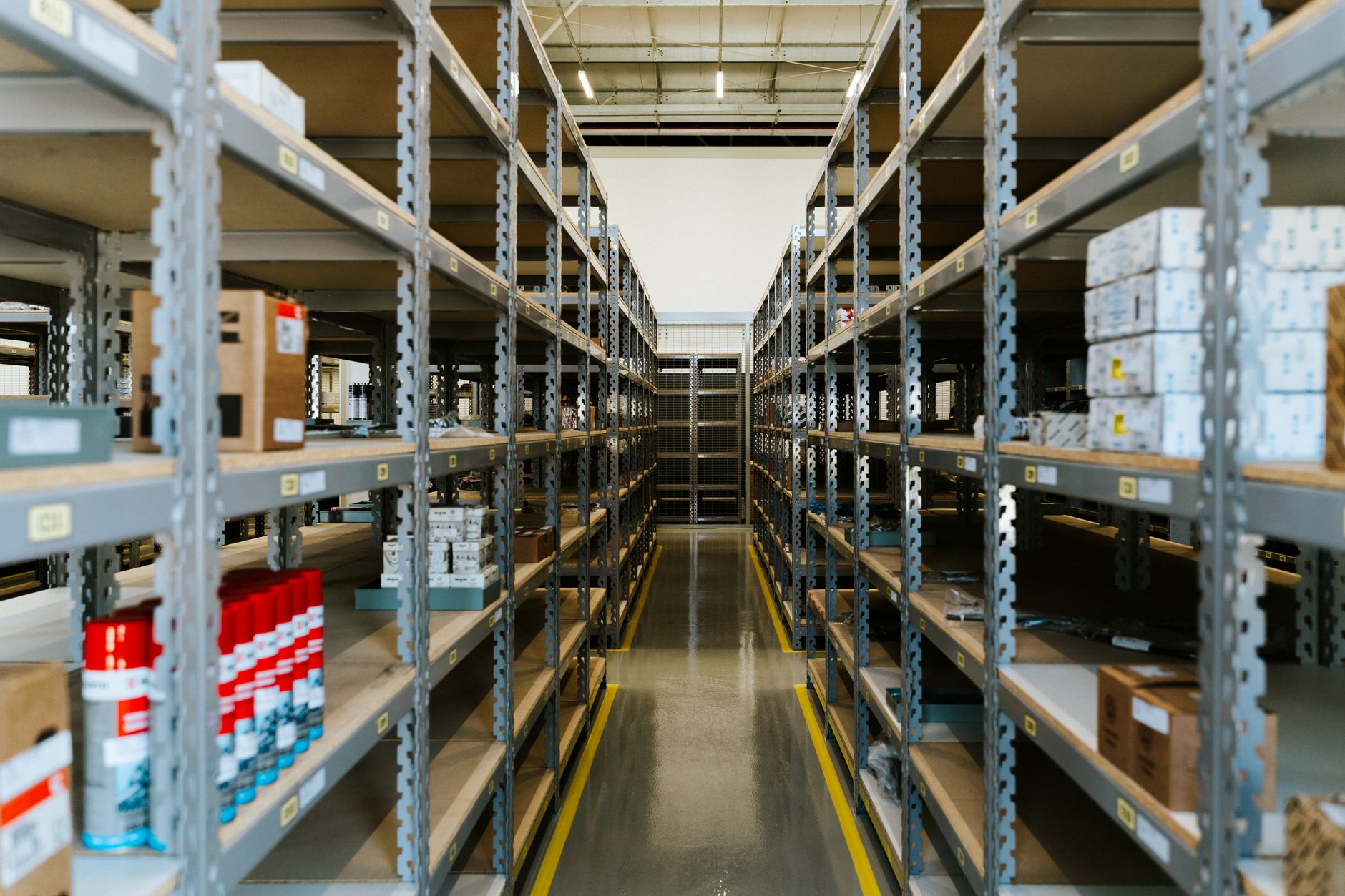
Most casino teams think first about the gaming floor. Fair enough. That is where guest perception is made. But many robot recommendations live or die in the unseen service spine behind it. That is where you find tight turns, swinging doors, linen carts parked out of habit, low lighting, bad Wi Fi, threshold damage, and elevators shared with housekeeping, engineering, food service, and security.
A pre sales survey should walk those paths with the people who use them, not just with facilities leadership. Observe a food runner, a housekeeping supervisor, and a security lead moving through the route in real time. You will quickly learn which doors are propped, which routes flood during banquet turnover, which lifts get locked out, and which corridors cannot tolerate a stopped unit.
This is also where delivery ambitions need discipline. A room service robot or amenity delivery concept may look attractive, but the survey has to verify cart interfaces, elevator logic, dispatch ownership, staging at the kitchen or pantry, and what happens when the route intersects with late night guest flow. If those answers are fuzzy, the right recommendation may be a smaller internal delivery workflow first.
Service Robot Co. tends to push hard on this survey stage for one reason. Choosing the right robot that fits your floor is only half the job. The other half is choosing the right workflow, operating window, and support model so the property is not forced to redesign itself around a bad fit.
- Walk the route during live operations, not only during a quiet tour.
- Record door hold-open habits, cart congestion, and choke points by shift.
- Test network and badge access in service corridors and elevator lobbies.
- Separate guest delivery ideas from internal supply loop ideas.
- Prefer phased deployment no shutdown over wide first-wave promises.
What infrastructure and support questions belong in pre sales?
Casinos that run well do not tolerate fragile equipment programs. The site survey needs to verify power availability, charging dwell time, network coverage, elevator and access control integration needs, drainage and refill points, safe storage for consumables, and how support reaches the unit after midnight. That is not deployment detail. It is qualification detail.
It also helps to define the commercial model early. Some properties want lease rental or sale comparisons. Others want robot leasing for business, a robot rental monthly structure, or a robot as a service arrangement that folds in maintenance included support. The survey should surface how much downtime the site can absorb and how much operational flexibility matters before anyone debates term length.
This is one place where a full service integrator earns its keep. Service Robot Co. is OEM neutral, so the survey is not biased toward forcing one manufacturer's machine into every corridor. The company can recommend the right fleet across manufacturers, then finance, deploy, integrate, train, and service every unit through a nationwide US engineer network. One vendor for the whole lifecycle is especially useful in casinos, where finger pointing between hardware, software, and service teams gets expensive fast.
A serious pre sales packet should therefore include support assumptions, not just route maps. If the proposal depends on remote triage only, say so. If it assumes loaner units, on site dispatch, or a robot pilot program before broader rollout, say that too. Casinos are operational businesses. They need the truth about support, not a glossy diagram.
- Power, charging, and parking locations with photos.
- Network coverage expectations and dead-zone findings.
- Elevator and access control integration requirements.
- Service response expectations by shift and by severity.
- Recommended commercial structure: pilot, monthly program, lease purchase, or direct sale.
What should the final survey deliverable contain?
The best survey output is crisp and decision oriented. It should tell the operator what task is a fit, what task is not a fit, what building changes are required, what departments must sign off, and what success will be measured against. A vague narrative wastes the whole exercise.
For cleaning, that may mean recommending a commercial cleaning robot rental for two overnight zones with measured coverage, refill assumptions, and an operator handoff plan. For security, it may mean limiting a patrol concept to a defined indoor loop. For delivery, it may mean starting with back-of-house repetitive transport instead of guest room runs. Precision builds trust.
A good deliverable also protects the sales process from wishful thinking. It shows where the property is ready, where risk sits, and what must be true before go live support can succeed. In casinos, that is far more valuable than forcing a yes.
If you want the short version, a good casino site survey leaves very little to imagination. It replaces enthusiasm with evidence.
- Use case and success criteria by department.
- Measured route maps with restricted zones clearly marked.
- Readiness blockers, required facility changes, and owner for each item.
- Recommended deployment sequence and pilot scope.
- Support model, training plan, and approval path through go live.