Key takeaways
- Food halls need zone-based robot operations because the dining room is shared but the kitchens are not.
- The best deployments are scheduled around uneven dayparts, not around a single all-day workflow.
- Cleaning, bussing, and light delivery only work when ownership of exceptions is explicit.
- A neutral integrator matters more in food halls because one venue often needs more than one robot role over time.
The short answer: what actually makes a food hall robot deployment work?
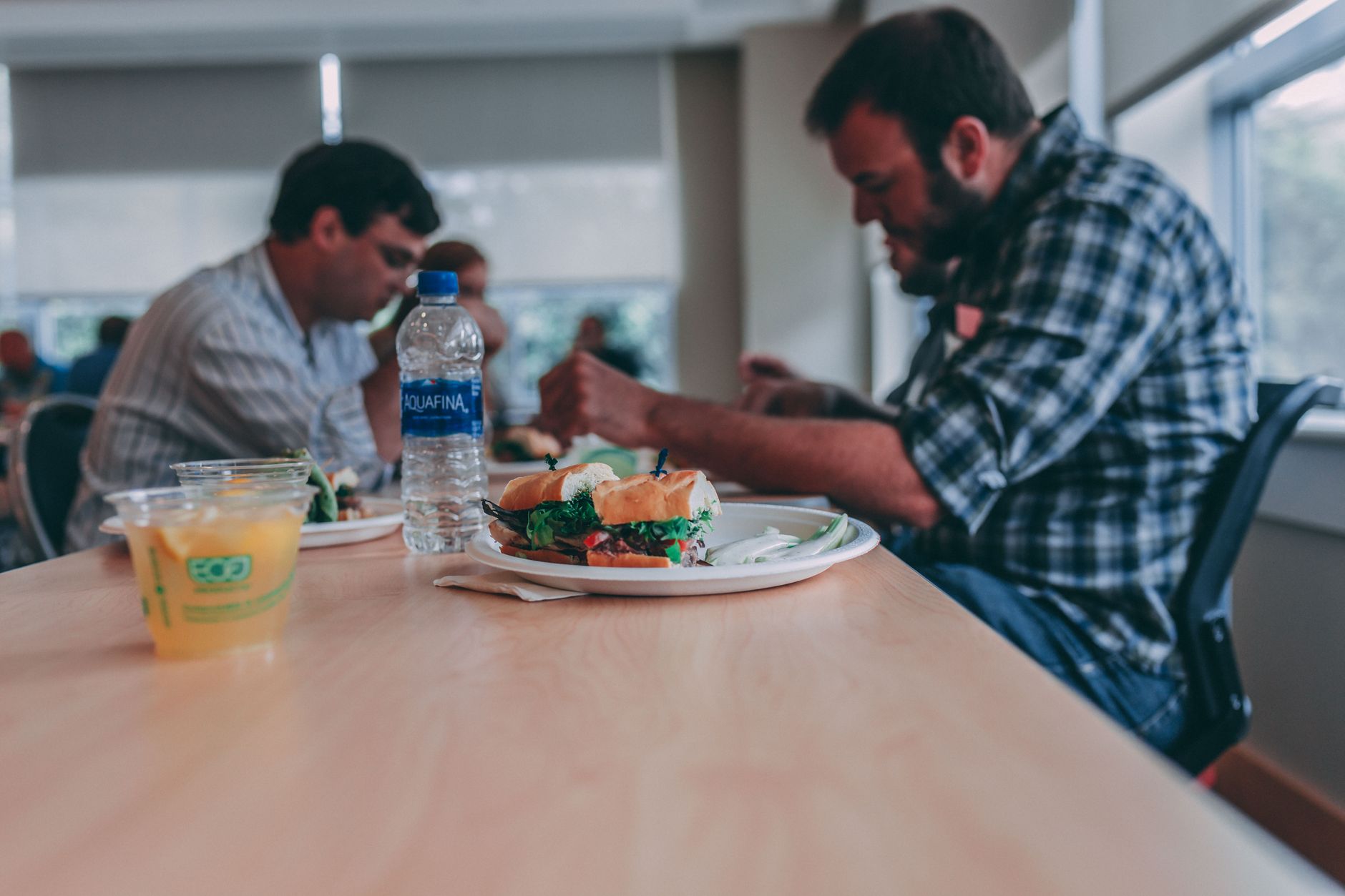
A robot deployment works in a food hall when the venue treats automation as a shared-operations system, not as a gadget parked beside one stall. In this format, seating is communal, labor is fragmented across vendors, and traffic arrives in uneven surges. That means the robot has to be assigned to common-area work with clear dispatch rules, lane priority, cleaning windows, and human backup for edge cases.
The practical rule is simple. Put robots where responsibility is shared and repeatable, then keep them out of spaces where authority is divided or food prep rules are tenant-specific. In most halls, that points first to common-floor cleaning, tray return support, bussing runs, and tightly bounded food running between approved pickup and drop points. It does not point to free-roaming service inside every vendor stall.
That operating model fits the shape of the market. The U.S. Department of Agriculture reported that 56.3 percent of total U.S. food spending happened away from home in 2025, while the National Restaurant Association said on February 11, 2026 that restaurant sales are projected to reach 1.55 trillion dollars in 2026 and that operators are still dealing with uneven traffic. Food halls sit right at that intersection of hospitality demand and operational volatility.
Why is a food hall harder than a single-tenant restaurant?
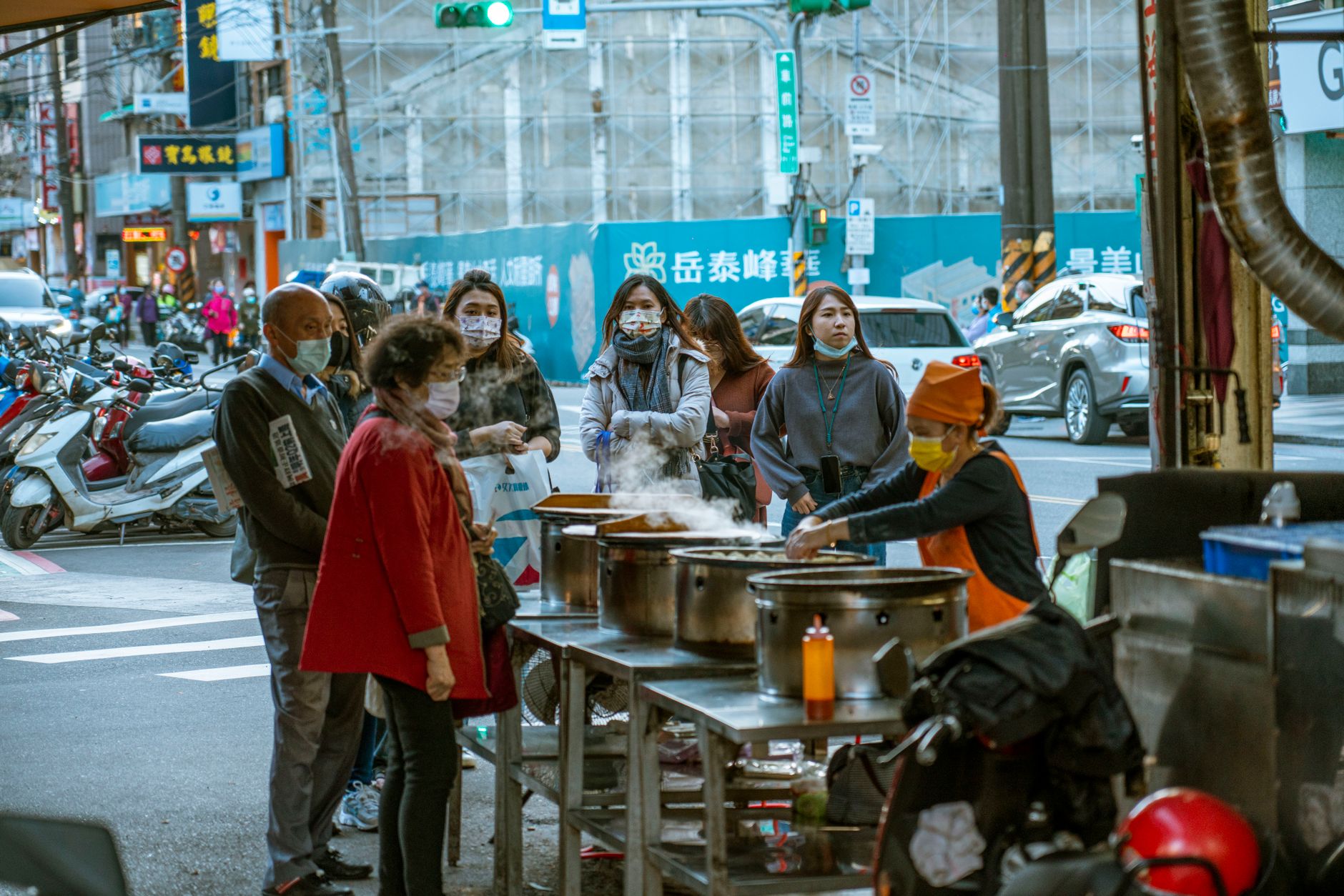
A single restaurant can change process fast because one operator owns the floor, the menu, the labor plan, and the guest recovery playbook. A food hall does not work that way. The landlord or hall operator usually controls seating, janitorial standards, events, and guest flow, while each tenant controls its own queue, prep timing, packaging, and staffing. A robot entering that environment inherits every boundary line at once.
The format is also still expanding. The Food Halls Association says the U.S. count grew from 220 food halls in 2019 to about 360 by 2023, a 55 percent increase. CBRE said on February 10, 2026 that there are well over 500 food halls in operation or development around the country. Growth is good news, but it also means many venues are still standardizing the basics of shared operations, which is exactly where deployments tend to succeed or stall.
Which robot jobs belong in the common area first?
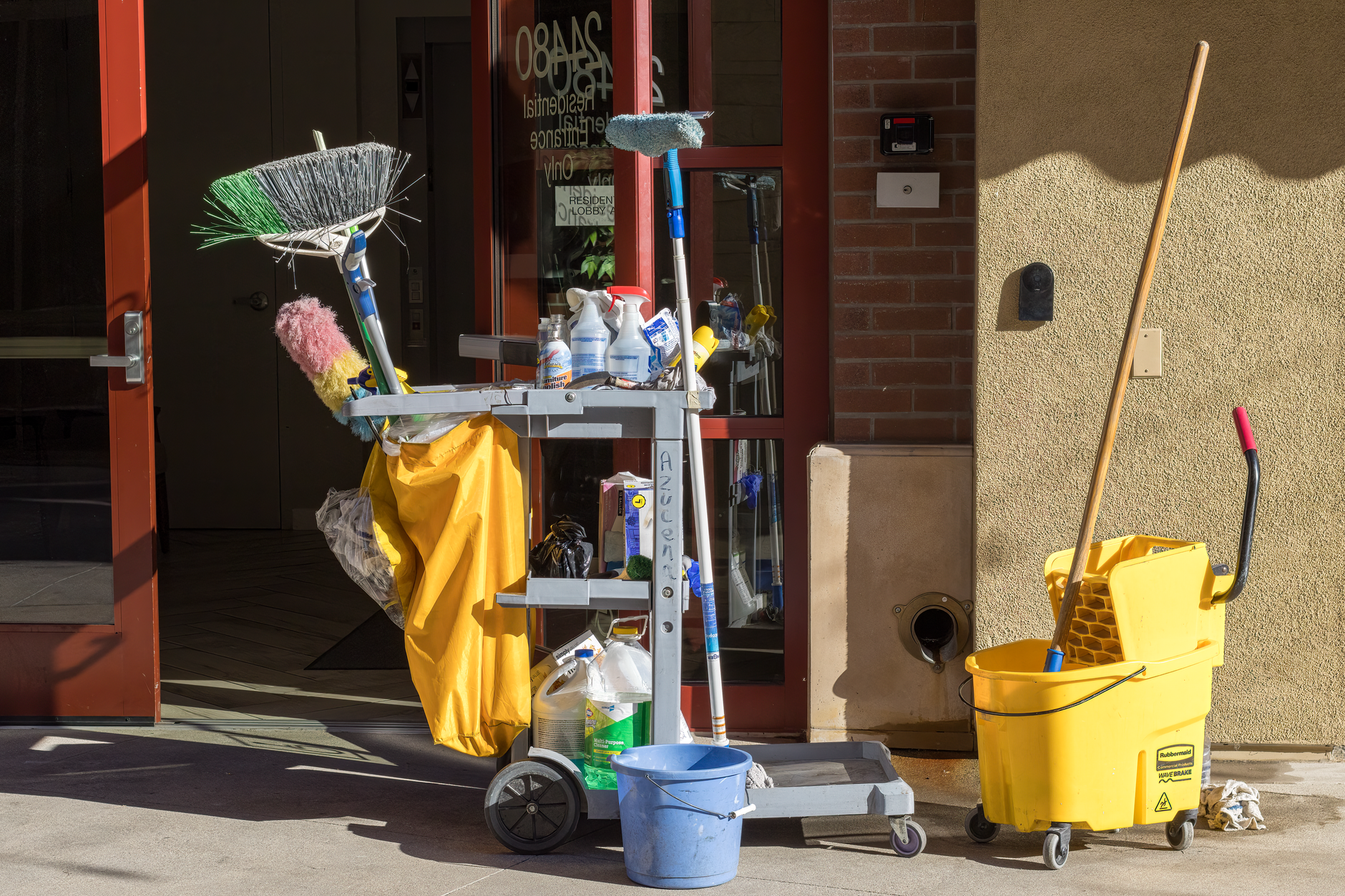
The safest first wins are the jobs nobody disputes. Commercial cleaning robot rental is often the cleanest entry point because the common floor already has shared ownership, service windows, and visible service levels. That is especially true in halls with long seating banks, multiple entrances, and post-lunch spill density that overwhelms short-staffed janitorial crews.
The next tier is light logistics inside the public zone. A busser robot or food runner robot can work when the handoff points are fixed and the human team still owns guest interaction, order verification, and exception handling. In that setup, the robot is not replacing the front-of-house brain. It is taking the repetitive transport loop that burns time during peaks.
The usual starting sequence looks like this:
- Autonomous floor scrubber rental for common-area hard floors during opening, lull, and close windows
- Robot floor cleaner rental for spill-prone seating zones and main aisles
- Busser robot support for dish, tray, and waste runs between seating and return stations
- Restaurant delivery robot rental only on approved routes between pickup shelves, expo counters, and numbered drop zones
What do uneven peaks do to deployment planning?
Food halls rarely peak evenly. One coffee concept spikes in the morning, lunch stalls stack lines at noon, dessert and beverage counters gain share later, and events can redraw the whole room by evening. CBRE noted on February 10, 2026 that hybrid work has changed the operating model and pushed halls to cover more dayparts. The USDA also shows a broader seasonality pattern in food-away-from-home spending, with 2025 daily sales lowest in January and highest in late spring for both full-service and limited-service restaurants.
That matters because a static robot schedule leaves value on the table. A night shift autonomous scrubber may be perfect for the deep clean, but food halls also need midday micro-cycles for high-traffic aisles, selective spill response before visible deterioration, and labor reallocation during short violent rushes. Good deployments are built around traffic pulses, not around a single all-day route.
This is where fleet logic beats one-off placement. Even a modest venue benefits from separate service modes for pre-open, lunch surge, shoulder period, event turnover, and close.
What operating rules keep multi-tenant deployments from drifting?
The failure mode in food halls is not usually navigation. It is ambiguity. Who clears chairs from a blocked aisle. Who reopens a paused route. Who approves a temporary detour during a pop-up market. Who handles the guest who lifts food off the wrong tray. If those answers are vague, the robot quickly becomes another thing staff work around.
A usable playbook is blunt. It defines dispatch ownership, route windows, charging responsibility, cleaning chemical and floor-surface rules, handoff etiquette, and exception recovery. It also distinguishes between tenant labor and hall labor so nobody assumes the other side is covering a missed step.
The baseline operating rules should include the following:
- Named owner for the common-area fleet on every shift
- Approved maps for normal service, event mode, and emergency detours
- Clear pickup and drop standards for any food service robot rental workflow
- Pause, reroute, and manual takeover rules that floor staff can execute in seconds
- Service-level targets for spill response, aisle coverage, and table-turn support
- A documented process for vendor complaints, guest incidents, and temporary route changes
Where does Service Robot Co. fit in this kind of venue?
Food halls expose a common purchasing mistake. Operators buy for one task, then discover the venue really needs a mix of floor care, bussing support, and light autonomous mobile robot rental over time. That is why an OEM-neutral, vendor neutral robot integrator is useful here. Service Robot Co. can match the deployment to the venue instead of forcing the venue to fit one manufacturer’s catalog.
For multi-tenant sites, that matters across the full lifecycle. The work is not just robot leasing for business or a robot rental monthly agreement. It is site assessment mapping, route design, integration with the hall’s operating rhythms, staff training, remote triage, maintenance included, and on-site dispatch when uptime matters on a Friday dinner rush. One partner and one number is easier to run than separate vendor relationships when the room has shared accountability but fragmented labor.
What should operators measure in the first 90 days?
Do not grade the deployment on novelty. Grade it on floor coverage, interruption rate, staff minutes returned to service, visible cleanliness during peak occupancy, and how quickly exceptions are resolved. The U.S. Census Bureau reported on July 16, 2026 that June 2026 retail and food services sales were up 6.7 percent from June 2025. In a demand environment like that, reliability matters more than a flashy first week because busy venues feel every missed cycle immediately.
In food halls, the first 90 days should show whether the robot is protecting shared space quality during the hardest hours. If it is, staff spend more time on guests, vendors argue less about common-area conditions, and the hall gets a steadier operating rhythm. If it is not, the answer is usually not more autonomy. It is better zoning, tighter handoffs, and clearer human ownership around the robot.
That is what makes the deployment work. Not the machine alone, but the operating model around it.