Key takeaways
- Newport Hospital funded its 2026 platform entirely through donors after a year of fundraising.
- Being first in a small state draws patients and surgeon recruiting attention.
- Philanthropy can fund towers while operations still need service and training budgets.
- Community hospitals can apply the same donor story to delivery and floor-care robots.
- Vendor-neutral pilots keep philanthropy from locking you to one catalog.
What did Newport Hospital announce in September 2026?
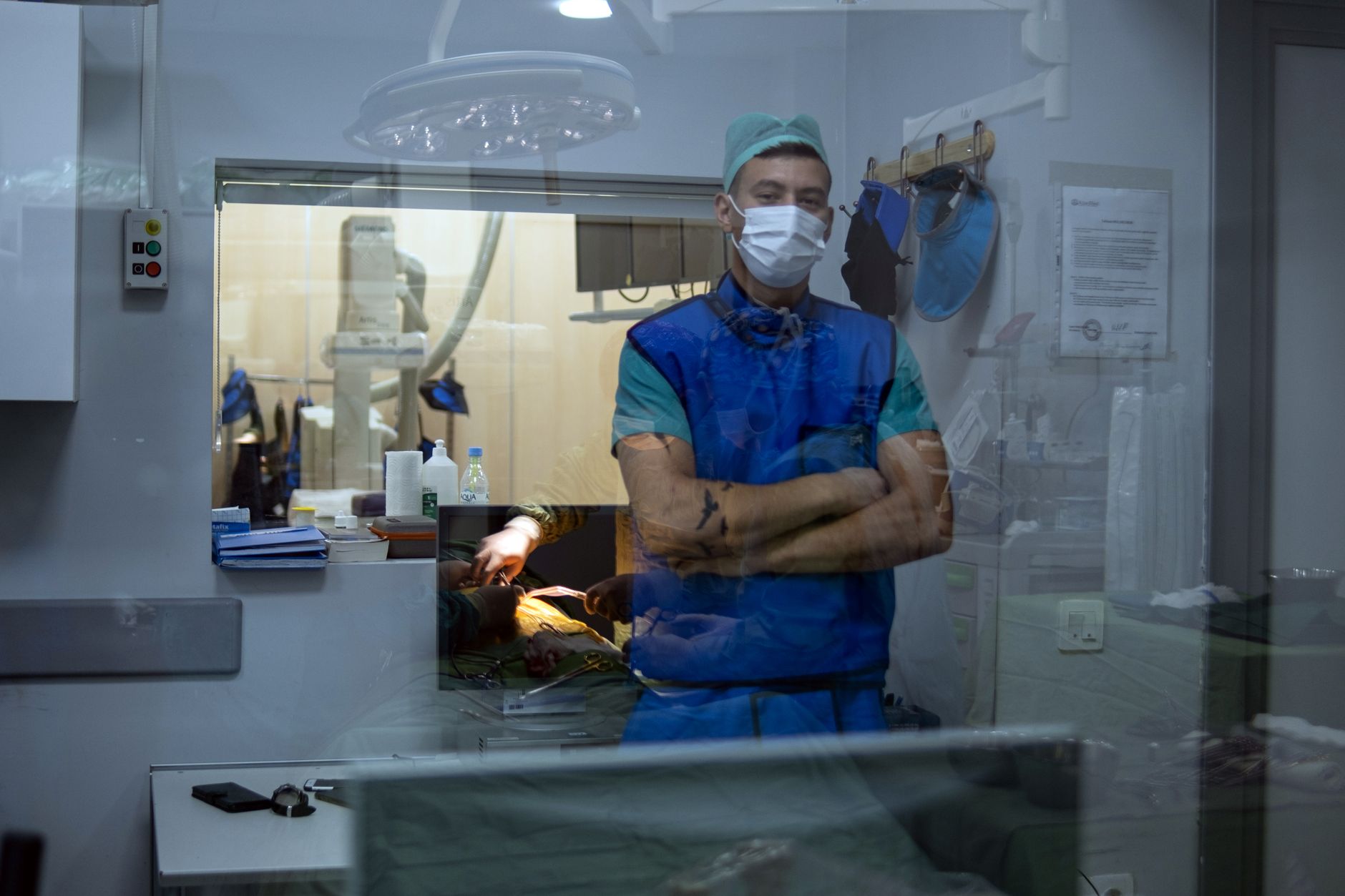
On September 22, 2026 Newport Hospital in Rhode Island reported it had implemented a new robotic-assisted surgical platform, becoming the first hospital in the state to use that generation of technology. Leadership said the system was funded entirely through donor contributions after roughly a year of fundraising.
The release emphasized minimally invasive options for urology, gynecology, thoracic, and general surgery while keeping the surgeon in control at the console. For community hospital boards, the news is less about a single procedure list and more about how a seaside market kept advanced care local without waiting on a system-wide capital queue.
Newport is a smaller community hospital brand within a larger nonprofit network. That structure matters when you ask whether donor energy can attach to one campus while service contracts still flow through parent finance.
Public reporting also noted ergonomic consoles and three-dimensional visualization as patient-facing benefits. Those details help fundraisers, yet operations still needs a plain list of who trains whom and how many cases justify fixed costs.
Why donor-funded robots change the conversation
Hospitals often defer multi-million capital when bond covenants are tight or when payers squeeze margins. A successful philanthropy sprint can unlock equipment that leadership would otherwise phase over several budget cycles.
Donors respond to stories patients understand. Shorter recovery and local access beat abstract efficiency slides. Naming opportunities and visible milestones help campaigns finish, as Newport leaders credited in their announcement.
Philanthropy rarely covers every downstream cost. Service agreements, disposable instruments, training travel, and IT upgrades still hit operating budgets. Finance should model ten-year total cost before the ribbon cutting.
Development teams should pair gift officers with clinical champions early. Engineers and nurses can explain workflow impact in language donors grasp without overselling overnight waiting-list miracles.
What community CEOs should copy for non-surgical automation
Indoor delivery robots and autonomous scrubbers rarely trigger gala dinners, yet they solve problems donors also feel. Long waits, dusty corridors, and tired nurses are public stories.
A donor could fund the first indoor delivery pilot that connects pharmacy to a satellite clinic wing. Another campaign might sponsor an overnight scrubber that frees EVS for infection-prevention touchpoints. The narrative stays local impact, not gadget novelty.
Service Robot Co. often scopes those pilots with monthly robot rental so philanthropy covers the first year while utilization data matures. That mirrors Newport timing without pretending floor care is surgery.
Material handling AMRs at loading docks can share the same donor slide deck when you show reduced overtime for porters during flu season. The photo might be less cinematic than an OR suite, yet the labor math is easier for local employers to verify.
Which due-diligence steps donors never see on the brochure

Credentialing and training timelines still apply no matter who signs the check. Surgeons, nurses, and techs need protected hours to learn workflows before volume promises hit marketing.
Facilities must confirm power, HVAC, and sterile processing capacity. A robot in an OR suite stresses air balance and instrument turnover differently than a scrubber in a corridor, yet both need infection prevention at the table.
Cyber and privacy reviews follow any networked unit. Donors may fund hardware while IT rightly asks how logs are stored and who can remote into the fleet.
Legal should review gift agreements for maintenance obligations. A pledge that covers purchase but not service creates a cliff the board will hit eighteen months later.
- Ten-year service and consumable model signed before public launch
- Training roster with named clinical champions
- Backup coverage if the primary unit is down during survey week
- Patient communication plan that sets realistic recovery expectations
How being first in Rhode Island affects peer hospitals
First-in-state status shapes recruiting and transfer patterns. Surgeons and patients compare travel time to Boston versus staying on Aquidneck Island. Peer community hospitals will call Newport for validation timelines and staffing mix.
Smaller sites should not assume they need an identical platform to stay relevant. Many gain from partial automation, telehealth, or centralized specialty hubs before they copy a capital headline.
Still, the competitive signal is real. Boards will ask why their campus lacks a donor story when neighbors announce one.
Regional media cycles are short. Use the first ninety days after launch to publish honest utilization internally, not only outward press releases.
Where Service Robot Co. supports community rollouts
Service Robot Co. stays vendor neutral across delivery, cleaning, and material handling for hospital campuses. We help community sites compare options against real floor plans before philanthropy locks a vendor relationship.
Financing can follow purchase, lease, or monthly structures with maintenance bundled. That lets a donor fund year one while leadership proves route hours or scrubbed square footage.
Deployment includes mapping, staff training, and go-live support through a nationwide network of regional service engineers. One partner number keeps facilities, IT, and clinical owners aligned when badges, elevators, and cleaning schedules change together.
We document pilot results in language development offices can reuse for the next campaign, whether the ask is surgical or logistical.

What Newport's gift does not decide for your hospital
Donor totals and procedure volumes from another campus do not belong in your board deck without local measurement. Treat Newport as a signal that community hospitals can rally philanthropy around visible technology.
Surgical robotics pathways do not automatically justify logistics or EVS robots. Run separate pilots with separate metrics.
Finally, gratitude to donors does not replace maintenance discipline. A gift-funded unit that sits idle for lack of service budget hurts community trust faster than never launching.
Community size also differs. A seaside tourist market is not your payer mix. Build the case from your own overtime logs and patient experience scores.
Frequently asked questions
Sources
Service Robot Co. is not affiliated with, sponsored by, or endorsed by the companies mentioned in this article.