Key takeaways
- A named floor robot is a staffing tool, not a replacement for infection-control detail work.
- Paris Regional Health and Lourdes Medical Center both framed 2026 rollouts as EVS support, not layoffs.
- Overnight corridor scrubbing works when routes, noise, and charging are mapped to patient traffic.
- Vendor-neutral integrators help hospitals compare scrubbers without locking into one OEM story.
- Coverage logs and route completion rates matter more than mascot branding after week one.
Why are hospitals giving floor robots names?
When Paris Regional Health unveiled an autonomous floor scrubber in late August 2026, staff chose the winning name Sir Mops-a-Lot in an internal contest. The playful label drew smiles, but the hospital message was operational. Leadership said the unit handles routine corridor scrubbing so environmental services can focus on detailed cleaning and other work that supports patients and visitors.
Lourdes Medical Center followed a similar script in July 2026 when it integrated a daily-running scrubber into its environmental services team. CEO Brian Sims told local media the investment strengthens the care environment while letting skilled staff apply expertise where it matters most.
Naming contests build buy-in on busy nursing units. They also signal that the machine is part of the team roster, not a one-off demo parked in a closet. For facility leaders, the lesson is to plan communication and training before the first overnight run, not after social posts go live.
What changes for environmental services day to day?
Autonomous scrubbers take the repetitive miles: main corridors, lobbies, and other large hard-floor zones that eat hours on a mop and bucket. EVS keeps restrooms, patient rooms, isolation protocols, and high-touch disinfection. That split matches how several 2026 US hospital announcements described their programs.
The shift is workload rebalancing, not headcount theater. Hospitals still need humans for tasks robots cannot safely or politely do near bedsides. The scrubber wins on consistency and schedule: it runs the same path when census is low and foot traffic drops.
Supervisors should rewrite task boards before go-live. If overnight scrubbing is automated, day shift should not still schedule two staff to burn hours on the same loop. Clear handoffs between robot logs and human checklists prevent duplicated effort.
Document which codes or isolation rooms stay human-only forever. That list keeps infection-control nurses aligned when administrators ask why the scrubber skipped a wing during an outbreak surge.
Which metrics should you track in the first 90 days?
Route completion rate is the early honesty check. University Hospital Bratislava reported above 90 percent route completion reliability after deploying an autonomous scrubber in busy entrance halls and corridors, according to its integration partner case summary. Your pilot should target a documented baseline in week one, then trend weekly.
Log coverage area, runtime, and zones finished per session. Those exports support infection-control documentation and joint commission style audits without asking techs to retype mop logs. Timestamped records also settle disputes when a nurse asks why a wing looks dull at 6 a.m.
Track noise complaints separately. Patient wings tolerate quiet machines better than cafeterias. If decibel readings or nurse call volume spike, adjust start times or swap pad pressure before you expand routes.
Compare pre-pilot and post-pilot ticket volume for corridor waxing or burnishing. Even a modest drop in rework orders tells finance the machine earned floor time, not just social media attention.
- Weekly route completion percentage by zone
- Square footage or distance covered per overnight session
- Number of EVS hours redeployed to detail tasks
- Patient or staff noise feedback by unit
- Charge cycle downtime versus planned cleaning window
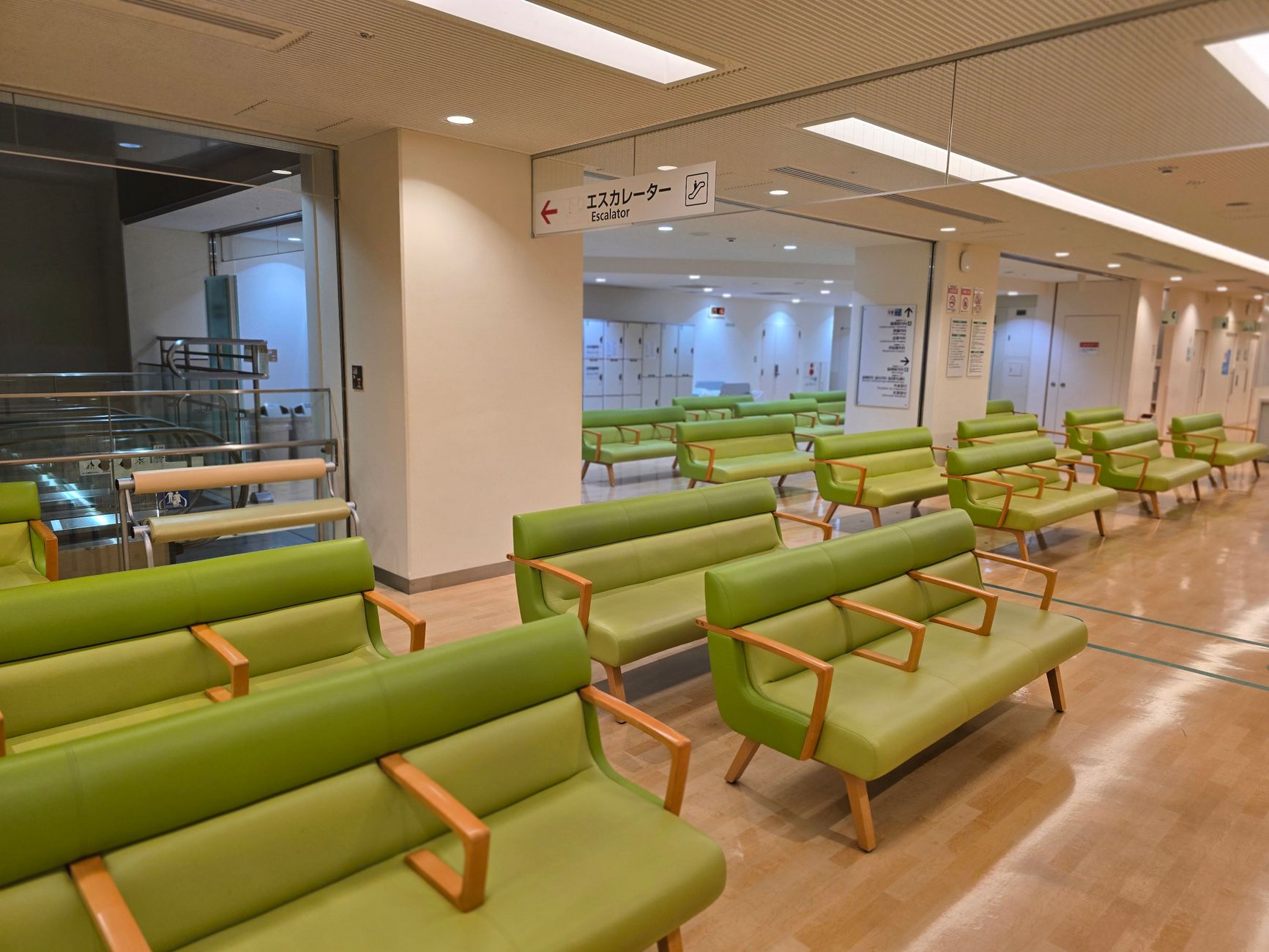
How should overnight scheduling work near patient care?
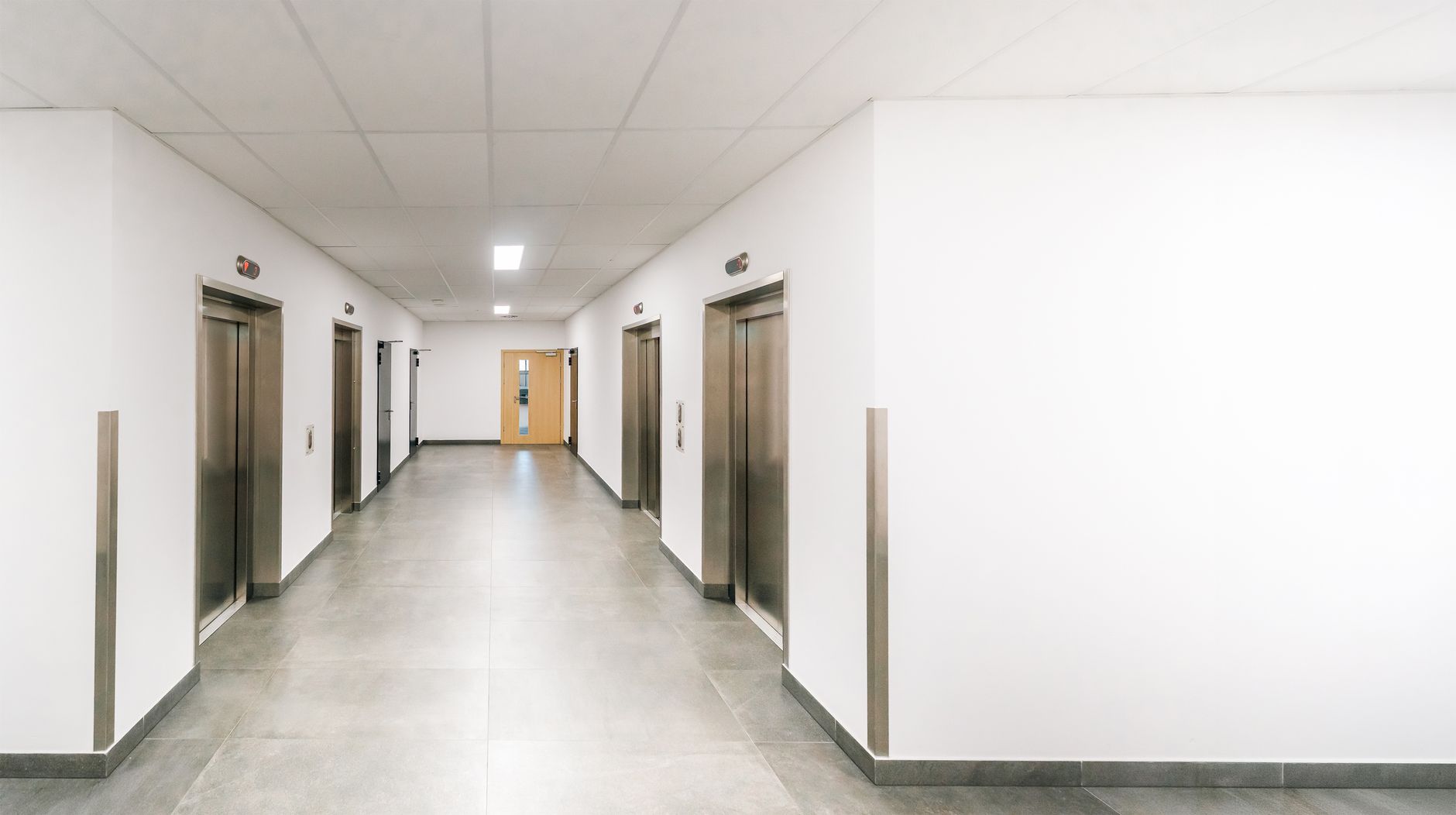
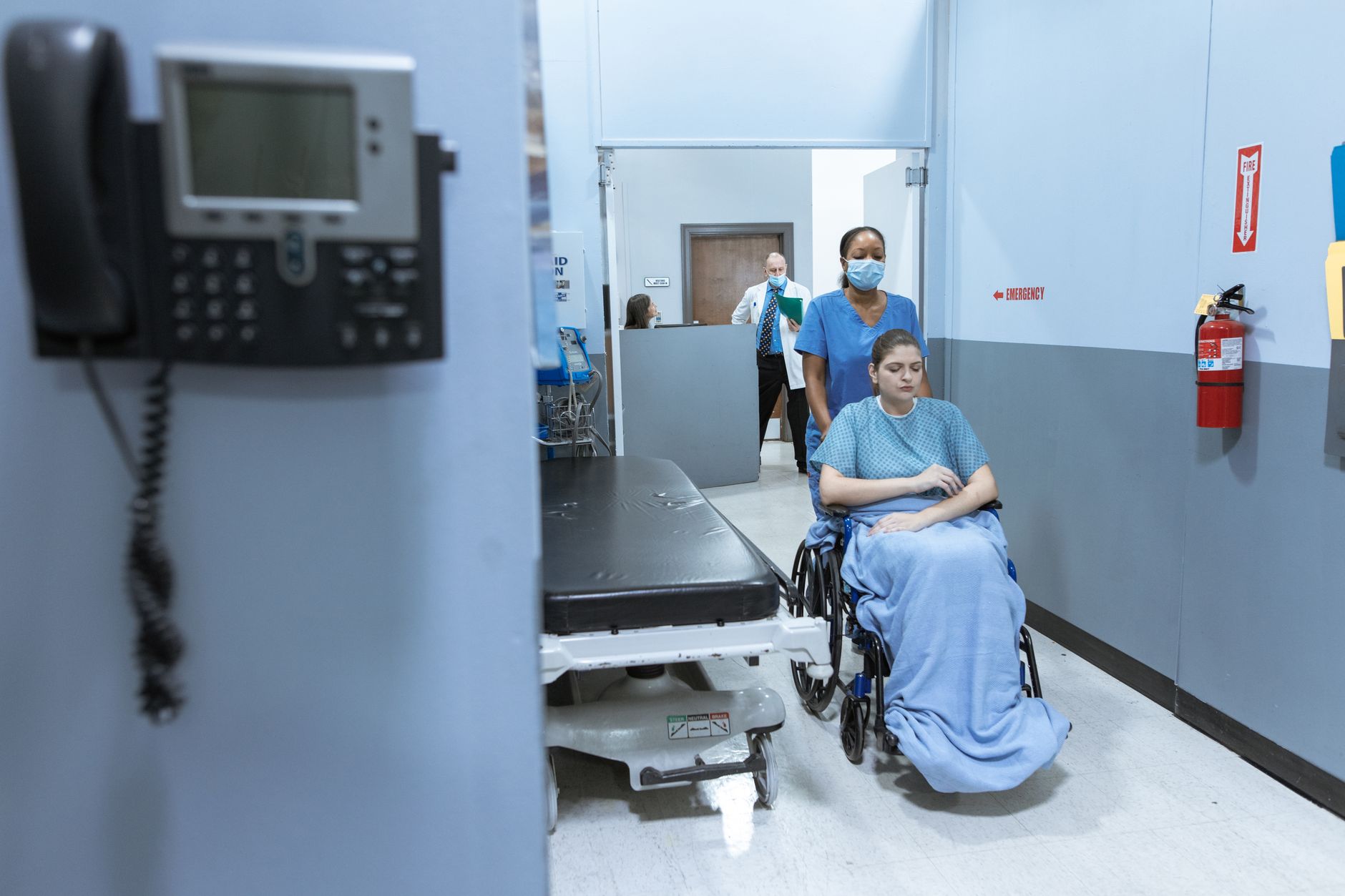
Most US pilots start after evening census falls and elective foot traffic thins. Elevator sharing, wet floor signage, and fire-door hold points must be mapped in advance. A scrubber that stops every fifty feet for an unmapped obstacle trains staff to ignore it.
Charging docks belong out of ambulance lanes and away from oxygen storage. In older wings, narrow door thresholds may require a smaller form factor or a two-zone plan instead of one heroic loop.
Coordinate with security and nursing leadership on the first two weeks of runs. A quick pager code for pausing the unit beats staff unplugging batteries when a code stroke corridor needs clearance.
Does rental or subscription fit hospital capital cycles?
Many community hospitals face tight capital committees even when operating budgets flex for labor. Robot-as-a-service or monthly rental paths let EVS prove coverage before a depreciation request hits the board packet.
Service Robot Co. stays OEM-neutral, so finance can compare scrubber classes on one proposal instead of three vendor roadshows. Deployment, mapping, training, and nationwide service ride on one contract, which simplifies spare-unit planning when a machine needs shop time.
Pilot conversion should be written up front: if route completion holds above your internal bar for sixty days, the rental rolls into a lease or purchase path without remapping from scratch.
Biomed teams should review battery charging locations and egress paths early. A dock tucked behind a linen cart stack becomes a nightly trip hazard once EVS stops babysitting the unit.
What belongs on a vendor-neutral selection checklist?
Start with floor type, slope, and doorway width, not glossy brochures. Healthcare corridors mix VCT, terrazzo, and transition strips that confuse naive navigation.
Ask how the unit handles dynamic obstacles such as rolling beds, IV poles, and meal carts. Request references from hospitals with similar square footage, not just airports or malls.
Confirm detergent compatibility with your infection-control approved chemical list. A scrubber that strips wax or leaves residue creates more EVS work than it removes.
- Verified hospital references within the last two years
- Export format for cleaning logs into your documentation workflow
- Spare unit or loaner policy during repairs
- Training hours included for EVS leads and biomed touchpoints
- Escalation path for on-site service within your region
How do you keep the robot from becoming mascot-only PR?
Internal naming contests are fine if week six still shows published route metrics on the EVS huddle board. Tie the robot to measurable corridor readiness, not just Instagram photos.
Invite frontline EVS techs into mapping sessions. They know which corridor corners never get enough mop time and which nurse stations panic when floors stay wet past shift change.
When leadership speaks publicly, pair the human story with one operational outcome, such as hours returned to restroom checks or improved overnight coverage on a defined wing. Paris Regional Health balanced humor with a clear statement that environmental services remains critical to a safe, welcoming facility.
What should smaller community hospitals copy from early adopters?
You do not need a flagship tower to benefit. A single autonomous scrubber on one connected corridor loop can free two tech hours per night if the path is honest about obstacles.
Copy the communication pattern, not the brand name. Staff voting, CEO visibility, and COO quotes from Paris Regional Health show how to reduce fear of replacement while setting expectations.
Plan expansion only after logs prove the first loop. Add cafeterias, ED sub-corridors, or medical office building links when completion rates stay stable through a full season of census swings.
Treat the first quarter as a joint ops experiment between EVS, nursing, and facilities, not a one-department gadget trial.
Frequently asked questions
Sources
Service Robot Co. is not affiliated with, sponsored by, or endorsed by the companies mentioned in this article.