Key takeaways
- Packing season stacks day and night crews on the same sealed floors.
- Valley dust and moisture at doors raise slip and quality risks fast.
- Autonomous scrubbers own mapped routes after shift change.
- Rentals and pilots fit seasonal cash flow better than a rushed purchase.
- One integrator aligns scrubbers, AMRs, and nationwide service.
Why does the packing floor get dangerous when seasons overlap?
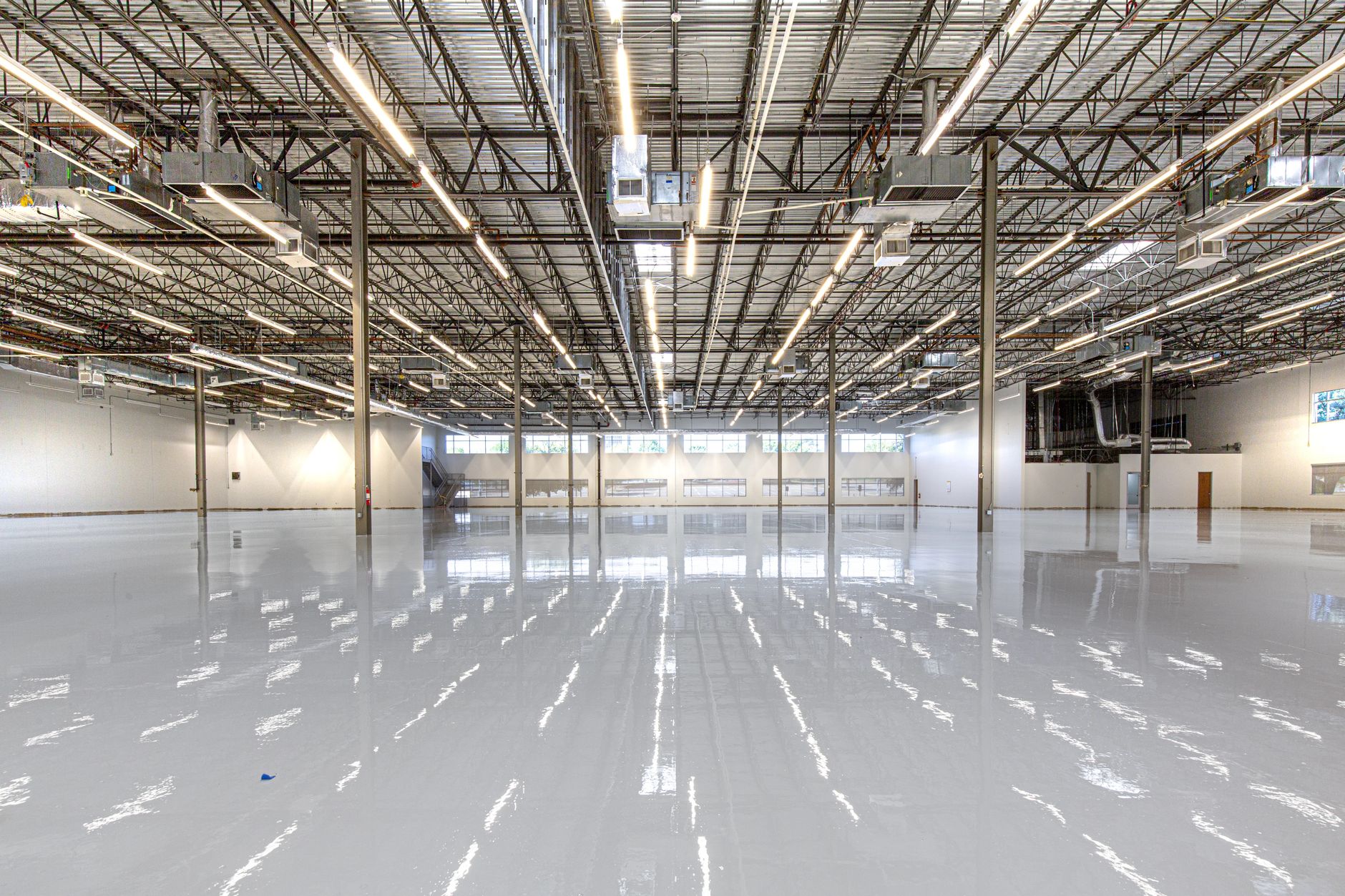
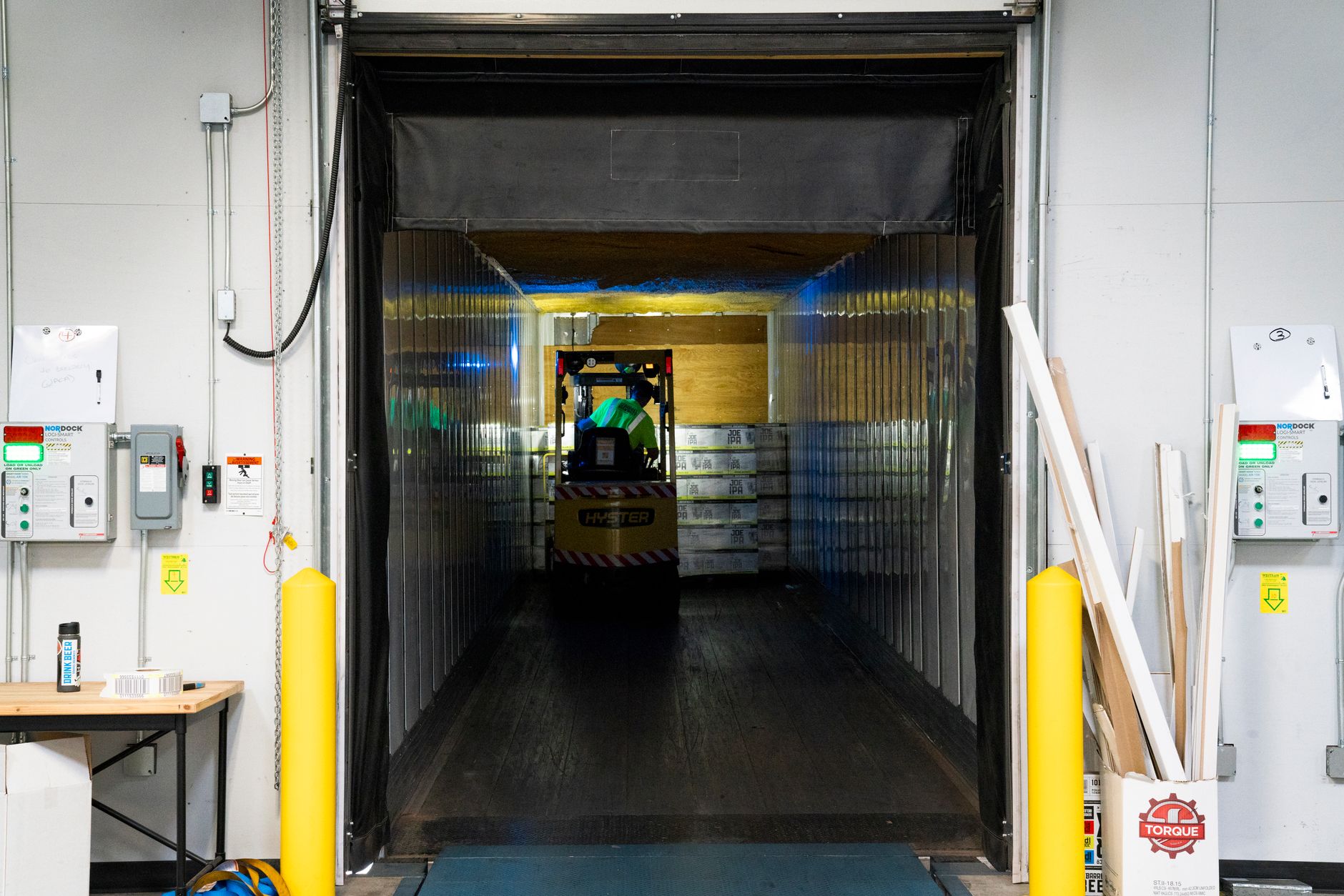
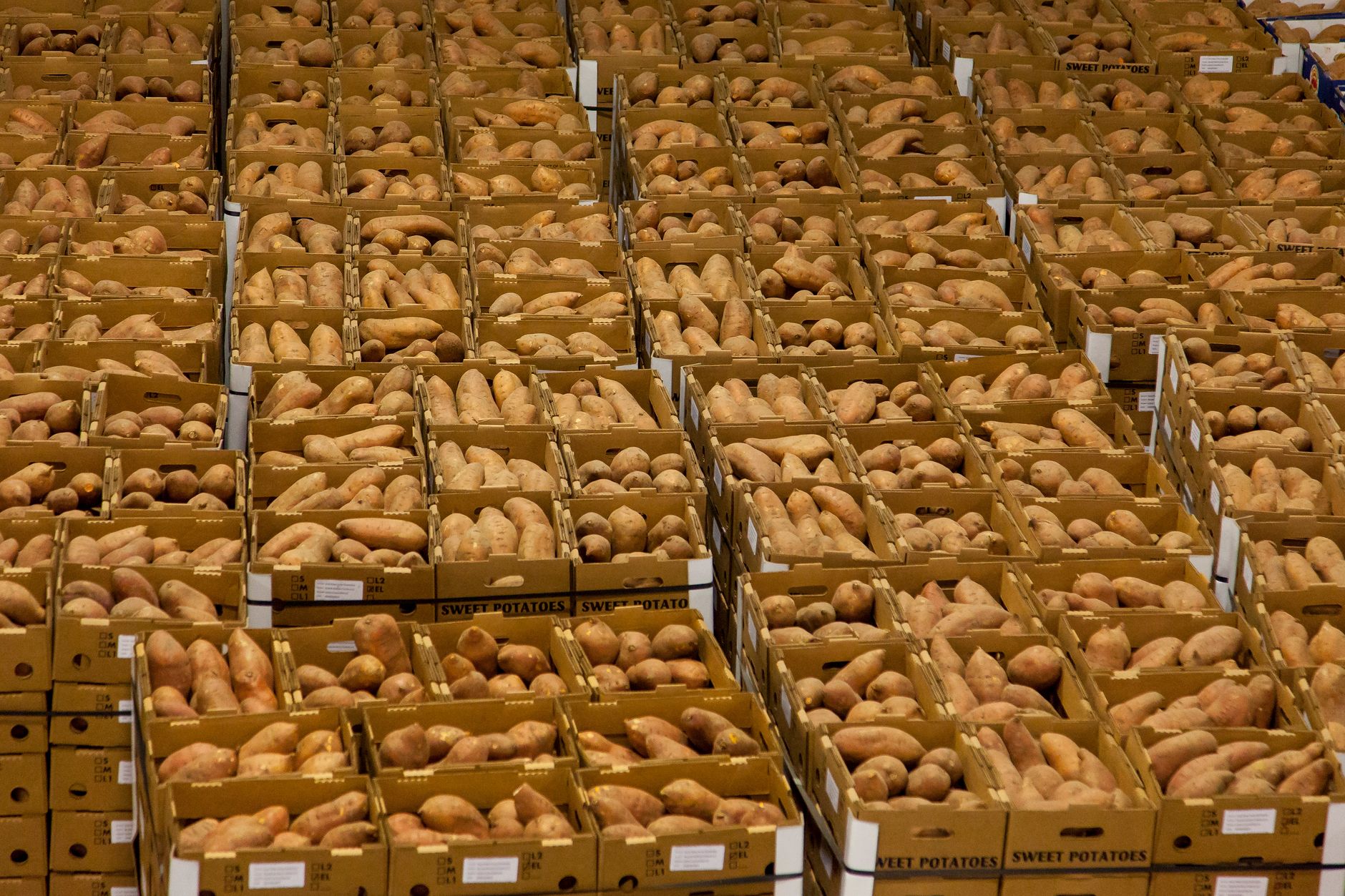
In the San Luis Valley, potato planting and harvest do not politely alternate with quiet weeks in between. University of Colorado research on regional potato production describes more than six hundred year-round jobs in packing sheds, plus large temporary crews during planting and harvest. When those calendars collide, the same sealed concrete that looked fine at lunch can be slick with starch, water, and tracked-in soil by midnight.
Hooper and other Alamosa County communities sit inside that rhythm. Alamosa County’s community profile highlights irrigated agriculture, more than three hundred fifty days of sunshine, and a regional economy tied to potatoes, barley, and alfalfa. The floor does not care about your staffing chart. It only reflects how many boots crossed it since the last full scrub.
Managers often protect sorters and loaders first. Night porters are the role that disappears when overtime budgets tighten. That is the gap autonomous scrubbers are meant to cover: a mapped hard-floor loop that runs whether or not you found another human for the mop bucket.
What makes valley dust different from generic warehouse grime?
Dry valley winds carry fine soil into entries, break rooms, and locker corridors. Irrigation and wash-down areas add water at the same doors. The combination behaves like a light abrasive on sealant and creates corners that manual mopping skips when crews are tired.
Cold storage and packing areas also run at temperatures that change how fast water evaporates near thresholds. A quick mop at 6 p.m. can leave a film that shows up under forklift traffic at 2 a.m.
Scrubbers with consistent down-pressure and vacuum pickup handle that film better than a one-pass mop, provided the route avoids rubber mat zones that are not rated for machine traffic.
Where do autonomous scrubbers fit in a shed layout?
Think in lanes, not in building-wide miracles. A scrubber excels on long sealed runs: main aisles between pallet staging, locker hallways, break areas with tile, and admin corridors that still see boot traffic from the floor.
It does not replace hand detail on stainless wrap zones or QC tables. It replaces the hour-long aisle loop that otherwise requires a dedicated porter every night of overlap season.
Schedule the run after the heaviest forklift window or during a planned lull. Fill tanks, launch the map, and let the unit recover water and pad wear on a predictable cadence while your human team handles exceptions.
- Mark zones where forklifts and scrubbers must never share space at the same time
- Keep charging and dump stations inside heated bays for winter nights
- Log pad changes the way you log forklift PMs
- Post a simple map so day crew knows which aisles are wet after a run
Can AMRs help if the bottleneck is pallets, not floors?
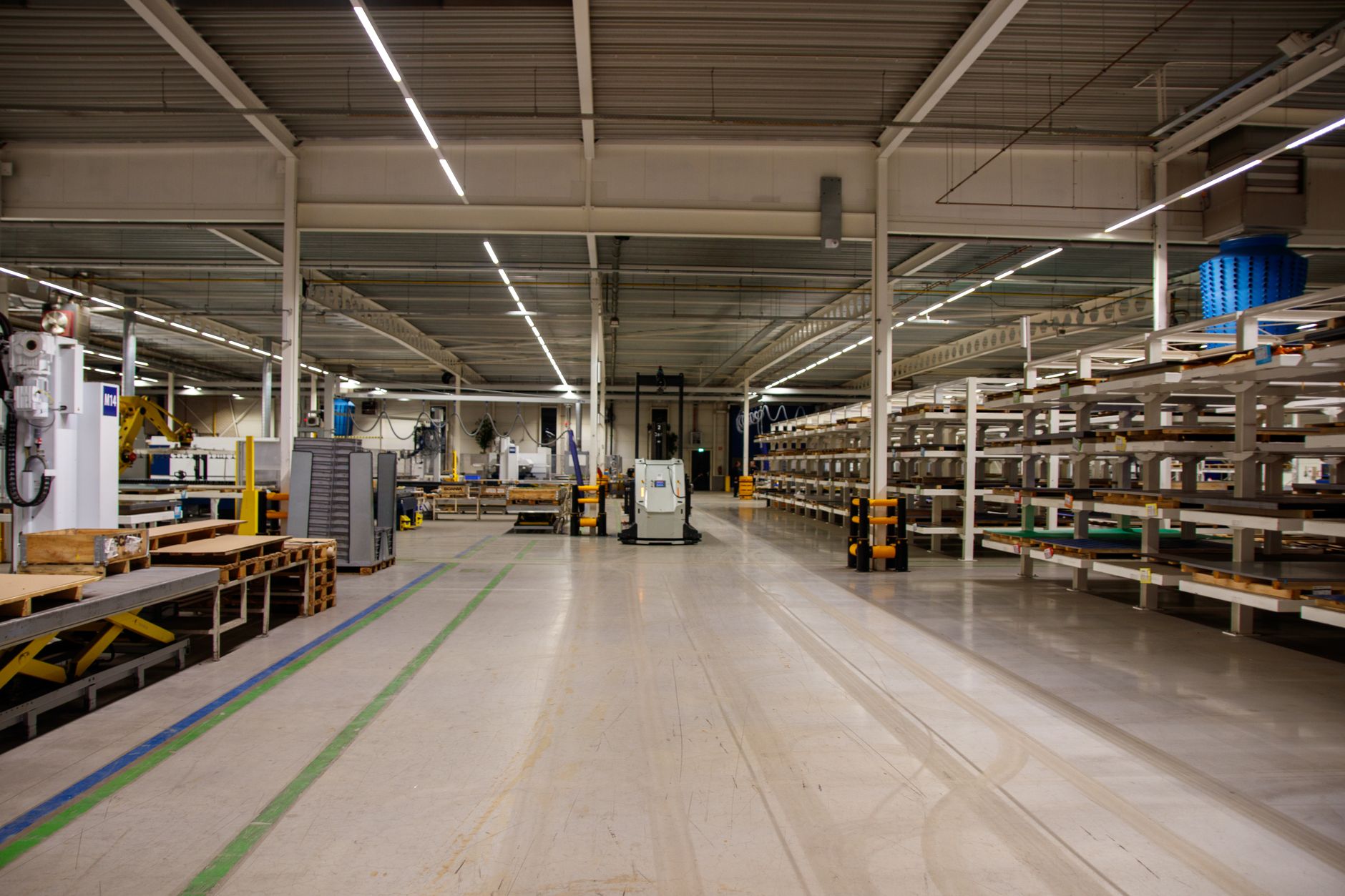
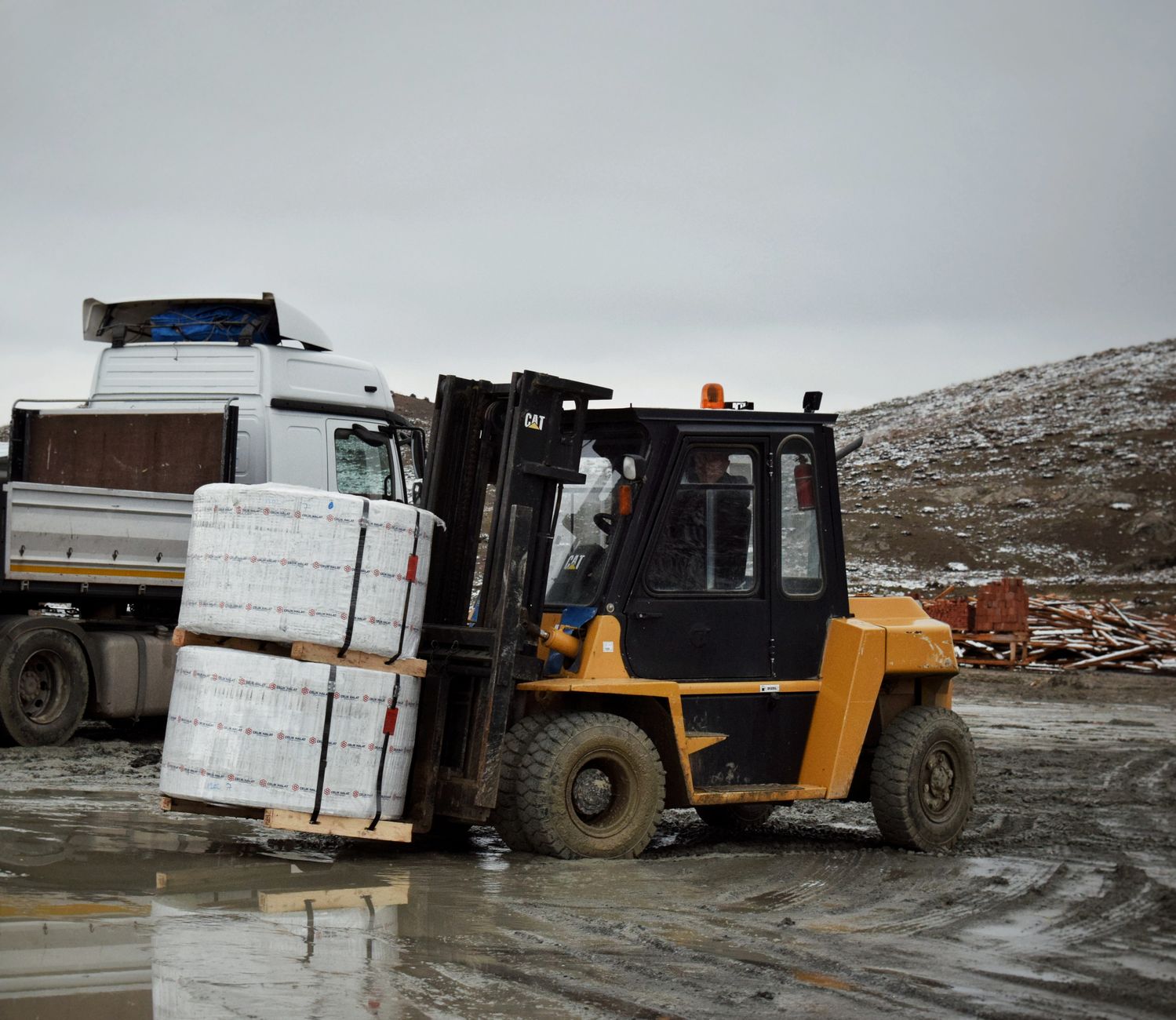
Sometimes the complaint is not shine but motion: partial pallets sitting between wrap and cooler doors while drivers queue. AMRs and tug carts can shuttle staged loads on a fixed route if the aisle width and door timing are mapped with live traffic in the room.
They pair well with scrubbers when each owns a different layer of the night. The scrubber handles film and grit. The AMR handles the repeat pallet move that used to require a forklift making twelve identical trips.
Do not buy both on the same week. Prove one loop first, measure minutes saved, then add the second device if the data still supports it.
How should seasonal cash flow shape financing?
Valley businesses often earn in bursts tied to crop movement and summer tourism through Alamosa, the commercial hub described by county leadership. Monthly payment programs and short rentals let you carry a scrubber only through overlap months instead of capitalizing a machine that sits idle in February.
A four-to-six-week pilot on one aisle produces better numbers than a spreadsheet guess. Track slip incidents, complaint calls about floor appearance, and porter hours before and after.
Service Robot Co. structures select, finance, deploy, train, and service as one contract with a nationwide engineer network for remote triage and on-site dispatch. That matters when the only mechanic who knew your old floor polisher just left for a farm equipment shop.
What should safety and QA leads ask before go-live?
Ask for slip testing on the actual sealant after a full scrub cycle, not only a visual walk-through. Ask how the unit behaves when a forklift driver ignores taped zones. Ask what happens when a hose bib is left on in a mop closet and spreads water into the mapped path.
Ask for training documentation that seasonal hires can read in fifteen minutes. Ask who gets the alert if the machine stops mid-route during the coldest week of the year.
Ask whether your food safety or customer audit checklist already expects logged floor care. A scrubber with a run log can strengthen that record if your QA team wants timestamps.
How do tourism weeks change the same building?
Colorado Encyclopedia notes hundreds of thousands of annual visitors to Great Sand Dunes National Park, with additional public-land visitation feeding tens of millions of dollars into the regional economy. Hotels and restaurants in Alamosa staff up for summer, then cut hours when school traffic fades.
A property that also supplies crews to ag clients may feel both pulses in one year. Scrubbers help because the schedule is software-defined: add a summer night run, drop a winter run, without renegotiating a janitorial vendor contract for each season.
Delivery robots inside lodging are a separate decision. They help when linen and amenity loops are fixed. They do not fix a packing shed aisle unless you are truly running hospitality operations in the same footprint.
What does a sensible first pilot look like?
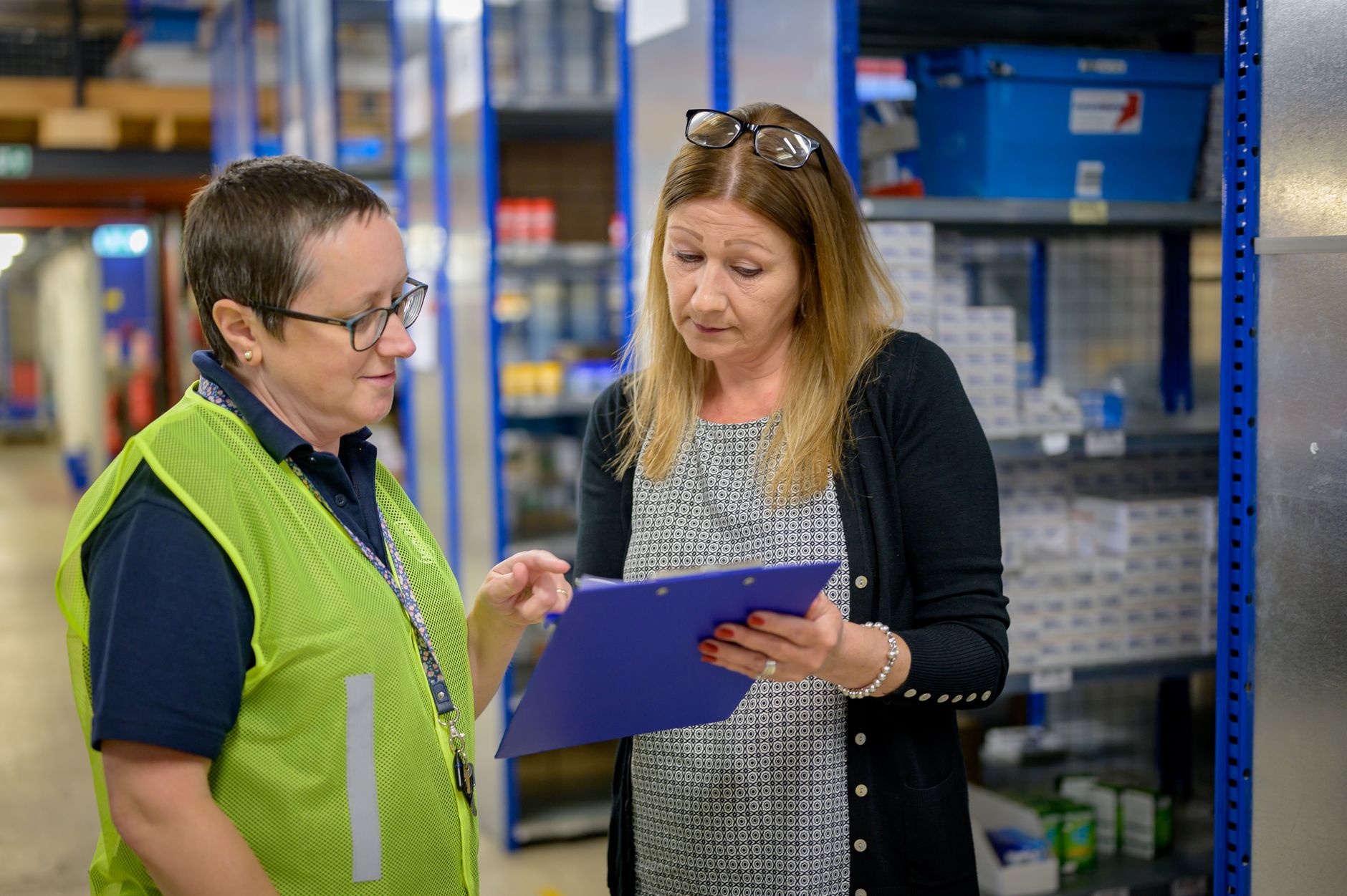
Choose one aisle with sealed floor, clear corners, and a single supervisor who will enforce traffic rules. Run parallel counts for a month during overlap season. Compare porter hours, complaint notes, and near-miss reports.
If the numbers hold, expand to locker corridors and break areas. If they do not, you still have a logged experiment instead of a sunk capital purchase.
End the pilot with a written decision: expand rental, convert to lease, or stop. Seasonal businesses need that clarity before the next harvest, not after.