Key takeaways
- On open turf, a robotic mower takes the repetitive passes so crew hours can move to detail work.
- Trimming, edging, bed work and cleanup are where reclaimed hours usually land.
- Turf Magazine frames robotic mowers as a way to free existing staff for higher value tasks.
- Site fit decides how far the shift can go, so the first step is a lawn by lawn check.
- No 2026 survey we reviewed measures these hours, so track your own before you quote a figure.
What does a robotic mower change on open turf?
On open turf, a robotic mower takes over the long, repetitive passes that once kept a rider or walk behind unit busy for most of a route. The crew stops following the machine across every acre and starts working the parts of the property a mower cannot finish. Turf Magazine frames the trend in those terms, saying robotic mowers free existing landscaping staff for higher value tasks.
That shift rarely shows up as a headcount cut. A trade account describes one firm that kept its crew size while giving staff more time for hand pruning and for cleaning landscape lighting lenses. The hours move, and the people stay on the payroll.
Where do the reclaimed crew hours go?
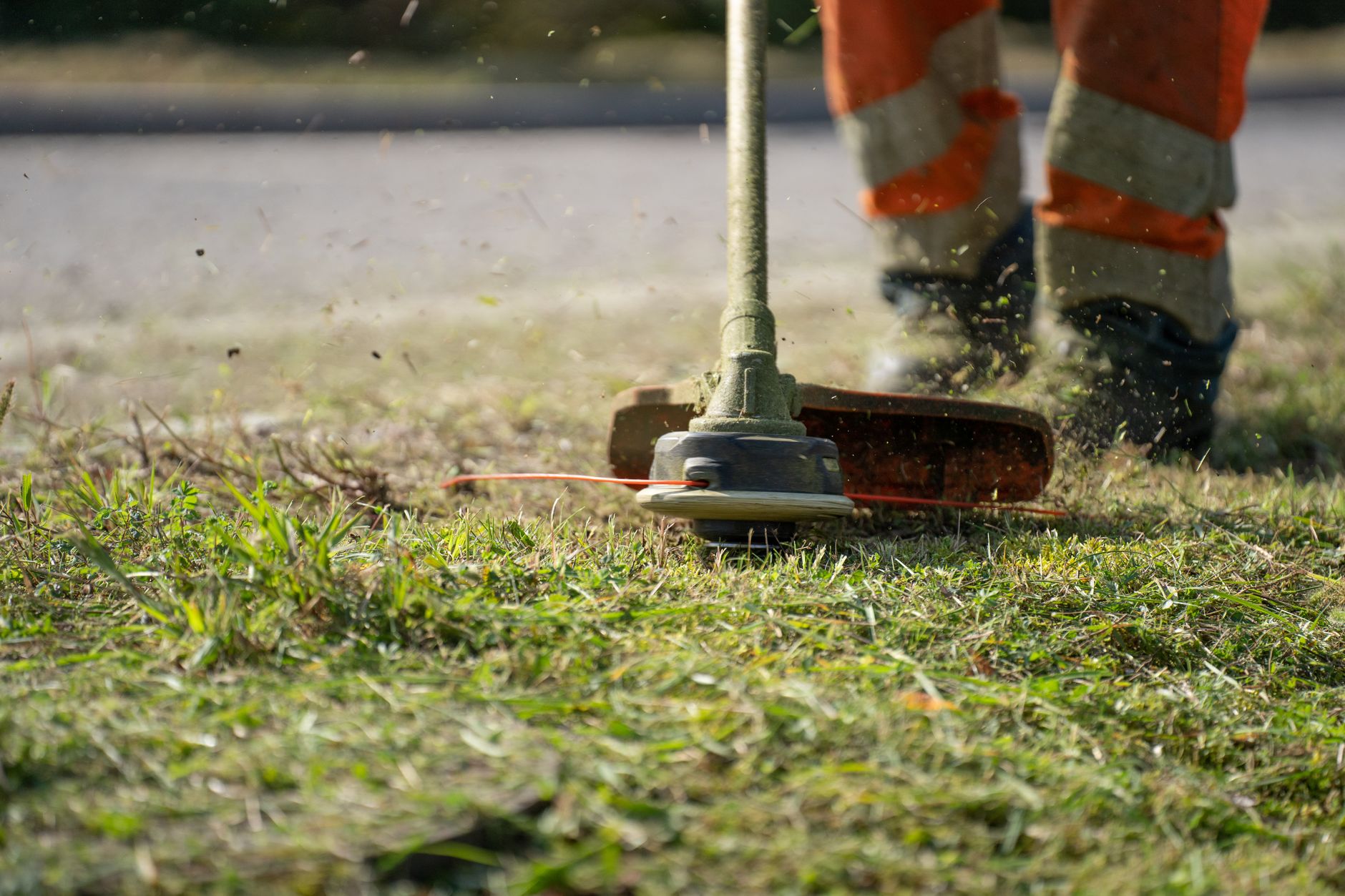
Trimming, edging, bed work and cleanup are the tasks that absorb the hours once the mower carries the open passes. At the 2026 U.S. Senior Women's Open, the Husqvarna mowers were described by Turf Magazine in a similar way: the maintenance team said the machines handle repetitive mowing while staff move to irrigation, detail work and landscape improvements. That coverage is vendor named and reflects operator testimony, so it shows direction, not a measured split of hours.
Sequencing matters more than most managers expect. Trim and edge work goes best when it follows the mower's last perimeter pass, while the clippings are still loose and the lines are easy to read. A workable order for a crew day looks like this.
- Trim around trunks, posts, signs and fixtures that the mower stops short of
- Edge walks, drives and bed lines right after the machine finishes its pass
- Work the beds for weeds, edges and mulch touch up before the client walks the site
- Clear clippings and debris from hard surfaces before the crew leaves

Why do clients notice the difference at renewal?

Clients rarely judge a lawn by mowing stripes alone. They look at crisp edges along walks, clean bed lines and a site free of clippings, and those are the details that take crew time. When they hold through the season, the renewal conversation can center on the look of the property and not only the cut.
Landscape Management reports that Mariani Landscape used freed mowing time to teach crews more complex tasks, which the article links to higher wages. The excerpt gives no figure, so the wage effect belongs in your own payroll records rather than in a client pitch.
Which lawns can take a robotic mower first?
Not every property suits a robotic mower, and industry voices say so plainly. A contractor quoted in Landscape Management said robotic mowers will not replace regular mowing crews for a long time, because not every property suits one. The limit is site fit, not ambition.
Start with slopes, obstacles, gate access and the route the machine takes to reach open turf. Lawns with heavy tree cover, tight island beds or many small corners keep more hand work, and those hours still belong to the crew. A lawn that suits the machine frees hours, while a poor fit can add hours back.
How do you measure the shift before a renewal?
No 2026 survey we reviewed measures trimming, edging or bed work hours before and after robot mowing. Any hour figure you quote to a client should therefore come from your own route records, not from a headline. A route time audit logs minutes by task across a full sample of mowing days before the machine goes in, then again after the crew settles into the new routine.
Record the property, the task and the crew size on each entry. Note what the freed hours produced, such as edging a bed line the client had flagged, because a renewal conversation needs that story as much as a total.
How does Service Robot Co. fit a mower lease into the plan?
Service Robot Co. is an OEM neutral integrator for US businesses. We pick the machine that fits the site across manufacturers, then arrange a commercial robot lease through financing on a three year lease, with one fixed lease payment quoted after a site assessment. We set up and train the crew, and service each unit under RoboCare, our service plan, backed by regional service engineers in every state we service.
The site assessment is where the mower question gets tested against the lawn, the route and the crew hours. That keeps the quote tied to the property in front of you, not to a catalog average.

Frequently asked questions
Want a robot working for you?
Tell us the job and the site. We will recommend the robot, quote the lease, and keep it serviced.
Sources
- Turf Magazine, the rise of robotic mowers free your landscaping staff for higher value tasks
- Turf Magazine, Husqvarna robotic mowers at the 2026 U.S. Senior Women's Open
- Landscape Management, the future workforce using autonomous robotic mowers to solve the labor crisis
- Briefglance, robotic mowers pass the test reshaping commercial landscaping