
Key takeaways
- Idle hospital robots usually trace back to charging, routing or staffing gaps, not one faulty unit.
- Nextgov's March 2026 coverage described mixed VA results, with many robots idle or needing staff to find them.
- Track charge cycles so a dying battery does not first show up as a robot stopped in a corridor.
- Walk every elevator, door and handoff on the real route at shift change before go-live.
- Name a trained person on every shift who can recover a stranded robot, plus a backup.
Why do hospital robots end up sitting idle?
A March 2026 report from Nextgov, republished from FCW and GovExec, described mixed early results from robot use at VA hospitals. According to that coverage, many robots sat idle or needed staff to track them down, even though enthusiasm among hospital staff remained.
Idle robots are rarely a verdict on the machine itself. In most sites the gap traces to three operational weak points: batteries nobody tracks, routes nobody tested against the real building, and staffing plans that quietly assumed the robot would manage itself.
What did the VA's early robot results actually show?
Per the Nextgov summary, delivery, pharmacy and cleaning robots were the most common early uses. Follow-up visits to some facilities found mixed benefits, and a VA official said the current state was not quite where the goal of robots automating routine tasks stood.
The Houston VA stood out for a practical reason. Its staff were trained to maintain the robots, which reduced reliance on vendors. A robot that waits for an outside technician is a robot that waits.
This article draws on the summary of that report. Read the full Nextgov piece before quoting specifics, since the underlying details were not reviewed line by line here.
Why does charging cause so many idle hours?
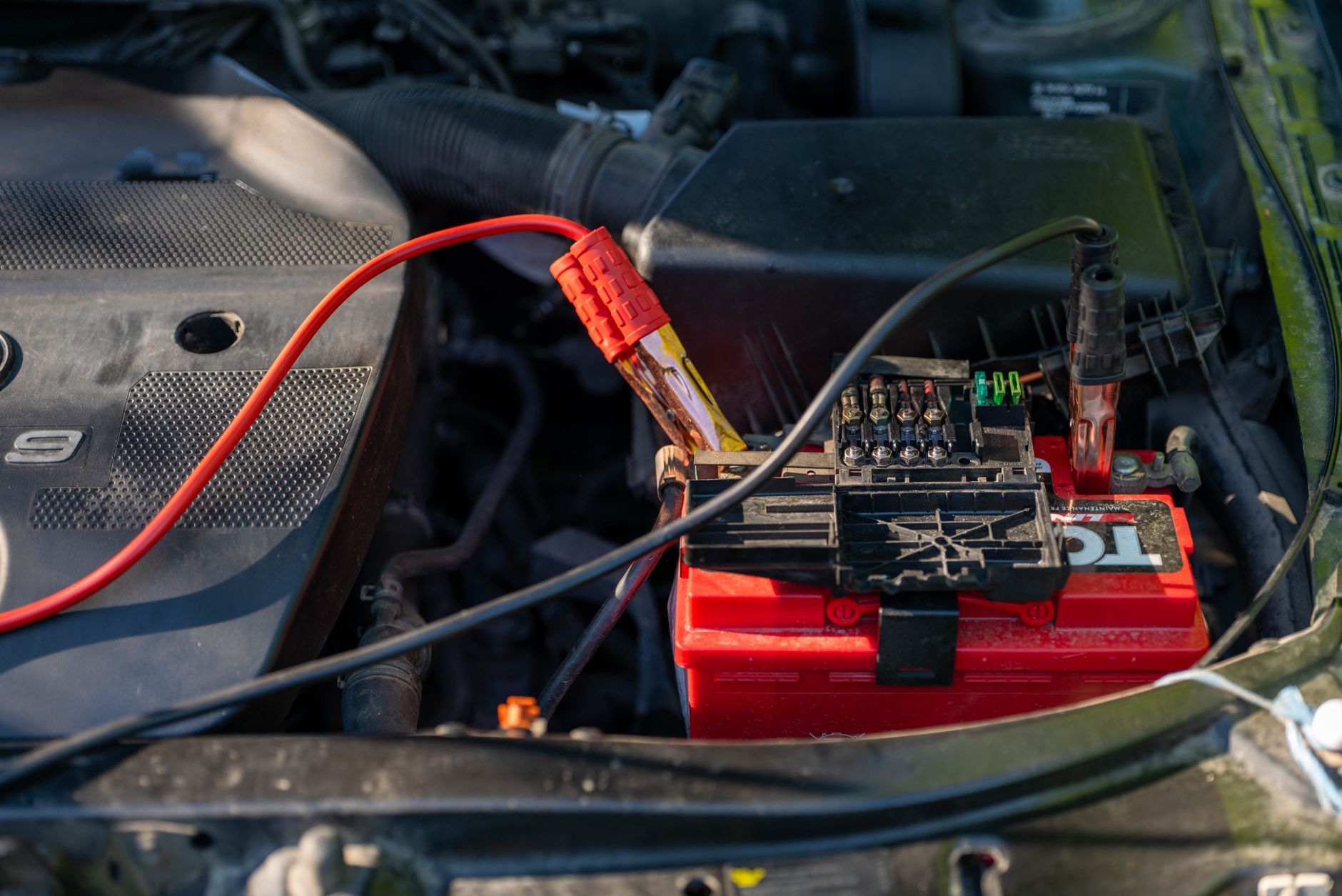
A robot that cannot charge cannot work, and the failure often stays hidden until it matters. A vendor-hosted maintenance guide from 2026 says facilities often learn about battery problems only when a robot stops in a corridor, and it recommends tracking charge cycles. That is vendor-reported guidance, not an independent measurement.
Dock placement matters too. Franciscan Health's deployment of Aethon TUG robots, as described in Aethon's own published account, has staff manually load carts while the robots drive to floors and return to charging docks on their own. That loop only works when docks sit where the robot can reach them without blocking traffic.
How do routes and elevators leave robots stranded?
Routing failures rarely appear in a demo. A loop that runs cleanly on a quiet morning can stall at shift change, when corridors fill, doors are propped open and elevators run slow.
Vendor guidance stresses elevator integration, dynamic rerouting, and connecting fleet software to hospital information and pharmacy systems. These sources are vendor marketing or lightly reviewed blogs, so treat them as general practice rather than measured results. Each named item is still a place where a route can break.
Who keeps robots moving when staffing runs thin?

Staffing shapes uptime as much as hardware does. A Nagoya University Hospital pilot, reported by the Jersey Evening Post, deploys robots during the 5 pm to 8 am night shift, when fewer staff are on duty. Robots placed on that shift are expected to fill a gap, so nobody there can afford to let one sit.
Staff attitudes count as well. An AACN session at its 2026 National Teaching Institute frames how staff perceive robots in acute care around nurse, pharmacy and ancillary workflow impacts. Staff who distrust a robot may work around it instead of with it.
What should you make of a vendor's reliability claim?
BayCare's Winter Haven relay robot expansion came with a claim of 99% or higher delivery reliability. That figure is vendor-reported and was not independently verified here, so treat it as a question to ask, not a benchmark to copy.
Ask what counted as a delivery, over what period, and who logged the results. Those answers tell you more than the headline percentage.
What three checks help avoid the same gap?
Before go-live, a facility team can work through three checks that map directly onto the failure points above.
- Charging: map every dock against the corridors the robot will cover, and log charge cycles so low-battery stops show up in a report before they block a hallway.
- Routing: walk each route at shift change, not only on a quiet morning, and test every elevator, door and handoff point the robot must use.
- Staffing: name a trained person on every shift who can recover a stranded unit, plus a named backup for that person.
Where does Service Robot Co. fit in?
Service Robot Co. is a full-service commercial robot integrator for US businesses. We are OEM-neutral, so we select robots across manufacturers for the task, then deploy, integrate, train and service each unit through a nationwide US engineer network. Our integration includes staff training, the kind of in-house capability the Houston example points to.
We lease robots only, through financing on a 3-year lease. The process starts with a site assessment, and the fixed lease payment is quoted after that assessment, so charging and routing decisions are made on the actual building before any number is set.
Frequently asked questions
Want a robot working for you?
Tell us the job and the site. We will recommend the robot, quote the lease, and keep it serviced.
Sources
- Nextgov, VA's early uses of robots have shown mixed success (March 2026)
- Aethon, Franciscan Health installs 6 Aethon robots
- Oxmaint, hospital delivery robot maintenance scheduling
- Jersey Evening Post, Nagoya University Hospital robot pilot
- Pulse.bot, BayCare expands relay robots at Winter Haven hospitals
- AACN, Teaming up with technology: how staff perceive robots in acute care (2026 National Teaching Institute)