
Key takeaways
- Hospital robot results usually trace to staff roles, route fit and charging, not to whether a robot can carry a load.
- Walk every route and elevator at peak traffic before a unit arrives, not during a quiet tour.
- Log every stop, chase and idle hour so uptime is measured rather than guessed.
- Write expansion criteria and a review window before the first delivery.
- Nextgov reported in March 2026 that the VA's streamlined adoption across its 170-plus facilities is still a way off.
What the VA's early robot results actually show
Hospital robots tend to underperform for reasons that have little to do with whether a robot can carry a tray. Nextgov reported in March 2026 that the Department of Veterans Affairs' early uses of robots have produced mixed success, though excitement about the technology remains.
The benefits so far are uneven, yet frontline providers have been supportive of further adoption. That mix is more useful to a hospital planner than a simple verdict, because the problems reported in coverage of the early program were mostly operational: staff spending time chasing robots that wandered off their routes, and medications that did not reach the places they were meant to go.
Neither problem proves the idea is wrong. Both point to readiness, and readiness is something a hospital can build before the first unit arrives.
Why do hospital robots underperform after go-live?
Most underperformance comes from four gaps: staff roles that were never defined, routes and elevators that were never tested at real traffic levels, charging that interrupts service, and no shared record of uptime. Each gap looks minor during a vendor demo. Together they leave a unit parked in a corridor while a nurse walks the medication down herself.
The VA has said that streamlined adoption across its 170-plus medical facilities is still a way off, and that it is working on deployment guidance and seeking industry input. A hospital that writes its internal guidance now will not have to learn those lessons in front of patients.
Who must be ready before the robot arrives?
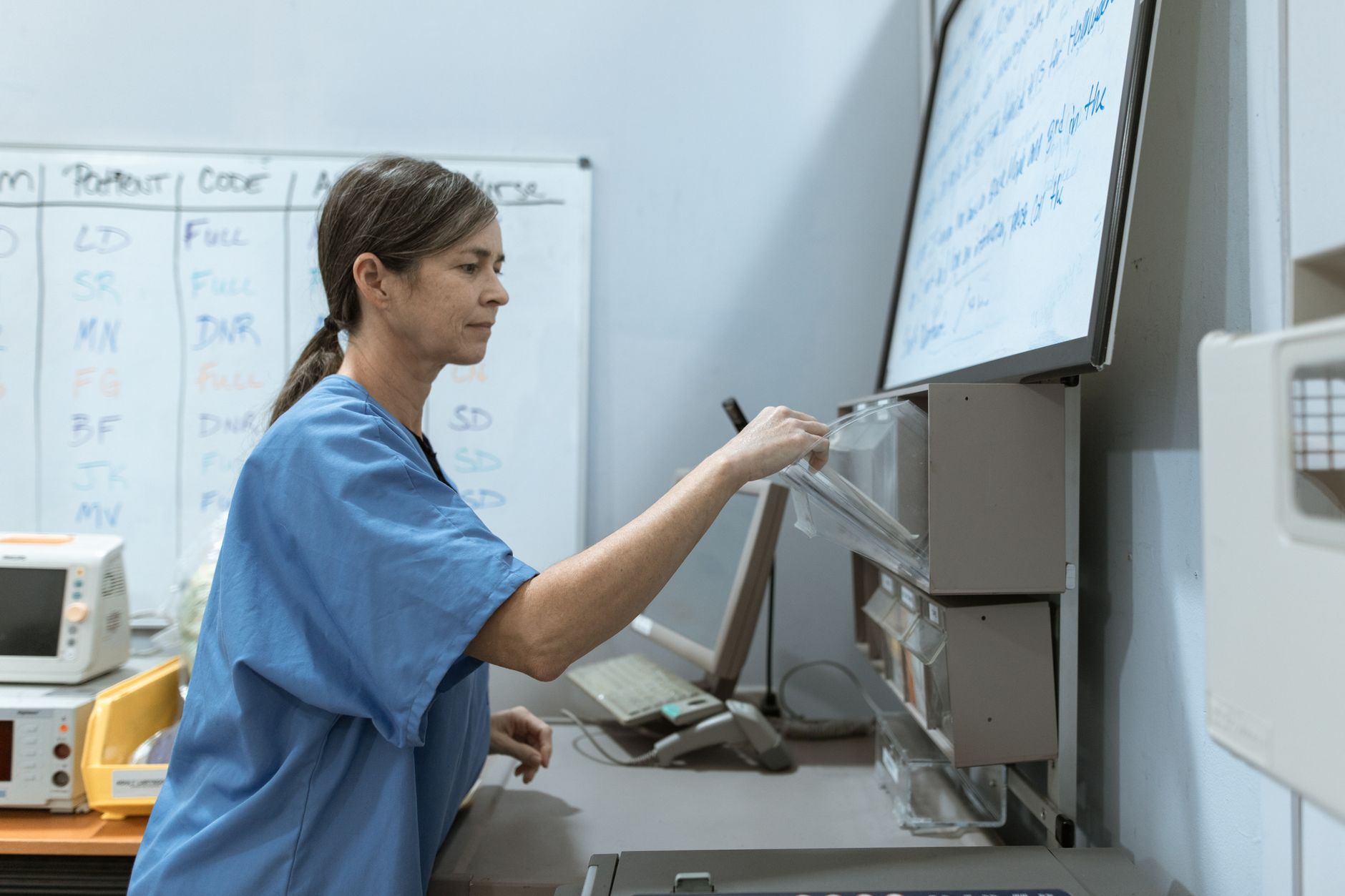
Staff readiness is the cheapest fix and the one most often skipped. Name one lead per floor who can clear a stalled route or call service without waiting for a committee. Nurses, environmental services teams and pharmacy staff each need a short handoff script, because a robot that waits at the wrong door creates more work than it saves.
Frontline commitment matters for a practical reason. Staff who were asked for input tend to report stalls early, and early reports are what keep a pilot honest. Give them a simple way to flag a problem on the same shift it happens.
- A named lead per floor with authority to clear a route or call service
- A written handoff script for each delivery type, including medications and specimens
- A rule for who inspects a unit that arrives without completing its run
How do you test route and elevator fit?
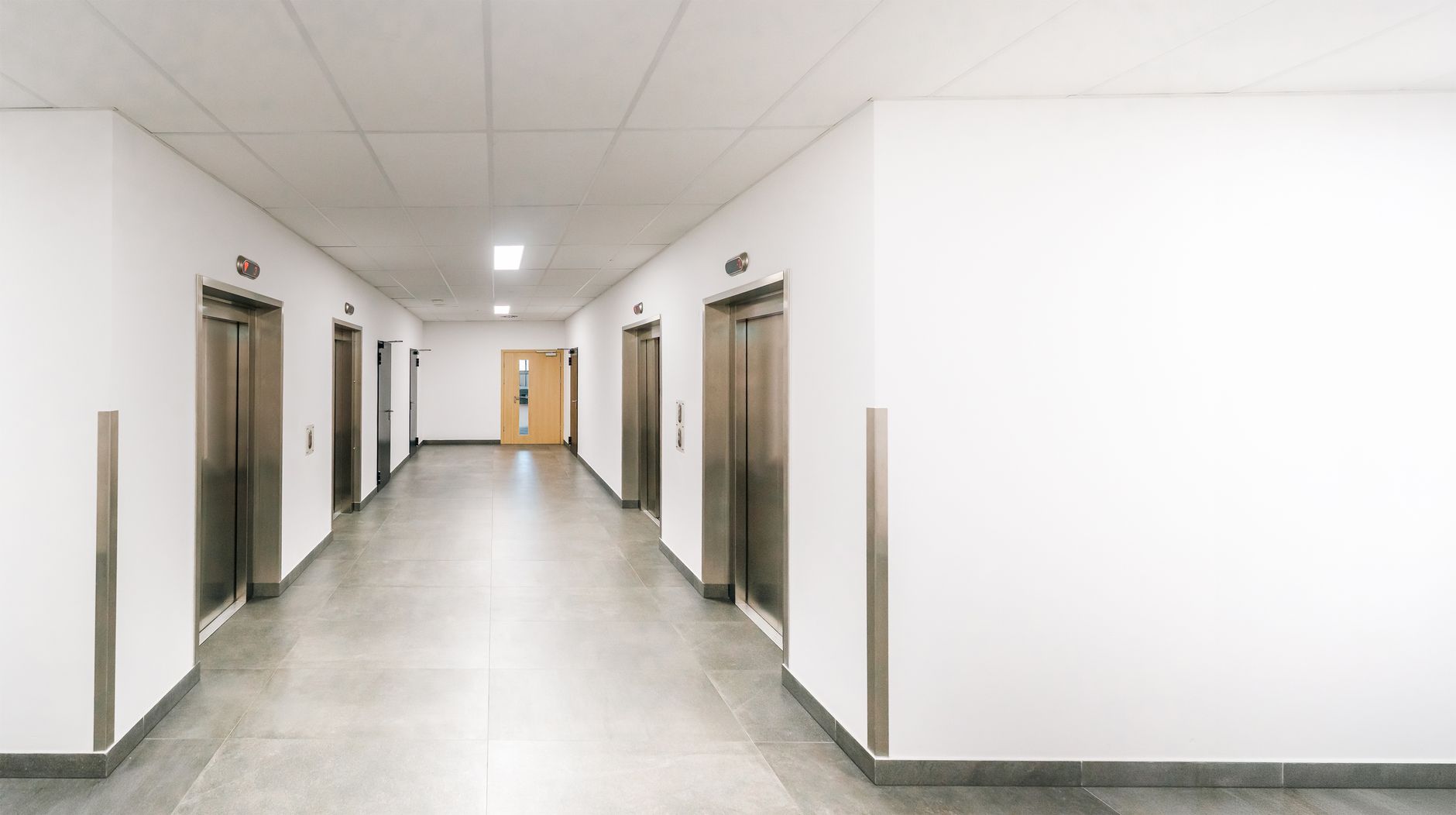
Walk the full route at the busiest hour, not during a quiet morning tour. Note every doorway with a threshold, every elevator call that takes longer than the robot's wait, and every corridor where carts, wheelchairs and visitors compete for the same few feet. A layout that looks clear on a drawing often narrows under real traffic.
Check how the robot behaves when a lift car is full or its doors close early. Repeat the walk after any construction or furniture change, since a remapped corridor can move the robot's path without warning. The wandering robots described in the early VA reporting are a reminder that route trouble shows up fast once units are live.
How should charging and uptime be tracked from day one?
A robot that cannot charge where the traffic is becomes a robot that stops delivering. Place docks near the work they support, confirm outlets and electrical capacity before install, and plan for the hours a unit is off the floor. Spare coverage matters here, since one unit down for service can leave a whole wing without transport.
Track uptime with a simple log: each stop, the time, the cause, how long staff spent chasing or assisting, and whether the run completed. Idle units are part of what the early VA reporting describes, and idle time stays invisible unless someone writes it down. A log turns a sense that robots sit unused into a number the team can act on.
What criteria should decide whether to expand a pilot?
Set the criteria before the first delivery. Judge the pilot on completed runs as a share of requested runs, staff touch time per run, unplanned stops per shift, and any item that did not reach its intended destination. Each measure needs a baseline from the manual process, captured in advance, so the comparison is fair.
Choose the review window and the target in writing too. Expanding because the robot feels novel, or stopping because one bad week felt bad, both ignore the log. A sound decision gate asks whether the pilot met its own targets across enough shifts to trust the result, and whether the staff who used it want it kept.

Where Service Robot Co. fits in a hospital rollout
Service Robot Co. is an OEM-neutral integrator for US businesses. We pick the robot that fits the task across manufacturers, lease it through financing on a 3-year lease, deploy and integrate it, train the people who work beside it, and service every unit under RoboCare. Our terms come as one fixed lease quote, set after a site assessment.
For a hospital, that site assessment is where route and elevator fit get measured before anyone commits, and where charging and uptime logging are designed into the rollout from the start. Regional service engineers in every state we service handle on-site dispatch.
Is a mixed early result a reason to stop?
The VA's mixed start does not prove that hospital robots cannot work. It shows that the early phase is where preparation pays, and that frontline teams can stay supportive while the operating model is still being built. Nextgov's reporting pairs mixed results with continued interest, which is an honest position for any hospital planning now.
Read the next set of results with the same discipline. Ask what was staffed, what was mapped, what was charged and logged, and what the criteria were. A robot that underperforms at a site that skipped those steps tells you about the site, and one that performs at a site that did them shows what to copy.
Frequently asked questions
Want a robot working for you?
Tell us the job and the site. We will recommend the robot, quote the lease, and keep it serviced.