
Key takeaways
- Wet winter fairways punish heavy ride-on reels with ruts members notice first.
- Lighter GPS-mapped units can cut on windows when traditional mowers should stay parked.
- Frost delays and cart rules still govern when any mower runs.
- Frequency in soft months beats chasing spring catch-up on presentation.
- Service Robot Co. maps seasonal holds and maintains units through RoboCare.
Why do winter fairways fall behind so fast?
Cool-season grass keeps growing after frost on mild days, especially in coastal and mid-Atlantic climates. Members still play, but superintendents park heavy fairway reels when soils are saturated.
A week of skipped cuts shows up as uneven color long before agronomists call it damage. Starters hear about lies in the fairway while the shop worries about compaction.
The bottleneck is weight and timing, not willingness to work.
What changes when soils stay soft for weeks?
Ride-on fairway units concentrate load on narrow wheel paths. One pass in the wrong window leaves ruts that cart traffic widens.
Hand mowing every fairway is not a realistic backup for an eighteen-hole property with a thin crew.
Mapped units built for lighter ground pressure can take passes on calibrated windows while reels stay on the pad.
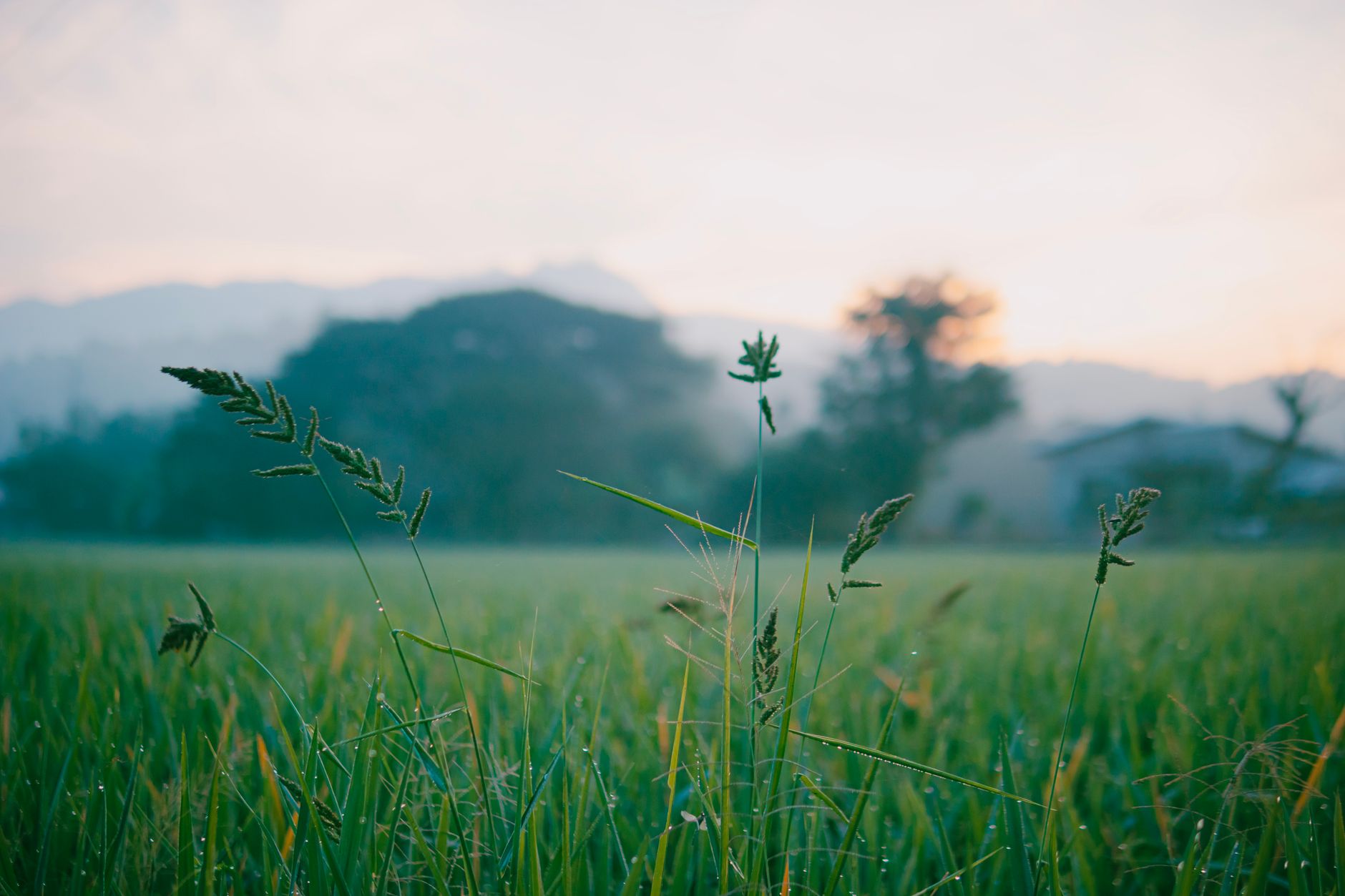
How are clubs keeping cuts going in wet winter spells?
Leaders at Aspley Guise & Woburn Sands Golf Club told the GCMA in 2025 that lightweight mowing units could continue working in winter months when traditional ride-on fairway mowers would rut soft ground, helping the team stay ahead of member expectations.
The lesson is seasonal equipment strategy, not a single machine for every month. Summer may still favor reels; winter favors mapped passes that respect soil conditions.
Service Robot Co. adjusts schedules and geofences when agronomy calls for holds after heavy rain.
What should a superintendent map before the first winter pilot?

Flag low pockets that hold water, north-facing slopes that thaw last, and cart-path crossings that stay muddy into February.
Set maximum soil moisture or visual go-no-go rules your crew can follow without debating every morning.
Document frost-delay communication with the pro shop so members know holds are agronomic, not lazy.
- Low fairway pockets and collection areas
- Bridge approaches and shaded slopes
- Cart-path exits that stay wet
- Charging access near maintenance barns
How do GMs explain winter mowing to the board?
Frame it as presentation insurance: fewer spring scarifying projects and fewer member complaints about uneven lies in January.
Compare rut repair labor and sod patches to a monthly program line that keeps frequency up without sending heavy reels onto soup.
Pair the story with path sweeper holds so cart debris does not compound soft-edge damage.
What stays manual in the coldest months?
Greens and collars still need hand management and careful traffic control. No fairway program replaces cup cutting or bunker prep.
Tree work, drainage projects, and irrigation repairs remain crew priorities when mowers pause.
After-hours security on maintenance compounds may still need cameras if theft is separate from turf work.
What is the first step before the next wet winter?
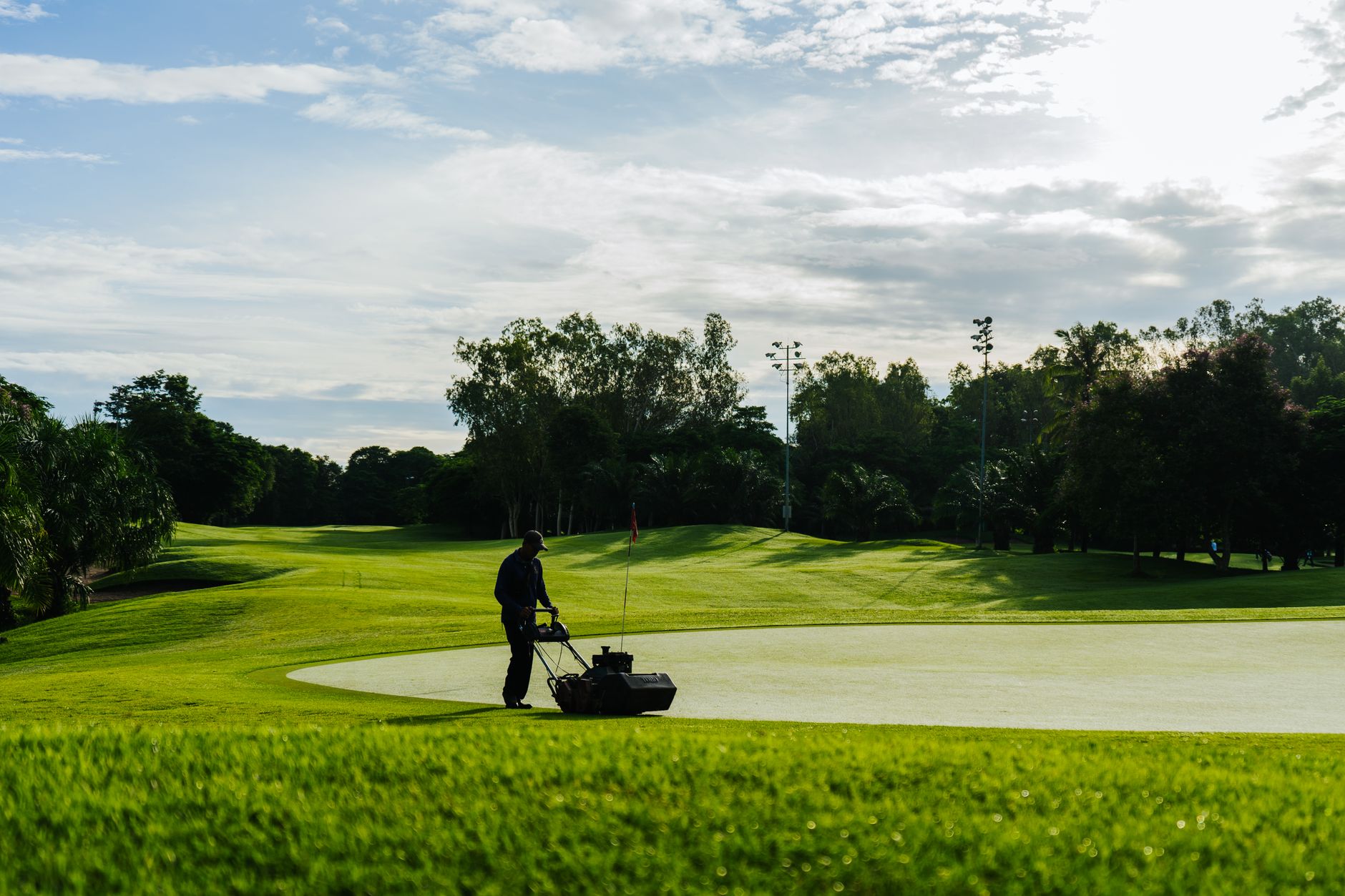
Log every day last winter that fairway reels stayed parked and what turf looked like by Sunday play.
Walk two problem fairways with the GM after a rain event and photograph rut risk, not just standing water.
Book a Service Robot Co. mapping visit to quote a seasonal pilot with RoboCare response terms before budgets lock.