Key takeaways
- No standard we checked gives a trimmer buffer distance, so the crew sets one on the ground and writes it down.
- The mower stops before anyone enters its zone, and that stop is the first signal in the routine.
- Only the named lead gives the all-clear, and a trimmer never releases their own zone.
- Vendor manuals put keep-out and stop duties on the operator, so the handoff belongs in the site plan.
What a zone handoff means on a live lawn
A zone handoff is the short, deliberate moment when a robot mower stops work in one section so a person can trim or edge it, and then that section returns to the robot. It works only when every person on the site knows which zone is live, which zone is held, and who has the authority to release it. Without that clarity, a trimmer and a mower can both end up claiming the same grass.
The safe default is simple to state. Keep people out of the mowing area while the mower runs, and stop the mower before anyone enters. Robomow's published user guides, which we checked in November 2026, tell operators to keep bystanders, children and pets inside during operation and to stop the mower if anyone enters the mowing area. The handoff routine turns that rule into a sequence a crew can run with string trimmers and edgers in hand.
Which standards cover the robot and which cover the crew tools
IEC 60335-2-107 is the international safety standard for battery-powered robotic lawnmowers. Its Edition 2.2, dated November 2021, consolidates the base edition with Amendment 1 from 2020 and Amendment 2 from 2021. It also covers mains-powered charging stations and signal sources for perimeter delimiters.
The scope is the part crews need to read closely. The 2012 edition states that it does not apply to non-robotic machines such as lawn trimmers, lawn edge trimmers, lawn edgers, ride-on lawnmowers or pedestrian controlled lawnmowers. ISO 5395-2 also excludes robotic and remote-controlled mowers, and its scope covers pedestrian-controlled combustion-engine mowers. In plain terms, the robot standard does not govern the trimmer on the same lawn, so the handoff rules have to be written by the site.

How much buffer should a trimmer keep from a running mower?
None of the standards or manuals we reviewed gives a trimmer buffer distance. The search also did not return the clause-level sensing, stop-distance or people-detection requirements of IEC 60335-2-107, and we did not open the full standard text. This article therefore gives no figure, and any number quoted for a robot mower buffer should be traced to a document you can read yourself.
A workable routine has the crew set the buffer on the ground. Walk the zone before the first run, mark the boundary with flags or paint, and have the mower run its approach path while a crew member stands at the edge. Watch where the mower turns and where the trimmer swing reaches. The lead writes the agreed buffer into the site plan. A generous buffer costs trimming time on the same pass, so the lead should weigh that cost openly rather than shrink the buffer to save the crew a few minutes.
What signals mark each step of the handoff?

Four signals carry a zone from live mowing to human work and back again. Each one needs a named person, and each should be visible or audible from the trimmer's position, since a radio can drop out on a windy lot and a wave can be missed behind a hedge.
- Hold call: the trimmer calls the zone number to the lead before stepping into the zone.
- Stop confirmation: the lead stops the mower with its control, watches it halt, and confirms the zone is held.
- Zone tag: a flag or tag on the trimmer's handle or at the boundary shows that the zone is in human use.
- Release call: the trimmer confirms they are clear of the zone, the lead removes the tag, and the lead gives the all-clear.
Who gives the all-clear, and who takes over when the lead leaves?
Only the named lead gives the all-clear. One Robomow manual places responsibility for accidents or hazards to other people or property on the operator or user, so the release decision should sit with the person who carries that responsibility on site. A trimmer does not release their own zone, even when the mower looks idle and the grass looks ready.
Name a relief lead before the shift starts. If the lead leaves mid-pass, the zone stays held until the relief confirms the handover out loud. Customers who take a robot through our commercial robot leasing program get these lead roles written into the site plan at go-live, and our deployment team trains the people who will hold them.
How do you write the routine into the site plan?
Start with a zone map that numbers every section the mower covers, then mark each section where crews trim or edge. Write the hold, stop, tag and release steps against those numbers. Test the routine on an empty lawn before any crew member works a live zone, and log each hold and release on the shift sheet so the lead can see where stops cluster.
Tell the people around the site as well. Robomow's guidance says to tell neighbours that a robot mower is running and that they may be injured if they enter the lawn during operation. On a shared campus or a public lawn, that means signage at the entry points and a briefing for the staff who walk those paths.
What a handoff looks like on a live shift
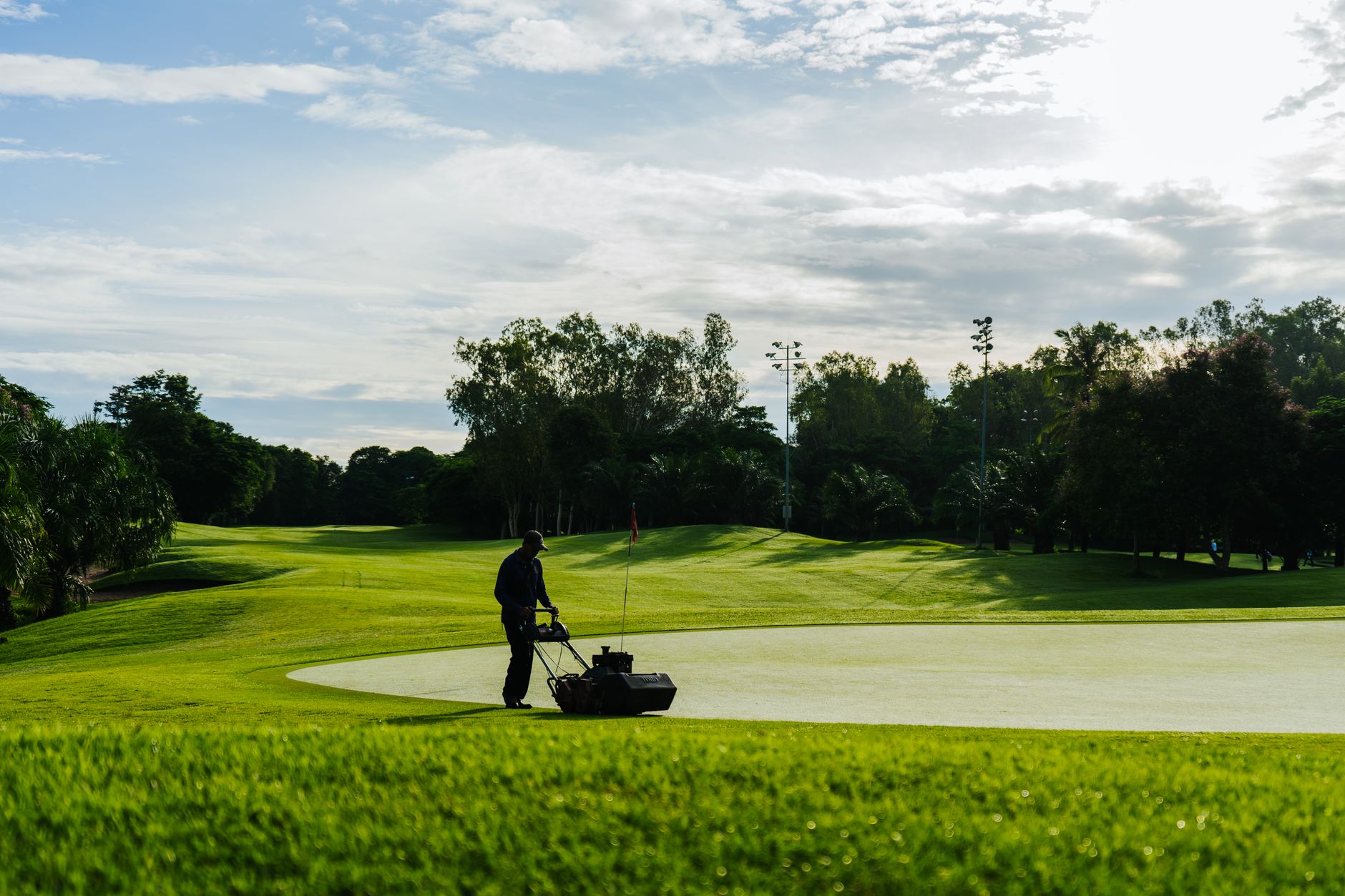
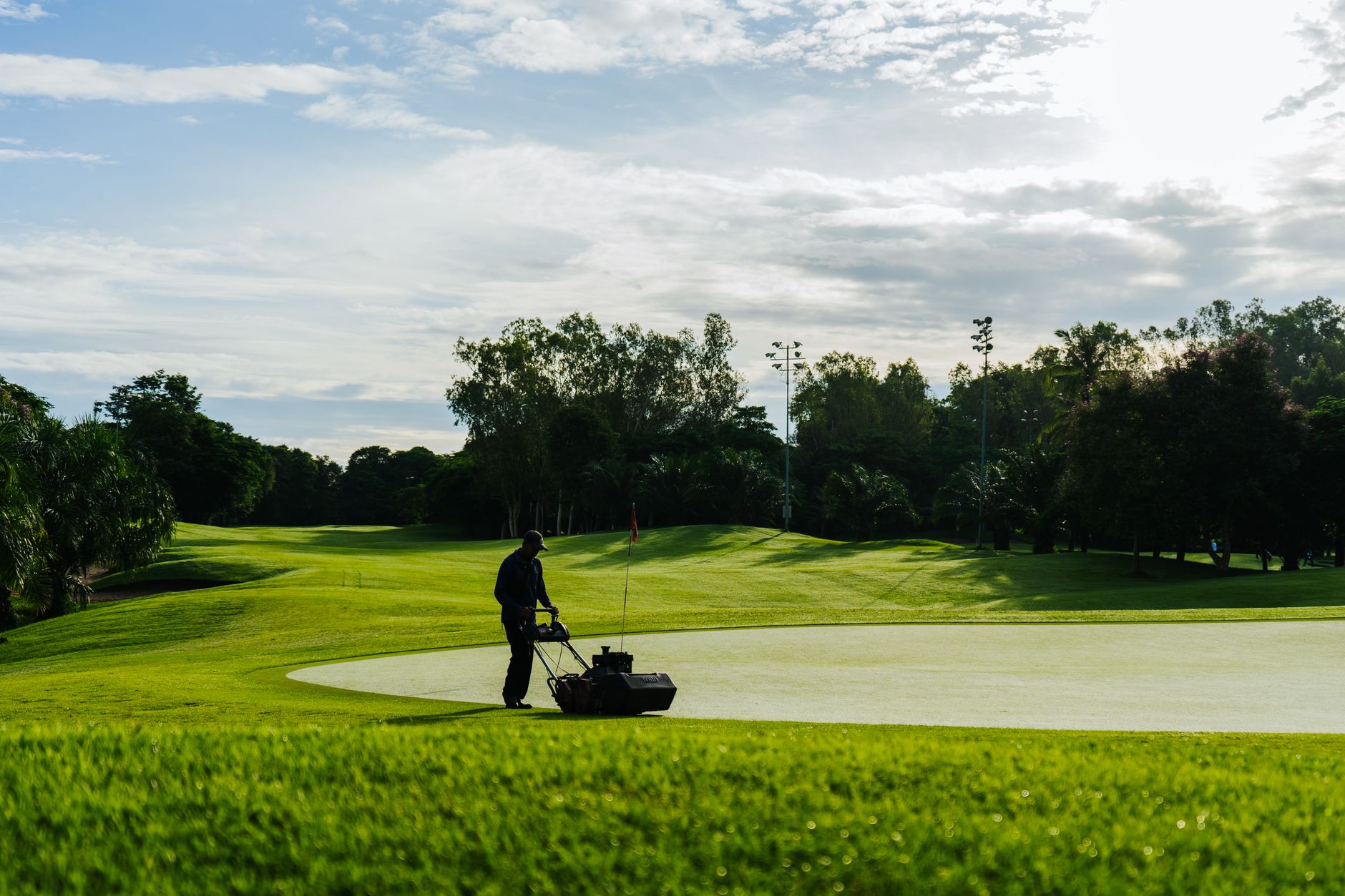
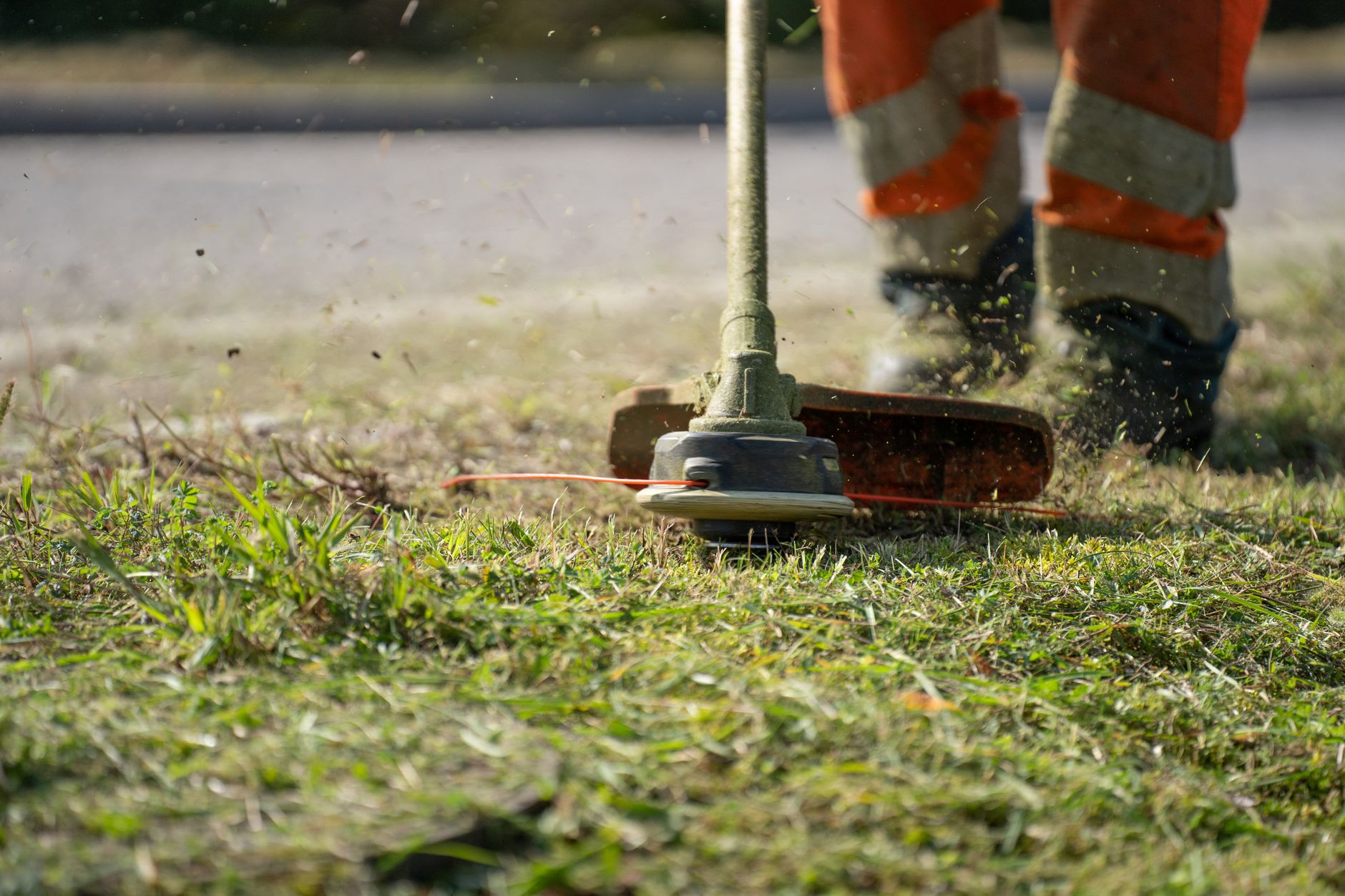
A trimmer reaches the north bed of a commercial lawn while the mower works the far field. She calls the zone number to the lead, who has the stop control in view. The mower halts, the lead confirms the halt, and a tag goes on her handle. She trims the bed and the edge along the walk, stays inside the marked zone, and calls out when she steps clear.
The lead removes the tag, releases the zone, and the mower resumes from its boundary. The log records both the hold and the release. Nothing in that sequence depends on what the last crew remembered, which is the whole point of writing it down.
Where the handoff rules stop, and where to verify them
The sources behind this routine are standards scope pages and vendor manuals. Manuals are written by the manufacturer, so they describe what the maker asks an operator to do, not an independent test of how a crew should behave beside the machine. We found no trimmer or edger handoff rules in any manual, and no clearance distances are verified here.
Service Robot Co. maps zones during a site assessment before it quotes a fixed lease payment for a robot lease, so the handoff routine is tested against the real lawn before go-live. Our regional service engineers, in every state we service, work from the same zone map under RoboCare. Treat this routine as a template for your own site review and test it with the mower and tools you actually run.
Frequently asked questions
Want a robot working for you?
Tell us the job and the site. We will recommend the robot, quote the lease, and keep it serviced.