
a Canadian book and education products distributor fulfilling mixed classroom and direct-to-consumer orders
How a Canadian Book Distributor Tripled Pick Rates and Cut Labor Cost 70% With AMRs
A Canadian book distributor tripled unit pick rates and cut labor cost about 70% with AMR picker walls after classroom orders shifted to home shipments.
- 300%
- Pick rate gain
- 70%
- Labor cost cut
- 0
- Weekend peaks
- AMRs
- Picker wall
Based on a documented real-world deployment. Figures are from public reporting; the organization is not named.
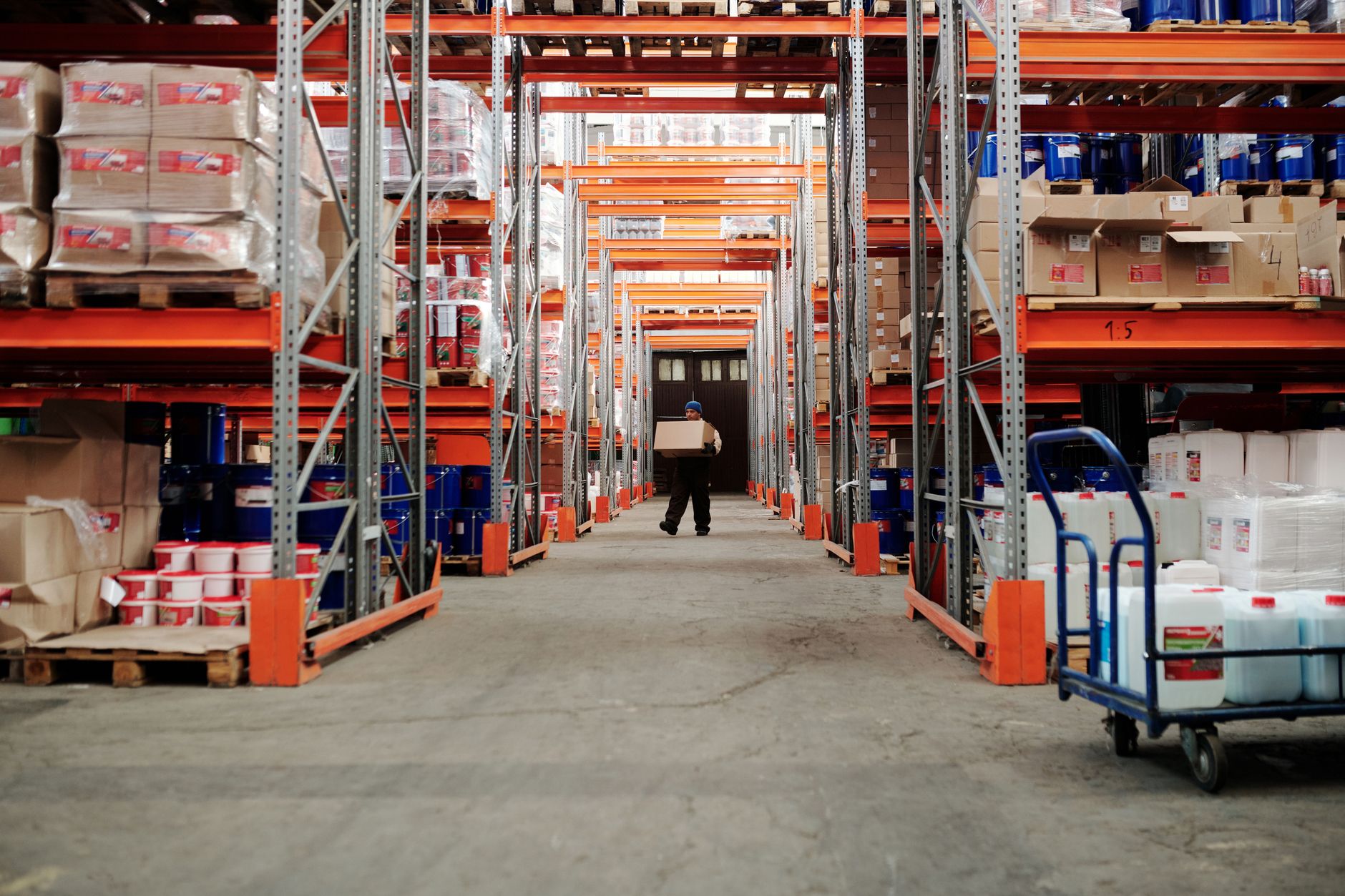
Remote learning rewrote the pick profile overnight
A Canadian book and education products distributor built fulfillment around classroom shipments until pandemic school closures flipped demand toward direct-to-home orders. Labor was already tight, and real estate costs were climbing, so adding headcount or fixed conveyor automation was a hard sell.
Manual pick paths could not keep pace when SKU mix and order sizes changed week to week. Overtime and weekend shifts during peak season became the default relief valve.
- Order profiles shifted from classroom packs to consumer parcels
- Staffing was expensive and unreliable during seasonal spikes
- Leadership needed automation that could move if the warehouse relocated
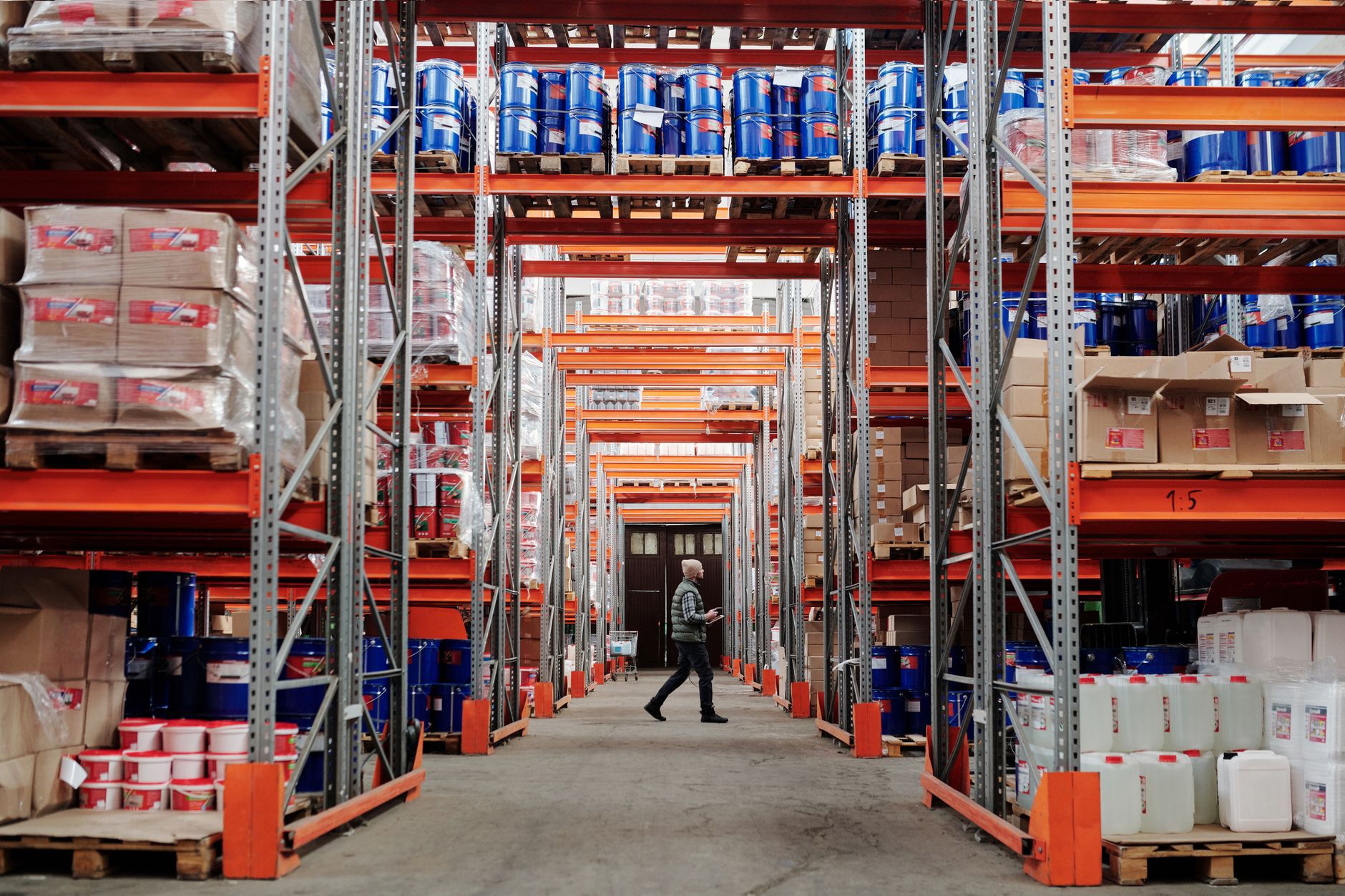
Software first, then AMRs on existing floor space
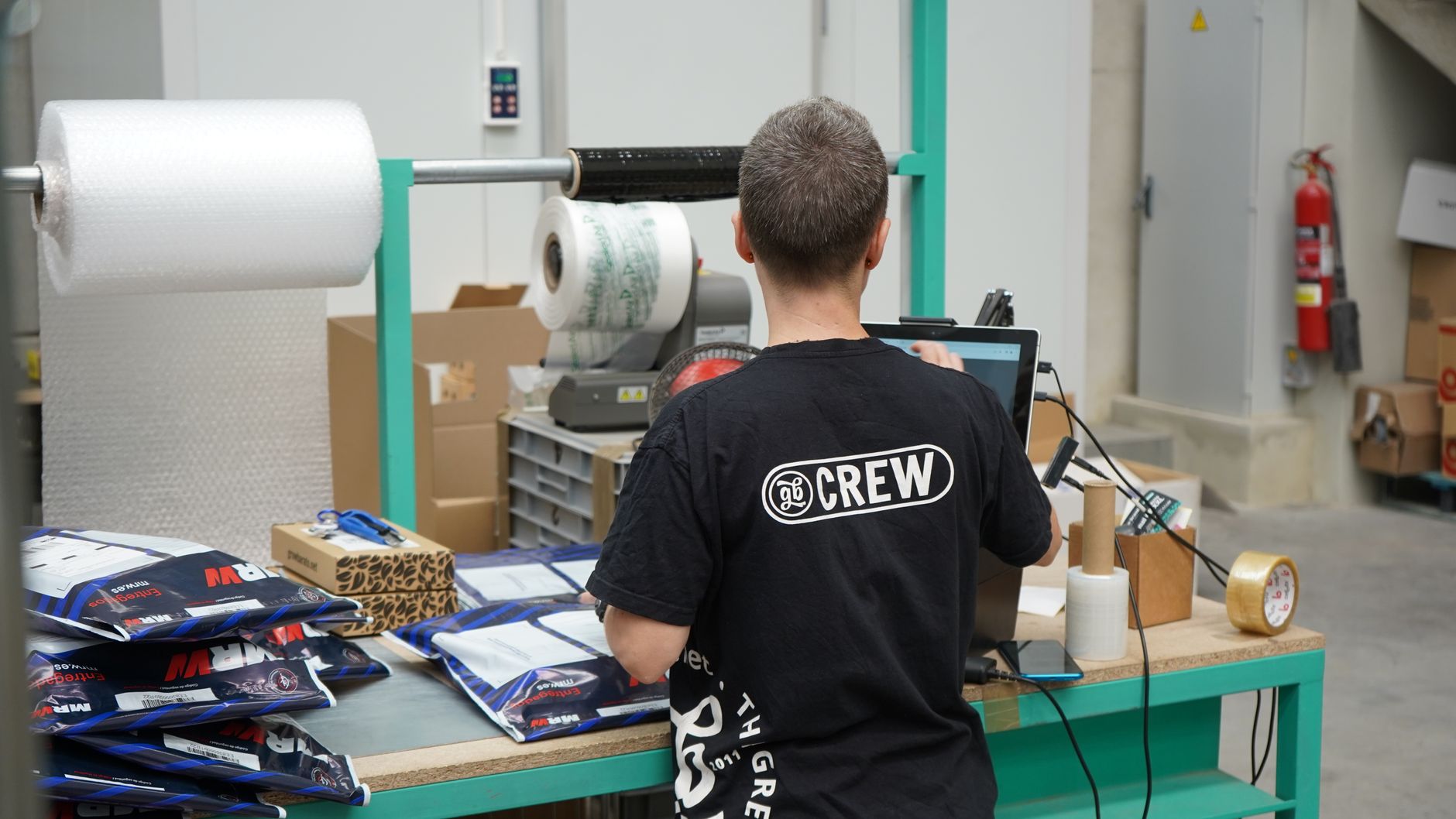
The operation deployed AI-directed warehouse execution software to prioritize tasks by deadline and resource needs, then added autonomous mobile robots feeding a dynamic pick wall where associates sort into order bins.
Robots brought inventory to the wall while people worked in focused bursts on the opposite side. The phased rollout used existing aisle geometry instead of a greenfield build, keeping capital exposure lower than traditional fixed automation.
- Mapped workflows and SLAs in optimization software before robots arrived
- Stood up AMR-fed pick walls without shutting down live operations
- Kept the solution portable enough to relocate if the building changed
Measured throughput and labor return
Unit-level pick rates increased about 300 percent compared with the prior manual baseline. Labor cost fell nearly 70 percent as robots absorbed travel and staging work that had been walking-heavy for pickers.
Peak-season weekend shifts were eliminated, overtime dropped sharply, and training friction eased because associates worked at a fixed pick wall instead of roaming the full building. Leadership cited flexible automation with minimal capital spend as a deciding factor.
What publishers and 3PLs should compare on AMR bids
Book and education fulfillment punishes solutions that only work for one order profile. The winning stack pairs route optimization with robots that can be re-mapped when classroom demand returns or consumer parcel mix grows again.
Service Robot Co. helps US operators compare OEM-neutral warehouse AMRs, structure financing, integrate with WMS workflows, and keep service coverage aligned as pick walls scale. The pattern here is the outcome to chase: tripled unit picks without betting the whole building on steel.