
a European contract electronics and medical-device manufacturing campus in Austria
How a Contract Manufacturer Automated a 600-Meter Warehouse Route With Two AMRs
A European contract manufacturer runs two AMRs on a 600-meter warehouse-to-production loop, freeing staff from repetitive moves and planning heavier cart hooks next.
- 600m
- Route length
- 2
- AMRs live
- 100 kg
- Max load
- 300 kg
- Hook target
Based on a documented real-world deployment. Figures are from public reporting; the organization is not named.
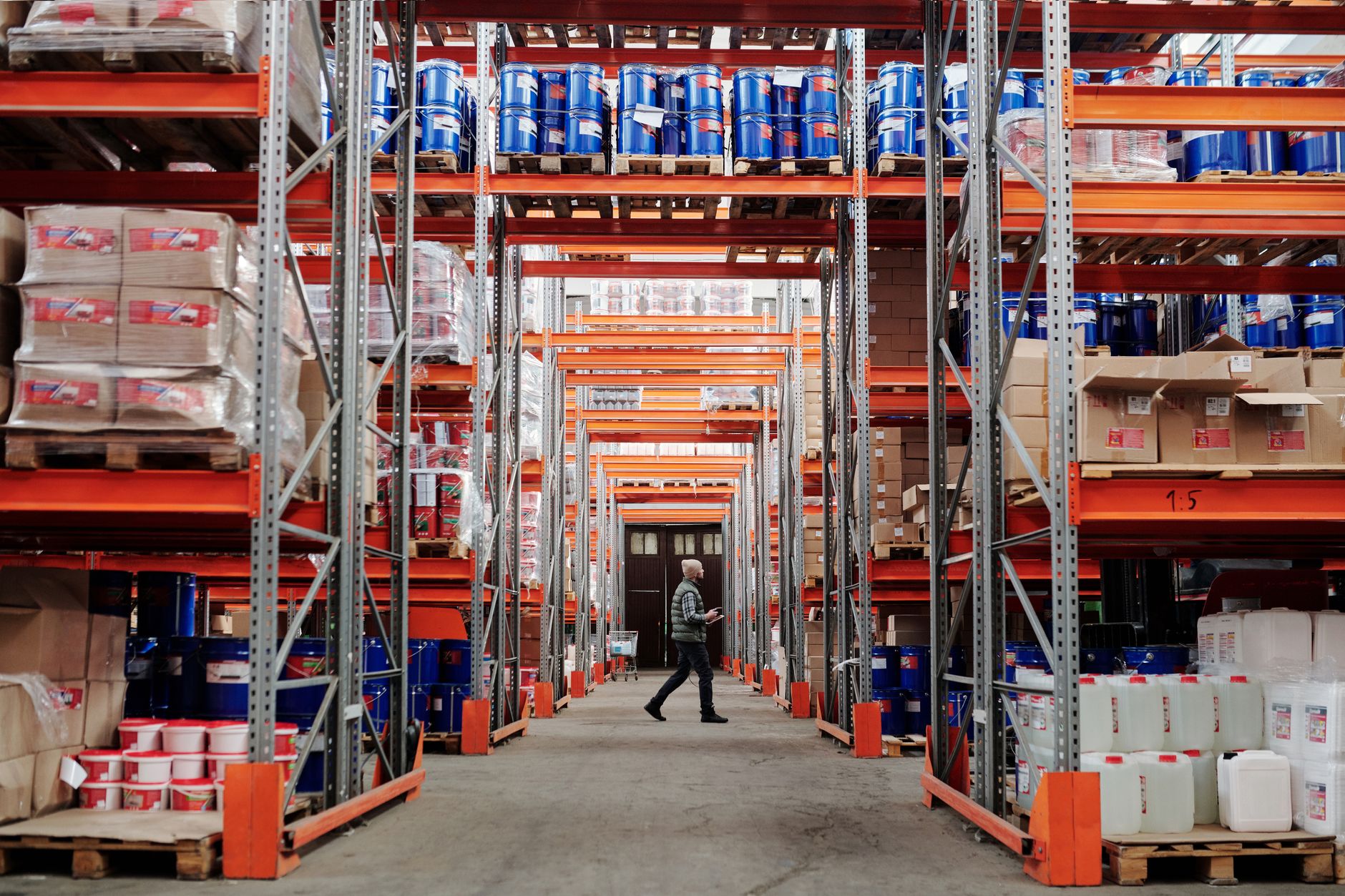
Flexible Layouts Broke Fixed Conveyor Thinking
A European contract electronics and medical-device manufacturing campus in Austria outsources design through logistics for customers in medical technology, industrial, and automotive programs. Production layouts change every three to six months, so magnetic-strip guided vehicles looked too rigid and costly to reinstall after each move.
Bursts of runs from the main warehouse to manufacturing needed short travel times without tying skilled staff to repetitive A-to-B trips. Leadership wanted lean intralogistics that could follow layout changes without a full engineering project each quarter.
- Layout changes every three to six months
- Burst warehouse-to-line transport demand
- Rejected fixed magnetic-strip AGVs
- Need to keep skilled labor off cart miles
Two Lightweight AMRs on a Door-Linked Loop
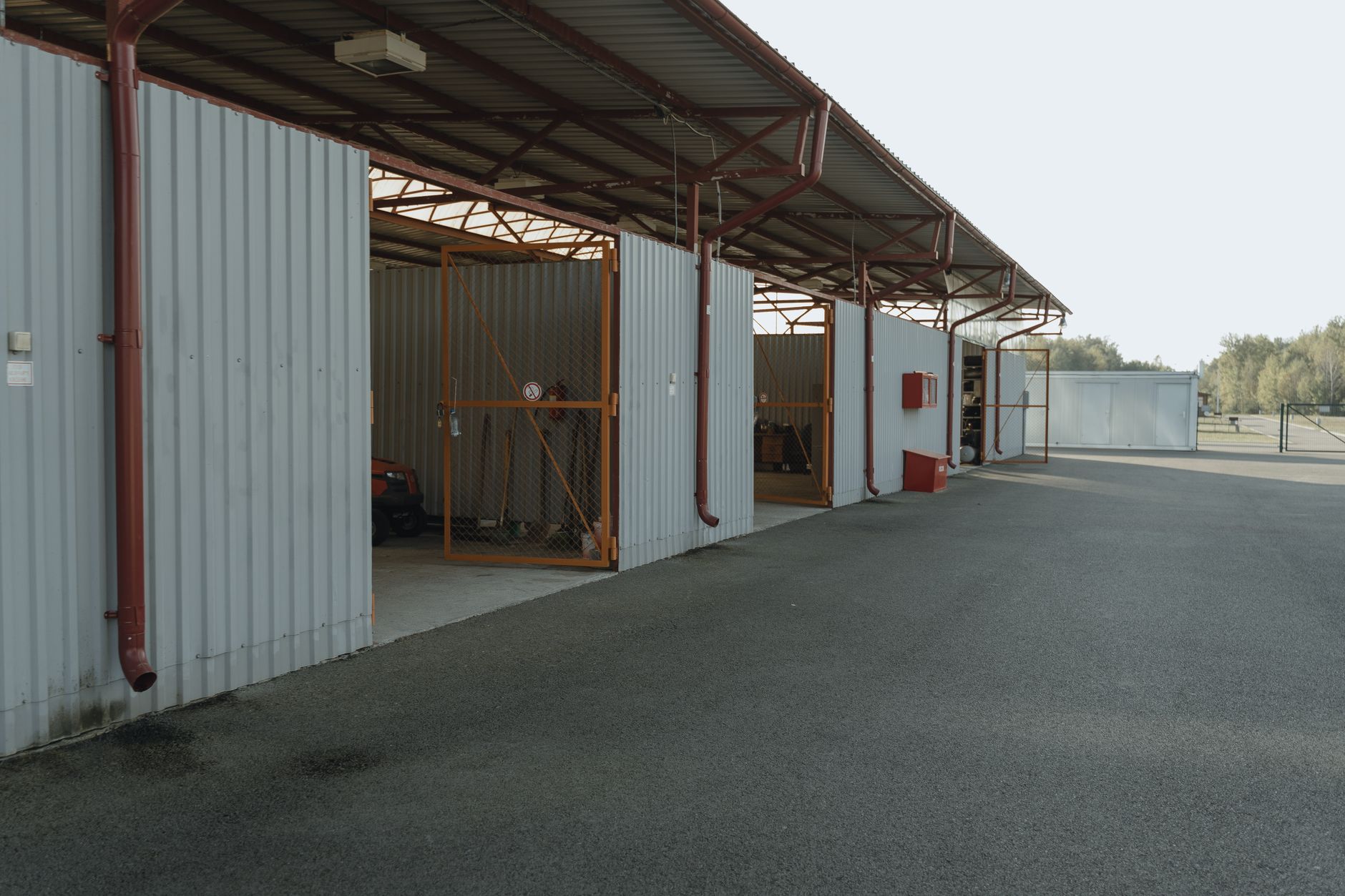
Engineering evaluated mobile robots after seeing them at a 2015 trade fair, bought the first unit that year, and added a second six months later. Two lightweight autonomous mobile robots now cover a six-hundred-meter stretch from the main warehouse to production without interruption.
Each robot carries up to one hundred kilograms on the loop. High-speed interior doors sit on the path; the fleet communication system signals doors to open when a robot approaches, which the site reports works reliably day to day.
Staff time shifted from walking carts to goods receipt, pre-portioning deliveries to production, and filling fixed locations. Leadership plans to add a hook module so the same fleet can tow carts up to three hundred kilograms toward finished-goods dispatch.
- Pilot one AMR, add a second within six months
- Integrate door controls on the 600-meter loop
- Keep payloads at or below 100 kg initially
- Plan hook carts up to 300 kg for dispatch
Repetitive Transport Moved Off People
Goods moves from warehouse to production now run on the automated loop while employees focus on logistics tasks that need judgment. Pre-portioning in the main warehouse became more equitable across production stages according to the published case.
The site does not publish payback months, headcount reductions, or dollar savings. Treat the six-hundred-meter route, two-robot fleet, and planned three-hundred-kilogram hook upgrade as documented outcomes from one integrator-led deployment.
What US Contract Manufacturers Can Study
Service Robot Co. did not run this deployment. It shows how a long but simple warehouse-to-line corridor can be a first AMR win when layouts change faster than fixed automation can follow.
Service Robot Co. gives US businesses one partner for selection, financing, deployment, integration, training, and nationwide service across cleaning, delivery, security, and warehouse robots. Door interfaces and charging bays should be mapped in a site assessment before lease or purchase terms are set.
When burst transport beats steady conveyor flow, two AMRs on a mapped loop may free warehouse staff for receipt and portioning work without waiting on a magnetic strip reinstall.